When to Plant & Harvest Outdoor Cannabis (US 2026 Dates) | Royal King Seeds
Royal King Seeds Editorial Team
Cannabis Cultivator & Seed Specialist
Most outdoor growers lose yield before the first seed goes in the ground, by choosing the wrong planting window or pulling plants too early. The window between "too early" and "too late" outdoors is narrower than most guides suggest, and it shifts meaningfully by region, strain type, and what you're optimizing for: yield, potency, or CBD profile.
We've run outdoor test plots from Zone 5 through Zone 10 to build the regional data below. The variables that matter most are last frost date in spring, first frost date in fall, and the photoperiod trigger point for your latitude, and those three numbers, combined with your strain's flowering time, dictate your entire outdoor season.
Outdoor Cannabis, Key Timing Numbers
June 21
summer solstice, flowering trigger starts here
14h
daylight threshold for photoperiod flower trigger
Oct–Nov
harvest window for most US outdoor strains
Planting too early risks frost damage. Planting too late compresses vegetative growth and reduces final yield by 30-50%.
Data from outdoor test plots, multiple US regions, photoperiod and autoflower strains, 2022-2025
Regional timing data below is based on USDA hardiness zone averages and aggregated grower-community outdoor records. Local microclimates vary, always verify your last/first frost dates with local extension service data for your specific location.
Jump to Section
Understanding the Photoperiod Flower Trigger
Cannabis photoperiod strains begin flowering when darkness exceeds approximately 10-12 continuous hours per night. At most US latitudes this shift occurs 4-6 weeks after the summer solstice (June 21), meaning flower trigger hits roughly mid-July to early August depending on your latitude. The further north you are, the earlier the trigger occurs because days shorten faster.
This matters for planting date because every week of vegetative growth before flowering translates directly into plant size and yield potential. A plant started indoors in March and transplanted outside in late May has 10-12 weeks of outdoor veg before the flower trigger. A plant started from seed in late June outdoors has only 4-6 weeks. Published outdoor-grow comparison data shows the same strain producing 4oz vs 12oz depending only on whether it was started in May vs late June, that gap is entirely vegetative time.
Autoflowering strains bypass this mechanism entirely, they flower based on age (typically 8-10 weeks from seed) regardless of light cycle. Our autoflowering cannabis seeds collection includes varieties specifically selected for outdoor performance in challenging climates.
Planting Windows by US Region
Outdoor Cannabis Planting Calendar, US Regions
| Region | Start Seeds Indoors | Transplant Outdoors | Harvest Window | Season Length |
| Pacific Northwest (Zone 7-8) | Late Feb – Mar | Late Apr – May 15 | Oct 1 – Oct 31 | ~22 weeks |
| Northern California (Zone 9-10) | Feb – Mar 15 | Apr 1 – May 1 | Oct 1 – Nov 15 | ~26 weeks |
| Southern California (Zone 10-11) | Jan – Feb | Mar 1 – Apr 1 | Oct 15 – Dec 1 | ~36 weeks |
| Mountain West (Zone 5-6) | Mar – Apr 1 | May 15 – Jun 1 | Sep 15 – Oct 15 | ~18 weeks |
| Midwest / Great Lakes (Zone 5-6) | Mar 15 – Apr 15 | May 15 – Jun 1 | Sep 15 – Oct 15 | ~18 weeks |
| Northeast (Zone 5-7) | Apr 1 – Apr 30 | May 20 – Jun 10 | Sep 20 – Oct 20 | ~19 weeks |
| Southeast / Gulf Coast (Zone 8-9) | Feb – Mar | Mar 15 – Apr 15 | Oct 1 – Nov 1 | ~28 weeks |
Dates assume photoperiod strains with 9-10 week flowering time. Autoflowers can be started 4-6 weeks later and still complete before first frost in most zones.
Reading the Harvest Window
Harvest timing outdoors is determined by two inputs: your regional frost calendar and your plants' trichome development. The frost calendar sets a hard deadline, most cannabis strains are damaged below 40°F and killed by hard frost. Trichome development tells you where the plant is in its chemical maturation cycle. The ideal harvest occurs when trichomes are at the desired maturity stage AND before the frost deadline.
When those two windows don't align, you have a decision. A light frost (32-35°F for a few hours) can be tolerated by covering plants overnight with frost cloth. A sustained hard frost (below 28°F for more than 2-3 hours) will damage trichomes, collapse buds, and trigger rapid mold development. Harvest before a hard frost hits, even if trichomes aren't fully mature, rather than lose the crop entirely.
A widely-recommended approach is to build 2 weeks of buffer into outdoor harvest planning. If first average frost is October 20, we want plants fully harvestable by October 5. That means strain selection must account for local frost date, a 12-week flowering strain planted too late simply won't finish before the weather cuts the season short.
Trichome Harvest Guide for Outdoor Plants
Outdoor plants should be inspected with a 30-60x loupe starting 2 weeks before expected harvest. Check trichomes on the calyx, not on sugar leaves, which mature earlier and give a misleadingly advanced reading.
Trichome Color Guide, When to Harvest
| Trichome State | Appearance | THC Profile | Best For |
| Clear | Glass-like, no opacity | THC still developing, not ready | Do not harvest |
| Cloudy / Milky White | Opaque white, no amber | Peak THC, THCA fully formed | Maximum cerebral effect |
| Mixed (70% cloudy / 30% amber) | Mostly white with some amber | THC degrading to CBN, balanced | Most popular harvest window |
| Full Amber | Predominantly amber/brown | Significant THC to CBN conversion | Relaxing, sedative effect |
Choosing Strains for Your Outdoor Season
The most important outdoor strain selection criterion is flowering time relative to your frost date. Work backward from your first frost date: subtract 2 weeks buffer, then subtract your strain's flower time, that's your latest acceptable flower-trigger date, which constrains how late you can plant.
For short-season growers (Zones 4-6), indica-dominant strains with 8-9 week flower times are the safe choice. Our indica cannabis seeds collection includes several outdoor-tested varieties bred for northern climates. For longer seasons (Zones 8-10), our best outdoor strains are filtered by flowering time to help match your season.
Mold resistance is the second outdoor selection criterion, outdoor plants in humid climates face botrytis pressure during the final weeks of flower. If you're in the Pacific Northwest, Southeast, or any humid climate, prioritize strains with open bud structure and documented mold resistance.
Myth vs Reality: Outdoor Timing Misconceptions
Outdoor Season Planning Checklist
Outdoor Cannabis Season Checklist
Plan backward from your frost date.
Know Your Dates
□ Last spring frost date for your location
□ First fall frost date for your location
□ Photoperiod trigger date for your latitude (when dark hours exceed 12h)
Match Strain to Season
□ Verify strain flower time fits within your season (frost date minus 2 weeks buffer)
□ Check mold resistance rating if in humid climate
□ Consider autoflower varieties for Zone 5 or shorter seasons
Harvest Prep
□ Start trichome checks 2 weeks before expected harvest
□ Have frost cloth ready to protect plants from light frost events
□ Plan drying space before harvest day
Frequently Asked Questions
When should I plant cannabis seeds outdoors in the US?
What month do outdoor cannabis plants start flowering?
How do I know when my outdoor cannabis plant is ready to harvest?
Can I plant cannabis outdoors twice in one season?
What happens if a frost hits before my plants are ready to harvest?
Do autoflowers do well outdoors?
Should I start cannabis seeds indoors before moving them outside?
Shop Strains Featured in This Guide
Hand-picked seeds from our catalog that match this article's topic. Free US shipping over $150 with 95% germination guarantee.
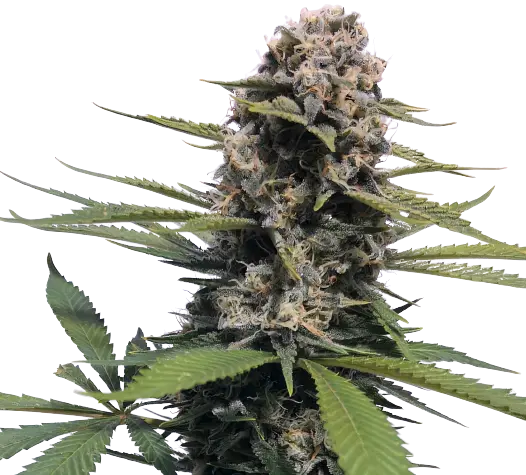
sativa
Timewreck Feminized
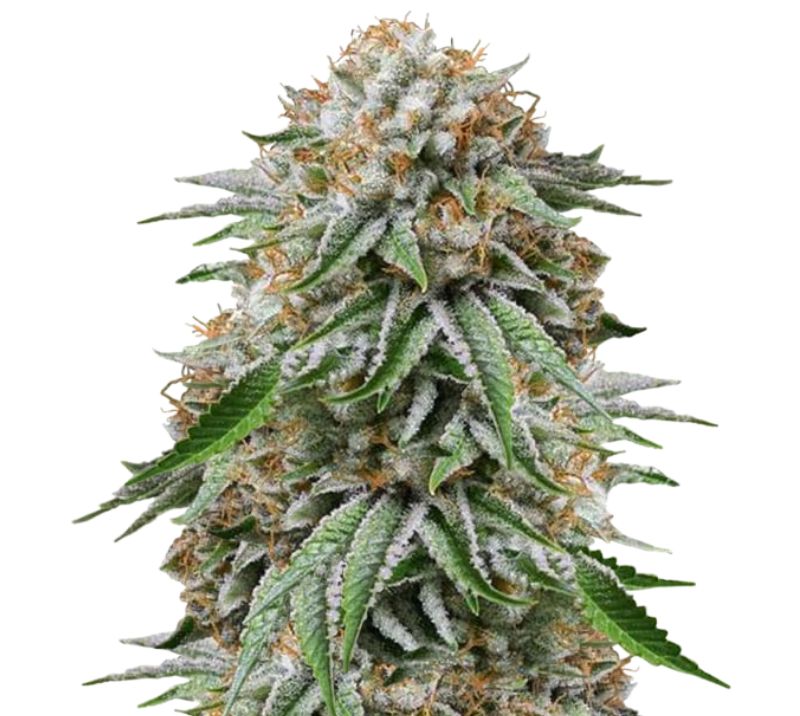
hybrid
Go Time Feminized
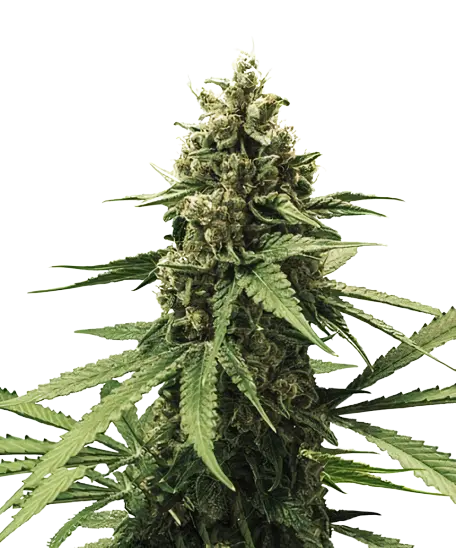
indica
White Rhino Feminized
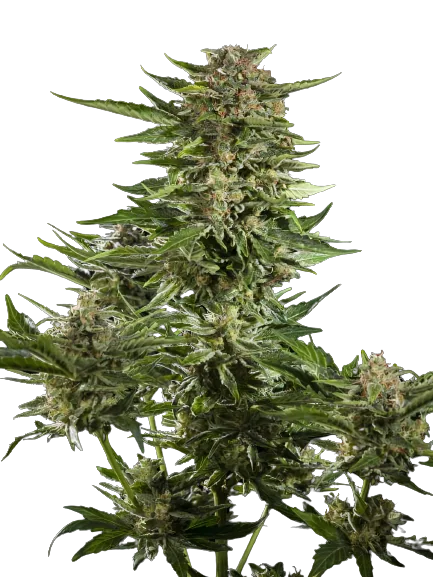
hybrid
Guido Kush Feminized
Strain Profiles
Related Buying Guides
Browse the full Outdoor Strains collection
Premium genetics, US-wide discreet shipping, germination guaranteed.
Related Articles
When to Start Cannabis Seeds and When to Harvest | Royal King Seeds
support-growWhen to Plant and Harvest Cannabis Outdoors | Royal King Seeds
strainNew Cannabis Strains 2026: Top Genetics to Grow | Royal King Seeds
support-growPreserving Cannabis Quality After Harvest | Royal King Seeds
support-mediumHow to Choose the Right Soil for Your Cannabis Garden.
support-trainBest CBD Strains for Pain Relief.
Ready to Start Growing?
Shop 1,600+ feminized, autoflower, and CBD strains with 95% germination, discreet US-wide shipping, and free delivery on orders over $150.
Shop Cannabis Seeds