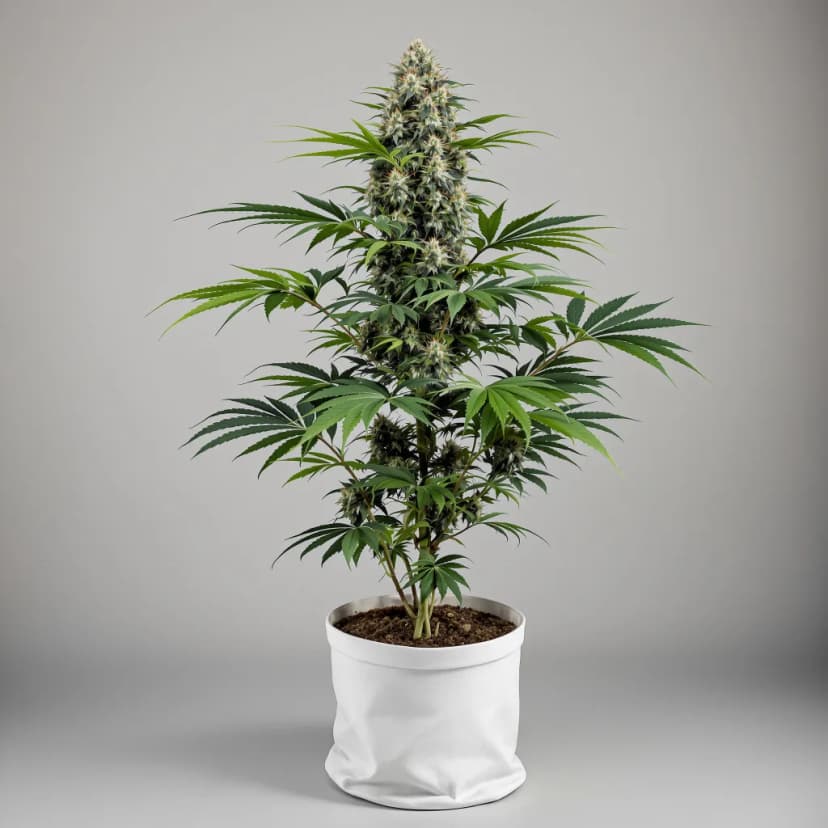
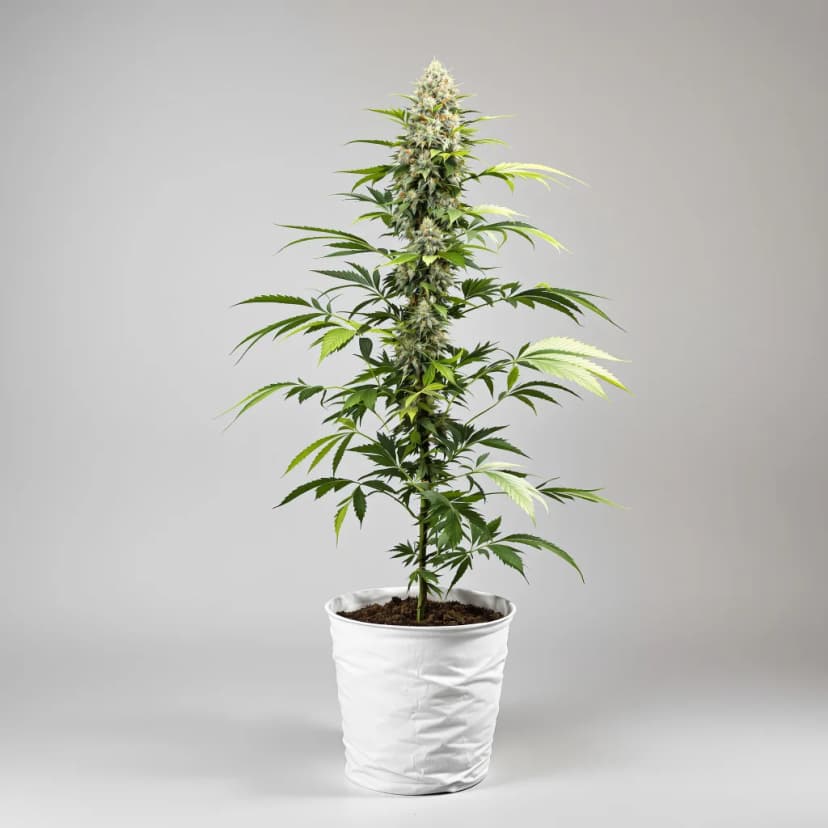
Autoflower Cannabis Seeds
Shop 422 autoflower cannabis seed varieties that begin flowering according to plant age instead of requiring a change to a 12/12 light schedule. Compare breeder-reported THC, seed-to-harvest time, yield, difficulty, expected effects and flavors to find an option for your growing space and experience level. Orders ship from within the United States, with estimated delivery in 5-7 business days. Always check applicable state and local laws before ordering.
Shop Autoflowering Seeds
Browse 422 autoflowering seeds and filter by seed-to-harvest time, strain type, difficulty, THC, expected effects and flavor. Product specifications are breeder-reported unless otherwise noted and may vary by environment and growing method.
How to choose autoflowering seeds
Start with the factor that matters most for your setup: total growing time, available height, experience level, expected yield, cannabinoid profile or preferred flavor. Compare the complete strain specifications rather than choosing on THC percentage alone.
| Your priority | What to compare |
|---|---|
| A faster harvest | Seed-to-harvest time, not flowering time alone — they are different measurements |
| A small space | Expected height, stretch during bloom and recommended container size |
| A first grow | Difficulty rating, and how sensitive the cultivar is to feeding and training |
| A bigger yield | Indoor and outdoor yield ranges, and the environment the figure assumes |
| Potency | Breeder-reported THC and CBD |
| A particular experience | Cannabinoids, terpene profile and customer reports |
| Growing outdoors | Total lifecycle, climate suitability and your local season length |
Published THC, yield, height and finish times are estimates, not guarantees. Results vary with phenotype, environment, lighting, nutrition, container size and grower experience.
Autoflowering seed guide
Overview
Autoflowering cannabis seeds contain ruderalis genetics that trigger flowering based on the plant age, typically 3-4 weeks after germination. This means they do not require a change to a 12/12 light schedule, and many varieties finish in approximately 8-11 weeks from seed.
- They suit growers with short outdoor seasons, limited indoor space, or a preference for shorter cycles, though the fixed lifecycle leaves less time to recover from overfeeding, transplant shock or heavy training.
- Modern autoflowers produce THC levels rivaling photoperiod strains while maintaining their speed advantage.
For beginners
Northern Lights Auto, White Widow Auto, and Blue Dream Auto are the most forgiving autoflower strains for first-time growers. They tolerate overwatering, underfeeding, and temperature fluctuations while still producing quality harvests.
- Start with a 3-5 gallon pot, quality soil, and basic LED lighting.
- Follow our germination guide to get started, and check our beginner grow guide for step-by-step instructions from seed to harvest.
How to choose
Consider your grow space, smaller tents suit compact indica autos, while larger spaces can accommodate taller sativa autos. Think about your goals: high THC for potency, high CBD for a milder, low-THC plant, or high yield for maximum harvest weight.
- Check flowering times, fast autos finish in 8 weeks, while larger varieties may take 10-12 weeks.
- For outdoor growers, consider your local climate and how many cycles you can fit in your growing season.
Autoflower vs photoperiod
Autoflowers flower automatically regardless of light schedule, finish faster, and stay smaller. Photoperiod seeds require 12/12 light to trigger flowering, grow larger, and yield more per plant.
- Autoflowers allow 3-4 indoor harvests per year versus 2 for photoperiod.
- Annual yield can be comparable.
- Autoflowers cannot be cloned effectively, while photoperiod plants make excellent mothers.
- Choose autos for speed and simplicity; choose photoperiod for maximum control and per-plant yield.
Growing tips
Plant autoflower seeds directly in their final container (3-5 gallon pot) to avoid transplant stress. Use light, airy soil or coco coir. Start with 25% strength nutrients and increase gradually, autoflowers are sensitive to overfeeding.
- Run 18-20 hours of light per day throughout the entire grow.
- Do not top autoflowers unless you are experienced, LST (low stress training) is the safer option.
- Water when the top inch of soil is dry.
- Harvest when 70-80% of trichomes are cloudy for best potency.
Autoflower vs. Photoperiod Seeds
| Feature | Autoflower | Photoperiod |
|---|---|---|
| Flowering trigger | Plant age | A longer uninterrupted dark period |
| Typical indoor light schedule | Commonly 18/6 or 20/4 throughout | Vegetative schedule, then 12/12 |
| Total lifecycle | Often approximately 8–11 weeks from seed | Depends on vegetative and flowering duration |
| Plant size | Often compact, but cultivar-dependent | Controlled partly through vegetative time |
| Training window | Shorter | Longer and more flexible |
| Cloning | Generally impractical | Commonly used |
| Best suited to | Fast cycles, compact spaces, short seasons | Larger plants, cloning, more training control |
Frequently asked questions
How long do autoflower seeds take from seed to harvest?
Many autoflower varieties finish in approximately 8-11 weeks from seed, but slower cultivars can take longer. Check the individual product's seed-to-harvest estimate rather than relying only on its flowering-time figure.
Are autoflower seeds also feminized?
Autoflowering and feminized describe different traits. Autoflowering describes when flowering begins, while feminized refers to seeds produced to strongly favor female plants. Check each product's seed type before purchasing.
Do autoflowers need a 12/12 light schedule?
No. Autoflowers begin flowering according to age rather than a 12/12 light-cycle change. Indoor growers commonly use a consistent 18/6 or 20/4 schedule, depending on their setup.
Are autoflowers suitable for beginners?
They can be suitable for beginners because no light-cycle change is required. However, their short lifecycle leaves less time to recover from overwatering, overfeeding, transplant shock or aggressive training.
Can autoflowers grow outdoors in the United States?
They can be grown outdoors where cultivation is permitted and seasonal conditions are suitable. Their shorter lifecycle can be useful in regions with limited growing seasons. Laws vary by state and locality.
How much can an autoflower produce?
Yield varies substantially by genetics, lighting, climate, container size and grower experience. Use each product's stated yield as a comparison estimate rather than a guaranteed result.
Need help choosing?
Answer a few quick questions and we'll recommend the best strains for your goals, experience, and growing setup.
Related growing guides
Explore related seed categories
Looking for Deals?
Not sure which strain is right for you?
Take our 60-second quiz or explore our grow guides for expert recommendations.