Table of Contents
Genetics and Origins
Yoda’s Brain is a hybrid strain that balances indica and sativa genetics. While its exact lineage may vary depending on the grower or seed bank, it is commonly believed to descend from OG Kush and a potent sativa-dominant strain. This genetic combination results in a well-rounded profile, offering physical relaxation from its indica heritage and mental stimulation from its sativa lineage.
Appearance
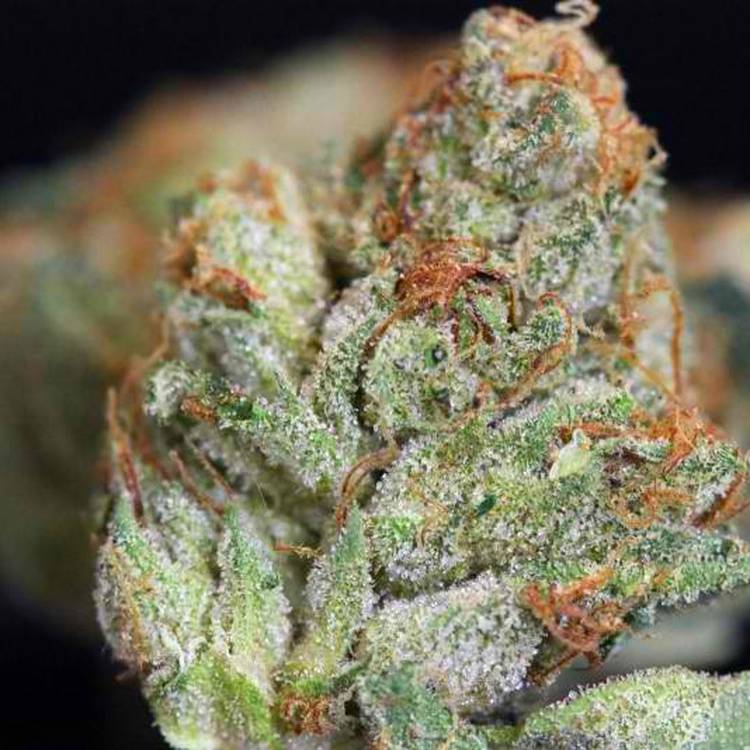
Yoda’s Brain features dense, mossy-green buds coated with a generous layer of trichomes, giving it a frosty appearance. Bright orange pistils thread through the buds, providing a vibrant contrast. The strain’s structure is compact, indicative of its indica dominance, but with a slight looseness that reflects its sativa genetics.
Chemical Composition and Terpene Profile
Understanding Yoda’s Brain’s chemical makeup provides insight into its effects and medical applications. The primary cannabinoids and terpenes present in this strain include:
Cannabinoid Profile
- THC: Yoda’s Brain typically boasts THC levels ranging from 18% to 25%, delivering potent psychoactive effects.
- CBD: The strain contains low CBD levels (<1%), making it less suitable for conditions requiring high-CBD treatments.
- CBG: Trace amounts of cannabigerol (CBG) are often present, contributing to anti-inflammatory properties.
Terpene Profile
- Myrcene: Dominant in this strain, myrcene contributes to its earthy and musky aroma while enhancing sedative effects.
- Limonene: This terpene adds a citrusy zest and may promote stress relief and mood enhancement.
- Caryophyllene: Known for its spicy, peppery notes, caryophyllene offers anti-inflammatory benefits and interacts with the body’s endocannabinoid system.
- Pinene: A secondary terpene, pinene lends a hint of pine freshness and may enhance focus and memory.
Aroma and Flavor Profile
The sensory experience of Yoda’s Brain is a highlight for many users. Its aroma is a blend of earthy, woody, and citrusy notes with undertones of spice and herbs. When smoked or vaporized, the flavor profile mirrors its aroma, offering a smooth inhale with hints of pine, lemon, and pepper, followed by a subtly sweet aftertaste.
Recreational Uses
Yoda’s Brain is highly sought after for its unique balance of uplifting and relaxing effects. Recreational users appreciate this strain for various scenarios:
Mental Stimulation
- Creativity Boost: The sativa influence of Yoda’s Brain makes it an excellent choice for artistic endeavors or brainstorming sessions. Users often report enhanced creativity and innovative thinking.
- Focus Enhancement: In moderate doses, this strain can improve concentration, making it suitable for activities that require sustained mental effort.
Relaxation and Stress Relief
- Physical Relaxation: As the high progresses, the indica effects dominate, providing a soothing body high that melts away tension.
- Social Situations: Yoda’s Brain’s balanced effects make it a favorite for gatherings, as it promotes a relaxed yet engaged demeanor.
Evening Use
While the initial cerebral effects can be stimulating, the strain’s eventual sedative qualities make it perfect for improving a peaceful evening at home or relaxing after a long day.
Medical Applications
The medical potential of Yoda’s Brain lies in its ability to address a variety of physical and mental health conditions. Below are some of its most notable therapeutic uses:

Mental Health Benefits
- Anxiety and Stress: The limonene and myrcene in Yoda’s Brain work synergistically to alleviate stress and promote relaxation. Patients with generalized anxiety disorder (GAD) or situational stress often find relief with this strain.
- Depression: The uplifting cerebral effects can help combat depressive symptoms by enhancing mood and promoting a sense of well-being.
- PTSD: Some users with post-traumatic stress disorder report reduced intrusive thoughts and improved emotional stability.
Pain Management
- Chronic Pain: Yoda’s Brain’s high THC content and caryophyllene’s anti-inflammatory properties make it effective for treating long-term pain disorders like neuropathy, fibromyalgia, and arthritis.
- Migraines: The combination of mental relaxation and physical relief can ease migraine symptoms for some patients.
Sleep Disorders
- Insomnia: The strain’s sedative effects make it an excellent option for patients struggling with sleep onset or maintenance insomnia. The gradual transition from mental stimulation to full-body relaxation helps facilitate restful sleep.
Appetite Stimulation
- Anorexia and Cachexia: Like many high-THC strains, Yoda’s Brain can stimulate appetite, making it beneficial for those suffering from eating disorders or receiving chemotherapy.
Neurological Conditions
- Multiple Sclerosis (MS): The muscle-relaxing properties of this strain may alleviate spasticity and discomfort associated with MS.
- Epilepsy: While low in CBD, the strain’s entourage effect might provide supplementary benefits for seizure management when combined with high-CBD treatments.
Scientific Basis of Effects
The effects of Yoda’s Brain are rooted in its interaction with the endocannabinoid system (ECS), a sophisticated cell-signaling system that keeps the body in a state of homeostasis. Key mechanisms include:
THC and CB1 Receptors
THC’s psychoactive effects arise from its binding to CB1 receptors in the brain. This interaction influences mood, perception, and appetite while contributing to pain relief and relaxation.
Entourage Effect
The combined action of cannabinoids and terpenes—known as the entourage effect—enhances the strain’s therapeutic potential. For instance:
- Myrcene amplifies THC’s sedative properties.
- Caryophyllene’s dual role as a terpene and cannabinoid enhances anti-inflammatory effects.
Methods of Ingestion, Duration, Onset, and Effects
To better understand the experience Yoda’s Brain cannabis strain offers, here’s a detailed breakdown of its methods of ingestion, onset, duration, and effects.
Methods of Ingestion
Each ingestion method impacts the bioavailability of cannabinoids and terpenes, influencing how quickly and intensely effects manifest.
Smoking: Combustion releases cannabinoids and terpenes into inhalable smoke. Onset occurs within 1–5 minutes, with effects lasting 1.5–3 hours. Smoking provides immediate effects, allowing precise dosing, but may irritate the lungs.
Vaporization: Heating cannabis to release cannabinoids and terpenes without combustion offers a rapid onset of 1–5 minutes and effects lasting 1.5–3 hours. This method preserves more terpenes and cannabinoids with reduced respiratory risk.
Edibles: Absorbed through the digestive system, THC is metabolized into the potent 11-hydroxy-THC. Onset takes 30–90 minutes, effects peak after 2–4 hours, and last 4–8 hours. Edibles are long-lasting but challenging to dose due to delayed onset.
Tinctures/Sublingual Drops: Absorbed through mucous membranes under the tongue, bypassing liver metabolism, onset occurs in 15–45 minutes, with effects lasting 2–5 hours. This method offers faster onset than edibles and precise dosing.
Topicals: Applied to the skin, cannabinoids interact with CB2 receptors, providing localized effects without psychoactivity. Onset occurs in 15–30 minutes, lasting 2–4 hours. Topicals are ideal for targeted pain relief and inflammation.
Duration and Onset of Effects
The timing and intensity of Yoda’s Brain’s effects depend on ingestion method: smoking and vaporization onset in 1–5 minutes with effects peaking at 20–30 minutes and lasting 1.5–3 hours. Edibles onset in 30–90 minutes, peak after 2–4 hours, and last 4–8 hours. Sublingual tinctures onset in 15–45 minutes, peaking at 1–2 hours, with effects lasting 2–5 hours. Topicals provide localized effects with onset in 15–30 minutes lasting 2–4 hours.
Effects
Initial Onset: The high begins with cerebral stimulation, enhanced focus, creativity, and uplifted mood, thanks to Yoda’s Brain’s sativa-like properties. Stress relief occurs as limonene and THC synergize to promote mental clarity.
Peak Effects: Full-body relaxation sets in, aided by myrcene’s sedative properties. Pain relief becomes noticeable due to caryophyllene’s anti-inflammatory action, while the psychoactive high stimulates appetite.
Final Stages: Sedative effects deepen, inducing tranquility or couch-lock at higher doses, making this strain ideal for sleep disorders or unwinding. THC stimulates hunger, activating appetite-regulating receptors in the hypothalamus.
Mechanisms Behind Onset and Duration
Smoking and Vaporization: Cannabinoids absorbed through alveoli in the lungs enter the bloodstream quickly, leading to almost immediate effects. These methods produce a shorter high compared to edibles due to faster metabolism.
Edibles: THC is converted into 11-hydroxy-THC in the liver, a metabolite with stronger psychoactive properties. This accounts for the delayed onset but longer duration as cannabinoids bind to CB1 and CB2 receptors for extended periods.
Tinctures: Sublingual absorption bypasses the digestive system, allowing faster onset compared to edibles. This method provides a middle ground between smoking and oral ingestion in terms of timing and intensity.
Topicals: Cannabinoids interact locally with CB2 receptors in the skin, delivering therapeutic benefits without entering the bloodstream or causing psychoactive effects.
Factors Influencing Duration and Onset
Metabolism plays a key role in determining how quickly cannabinoids are processed. Regular cannabis users with higher tolerance may experience shorter and less intense effects. Body fat influences THC retention, as it binds to fat cells, potentially prolonging its presence in the system. Dosage also affects duration, with higher doses leading to stronger and longer-lasting effects. Terpenes like myrcene enhance THC absorption, contributing to faster onset and stronger sedative effects.
Methods of Cultivation
Yoda’s Brain cannabis strain requires specific cultivation practices to optimize its yield, potency, and terpene profile. Below is a detailed guide to the scientific principles behind its cultivation, including environmental needs, growing techniques, and potential challenges.
Ideal Growing Conditions

Temperature and Humidity:
- Vegetative Stage: Yoda’s Brain thrives in temperatures between 70–85°F (21–29°C) with a relative humidity (RH) of 40–70%. Higher humidity during this phase promotes faster growth but requires close monitoring to prevent mold or mildew.
- Flowering Stage: Optimal temperatures are 65–80°F (18–26°C) with a lower RH of 30–50%. Reducing humidity minimizes the risk of bud rot as dense flowers develop.
Lighting Requirements:
- During the vegetative stage, the plant requires 18–24 hours of light daily to stimulate growth. High-intensity discharge (HID) lights or full-spectrum LED lights with 400–700 nm wavelengths are ideal for supporting photosynthesis.
- In the flowering stage, the plant needs 12 hours of light and 12 hours of darkness to trigger bud production. Red-spectrum lights (600–700 nm) during this phase enhance yield and resin production.
Soil or Hydroponics:
- Soil: A well-draining, nutrient-rich soil with a pH of 6.0–7.0 is suitable for Yoda’s Brain. Organic additives like compost or worm castings improve microbial activity, supporting root health and terpene expression.
- Hydroponics: Growing in hydroponic systems (e.g., Deep Water Culture, drip irrigation) allows precise control over nutrients and pH, resulting in faster growth and higher yields. The ideal pH for hydroponic systems is slightly lower, between 5.5–6.5.
Nutrient Requirements
Macronutrients:
- Nitrogen (N): Essential during the vegetative phase for leaf and stem development.
- Phosphorus (P): Required during flowering to support bud formation and resin production.
- Potassium (K): Vital throughout the growth cycle to enhance overall plant health and resistance to stress.
Micronutrients:
- Calcium, magnesium, and sulfur are critical for enzyme activation and photosynthesis.
- Supplementing with chelated micronutrients prevents deficiencies, especially in hydroponic systems.
Feeding Schedule:
- Vegetative Stage: Use nutrient formulations with a higher nitrogen ratio, such as NPK 3-1-2 or 4-2-3.
- Flowering Stage: Transition to phosphorus-heavy formulations, such as NPK 1-4-5 or 2-5-7, to encourage bud growth and terpene development.
Training and Pruning Techniques
Low-Stress Training (LST): Bending and tying down branches improve light penetration and airflow, encouraging even canopy growth. This method maximizes yields without stressing the plant.
Topping and Fimming: Removing the main growth tip (topping) or partially cutting it (fimming) encourages lateral growth, resulting in multiple colas and higher yields.
Defoliation: Strategic removal of fan leaves improves light penetration and airflow around the buds, reducing the risk of mold and mildew in the dense flowers of Yoda’s Brain.
Screen of Green (ScrOG): Using a horizontal screen to train branches ensures an even canopy and maximizes light distribution. This is particularly effective in indoor setups for strains like Yoda’s Brain with compact growth habits.
Growth Cycle Stages
Germination: Seeds should be germinated in a warm, dark environment with consistent moisture. Usually, this process takes three to seven days.
Seedling Stage: Young plants require high humidity (60–70%) and mild lighting. A balanced nutrient solution with low nitrogen is ideal at this stage.
Vegetative Stage: Lasting 4–8 weeks, the plant develops its structure and foliage. Maintain consistent watering and nutrient feeding during this period.
Flowering Stage: Typically lasts 8–10 weeks. Monitor humidity closely, as Yoda’s Brain produces dense buds prone to mold. Introducing UV-B lighting in this phase can enhance trichome production.
Harvesting: Monitor trichomes with a magnifier or microscope. Harvest when trichomes are mostly cloudy with a few amber heads for optimal potency and effects.
Pest and Disease Management
Common Pests:
- Spider Mites: Regularly inspect leaves for webbing and stippling. Neem oil or insecticidal soap can prevent infestations.
- Aphids: These pests can stunt growth by sucking sap. Biological controls like ladybugs or lacewings are effective.
- Fungus Gnats: Overwatering often leads to these pests. Allow soil to dry between waterings and use sticky traps to monitor infestations.
Disease Prevention:
- Powdery Mildew: Maintain airflow and avoid high humidity to prevent fungal growth. Apply sulfur-based sprays as a preventive measure.
- Root Rot: Avoid overwatering and make sure drainage is adequate. In hydroponics, maintain oxygenation in the water.
Advanced Cultivation Techniques
CO₂ Enrichment: Increasing CO₂ levels to 1000–1500 ppm during the vegetative and early flowering stages enhances photosynthesis, leading to faster growth and larger yields.
Lighting Intensity Management: Adjust light intensity to provide 700–900 µmol/m²/s of Photosynthetic Photon Flux Density (PPFD) during flowering for optimal growth without photobleaching.
Flushing: Two weeks before harvest, flush the growing medium with plain water to remove residual nutrients. This enhances the flavor and smoothness of the final product by reducing excess salts.
Hydroponics Cultivation for Yoda’s Brain
Hydroponics is an advanced growing technique that replaces soil with a nutrient-enriched water solution. It allows precise control over the plant’s nutrient intake and growing environment, leading to faster growth, higher yields, and enhanced potency.
Hydroponic Systems
- Deep Water Culture (DWC):
- Plants are suspended in net pots above a reservoir filled with oxygenated nutrient solution.
- Advantages: Easy setup, rapid growth due to constant access to nutrients and oxygen.
- Challenges: Requires constant monitoring of pH, nutrient levels, and oxygenation.
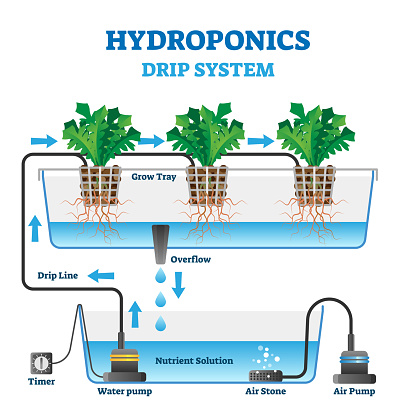
- Drip Irrigation:
- Drip emitters are used to deliver nutrient solution straight to each plant’s base.
- Advantages: Precise nutrient delivery, low water waste.
- Challenges: Risk of clogging in the emitters, regular cleaning required.
- Ebb and Flow (Flood and Drain):
- Nutrient solution periodically floods the plant roots, then drains back into a reservoir.
- Advantages: Encourages oxygenation of roots during the draining phase.
- Challenges: Requires reliable pumps and timers to prevent overwatering or drying out.
- Nutrient Film Technique (NFT):
- Plants sit on a sloped tray with a thin film of nutrient solution constantly flowing over the roots.
- Advantages: Minimal water and nutrient use, efficient oxygenation.
- Challenges: Suitable for smaller plants; may not support the weight of large, dense Yoda’s Brain buds.
Nutrient Management
- Use hydroponic-specific nutrient solutions to prevent blockages and ensure balanced feeding.
- Monitor electrical conductivity (EC) to ensure the nutrient concentration is within the ideal range:
- Vegetative stage: 1.0–1.5 EC.
- Flowering stage: 1.6–2.0 EC.
- Adjust pH levels to 5.5–6.5 for optimal nutrient uptake. As necessary, use pH-up or pH-down solutions.
Environmental Controls
- Reservoir Temperature: Maintain water temperature between 65–70°F (18–21°C) to prevent root rot and promote oxygen retention.
- Oxygenation: Use air stones or pumps to keep the nutrient solution oxygen-rich, preventing anaerobic conditions.
- Lighting: Full-spectrum LEDs are ideal, as they generate less heat and maintain stable temperatures.
Hydroponic Advantages for Yoda’s Brain
- Increased growth as a result of better nutrient delivery.
- Enhanced trichome production, as stressors like light intensity can be finely controlled.
- Higher yields with compact plants, ideal for Yoda’s Brain’s dense, resinous buds.
Pest Control for Yoda’s Brain
Pest management in cannabis cultivation requires an integrated approach combining prevention, monitoring, and targeted treatments.
Common Pests and Solutions
- Spider Mites:
- Signs: Fine webbing on leaves, yellow or white stippling.
- Prevention: Maintain low humidity (30–50%) and adequate airflow.
- Treatment: Neem oil sprays, predatory mites (Phytoseiulus persimilis), or pyrethrin-based insecticides.
- Aphids:
- Signs: Clusters of small, pear-shaped insects on stems or undersides of leaves; honeydew secretion.
- Prevention: Introduce beneficial insects like ladybugs or lacewings early in the growing season.
- Treatment: Spray plants with a mix of water and insecticidal soap; ensure thorough coverage.
- Fungus Gnats:
- Signs: Small black flies around the base of plants; larvae in soil or hydroponic medium.
- Prevention: Avoid overwatering and allow the topsoil to dry out between waterings.
- Treatment: Apply Bacillus thuringiensis israelensis (BTI) to water or use sticky traps to catch adult gnats.
- Whiteflies:
- Signs: Tiny white insects that fly up when plants are disturbed; sticky residue on leaves.
- Prevention: Install reflective mulch or yellow sticky traps to deter and monitor.
- Treatment: Apply insecticidal oils like horticultural oil or neem oil.
Disease Prevention
- Powdery Mildew:
- Signs: White, powdery spots on leaves and buds.
- Prevention: Maintain low humidity and ensure proper air circulation.
- Treatment: Use potassium bicarbonate sprays or sulfur-based fungicides.
- Bud Rot (Botrytis):
- Signs: Gray or brown mold within dense buds.
- Prevention: Avoid high humidity during flowering; prune excess foliage for airflow.
- Treatment: Remove infected buds immediately and treat with biofungicides like Trichoderma harzianum.
Integrated Pest Management (IPM)
IPM combines proactive measures with targeted treatments to minimize pest outbreaks:
- Cultural Controls: Rotate crops, sanitize equipment, and quarantine new plants before introducing them to the grow area.
- Biological Controls: Release predatory insects or beneficial fungi to maintain a natural balance in the grow environment.
- Chemical Controls: Use organic or cannabis-approved pesticides and fungicides as a last resort. Always follow manufacturer guidelines to prevent contamination.
Yield Expectations
Indoor Cultivation: Yields typically range from 14–18 ounces per square meter, depending on the training techniques and environmental control.
Outdoor Cultivation: Plants can produce 18–22 ounces per plant under optimal conditions with adequate sunlight and space.
Potential Side Effects
Like all cannabis strains, Yoda’s Brain may produce side effects, especially when consumed in high doses. These include:
- Dry Mouth and Eyes: Staying hydrated and using moisturizing eye drops can mitigate these effects.
- Dizziness: Overconsumption may lead to lightheadedness, particularly in novice users.
- Paranoia and Anxiety: Individuals sensitive to THC may experience heightened anxiety or paranoia.
Comparisons with Similar Strains
Yoda’s Brain shares similarities with other hybrid strains, making it a point of comparison for cannabis enthusiasts:
- OG Kush: While both strains offer relaxation, Yoda’s Brain provides a more pronounced cerebral high.
- Gorilla Glue #4: Known for its potency, GG4’s effects are heavier, while Yoda’s Brain offers a balanced experience.
- Blue Dream: Both strains promote creativity, but Yoda’s Brain leans more toward sedation as the high progresses.
Conclusion
Yoda’s Brain is a versatile hybrid cannabis strain celebrated for its potent effects, therapeutic benefits, and rich sensory profile. Whether sought after for recreational use or medical purposes, this strain offers something for everyone. With its unique balance of indica and sativa characteristics, Yoda’s Brain stands out as a wise choice for those seeking a blend of mental clarity and physical relaxation.
For those looking to explore Yoda’s Brain, it’s essential to start with a low dose and progressively raise to achieve the ideal equilibrium. As with all cannabis use, consulting with a healthcare professional is recommended for medical applications.
For a complete directory of cultivars, visit our Cannabis Strain Reviews.
