Table of Contents
Willy’s Wonder, also known as “William’s Wonder,” is a legendary indica-dominant cannabis strain that has captivated users with its potent effects, unique flavor profile, and diverse applications. This strain is a cornerstone in the cannabis world, revered for its heritage and well-rounded qualities. Below, we’ll delve into its origins, genetics, appearance, aroma, effects, medical applications, recreational uses, and scientific insights to provide a detailed understanding of Willy’s Wonder.
Origins and Genetics
Willy’s Wonder is a classic indica-dominant strain with origins tracing back to the 1980s. It was bred by the Seed Bank, a pioneering cannabis breeding organization based in the Netherlands, which later evolved into Sensi Seeds. Willy’s Wonder is believed to be a pure Afghani landrace, making it part of the foundational genetics for many modern indica strains.
The strain’s genetic lineage offers a robust profile with typical indica traits, including short flowering times, dense buds, and high resin production. While the exact genetic composition remains a closely guarded secret, its Afghani roots contribute significantly to its earthy, citrusy flavor and calming effects.
Appearance
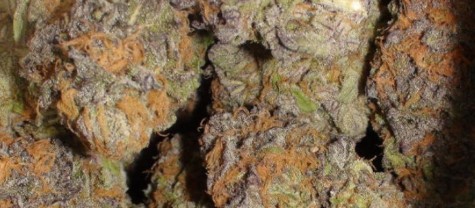
Willy’s Wonder is visually striking, with buds that are compact and densely packed—a hallmark of indica strains. The buds are typically a vibrant green with hues of yellow and orange, accented by an abundance of orange pistils. A thick layer of frosty trichomes covers the surface, giving it a sparkling, crystalline appearance. This heavy trichome presence not only enhances its aesthetic appeal but also indicates its potency.
Aroma and Flavor Profile
The aroma of Willy’s Wonder is a delightful blend of citrus and earthiness, complemented by subtle hints of pine and sweetness. When the buds are broken apart, a more pungent and skunky scent emerges, indicative of its Afghani lineage.
On the palate, Willy’s Wonder offers a complex flavor experience. Users often describe its taste as a mix of:
- Citrus: A bright, tangy note that invigorates the senses.
- Earthy: A grounding flavor that adds depth.
- Sweet: A sugary undertone that balances the overall profile.
- Herbal and Piney: Subtle flavors that add a refreshing touch.
Cannabinoid and Terpene Profile
Cannabinoid Content
- THC: Willy’s Wonder typically boasts a THC content ranging from 17% to 26%, making it a strong strain appropriate for long-term users.
- CBD: This strain has low CBD levels, generally less than 1%, which means its effects are predominantly psychoactive.
- Minor Cannabinoids: Small amounts of CBG, CBC, and THCV may also be present, contributing to its therapeutic potential.
Terpenes
The terpene profile of Willy’s Wonder enhances its aroma, flavor, and effects. Key terpenes include:
- Myrcene: Known for its sedative properties, myrcene contributes to the strain’s calming effects and earthy flavor.
- Limonene: Adds a citrusy aroma and can uplift mood.
- Caryophyllene: Provides a spicy, peppery note and has anti-inflammatory properties.
- Pinene: Imparts a pine-like freshness and may aid in respiratory function.
Effects and Psychoactivity
Willy’s Wonder is renowned for its powerful effects, which are predominantly calming and sedative due to its indica-dominance. Users often describe the experience as deeply relaxing, making it ideal for unwinding after a stressful day or achieving restful sleep.
Onset and Duration
- Onset: The effects typically begin within minutes of consumption, starting with a gentle cerebral euphoria that uplifts mood and clears the mind.
- Peak: As the high intensifies, the physical relaxation becomes more pronounced, often leading to a state of couch-lock.
- Duration: The effects can last between 2 to 4 hours, depending on dosage and individual tolerance.
Primary Effects
- Euphoria: A light, uplifting sensation that enhances mood.
- Relaxation: Deep physical relaxation that can relieve tension and stress.
- Sedation: In higher doses, it induces sleepiness, making it ideal for nighttime use.
- Creativity: Some users report enhanced creativity and introspection during the initial stages of the high.
Medical Applications
Willy’s Wonder has garnered significant attention in the medical cannabis community for its ability to alleviate a variety of conditions. Its potent effects, coupled with its rich cannabinoid and terpene profile, make it a versatile therapeutic option.
Pain Relief
The strain’s high THC content and myrcene levels make it effective for managing chronic pain conditions, including:
- Arthritis
- Fibromyalgia
- Migraines
- Muscle spasms
Sleep Disorders
Willy’s Wonder’s sedative effects are particularly beneficial for individuals suffering from insomnia or disrupted sleep patterns. Its ability to relax both mind and body facilitates a deep and restful sleep.
Stress and Anxiety
The strain’s euphoric and calming properties help reduce symptoms of stress, anxiety, and depression. However, individuals with low THC tolerance should approach cautiously to avoid potential exacerbation of anxiety.
Appetite Stimulation
Willy’s Wonder is known to induce a strong case of the “munchies,” making it a valuable option for patients experiencing appetite loss due to conditions like cancer, HIV/AIDS, or eating disorders.

Nausea and Gastrointestinal Issues
The antiemetic properties of Willy’s Wonder can alleviate nausea and vomiting, particularly for patients undergoing chemotherapy or dealing with gastrointestinal disorders.
Recreational Uses
For recreational users, Willy’s Wonder offers a profoundly relaxing and enjoyable experience. Its balanced effects make it suitable for various activities and situations.
Leisure and Relaxation
The strain’s calming effects make it perfect for unwinding after a long day. Users often enjoy it while watching movies, listening to music, or engaging in low-energy hobbies.
Social Settings
In moderate doses, Willy’s Wonder can enhance sociability and mood, making it a good choice for small gatherings or intimate settings.
Creative Activities
Some users find the initial cerebral euphoria inspires creativity, making it suitable for artistic pursuits such as writing, painting, or brainstorming.
Nighttime Use
Due to its sedative qualities, Willy’s Wonder is ideal for nighttime use, helping users transition into a relaxed state and get ready to go to sleep.
Scientific Insights
Pharmacology
The effects of Willy’s Wonder are primarily driven by its interaction with the endocannabinoid system (ECS). THC binds to CB1 receptors in the brain, producing psychoactive effects, while terpenes modulate these effects through the entourage effect.
Neuroprotective Potential
Preliminary research suggests that strains like Willy’s Wonder, with high THC and myrcene content, may have neuroprotective properties. These effects could potentially benefit conditions such as Alzheimer’s and Parkinson’s diseases.
Anti-Inflammatory Properties
The presence of caryophyllene, a terpene that acts as a CB2 receptor agonist, contributes to the strain’s anti-inflammatory effects. This makes it a promising option for inflammatory conditions like arthritis and Crohn’s disease.
Analgesic Effects
The synergistic action of THC, myrcene, and caryophyllene enhances the strain’s ability to relieve pain, promoting its application in the treatment of chronic pain.
Appetite Regulation
THC’s interaction with CB1 receptors in the hypothalamus stimulates appetite, which is beneficial for patients with appetite loss.
Methods of Ingestion
1. Smoking
- Description: Smoking involves inhaling combusted flower material through a joint, pipe, or bong.
- Onset: 1–5 minutes.
- Duration: 1.5–3 hours.
- Absorption: THC is absorbed directly into the bloodstream via the lungs, providing a rapid onset.
- Advantages: Quick effects, precise dose control, and no need for special equipment beyond the basics.
- Disadvantages: Potential respiratory irritation from smoke and incomplete combustion.
2. Vaping
- Description: Heating the cannabis flower or concentrate to release cannabinoids as vapor without combustion.
- Onset: 1–3 minutes.
- Duration: 2–4 hours.
- Absorption: Like smoking, vaping delivers THC and other cannabinoids directly into the bloodstream through the lungs.
- Advantages: Fewer harmful byproducts compared to smoking, better flavor retention, and temperature control.
- Disadvantages: Requires a vaporizer and may involve an upfront investment.
3. Edibles
- Description: Consuming cannabis-infused food or beverages.
- Onset: 30 minutes to 2 hours (depending on metabolism and individual tolerance).
- Duration: 4–8 hours (sometimes longer for higher doses or individuals with slower metabolisms).
- Absorption: THC is processed by the liver into 11-hydroxy-THC, a more potent and longer-lasting metabolite.
- Advantages: Discreet, long-lasting effects, and no respiratory impact.
- Disadvantages: Delayed onset makes dosing challenging, risk of overconsumption, and effects may be more intense.
4. Sublingual (Tinctures and Oils)
- Description: Applying cannabis extracts under the tongue for direct absorption into the bloodstream.
- Onset: 10–15 minutes.
- Duration: 2–6 hours.
- Absorption: Cannabinoids are absorbed through the mucous membranes in the mouth.
- Advantages: Rapid onset, discreet use, and precise dosing.
- Disadvantages: Some users dislike the taste or texture.
5. Topicals
- Description: Cannabis-infused creams, balms, or transdermal patches applied directly to the skin.
- Onset: 15–30 minutes for localized effects.
- Duration: 2–6 hours.
- Absorption: Cannabinoids interact with local CB1 and CB2 receptors in the skin but do not usually enter the bloodstream.
- Advantages: Non-psychoactive (unless using transdermal patches with THC) and ideal for localized pain or inflammation.
- Disadvantages: Limited to surface or localized effects.
6. Dabbing
- Description: Inhaling vaporized cannabis concentrates using a dab rig or e-nail.
- Onset: Instant (1–3 minutes).
- Duration: 2–4 hours.
- Absorption: High concentrations of THC are absorbed rapidly through the lungs.
- Advantages: Extremely potent and efficient; ideal for high-tolerance users.
- Disadvantages: May be too intense for novice users and requires specialized equipment.
Onset and Duration of Effects
| Method | Onset | Peak Effects | Duration |
|---|---|---|---|
| Smoking | 1–5 minutes | 30–60 minutes | 1.5–3 hours |
| Vaping | 1–3 minutes | 30–90 minutes | 2–4 hours |
| Edibles | 30–120 minutes | 2–4 hours | 4–8 hours (or more) |
| Sublingual | 10–15 minutes | 1–2 hours | 2–6 hours |
| Topicals | 15–30 minutes | Localized effects | 2–6 hours |
| Dabbing | 1–3 minutes | 30–90 minutes | 2–4 hours |
Effects of Willy’s Wonder
Physiological Effects
- Relaxation: Profound muscle relaxation due to high THC content and the myrcene terpene.
- Pain Relief: Effective for chronic pain, thanks to its interaction with CB1 and CB2 receptors.
- Sedation: Ideal for insomnia or promoting deep sleep.
- Appetite Stimulation: THC activates the hypothalamus, leading to increased appetite (the “munchies”).
- Dry Mouth and Eyes: Common side effects from reduced moisture production by salivary and tear glands.
Psychological Effects
- Euphoria: THC triggers dopamine release, enhancing mood and creating a sense of happiness.
- Stress and Anxiety Relief: The calming effects of the strain reduce overactivity in the amygdala (a part of the brain linked to stress and fear).
- Creativity: Initial cerebral stimulation can inspire creative thought, though it transitions into sedation with higher doses.
- Impaired Cognition: Temporary short-term memory issues and slower reaction times due to THC effects on the hippocampus and prefrontal cortex.
Scientific Mechanisms Behind Effects
1. Engagement with the ECS (Endocannabinoid System)
- CB1 Receptors: Located primarily in the brain and central nervous system, CB1 receptors mediate psychoactive effects. THC binds to these receptors, producing euphoria, relaxation, and altered perception.
- CB2 Receptors: Found in the immune system and peripheral tissues, CB2 receptors modulate inflammation and pain relief without psychoactive effects.
2. Role of Terpenes
- Myrcene: Enhances the sedative and relaxing effects of THC.
- Limonene: Provides uplifting and mood-enhancing effects, counteracting potential feelings of heaviness.
- Caryophyllene: Offers anti-inflammatory benefits and acts as a CB2 receptor agonist.
- Pinene: May help counteract THC-induced memory impairment and promote focus.
3. Metabolism of THC
- Inhalation (Smoking/Vaping): THC enters the bloodstream directly via the lungs, resulting in rapid effects.
- Oral Consumption (Edibles): THC is metabolized by the liver into 11-hydroxy-THC, which is more potent and acts for a longer period of time.
- Sublingual: THC bypasses the liver initially, providing effects faster than edibles but slower than inhalation.
Factors Influencing Onset, Duration, and Effects
- Dosage: Higher doses amplify the intensity and duration of effects.
- Individual Tolerance: Regular users may require higher doses to achieve desired effects.
- Metabolism: Faster metabolisms process cannabinoids quicker, reducing onset times.
- Delivery Method: Edibles and sublingual methods lead to longer-lasting effects compared to inhalation.
- Cannabinoid and Terpene Profile: Willy’s Wonder’s high THC and myrcene levels enhance sedation, while limonene and pinene provide uplifting and refreshing undertones.
Cultivation Methods for Willy’s Wonder

1. Environmental Requirements
Willy’s Wonder thrives in controlled environments where growers can optimize temperature, humidity, light, and air circulation.
- Temperature:
- Optimal range: 70–80°F (21–27°C) during the vegetative phase.
- During the flowering stage, slightly cooler temperatures (65–75°F or 18–24°C) can enhance resin production.
- Humidity:
- Vegetative phase: 50–60% relative humidity.
- Flowering phase: 40–50% relative humidity to prevent mold and mildew.
- Light:
- During the vegetative stage, 18–24 hours of light per day are ideal.
- During flowering, switch to a 12/12 light/dark cycle to stimulate bud development.
- Airflow: Proper air circulation prevents hotspots, reduces the risk of mold, and strengthens stems. Use oscillating fans and exhaust systems for optimal airflow.
2. Soil Cultivation
For growers using soil, choosing the right substrate and nutrient profile is critical for a healthy yield.
- Soil Type:
- Soil that is loamy and has adequate aeration and drainage.
- Add perlite or vermiculite to improve drainage and prevent root rot.
- pH Levels:
- Maintain a pH range of 6.0–7.0 for nutrient absorption.
- Regularly test soil pH using a pH meter or test kit.
- Organic Amendments:
- Incorporate compost, worm castings, or bat guano to boost nutrient content naturally.
- Mycorrhizal fungi can improve root development and nutrient uptake.
3. Hydroponic Cultivation
Hydroponics is an advanced cultivation method that allows precise control over nutrient delivery and environmental factors.
- System Types:
- Deep Water Culture (DWC): Roots are suspended in a nutrient-rich water solution.
- Nutrient Film Technique (NFT): Thin layers of nutrient solution flow over the root system.
- Drip Systems: Deliver nutrients directly to the root zone in controlled amounts.
- Nutrient Solution:
- Use balanced NPK (Nitrogen-Phosphorus-Potassium) ratios for each growth stage.
- Vegetative Stage: High nitrogen (e.g., 3:1:2).
- Flowering Stage: Higher phosphorus and potassium (e.g., 1:3:4).
- Add micronutrients such as iron, calcium, and magnesium.
- Use balanced NPK (Nitrogen-Phosphorus-Potassium) ratios for each growth stage.
- Monitoring Parameters:
- EC/TDS: Electrical conductivity or total dissolved solids should be checked to ensure proper nutrient concentrations.
- pH: Hydroponic systems require a pH range of 5.5–6.5.
4. Indoor Cultivation
Indoor setups allow precise control over environmental factors and year-round growing.
- Grow Lights:
- LED Lights: Energy-efficient and customizable spectrums for different growth stages.
- HID Lights: High-intensity discharge lights, including MH (Metal Halide) for vegetative growth and HPS (High-Pressure Sodium) for flowering.
- Grow Mediums:
- Coco coir, Rockwool, or perlite-based mediums can be alternatives to soil in indoor setups.
- Training Techniques:
- Low-Stress Training (LST): Gently bending stems to create an even canopy for better light distribution.
- Topping and FIMing: Removing the main growth tip to encourage lateral growth and multiple colas.
- Screen of Green (ScrOG): Using a screen to guide plant growth and maximize light exposure.
5. Outdoor Cultivation
For outdoor growers, Willy’s Wonder benefits from a warm, sunny, and dry climate.
- Planting Time:
- Plant outdoors after the last frost in spring.
- Harvest typically occurs in late September to early October, depending on local climate conditions.
- Soil Preparation:
- Enrich the planting area with organic compost and well-rotted manure.
- Check for nutrient deficiencies in the soil and make the necessary amendments.
- Pest and Disease Management:
- Use organic pest control methods, such as neem oil, to combat pests like aphids and spider mites.
- Companion planting (e.g., marigolds) can deter harmful insects.
- Watering:
- Water deeply but infrequently to promote deep root growth.
- Mulch helps control temperature and hold onto soil moisture.
6. Advanced Cultivation Techniques
- Sea of Green (SOG):
- This technique involves growing many small plants close together to create a dense canopy. It accelerates the flowering process and maximizes yields in smaller spaces.
- Tissue Culture Propagation:
- A method for propagating cannabis plants using sterile lab techniques. It ensures genetic consistency and disease-free plants.
- LED Spectrum Tuning:
- Adjusting the light spectrum for different stages of growth can optimize photosynthesis and cannabinoid production.
- Automated Systems:
- Utilize automated irrigation, climate control, and nutrient delivery systems for large-scale grows. This reduces labor and improves consistency.
7. Harvesting and Post-Harvest Care
Proper timing and handling during harvest are crucial to maintaining potency and flavor.
- Trichome Monitoring:
- To check the color of the trichomes, use a microscope or magnifying glass. Harvest when trichomes are mostly milky with a few turning amber for a balanced effect.
- Drying:
- Hang buds in a dark, ventilated space at 60°F (15°C) and 60% humidity for 7–10 days.
- Curing:
- To release moisture, place dried buds in airtight jars and open them every day for the first week. Over the course of several weeks, this process intensifies flavor and potency.
Potential Side Effects
While Willy’s Wonder offers numerous benefits, users should be aware of potential side effects, particularly when consumed in high doses:
- Dry Mouth and Eyes: Typical adverse effects that eye drops and hydration can help control.
- Dizziness: May occur in individuals with low THC tolerance.
- Paranoia or Anxiety: Rare but possible, especially in inexperienced users.
- Couch-Lock: High doses can lead to extreme sedation, limiting functionality.
Conclusion
Willy’s Wonder remains a celebrated strain in the cannabis community, offering a harmonious blend of potent effects, therapeutic benefits, and unique flavors. Its rich history and versatile applications make it a staple for both medical and recreational users. Whether you’re seeking relief from chronic pain, a remedy for insomnia, or a relaxing way to end your day, Willy’s Wonder delivers an unparalleled experience that continues to stand the test of time.
For a complete directory of cultivars, visit our Cannabis Strain Reviews.
