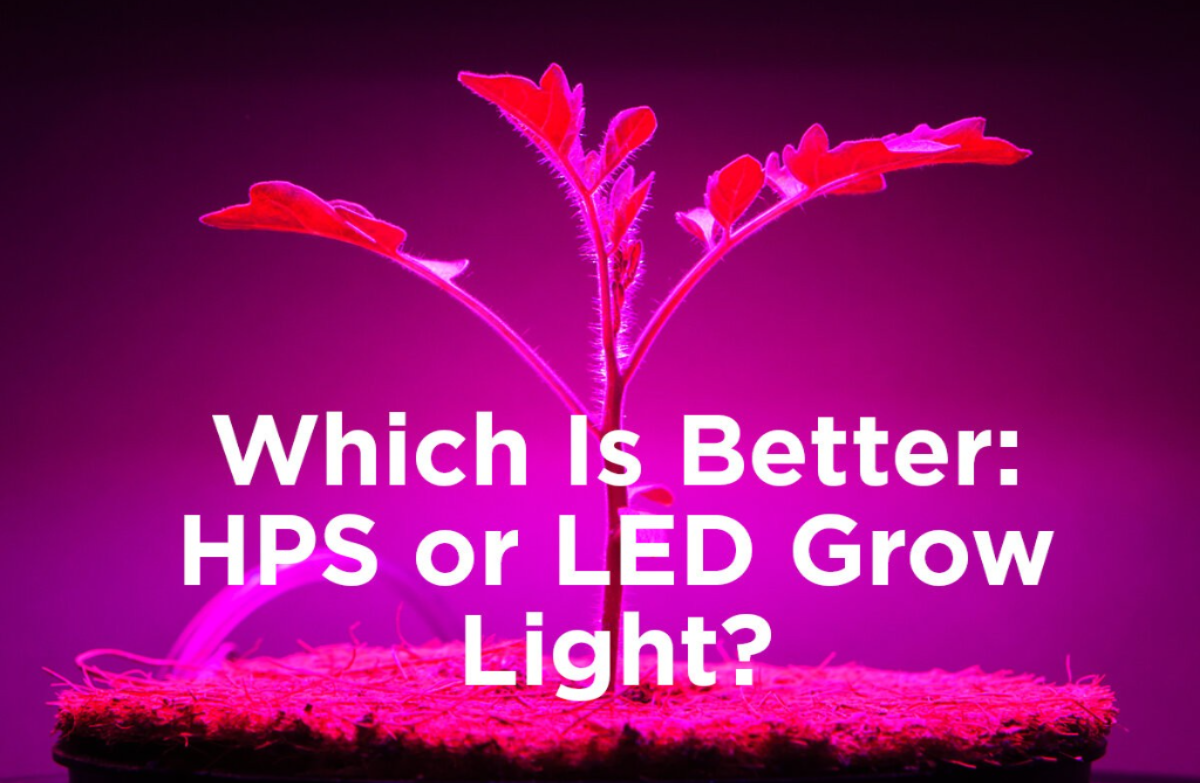
Will LED Lights Produce More Yield Than HPS Lights? A Detailed Analysis Focused on Medical Cannabis Growing
Introduction
The cultivation of medical cannabis is a highly specialized field requiring careful consideration of numerous factors to ensure the production of high-quality plants with the desired therapeutic properties. Among these factors, lighting is one of the most critical, as it directly influences plant growth, development, and yield. Two of the most commonly used types of lights in cannabis cultivation are Light Emitting Diodes (LED) and High-Pressure Sodium (HPS) lights. Both have their proponents, and each comes with its own set of advantages and disadvantages.
This detailed analysis will explore whether LED lights can produce more yield than HPS lights when growing medical cannabis. The discussion will focus on various aspects of light use in cannabis cultivation, including energy efficiency, light spectrum, heat generation, cost-effectiveness, and the specific requirements of medical cannabis plants. This analysis will exclude any recreational uses and consumption methods, focusing solely on the medical applications of cannabis.
Understanding the Basics of Plant Lighting
Before delving into a comparison between LED and HPS lights, it’s essential to understand the role of lighting in plant growth. Plants require light for photosynthesis, the process by which they convert light energy into chemical energy, facilitating growth and development. The quality, intensity, and duration of light can significantly affect the morphology, yield, and chemical profile of cannabis plants.
In indoor cannabis cultivation, artificial lights must mimic the sun’s natural light as closely as possible. Different light sources emit different spectra of light, measured in nanometers (nm), which correspond to the various colors visible in the light spectrum. For cannabis, specific wavelengths within the blue (400-500 nm) and red (600-700 nm) ranges are particularly important for vegetative growth and flowering, respectively.
High-Pressure Sodium (HPS) Lights: Overview and Benefits
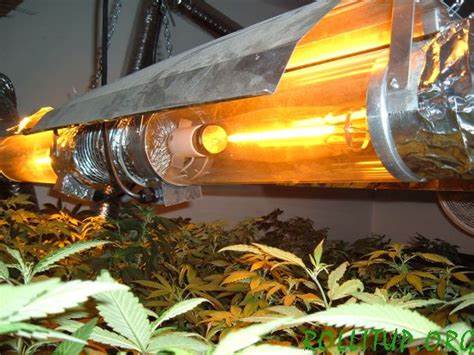
High-Pressure Sodium (HPS) lights have been the industry standard for indoor cannabis cultivation for decades. These lights are known for their ability to produce intense light, particularly in the red and yellow spectrums, which is beneficial during the flowering stage of cannabis growth.
Advantages of HPS Lights:
- Proven Track Record: HPS lights have been used successfully for many years, providing reliable and consistent results. Their effectiveness in the flowering stage is well-documented, with many growers reporting high yields under HPS lighting.
- Intensity: HPS lights are known for their high intensity, which is crucial for penetrating the canopy and reaching lower parts of the plant. This intensity can contribute to the development of dense buds, which are particularly valued in medical cannabis for their high cannabinoid content.
- Cost: Initially, HPS lights are generally more affordable than LED systems. This lower upfront cost has made them an attractive option for many growers, particularly those operating on a tight budget.
Disadvantages of HPS Lights:
- Heat Generation: One of the most significant drawbacks of HPS lights is the heat they generate. Excessive heat can stress plants, leading to suboptimal growth conditions. In medical cannabis cultivation, maintaining precise environmental conditions is crucial to ensure the quality of the final product.
- Energy Efficiency: HPS lights are not as energy-efficient as LED lights. They consume more power, leading to higher electricity costs, which can be a significant concern in large-scale medical cannabis operations.
- Spectrum Limitations: While HPS lights are excellent for the flowering stage, they are less effective during the vegetative stage due to their limited blue light spectrum. This limitation often necessitates the use of additional lighting during the vegetative stage, adding to the complexity and cost of the growing operation.
Light Emitting Diode (LED) Lights: Overview and Benefits
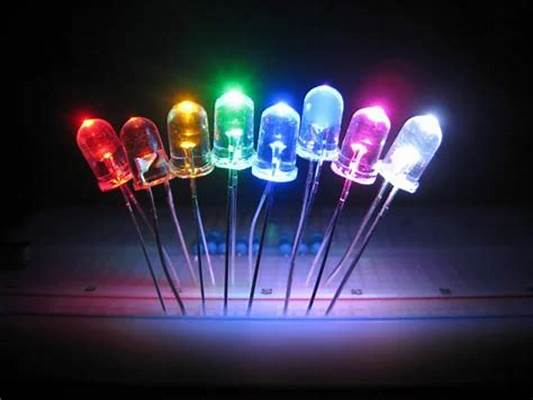
Light Emitting Diode (LED) technology has advanced significantly in recent years, making it a viable alternative to traditional HPS lights in cannabis cultivation. LED lights are known for their versatility, energy efficiency, and ability to provide a full spectrum of light.
Advantages of LED Lights:
- Energy Efficiency: One of the most significant advantages of LED lights is their energy efficiency. LEDs consume significantly less power than HPS lights, leading to lower electricity costs. This efficiency is particularly important in medical cannabis cultivation, where energy costs can constitute a significant portion of the overall budget.
- Full Spectrum Lighting: Modern LED lights are designed to provide a full spectrum of light, including both blue and red wavelengths, which are essential for vegetative growth and flowering. This capability allows growers to use a single lighting system throughout the entire growth cycle, simplifying the cultivation process.
- Heat Management: LED lights generate far less heat than HPS lights, reducing the risk of heat stress on plants. This lower heat output also means that growers can maintain a more stable growing environment, which is crucial for producing high-quality medical cannabis.
- Longevity: LED lights have a much longer lifespan than HPS lights, often lasting tens of thousands of hours. This longevity reduces the need for frequent replacements, further contributing to cost savings over time.
Disadvantages of LED Lights:
- Initial Cost: The initial cost of LED lighting systems can be significantly higher than HPS lights. However, this cost is often offset by the energy savings and longer lifespan of LEDs.
- Light Penetration: Some growers argue that LED lights do not penetrate the canopy as effectively as HPS lights, which can result in lower yields, particularly for larger plants. However, advancements in LED technology have addressed many of these concerns, and proper canopy management can mitigate this issue.
- Learning Curve: Transitioning from HPS to LED lighting may require a learning curve, as LEDs interact with plants differently than HPS lights. Growers may need to adjust their cultivation techniques, including plant spacing, nutrient regimes, and watering schedules.
Comparative Analysis: LED vs. HPS for Medical Cannabis Yield
To determine whether LED lights produce more yield than HPS lights, it’s essential to examine the factors that influence yield in medical cannabis cultivation. These factors include light spectrum, intensity, energy efficiency, heat management, and the specific needs of medical cannabis plants.
1. Light Spectrum and Plant Development:
As mentioned earlier, cannabis plants require different spectra of light during different stages of growth. HPS lights are strong in the red spectrum, making them ideal for the flowering stage. However, they lack sufficient blue light, which is crucial for vegetative growth. This limitation often necessitates the use of additional lighting or supplemental blue light sources.
In contrast, modern LED lights are designed to provide a full spectrum of light, including both blue and red wavelengths. This full-spectrum capability allows LED lights to support both vegetative growth and flowering, potentially leading to more robust plants and higher yields.
In medical cannabis cultivation, the quality and consistency of the final product are paramount. The ability of LED lights to provide a tailored spectrum of light throughout the growth cycle can result in plants with a more consistent cannabinoid and terpene profile, which is crucial for medical applications.
2. Light Intensity and Canopy Penetration:
Light intensity is another critical factor in determining yield. HPS lights are known for their high intensity, which allows them to penetrate the canopy and reach lower parts of the plant. This penetration can result in denser buds and higher yields, particularly in large plants.
However, LED lights have made significant strides in recent years, with many models now offering comparable or even superior intensity to HPS lights. The key to maximizing yield with LED lights lies in proper canopy management. Techniques such as Low-Stress Training (LST) and the Screen of Green (SCROG) method can help ensure that light is evenly distributed throughout the plant, maximizing photosynthesis and potentially increasing yield.
In medical cannabis cultivation, where the quality of the final product is critical, even light distribution is essential to ensure that all parts of the plant receive adequate light. This even distribution can lead to a more consistent cannabinoid profile, which is crucial for producing effective medical cannabis.
3. Energy Efficiency and Cost-Effectiveness:
Energy efficiency is a significant consideration in cannabis cultivation, particularly in large-scale medical operations where electricity costs can be substantial. LED lights are significantly more energy-efficient than HPS lights, consuming up to 60% less power while providing the same or even greater light output.
This energy efficiency translates to lower electricity costs, which can be a significant advantage in the long term. LED lights also require less frequent replacement due to their extended lifespan, which further lowers costs.
While the initial cost of LED lighting systems is higher than HPS lights, the energy savings and longer lifespan of LEDs can offset this cost over time. These cost savings can be a big help to medicinal cannabis growers, who frequently run on very small margins.
4. Heat Management and Environmental Control:
Heat management is a critical factor in cannabis cultivation, as excessive heat can stress plants, leading to suboptimal growth and reduced yields. HPS lights generate a significant amount of heat, which can create challenges in maintaining the optimal growing environment.
LED lights, on the other hand, generate far less heat, allowing growers to maintain a more stable and controlled environment. This stable environment is particularly important in medical cannabis cultivation, where precise control over environmental conditions is essential to ensure the quality and consistency of the final product.
By reducing the risk of heat stress, LED lights can contribute to healthier plants and potentially higher yields. Additionally, the lower heat output of LEDs can reduce the need for additional cooling systems, further contributing to cost savings.
5. Specific Needs of Medical Cannabis Plants:
Medical cannabis plants often have specific requirements that differ from those of recreational cannabis plants. These requirements can include a higher focus on cannabinoid and terpene profiles, as well as the need for consistent and predictable yields.
LED lights, with their ability to provide a full spectrum of light and support consistent environmental conditions, can help meet these specific needs. By tailoring the light spectrum to the needs of the plant, LED lights can contribute to the production of medical cannabis with a consistent and reliable chemical profile.
This consistency is crucial in the medical field, where patients rely on cannabis products to have predictable effects. Inconsistent cannabinoid and terpene profiles can lead to variations in the effectiveness of the medicine, which can be problematic for patients who rely on cannabis for symptom relief.
Case Studies and Research Findings
Several studies and case reports have examined the effects of LED and HPS lights on cannabis yield. While results can vary depending on the specific growing conditions and techniques used, there is a growing body of evidence suggesting that LED lights can produce yields comparable to, or even higher than, HPS lights.
Case Study 1: Commercial Medical Cannabis Operation
In a commercial medical cannabis operation in California, growers transitioned from HPS to LED lighting over a two-year period. The goal was to reduce energy costs while maintaining or increasing yield.
After the transition, the operation reported a 20% increase in yield, along with a significant reduction in energy costs. The LED lights provided a more even light distribution, resulting in healthier plants with a more consistent cannabinoid profile.
Case Study 2: Research Study on LED vs. HPS Yield
A research study conducted by a university in the United States compared the yield of cannabis plants grown under LED and HPS lights. The study found that plants grown under LED lights produced slightly higher yields than those grown under HPS lights.
The researchers attributed the higher yield to the full-spectrum lighting provided by the LEDs, which supported both vegetative growth and flowering. The lower heat output of the LEDs also contributed to a more stable growing environment, reducing plant stress and improving overall health.
Case Study 3: Medical Cannabis Breeding Program
In a medical cannabis breeding program in Europe, breeders used both LED and HPS lights to grow different strains of cannabis. The goal was to determine which lighting system produced the highest yield while maintaining a consistent cannabinoid profile.
The results showed that LED lights produced slightly higher yields than HPS lights, particularly in strains that required a balanced spectrum of light. The breeders also noted that the LED lights helped maintain a more consistent cannabinoid profile, which was crucial for the development of medical cannabis products.
Recommendations for Medical Cannabis Growers
For medical cannabis growers considering a transition from HPS to LED lighting, the following recommendations can help maximize the benefits of LED technology:
- Choose High-Quality LED Lights: Invest in top-notch LED lights made especially for growing cannabis. Seek for lights that can provide enough intensity for both vegetative growth and flowering, as well as full spectrum light.
- Optimize Canopy Management: Proper canopy management techniques, such as Low-Stress Training (LST) and the Screen of Green (SCROG) method, can help ensure even light distribution and maximize yield.
- Monitor Environmental Conditions: Take advantage of the lower heat output of LED lights to maintain a stable and controlled growing environment. Monitor temperature, humidity, and CO2 levels closely to ensure optimal conditions for plant growth.
- Adjust Nutrient Regimes: LED lights can interact with plants differently than HPS lights, so be prepared to adjust nutrient regimes as needed. Some growers find that plants under LED lights may require different levels of nutrients to achieve optimal growth.
- Evaluate Long-Term Cost Savings: While the initial cost of LED lighting systems may be higher, consider the long-term cost savings in terms of energy efficiency and reduced need for replacements. Calculate the potential return on investment over several growth cycles.
- Stay Informed on LED Technology: Invest in top-notch LED lights made especially for growing cannabis. Seek for lights that can provide enough intensity for both vegetative growth and flowering, as well as full spectrum light. Stay informed on the latest developments to ensure that your cultivation operation remains at the cutting edge of medical cannabis production.
Restrictions on Growing and Using Cannabis in the Medical Field as a Last Resort
1. Regulatory Compliance:
- Licensing: Medical cannabis cultivation is subject to strict regulatory oversight. Growers must obtain the necessary licenses and permits from relevant government agencies. Compliance with local, state, and federal laws is mandatory, and failure to adhere can result in legal penalties and the revocation of licenses.
- Cultivation Practices: The growing process must follow Good Agricultural Practices (GAP) to ensure product safety and quality. This includes controlling contaminants, using approved pesticides, and adhering to specified cultivation methods that align with medical standards.
2. Use as a Last Resort:
- Medical Necessity: In many jurisdictions, cannabis is prescribed only when conventional treatments have proven ineffective. Physicians must document that all other treatment options have been exhausted before recommending medical cannabis.
- Controlled Prescription: The prescription of medical cannabis is closely monitored. Doctors must follow strict guidelines and justify its use as a last-resort treatment. This includes thorough patient evaluations and ongoing monitoring to ensure cannabis is appropriate for the patient’s condition.
Monitoring THC Levels in Medications to Prevent Psychoactive Effects
1. THC Concentration Control:
- Formulation Standards: Medical cannabis products are often formulated to contain specific, controlled levels of THC. Products with low THC and high CBD ratios are typically preferred to minimize psychoactive effects while maximizing therapeutic benefits.
- Testing and Quality Assurance: Regular testing of cannabis products is required to ensure that THC levels remain within approved limits. Laboratories conduct these tests to verify that the THC content aligns with regulatory standards.
2. Patient Safety and Monitoring:
- Dosing Guidelines: Physicians provide precise dosing instructions to minimize the risk of psychoactive effects. Starting with the lowest effective dose is standard practice, and adjustments are made based on patient response.
- Ongoing Monitoring: Patients using medical cannabis are closely monitored for any adverse effects. This entails routine check-ins to evaluate the efficacy of the therapy and guarantee that THC dosages do not result in unintended psychoactive side effects.
Conclusion
The question of whether LED lights produce more yield than HPS lights in medical cannabis cultivation is complex and depends on various factors, including light spectrum, intensity, energy efficiency, heat management, and the specific needs of the plants. While HPS lights have been the industry standard for many years, advances in LED technology have made them a viable and often superior alternative.
LED lights offer several advantages, including energy efficiency, full-spectrum lighting, lower heat output, and longer lifespan. These benefits can contribute to healthier plants, more consistent cannabinoid profiles, and potentially higher yields, all of which are crucial in the cultivation of medical cannabis.
However, the initial cost of LED systems and the potential learning curve associated with transitioning from HPS to LED lighting are factors that growers must consider. Despite these challenges, the long-term benefits of LED lights, including reduced energy costs and improved plant health, make them an increasingly attractive option for medical cannabis cultivation.
In conclusion, while both LED and HPS lights can produce high yields, LED lights have the potential to offer superior results in medical cannabis cultivation, particularly when considering the specific needs of medical plants and the importance of consistency and quality in the final product. As LED technology continues to advance, it is likely that more medical cannabis growers will adopt LED lights as their preferred lighting system, further solidifying their place in the industry.
