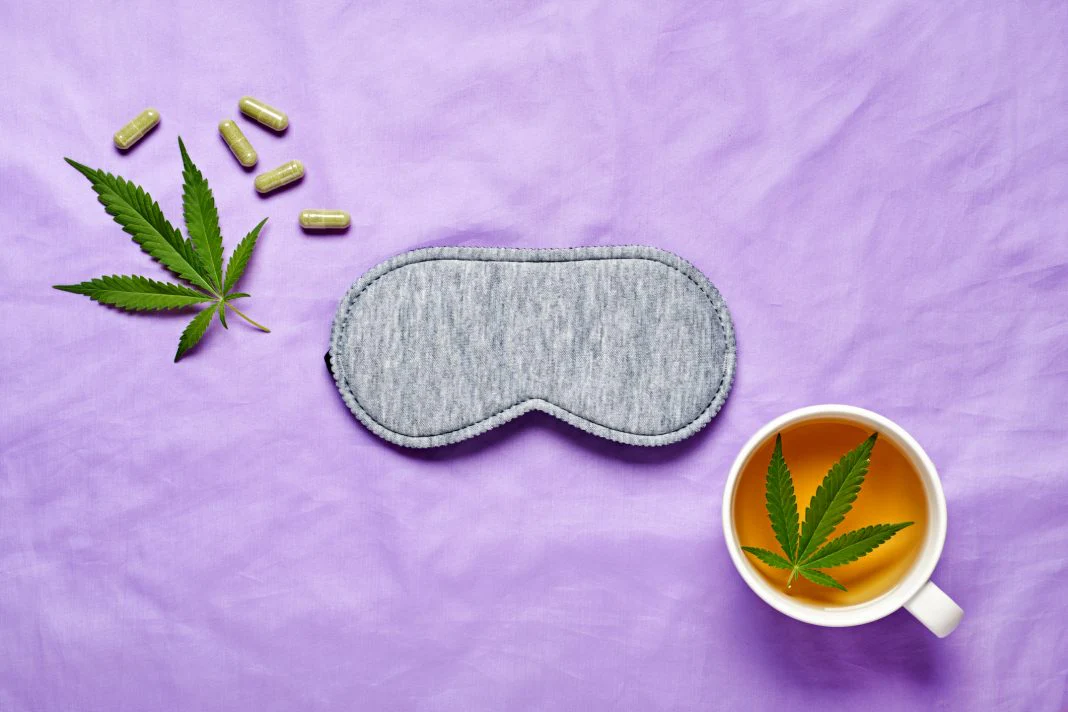
Will Cannabis Medication Help with Sleep? A Comprehensive Overview
Introduction
Humans require sleep to sustain their physical and mental health as well as their general well-being. Regrettably, a lot of people experience sleep issues such restless legs syndrome, sleep apnea, and insomnia. Prescription drugs, which have serious adverse effects and the potential to become addictive, are frequently used in traditional therapies for sleep problems. Consequently, interest in complementary therapies—such as the usage of cannabis medication—is rising. This extensive review, which draws on clinical studies, anecdotal data, and scientific research, looks at the possible advantages and disadvantages of consuming cannabis for sleep.
Understanding Cannabis and Its Components

Marijuana, or cannabis, is a multipurpose plant that has been used for industrial and medical reasons for a very long time. It has more than 100 distinct cannabinoids, which are substances that interact with the endocannabinoid system (ECS) in the body. THC (delta-9-tetrahydrocannabinol) and CBD (cannabidiol) are the two most well-known cannabinoids. Comprehending these constituents is vital, in addition to the lesser cannabinoids and terpenes present in cannabis, in order to apprehend its impact on sleep and other physiological functions.
Major Cannabinoids
- THC (Tetrahydrocannabinol)
- Psychoactive Effects: The main psychoactive ingredient in cannabis, THC, is what gives users their “high. It binds to the brain’s cannabinoid receptors, specifically the CB1 receptors, to produce its effects.
- Sleep Induction: THC has been shown to have sedative effects, which can help some individuals fall asleep more easily. It is particularly noted for reducing sleep latency, or the time it takes to fall asleep.
- Impact on Sleep Architecture: THC can alter the structure of sleep by increasing the duration of slow-wave sleep (deep sleep) but potentially decreasing rapid eye movement (REM) sleep. REM sleep is crucial for cognitive functions such as memory consolidation and emotional regulation.
- Pain Relief: THC is also known for its analgesic properties, making it beneficial for individuals whose sleep is disrupted by chronic pain.
- CBD (Cannabidiol)
- Non-Psychoactive: Unlike THC, CBD does not produce a “high.” It interacts with the ECS in a more indirect manner, primarily influencing the CB2 receptors found throughout the body.
- Anxiolytic Properties: CBD is renowned for its ability to reduce anxiety and promote relaxation. This makes it a beneficial choice for people who have sleep difficulties caused by anxiety.
- Sleep Improvement: While CBD does not have the same sedative effects as THC, it can improve sleep quality by addressing underlying issues such as anxiety and pain.
- Anti-Inflammatory Effects: CBD’s anti-inflammatory properties can help alleviate conditions like arthritis, which can contribute to better sleep for those suffering from chronic pain.
Minor Cannabinoids
Apart from THC and CBD, cannabis also contains a few other minor cannabinoids that add to its overall effects:
- CBN (Cannabinol)
- Mildly Psychoactive: CBN is a mildly psychoactive cannabinoid that forms as THC degrades. It is known for its sedative properties and is often considered beneficial for promoting sleep.
- Potential for Sleep Aid: Early research suggests that CBN may enhance the sleep-inducing effects of THC, making it a potential candidate for treating insomnia.
- CBG (Cannabigerol)
- Non-Psychoactive: Being a precursor to other cannabinoids, such as THC and CBD, CBG is a non-psychoactive cannabinoid that is frequently referred to as the “mother cannabinoid.
- Therapeutic Potential: CBG has been studied for its potential anti-inflammatory, analgesic, and neuroprotective effects. Its role in sleep is less well-studied but may be beneficial due to its overall therapeutic properties.
- THCV (Tetrahydrocannabivarin)
- Psychoactive in High Doses: THCV is a cannabinoid that can be psychoactive at high doses. It is structurally similar to THC but has distinct effects.
- Potential Benefits: THCV has been investigated for its potential to reduce appetite, improve glucose tolerance, and provide neuroprotective effects. Its impact on sleep is still under research, but it may have a role in modulating the effects of THC and CBD.
Terpenes
Terpenes are aromatic compounds found in cannabis that contribute to its distinct smell and flavor. They also play a significant role in the plant’s effects:
- Myrcene
- Sedative Effects: Myrcene is one of the most abundant terpenes in cannabis and is known for its sedative properties. It is believed to enhance the sleep-inducing effects of THC.
- Pain Relief: Myrcene also has analgesic properties, which can contribute to better sleep for individuals experiencing pain.
- Linalool
- Anxiolytic Properties: Linalool, also found in lavender, is known for its calming and anxiolytic effects. It can help reduce stress and anxiety, promoting a more restful sleep.
- Anti-Inflammatory Effects: Linalool’s anti-inflammatory properties can also aid in reducing pain and discomfort, further enhancing sleep quality.
- Pinene
- Alertness and Memory: Pinene is known for its potential to improve alertness and memory. While this may seem counterintuitive for sleep, it can help counteract the short-term memory impairment often associated with THC.
- Anti-Inflammatory Effects: Pinene’s anti-inflammatory properties can also contribute to overall well-being and better sleep.
- Caryophyllene
- Anti-Inflammatory and Analgesic: Caryophyllene is unique among terpenes as it can interact directly with the CB2 receptors in the ECS, providing anti-inflammatory and analgesic effects.
- Anxiolytic Properties: Caryophyllene also has anxiolytic properties, which can help reduce anxiety and improve sleep.
The Entourage Effect
According to the “entourage effect” theory, the many terpenes, cannabinoids, and other chemicals found in cannabis combine to increase the plant’s therapeutic properties. Accordingly, the combined effects of various substances may have a greater overall impact than the effects of any one substance acting alone. For example, the sedative effects of THC may be enhanced by the presence of myrcene, while the anxiolytic effects of CBD may be complemented by linalool and caryophyllene. Understanding the entourage effect is crucial for formulating effective cannabis-based treatments for sleep and other conditions.
The Science Behind Cannabis and Sleep

For millennia, people have utilized cannabis for its therapeutic benefits, which include the possibility of improving sleep. Modern scientific research has begun to elucidate the mechanisms by which cannabis and its components influence sleep, providing a clearer understanding of its effects on sleep patterns, sleep quality, and sleep-related disorders. This section explores the current scientific evidence on how cannabis impacts sleep, focusing on its interaction with the endocannabinoid system, the role of THC and CBD, and the findings from clinical studies.
The Endocannabinoid System (ECS) and Sleep
Sleep, mood, appetite, and pain are just a few of the physiological processes that the human body’s intricate cell-signaling system, known as the endocannabinoid system (ECS), is responsible for controlling. The endocannabinoid system (ECS) is comprised of receptors (CB1 and CB2), enzymes that generate and breakdown endocannabinoids, and endocannabinoids themselves.
- CB1 Receptors:
- CB2 Receptors:
- Primarily located in the peripheral nervous system and immune cells, CB2 receptors are associated with immune response and inflammation.
- While CB2 receptors are less directly involved in sleep regulation, their role in reducing inflammation and pain can indirectly improve sleep quality.
- Endocannabinoids:
- Anandamide (AEA) and 2-arachidonoylglycerol (2-AG) are two primary endocannabinoids that bind to CB1 and CB2 receptors, modulating various functions, including sleep.
- Research suggests that fluctuations in endocannabinoid levels are associated with the sleep-wake cycle, with higher levels of 2-AG correlating with sleep onset.
THC and Sleep
THC (delta-9-tetrahydrocannabinol) is the main psychoactive compound in cannabis, known for its ability to induce sleep and alter sleep architecture.
- Sedative Effects:
- THC has sedative properties that can help reduce the time it takes to fall asleep (sleep latency), making it potentially beneficial for individuals with insomnia.
- Studies have shown that THC increases the duration of slow-wave sleep (deep sleep), which is crucial for physical restoration and overall health.
- Impact on REM Sleep:
- Rapid eye movement (REM) sleep, which is linked to dreaming and cognitive processes like memory consolidation and emotional regulation, has been seen to be less common during THC-induced sleep.
- The reduction in REM sleep may have implications for individuals with PTSD who experience nightmares, as decreased REM sleep can reduce the frequency and intensity of nightmares.
- Tolerance and Dependency:
- Prolonged use of THC can lead to tolerance, where higher doses are required to achieve the same sedative effects. This can increase the risk of dependency and potential withdrawal symptoms, including sleep disturbances.
CBD and Sleep
CBD (cannabidiol) is a non-psychoactive cannabinoid known for its wide range of therapeutic properties, including its potential to improve sleep by addressing underlying issues such as anxiety and pain.
- Anxiolytic Effects:
- CBD is well known for its capacity to ease tension and encourage relaxation, both of which can lead to better-quality sleep.
- Research has demonstrated that CBD can lessen anxiety disorder symptoms, which are frequently connected to insomnia.
- Pain Relief:
- The analgesic qualities of CBD can aid in the relief of chronic pain, which frequently interferes with sleep.
- By reducing pain and discomfort, CBD can improve overall sleep quality and duration.
- Sleep Architecture:
- Unlike THC, CBD does not significantly alter sleep architecture. It may promote wakefulness during the day and improve sleep quality at night by addressing factors that disrupt sleep.
Clinical Studies on Cannabis and Sleep
Numerous clinical studies have investigated the effects of cannabis and its components on sleep, providing valuable insights into its potential benefits and limitations.
- Cannabis and Insomnia:
- A study published in the journal Sleep found that cannabis use was associated with reduced sleep latency and increased total sleep time in individuals with insomnia.
- Another study in Addiction Biology reported that THC reduced sleep onset time and increased deep sleep, though it also decreased REM sleep.
- Cannabis and Sleep Apnea:
- Research published in Frontiers in Psychiatry suggested that THC might help reduce the frequency of apnea events in individuals with obstructive sleep apnea (OSA) by stabilizing the respiratory system.
- More extensive studies are needed to confirm these findings and assess the long-term safety and efficacy of cannabis for sleep apnea.
- Cannabis and Restless Leg Syndrome (RLS):
- A study in the Journal of Clinical Sleep Medicine indicated that cannabis could alleviate symptoms of RLS, leading to improved sleep quality.
- Patients reported a significant reduction in discomfort and frequency of leg movements during sleep.
- Cannabis and PTSD:
- People who suffer from PTSD frequently have trouble sleeping, which can include insomnia and nightmares. According to research published in the Journal of Clinical Psychopharmacology, PTSD patients who used cannabis, especially CBD, reported feeling less anxious and having better-quality sleep.
- Decreased REM sleep due to THC can reduce the occurrence of nightmares, providing relief for PTSD sufferers.
Potential Benefits of Cannabis for Sleep
- Reduced Sleep Latency:
- It has been demonstrated that THC and CBD both shorten the time it takes to fall asleep, which is especially advantageous for those who struggle with insomnia..
- Increased Total Sleep Time:
- THC has been found to increase total sleep time by prolonging deep sleep stages, although it may reduce REM sleep.
- Improved Sleep Quality:
- CBD’s anxiolytic properties can help reduce anxiety and stress, leading to improved sleep quality and a more restful night’s sleep.
- Pain Relief:
- Cannabis is known for its analgesic properties. For individuals whose sleep is disrupted by chronic pain, cannabis may provide relief, thereby improving sleep.
Risks and Considerations

Although cannabis may help with sleep, there are hazards and things to think about as well:
- Altered Sleep Architecture:
- THC can reduce REM sleep, which is essential for cognitive function and emotional regulation. Long-term reduction in REM sleep may have negative consequences.
- Dependency and Withdrawal:
- Regular use of cannabis can lead to dependency, and withdrawal symptoms may include sleep disturbances. This could start a vicious cycle where people start using cannabis to fall asleep.
- Tolerance:
- People may grow tolerant to cannabis’s sedative effects over time, needing greater doses to have the same effect. The likelihood of reliance and adverse effects may rise as a result.
- Side Effects:
- Common side effects of cannabis include dizziness, dry mouth, and impaired cognitive and motor function. These side effects may affect daily functioning and overall quality of life.
- Legal and Regulatory Issues:
- The lawfulness of cannabis differs greatly from place to place. It is imperative to adhere to local rules and regulations pertaining to the use of cannabis.
Clinical Trials and Research
Ongoing research and clinical trials are crucial for understanding the full potential and limitations of cannabis as a sleep aid. Some notable studies include:
- The Effect of Cannabidiol (CBD) on Sleep in Healthy Adults:
- A randomized, double-blind, placebo-controlled trial investigating the effects of CBD on sleep quality and duration in healthy adults.
- Cannabis for the Treatment of Insomnia in Adults:
- A study examining the efficacy and safety of a cannabis-based medication for treating chronic insomnia.
- The Impact of THC and CBD on Sleep Architecture:
- Research focused on understanding how THC and CBD individually and in combination affect different stages of the sleep cycle.
Anecdotal Evidence and User Experiences
In addition to scientific research, anecdotal evidence and user experiences provide valuable insights into the use of cannabis for sleep:
- User Testimonials:
- Many individuals report positive experiences with cannabis for improving sleep, particularly those who struggle with chronic pain, anxiety, or insomnia.
- Online Communities:
- Online forums and social media groups dedicated to cannabis use provide a platform for users to share their experiences, tips, and recommendations for using cannabis as a sleep aid.
- Patient Case Studies:
- Healthcare providers often document patient case studies to highlight the potential benefits and challenges of using cannabis for sleep, offering real-world examples of its effects.
Practical Considerations for Using Cannabis for Sleep
For those considering using cannabis to improve sleep, it is important to approach it thoughtfully and with the guidance of a healthcare professional:
- Consult a Healthcare Provider:
- Discuss potential advantages, hazards, and proper dosages with a healthcare professional prior to beginning any cannabis-based treatment.
- Start Low and Go Slow:
- When you start with a small amount of cannabis, gradually increase it until you get the desired benefits. This method enables more effective therapy individualization while reducing the possibility of adverse consequences.
- Choose the Right Strain and Product:
- Different strains and products of cannabis can have varying effects on sleep. Indica strains are often recommended for their sedative properties, while sativa strains may be more stimulating. CBD-dominant products may be preferable for those seeking anxiety relief without the psychoactive effects of THC.
- Monitor and Adjust:
- Keep a sleep diary to track the effects of cannabis on sleep patterns and quality. Adjust dosages and strains as needed to achieve the best results.
- Be Aware of Legal Considerations:
- Ensure that cannabis use complies with local laws and regulations. Obtain cannabis from reputable sources to ensure product quality and safety.
Conclusion
The use of cannabis medication for improving sleep has garnered significant interest and research, revealing a complex interplay between its various components and their effects on sleep physiology. The key cannabinoids, THC and CBD, have distinct yet complementary roles in influencing sleep patterns and addressing sleep disorders.
Summary of Key Points
- THC (Tetrahydrocannabinol):
- Sleep Induction: THC is effective in reducing sleep latency, making it beneficial for individuals with insomnia.
- Sleep Architecture: It increases the duration of deep sleep but may reduce REM sleep, which is crucial for cognitive and emotional health.
- Pain Relief: THC’s analgesic properties can help those whose sleep is disrupted by chronic pain.
- CBD (Cannabidiol):
- Anxiety Reduction: CBD’s anxiolytic effects help reduce anxiety, which can improve sleep quality.
- Pain Management: Its anti-inflammatory and analgesic properties make it useful for improving sleep in individuals with chronic pain.
- Sleep Architecture: Unlike THC, CBD does not significantly alter sleep architecture, making it a safer long-term option for improving sleep quality.
- Other Cannabinoids and Terpenes:
- Minor cannabinoids like CBN and CBG, along with terpenes such as myrcene and linalool, contribute to the overall sedative and therapeutic effects of cannabis, enhancing its potential as a sleep aid.
- The Entourage Effect:
- The entourage effect, a synergistic interaction between terpenes and cannabinoids, enhances the medicinal advantages of cannabis and makes it a more effective sleep-improving choice.
Benefits of Cannabis for Sleep
- Reduced Sleep Latency: Both THC and CBD can help individuals fall asleep faster.
- Increased Total Sleep Time: THC can increase total sleep duration by prolonging deep sleep stages.
- Improved Sleep Quality: CBD’s calming effects can lead to more restful sleep, especially for those with anxiety.
- Pain Relief: Cannabis’s analgesic properties can improve sleep for individuals with chronic pain.
Risks and Considerations
- Altered Sleep Architecture: THC’s reduction of REM sleep may have long-term cognitive and emotional consequences.
- Dependency and Tolerance: Regular use of cannabis can lead to dependency and increased tolerance, necessitating higher doses for the same effect.
- Side Effects: Common side effects include dizziness, dry mouth, and impaired cognitive function, which can affect daily life.
- Legal and Regulatory Issues: The legal status of cannabis varies, and users must comply with local laws and obtain products from reputable sources.
Clinical Research and User Experiences
- Ongoing clinical trials and research are crucial for understanding the full potential and limitations of cannabis as a sleep aid.
- Anecdotal evidence and user experiences provide valuable insights into the practical use of cannabis for sleep, highlighting its benefits and challenges.
Practical Recommendations
For those considering cannabis for sleep, it is essential to:
- Consult a Healthcare Provider: Discuss potential benefits and risks with a professional.
- Start Low and Go Slow: A low dose should be started and increased gradually to achieve the ideal balance.
- Choose the Right Strain and Product: Different strains and products have varying effects; choosing the right one is crucial for achieving desired results.
- Monitor and Adjust: Keep a sleep diary to track the effects and make necessary adjustments.
- Be Aware of Legal Considerations: Verify adherence to regional statutes and ordinances.
Final Thoughts
Cannabis medication holds promise as a potential sleep aid, particularly for individuals with insomnia, anxiety, chronic pain, and other sleep-disrupting conditions. Even though some of its advantages are supported by scientific study, the risks and adverse effects need to be carefully considered. By approaching cannabis use thoughtfully and under professional guidance, individuals can make informed decisions about its suitability for improving their sleep and overall well-being. As research continues to evolve, our understanding of cannabis and its impact on sleep will become more comprehensive, paving the way for more effective and safe treatments.
