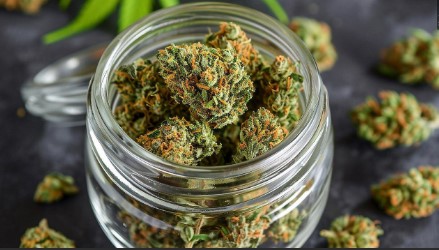
In the 19th and early 20th centuries, cannabis was widely used in medicine and sold over the counter.
It was not viewed as a major social problem.
2. Racial and Political Factors
In the 1910s–1930s, Mexican immigrants introduced recreational marijuana use in the U.S.
Anti-immigrant sentiment led to cannabis being associated with crime and deviance.
Racist narratives claimed marijuana incited violence, especially among Black and Latino communities.
3. Propaganda Campaigns
Harry Anslinger, head of the Federal Bureau of Narcotics (1930–1962), led a campaign to demonize marijuana.
He used media, false science, and racist rhetoric to build public fear.
Films like Reefer Madness portrayed users as dangerous and insane.
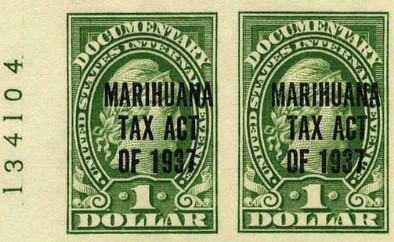
4. The 1937 Marijuana Tax Act
First major federal law targeting cannabis.
It didn’t outlaw marijuana directly but imposed strict regulations and heavy taxes.
This effectively criminalized cannabis possession and sales.
5. Industrial Interests
Hemp, a non-psychoactive form of cannabis, competed with paper, plastic, and textile industries.
Powerful business figures like William Randolph Hearst (newspapers) and the DuPont family (synthetics) supported prohibition to eliminate hemp competition.
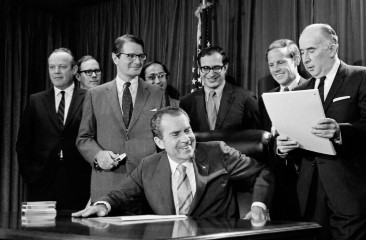
6. Nixon and the Controlled Substances Act (1970)
Cannabis was classified as a Schedule I drug—”high abuse potential, no medical value.”
This ignored scientific recommendations suggesting otherwise.
Nixon used the drug war to suppress political opponents and target minority groups.
7. Legacy
The war on marijuana led to mass incarceration, especially of people of color.
Legalization efforts today aim to reverse these historical injustices and correct misinformation.