Table of Contents
Why Terpenes Matter in Cannabis Seeds
Terpenes, the aromatic compounds responsible for the distinct smell of cannabis, have emerged as one of the most important factors influencing the quality, effects, and therapeutic potential of cannabis plants. While most conversations around terpenes focus on the mature cannabis flower, their significance actually begins at the very start of a plant’s life in the seed. Understanding how terpenes relate to cannabis seeds reveals their crucial role in plant development, cannabinoid synergy, genetic expression, and even cultivation practices.
What Are Terpenes?
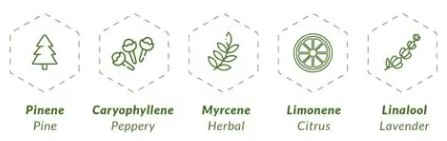
Terpenes are volatile organic compounds produced by many plants, including cannabis, for purposes such as defense against predators and attraction of pollinators. In cannabis, over 150 terpenes have been identified, with some of the most well-known being:

- Myrcene – Musky and earthy; known for sedative and relaxing effects
- Limonene – Citrusy; associated with elevated mood and stress relief
- Pinene – Pine-like aroma; often linked with alertness and memory retention
- Linalool – Floral and lavender-like; noted for its anxiolytic properties
- Caryophyllene – Spicy and peppery; unique for its interaction with CB2 receptors
While these compounds are primarily associated with the aromatic profile of mature flowers, their biosynthesis is deeply encoded in the plant’s genetics, which are present from the seed stage.
The Genetic Blueprint: Terpenes and Cannabis Seeds
Each cannabis seed contains the full genetic map that will dictate the plant’s traits everything from size and yield to resistance to pests and disease, cannabinoid profile, and terpene content. In that sense, terpenes are not just end-products; they are encoded expressions of the seed’s genetic potential.
Why this matters:
- Predictable chemotypes: When breeding or selecting cannabis seeds, understanding a strain’s terpene lineage helps breeders anticipate not only the scent and flavor but also the likely therapeutic effects.
- Phenotype expression: A single strain (e.g., Sour Diesel) grown from multiple seeds can express varying terpene profiles depending on environmental conditions (a phenomenon known as phenotypic plasticity), but the potential for each terpene type originates in the seed’s DNA.
- Stability and selection: Breeders often work with stable seeds (F1, F2 generations, or backcrosses) to lock in terpene profiles that correlate with specific medical or recreational effects.
Terpenes and the Entourage Effect
One of the most critical reasons terpenes matter in cannabis seeds is their influence on the entourage effect the synergistic interaction between cannabinoids (like THC and CBD) and other plant compounds that enhances the overall therapeutic impact of cannabis.
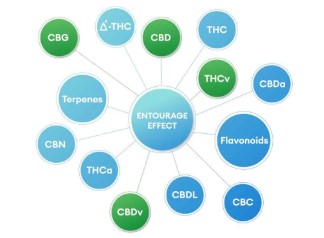
For instance:
- Myrcene may enhance THC permeability across the blood-brain barrier, intensifying psychoactive effects.
- Limonene may modulate mood and stress response, complementing CBD’s anxiolytic properties.
- Caryophyllene interacts directly with CB2 receptors, giving it both anti-inflammatory and potential immunomodulatory effects, enhancing the medicinal utility of strains rich in both CBD and caryophyllene.
This means that from the very outset of a plant’s development, the presence of specific terpene biosynthesis genes in the seed determines whether the eventual flower will possess the synergistic chemistry required for targeted therapeutic effects.
Seed Selection and Breeding for Terpene Profiles
In recent years, breeders have shifted focus from purely THC-potent strains to more balanced or terpene-rich profiles due to growing medical demand and recreational consumer interest in unique flavors and effects.
How breeders use seeds to select for terpenes:
- Crossbreeding: Seeds from two terpene-rich strains (e.g., Lemon Haze × OG Kush) are combined to produce new cultivars with hybrid terpene profiles like lemon-pine-spice.
- Backcrossing: To stabilize terpene expression, breeders backcross a terpene-rich phenotype with its parent multiple times to ensure consistent expression in future generations.
- Marker-assisted selection: Advances in genomics allow breeders to identify specific genes associated with terpene synthesis in seeds, leading to more predictable outcomes and shorter breeding cycles.
Environmental Interplay: Nature vs. Nurture
Although the terpene potential is encoded in the seed, its full expression depends on environmental factors such as:
- Light spectrum and intensity – UV-B light, for example, is known to increase terpene production.
- Soil and nutrients – Organic soils rich in certain microbes can support higher terpene synthesis.
- Stress and pruning techniques – Certain types of stress, like drought or low humidity, can enhance terpene levels as a defense response.
Nonetheless, without the right genetic blueprint (which originates in the seed), even ideal environmental conditions cannot induce a plant to produce terpenes it is not predisposed to synthesize.
Medical Relevance of Terpene-Rich Seeds
For medical cannabis users, the ability to grow a plant with a specific terpene profile is crucial for tailoring treatment regimens. For example:
- Patients with insomnia may seek seeds that produce high-myrcene or linalool strains.
- Those with chronic pain or inflammation might favor caryophyllene-rich cultivars.
- Mood and anxiety disorders may respond better to strains abundant in limonene and pinene.
The therapeutic precision of cannabis medicine depends heavily on access to terpene-defined seed varieties, which is reshaping how dispensaries, growers, and even pharmaceutical companies approach strain cataloging and cultivation.
Preservation of Heirloom and Landrace Seeds
Many landrace and heirloom cannabis strains such as Hindu Kush, Thai, or Malawi Gold have evolved unique terpene profiles suited to their native environments. These profiles offer not only rare aromas and flavors but also unique medicinal properties. Seeds from these cultivars are valuable not just for conservation but also for broadening the terpene palette available for breeding future strains.
Preserving these seeds is crucial for:
- Genetic diversity: Ensures a broader base for breeding terpene-rich hybrids.
- Cultural heritage: Maintains indigenous strains that are often tied to traditional medicine.
- Future pharmacological research: Uncommon terpenes may hold keys to unexplored therapeutic pathways.
Terpenes and Seed Market Trends
The rise of terpene-focused cultivation has impacted the seed market in several ways:
- Labeling: More seed banks now list expected terpene profiles alongside THC/CBD content.
- Niche appeal: “Designer” terpene-rich seeds (like strains with unique citrus, fuel, or candy aromas) command premium prices.
- Custom breeding: Growers are increasingly requesting custom-bred seeds that express specific terpenes for boutique or medical purposes.
Additionally, technologies like GC-MS (Gas Chromatography-Mass Spectrometry) are being employed by breeders to test terpene output from seed-grown plants, offering a science-backed route to seed validation and consumer confidence.
Conclusion
Terpenes are not just flavor or aroma additives they are bioactive compounds that contribute significantly to the effects and therapeutic potential of cannabis. Their influence begins at the genetic level, encoded within the cannabis seed. For breeders, cultivators, and medical users alike, understanding and selecting cannabis seeds based on terpene potential is foundational to cultivating high-quality, effective, and enjoyable cannabis plants.
Whether you’re a casual grower or a professional breeder, terpene awareness should be a central criterion in seed selection. As science continues to uncover the nuanced ways in which terpenes interact with cannabinoids and the human body, their role in cannabis cultivation will only become more essential and that starts with the seed.
