Table of Contents
Why Some Cannabis Seeds Don’t Germinate
Germination is a crucial step in the life cycle of any plant, and in cannabis cultivation, it sets the foundation for a successful grow. However, growers novice and experienced alike often face a frustrating issue: cannabis seeds that fail to germinate. While cannabis is a hardy plant, its seeds are not immune to biological, environmental, or handling-related problems. Understanding the reasons behind germination failure is key to improving success rates and minimizing wasted resources.
1. Poor Seed Quality
The most common reason cannabis seeds do not germinate is poor seed quality. Seeds that are old, improperly stored, immature, or genetically weak will struggle or fail to germinate.
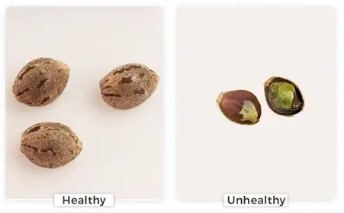
- Age: Cannabis seeds generally have a viability window of 1–5 years if stored properly. Over time, the outer shell hardens, and internal enzymes degrade, making it more difficult for the seed to absorb water and activate germination hormones.
- Immature Seeds: Seeds harvested too early before full maturity often appear pale, soft, or greenish and lack the stored energy needed for sprouting.
- Genetic Factors: Some poorly bred or unstable strains have inherently weak germination potential due to inconsistent parent lines or mutations.
- Storage Conditions: Exposure to moisture, heat, or fluctuating temperatures degrades seed quality. Ideal storage involves a cool, dark, and dry environment (e.g., a sealed container in a refrigerator at ~5–8°C with desiccant packs).
2. Incorrect Germination Technique
Even viable seeds can fail to sprout if they’re subjected to improper germination methods. The most common mistakes include:
- Too Much Water: While moisture is essential, overwatering can suffocate seeds. Saturated environments lack oxygen, which seeds need during metabolic activation. This can also encourage mold or rot.
- Too Little Water: Insufficient hydration prevents the seed coat from softening and halts the activation of enzymes required for growth.
- Temperature Extremes: Cannabis seeds germinate best between 21–26°C (70–79°F). Too cold, and metabolic processes slow down; too hot, and proteins denature, leading to cellular damage.
- Light Exposure: While light isn’t required to initiate germination, extreme light during the early stages can stress seeds or dry out germination mediums prematurely.
- Improper Medium Contact: Seeds may not germinate if they’re placed too deep in the medium or if they lose contact with moisture due to drying out or shifting positions.
3. Mechanical Damage
Seeds are biologically designed to protect the embryo, but rough handling or improper cracking methods can damage them.
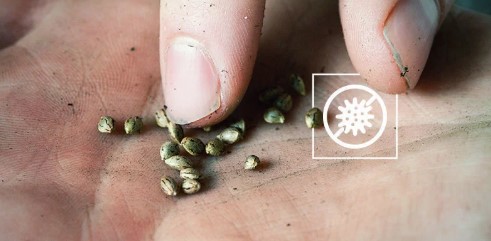
- Cracked Shells: Seeds that have been physically cracked accidentally or through rough shipping may not germinate even if they look superficially intact.
- Crushing or Bruising: Using forceps or squeezing seeds to test firmness can rupture internal structures.
- Poor Shipping and Handling: Mishandling during transport, such as exposure to extreme temperatures or mechanical vibration, can compromise viability.
4. Contaminated Germination Environment
Microbial infection is another silent killer of germinating cannabis seeds.
- Fungal or Bacterial Growth: A warm and moist environment ideal for germination is also ideal for fungi (like Pythium) and bacteria that can rot seeds before they sprout.
- Unsterile Tools or Mediums: Using soil or paper towels that are not sterile may introduce harmful microbes. Even tap water, if high in chlorine or bacteria, can impact germination.
- Mold Growth: White fuzzy mold often develops in paper towel germination if air circulation is poor. Mold can inhibit growth or kill the seed entirely.
5. Hard Seed Coats and Dormancy
Some cannabis seeds have especially thick or hard outer coats, especially landrace varieties or older seeds.
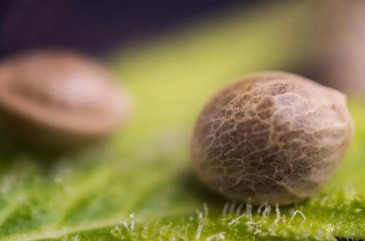
- Hard Shells: These can physically prevent water from entering and delay the emergence of the radicle (the first root). Scarification lightly sanding or nicking the shell can help in such cases.
- Dormancy Mechanisms: While most commercial cannabis has been bred for fast germination, some strains retain dormant traits requiring stratification (a period of cold to break dormancy).
6. pH Imbalance
Germination can be hindered if the water or growing medium is too acidic or too alkaline.
- Ideal pH: Cannabis seeds prefer a slightly acidic pH of 5.8–6.2 during germination. Outside this range, enzyme function and nutrient uptake may be impaired.
- Soil pH Issues: Using garden soil or unbuffered substrates may introduce wide pH swings. It’s best to use inert, pH-balanced materials like rockwool or coco coir during germination.
7. Chemical Residues and Nutrients
While nutrients are essential during later stages, they can be detrimental during germination.
- Fertilized Soil: Using “hot” soil (with nutrients) can burn tender embryonic roots. Seedlings are extremely sensitive and should only be exposed to nutrients after the first true leaves form.
- Chemical Contamination: Soap residues, bleach, alcohol, or other cleaners on germination equipment can kill seeds. Even slight residues on tweezers or trays can have a significant effect.
8. Pest Infestation
Though uncommon in the germination stage, some pests can destroy seeds before they have a chance to grow.
- Soil Mites and Fungus Gnats: In organic soils or reused mediums, these pests can feed on seeds or young sprouts.
- Rodents or Insects: If seeds are started outdoors or in greenhouses, insects or rodents may dig them up or eat them.
9. Human Error and Impatience
Ironically, impatience and improper observation can cause a grower to discard viable seeds.
- Premature Discarding: Some seeds take up to 10–14 days to germinate, particularly older or harder-shelled seeds. Discarding them after 3–4 days can waste viable plants.
- Disturbing Germination Sites: Checking seeds too often, moving them, or touching emerging roots can stress or kill the plant at a critical phase.
- Incorrect Orientation: Seeds should be placed with the pointed end down when planted. If oriented incorrectly, the taproot may emerge in the wrong direction and cause failure.
10. Environmental Stresses Post-Germination
Sometimes seeds do successfully germinate, but then die before the grower notices leading to the false impression that they never germinated.
- Damping-Off Disease: A fungal condition that attacks sprouts at the soil line, causing them to wilt and die.
- Drying Out: If the medium dries up between the initial sprouting and root development, the seedling will perish.
- Temperature Fluctuations: Rapid changes especially at night can kill tender seedlings before true leaves emerge.
Conclusion
Cannabis seed germination is a sensitive process influenced by a multitude of factors. While genetics and seed quality form the foundation, external variables like moisture, temperature, pH, and microbial presence also play critical roles. Understanding these factors allows growers to fine-tune their germination process, improve success rates, and reduce wasted seeds.
To increase germination success:
- Always start with high-quality, mature seeds from reputable breeders.
- Store seeds in cool, dark, dry conditions until use.
- Use sterile, inert media and tools.
- Maintain consistent temperature (21–26°C) and humidity.
- Avoid overhandling or rushing the process.
- Do not use fertilizers or chemically treated water in early stages.
By mastering the environmental and biological requirements of cannabis seed germination, cultivators can achieve reliable and vigorous starts to their growing cycles.
