Table of Contents
Why marijuanas should be legal
The legalization of marijuana remains one of the most debated social and policy topics in the modern era. While marijuana was historically demonized and criminalized, recent decades have brought a shift in public perception, driven by emerging scientific evidence, socio-economic analysis, and political reform. Legalizing marijuana presents substantial benefits across public health, the economy, criminal justice reform, and individual liberty.
1. Medical Benefits and Public Health
A. Therapeutic Uses
Marijuana has demonstrated effectiveness in treating a wide range of medical conditions. Patients suffering from chronic pain, cancer, epilepsy, multiple sclerosis, and anxiety disorders often find relief through cannabis, especially where traditional pharmaceuticals fail or cause intolerable side effects.
Many active compounds in marijuana, such as THC (tetrahydrocannabinol) and CBD (cannabidiol), interact with the body’s endocannabinoid system to regulate pain, mood, appetite, and immune function. In legalized states like California and New York, physicians prescribe medical cannabis as a safer alternative to opioids and other heavy medications.
B. Harm Reduction
In comparison to alcohol or prescription opioids, marijuana presents a much lower risk of overdose and long-term physical harm. States that have legalized cannabis for medical or recreational use have reported declines in opioid-related hospitalizations and deaths. This shift represents a major public health advantage.
2. Economic Impact
A. Tax Revenue Generation
Legal marijuana markets bring substantial tax revenues to local and state governments. For example:
- Colorado generated over $400 million in annual cannabis-related tax revenue.
- California, with its massive consumer base, collects hundreds of millions yearly.
- Illinois recently surpassed alcohol tax revenue through cannabis sales.
This income funds public education, infrastructure, mental health services, and community development.
B. Employment and Industry Growth
Legal cannabis supports a fast-growing sector with a wide variety of jobs, from agricultural cultivation and product development to retail, marketing, and regulation. Oregon, Nevada, and Michigan have all seen surges in cannabis-related employment. Legalization also stimulates innovation and entrepreneurship, particularly among small business owners and agricultural entrepreneurs.
3. Criminal Justice Reform
A. Reducing Incarceration
Marijuana prohibition has long contributed to over-policing and over-incarceration, especially in minority and low-income communities. Legalization reduces arrests for non-violent possession, freeing up law enforcement resources and minimizing the social harm caused by criminal records.

In Illinois, legalization was accompanied by automatic expungement of cannabis-related convictions. California and New Jersey have also taken steps to erase or reduce sentences related to non-violent marijuana offenses, promoting fairness and equity in the justice system.
B. Ending Discriminatory Enforcement
Data consistently shows that Black and Latino individuals have been disproportionately arrested for marijuana-related offenses despite similar usage rates across racial groups. Legalization, when paired with reform policies, helps dismantle systemic discrimination in drug law enforcement. States like Massachusetts and New York have incorporated social equity programs to reinvest in communities harmed by prohibition.
4. Regulation and Safety
A. Quality Control
Legal marijuana markets allow for strict regulation of product quality and safety. In legal states like Nevada and Washington, products are subject to lab testing for pollutants including heavy metals, mold, and pesticides. Consumers receive labeled products with clear information on THC/CBD content and dosage, reducing the risk of accidental overuse or exposure to harmful substances.
B. Age Restrictions and Controlled Sales
Under legalization, marijuana is sold in controlled environments to adults over 21, similar to alcohol. Licensed dispensaries follow rules related to identification checks, packaging, and advertising. This contrasts sharply with the unregulated black market, where minors may have easier access. Evidence from Colorado and Washington indicates no significant increase in youth use post-legalization.
5. Personal Liberty and Freedom
A. Responsible Adult Use
Many adults use marijuana recreationally without harm. Legalization acknowledges that responsible adult consumption should not be criminalized. Just as society permits alcohol and tobacco despite their known health risks, individuals should have the freedom to use cannabis responsibly without fear of legal punishment.
B. Ending Government Overreach
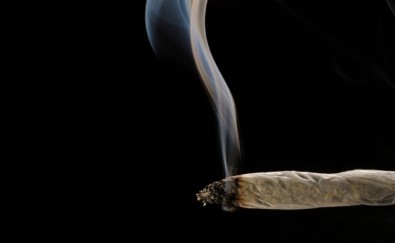
Laws against marijuana restrict personal autonomy. Legalization reduces state interference in private behavior that does not harm others. Citizens in legal states such as Maine, Arizona, and Vermont now have the ability to grow and use marijuana within defined limits strengthening civil liberties.
6. Social and Cultural Shifts
A. Public Support and Changing Norms
Public opinion has changed dramatically over the past 20 years. Polls consistently show that a significant majority of Americans support legalization. This shift reflects greater awareness of the medical benefits, the failures of the war on drugs, and the need for criminal justice reform.
B. Cultural Normalization
In states like Oregon and California, marijuana use has become normalized, much like alcohol or caffeine. This cultural acceptance contributes to better public education on responsible use, reducing stigma and encouraging more informed discussions on cannabis policy.
7. Addressing Counterarguments
A. Concerns About Youth Use

Opponents often claim that legalization will increase youth marijuana use. However, data from legal states such as Colorado, Washington, and Massachusetts show either flat or declining rates among teens. Strict regulations, educational campaigns, and public awareness have helped maintain or reduce youth access.
B. Driving Safety
Marijuana impairs motor function, and drug-impaired driving is a concern. However, enforcement tools are improving, and legal states have implemented laws to penalize driving under the influence. Public safety campaigns have also educated drivers on risks and consequences.
C. Risk of Addiction
Cannabis use disorder is real but occurs in a minority of users about 9 to 10%. Compared to alcohol or opioids, marijuana’s addictive potential and withdrawal symptoms are milder. Legalization allows public health officials to monitor usage trends, support treatment, and promote moderation.
8. Federal Challenges and the Path Forward
Marijuana is still banned at the federal level, despite advancements at the state level. This creates conflict and restricts banking, research, and interstate commerce. However, growing momentum in state legislatures and public demand is pushing the federal government toward reform.
Many states including New Mexico, Virginia, and Connecticut have recently passed legalization laws, illustrating a national shift toward broader acceptance. Continued advocacy, data-driven policy, and equitable regulations are essential for a smooth transition.
Conclusion
Legalizing marijuana is not a reckless experiment but a logical evolution of modern policy. It brings well-documented medical benefits, boosts local economies, reduces racial disparities in law enforcement, and respects individual freedom. States like California, Colorado, Illinois, and Oregon have shown that legalization can work when it is grounded in regulation, education, and social justice.
The future of marijuana policy lies in embracing science, compassion, and pragmatism not outdated stigma. Legalization is not about promoting drug use, but about managing it wisely for the benefit of society.
