Table of Contents
Why is marijuana illegal

1. Early Cultural Associations and Racism
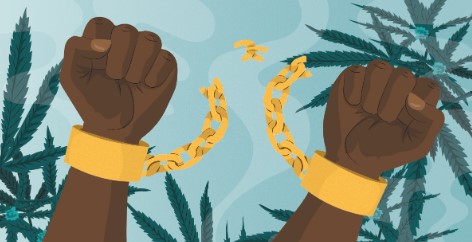
Marijuana’s criminalization began in the early 20th century, tied to xenophobia and racism. After the Mexican Revolution (1910), Mexican immigrants introduced recreational cannabis use to the U.S. Anti-immigrant sentiment fueled fear campaigns that portrayed marijuana as a dangerous drug associated with crime and minority communities, especially Mexicans and African Americans.
2. The Marihuana Tax Act of 1937
The first major federal restriction came through the Marihuana Tax Act. Led by Harry Anslinger, the head of the Federal Bureau of Narcotics, the campaign relied on misinformation and racist propaganda. Despite opposition from medical professionals, the Act effectively outlawed cannabis by imposing strict taxes and penalties.
3. The Controlled Substances Act of 1970
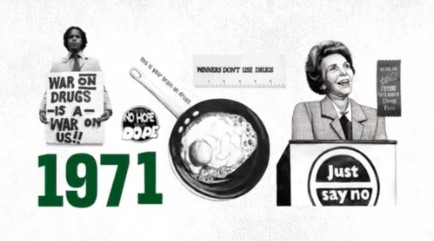
In 1970, cannabis was classified as a Schedule I drug under the Controlled Substances Act—meaning it had high abuse potential and no accepted medical use. This classification ignored the findings of the Shafer Commission, which had recommended decriminalization. The move was politically motivated, particularly by President Nixon.
4. The War on Drugs (1970s–1980s)
Nixon and Reagan expanded marijuana enforcement during the War on Drugs. Harsh penalties and zero-tolerance policies disproportionately targeted low-income and minority communities, leading to mass incarceration. This entrenched the drug’s illegal status despite emerging medical research.
5. Economic and Industrial Influence
Industries including pharmaceuticals, alcohol, and private prisons have historically lobbied against legalization. Cannabis posed a threat to their profits, incentivizing resistance to reform despite public support and evidence of therapeutic value.
6. Legal Inertia and Global Policy
Federal laws remain unchanged due to bureaucratic resistance, despite legalization at the state level and changing global attitudes. International treaties and outdated stigmas continue to slow reform efforts.
Conclusion:
Marijuana’s illegality is a result of social bias, political agendas, and economic interests—not clear scientific consensus.
