
Introduction
All plants, including cannabis, require carbon dioxide (CO2) for proper growth and development. For medical cannabis cultivation, optimizing CO2 levels can significantly enhance the quality and yield of the plants. This, in turn, leads to more effective therapeutic outcomes for patients who rely on cannabis-based treatments. The following detailed analysis will explore why CO2 is important for cannabis, particularly in medical cultivation, and how to set up a CO2 system for maximizing growth and potency.
Understanding the Role of CO2 in Cannabis Growth
Photosynthesis and CO2
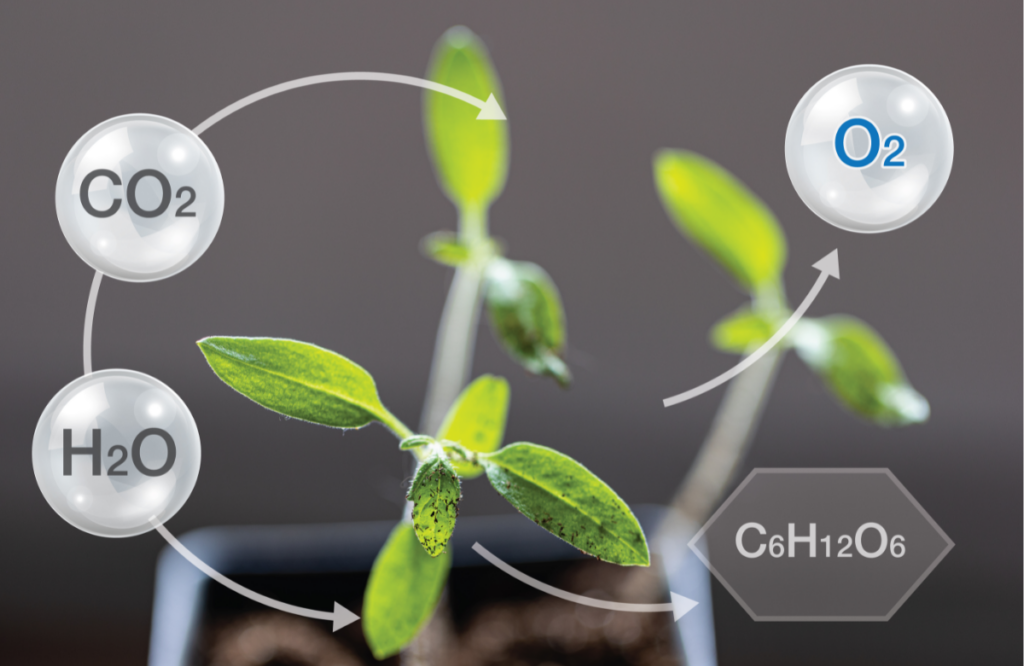
Plants use a process called photosynthesis to transform light energy, usually from the sun, into chemical energy that is stored as glucose. One of the essential components in this process, together with light and water, is CO2. The overall photosynthesis equation is:
6CO2+6H2O+light→C6H12O6+6O26CO_2 + 6H_2O + light \rightarrow C_6H_{12}O_6 + 6O_26CO2+6H2O+light→C6H12O6+6O2
Here, CO2 is absorbed through small openings in the leaves called stomata. Glucose, the plant’s energy source, is created inside the chloroplasts when CO2 and water molecules mix. A byproduct is the release of oxygen.
CO2 and Plant Growth
For medical cannabis, ensuring that plants receive an optimal level of CO2 is crucial. In natural outdoor environments, the atmospheric CO2 concentration is around 400-420 ppm (parts per million). However, research has shown that cannabis plants can benefit from higher CO2 levels, particularly in controlled indoor environments. When CO2 levels are increased to 1000-1500 ppm, the rate of photosynthesis is accelerated, leading to faster growth, larger yields, and higher concentrations of cannabinoids and terpenes.
The Benefits of CO2 Enrichment in Medical Cannabis Cultivation
Enhanced Growth and Yield
The primary advantage of CO2 enrichment is enhanced growth. With an increased rate of photosynthesis, cannabis plants can develop more rapidly. This faster growth cycle is especially beneficial for medical cannabis growers who need to meet the demands of patients who rely on consistent, high-quality products. A faster growth cycle means more frequent harvests and a more stable supply of medical cannabis.
Improved Potency
Medical cannabis patients often require strains with specific cannabinoid profiles, including high levels of CBD, THC, or other therapeutic compounds. CO2 enrichment has been shown to increase the concentration of these cannabinoids, leading to more potent medicinal products. This is particularly important for patients dealing with chronic pain, epilepsy, or other conditions where cannabinoid potency is crucial for effective treatment.
Enhanced Terpene Production
Aromatic substances called terpenes are present in cannabis and add to both its flavor and medicinal qualities. The entourage effect refers to the way in which they complement cannabinoids to increase the plant’s total medical benefits. CO2 enrichment can lead to higher terpene production, making the final product more effective in treating various medical conditions.
Disease Resistance
Increased CO2 levels can also strengthen the plant’s immune system, making it more resistant to diseases and pests. This is particularly important in medical cultivation, where the health and purity of the plants are paramount. Stronger plants are less likely to suffer from mold, mildew, or pest infestations, which can compromise the quality and safety of the final medical product.
Setting Up a CO2 System for Medical Cannabis Cultivation
Assessing the Growing Environment
Before setting up a CO2 enrichment system, it’s crucial to assess the growing environment. CO2 enrichment is most effective in controlled indoor environments, such as grow rooms or greenhouses. These settings allow for precise control over temperature, humidity, and light, all of which are essential for optimizing CO2 levels.
- Room Sealing: Ensure that the grow room or greenhouse is properly sealed. This prevents CO2 from escaping and maintains consistent levels within the environment.
- Ventilation: Proper ventilation is necessary to prevent excessive heat buildup. However, during CO2 enrichment, ventilation should be minimized to prevent CO2 loss. Using a CO2 controller can help regulate this balance.
Choosing the Right CO2 Source
There are several methods for introducing CO2 into a growing environment. The choice of method will depend on the size of the operation, budget, and specific cultivation needs.
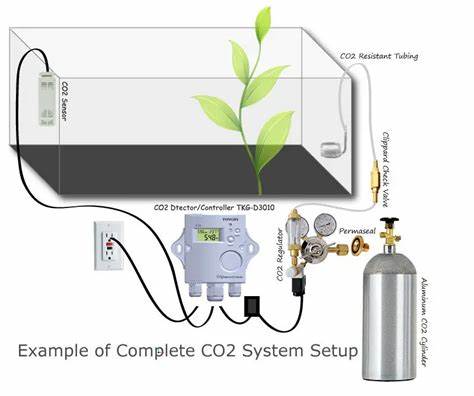
- CO2 Tanks: This is the most common method for larger operations. CO2 tanks are filled with compressed CO2 and connected to a regulator and timer. This makes it possible to precisely regulate how much CO2 is discharged into the grow room. Tanks are a reliable source but require regular refilling.
- CO2 Generators: These units release CO2 when they burn natural gas or propane. They are suitable for larger grow rooms and greenhouses. However, they generate heat, which must be managed to prevent stress on the plants.
- Natural CO2 Production: For smaller operations, natural methods such as composting or using CO2-producing fungi can be effective. These methods are less expensive but offer less control over CO2 levels.
- CO2 Bags: These are simple, low-cost solutions for small grow rooms or tents. CO2 bags contain mycelium that produces CO2 as it grows. They are easy to use but offer limited control over CO2 output.
CO2 Monitoring and Control
Careful monitoring and management of CO2 levels is necessary to optimize the advantages of CO2 enrichment. Over-enrichment can be harmful to plants and waste resources.
- CO2 Controllers: These devices allow growers to set and maintain specific CO2 levels. They work by measuring the current CO2 concentration and activating the CO2 source when levels drop below the desired threshold.
- Timers: For basic setups, timers can be used to release CO2 at regular intervals. This method is less precise but can be effective in smaller grow rooms.
- Environmental Controllers: Advanced systems integrate CO2 control with other environmental factors such as temperature, humidity, and light. These systems offer the highest level of precision and automation, making them ideal for large-scale medical cannabis cultivation.
Lighting Considerations
CO2 enrichment is most effective when combined with high-intensity lighting. Cannabis plants need adequate light to utilize the additional CO2 for photosynthesis. Without sufficient light, the benefits of CO2 enrichment will be limited.
- Lighting Intensity: High-intensity discharge (HID) lamps, such as metal halide (MH) or high-pressure sodium (HPS) lights, are commonly used in conjunction with CO2 enrichment. LED lights are also effective and offer the added benefit of energy efficiency.
- Light Cycles: During the vegetative stage, cannabis plants typically require 18-24 hours of light per day. In the flowering stage, this is reduced to 12 hours per day. CO2 enrichment should be timed to coincide with the light cycle, as plants only photosynthesize when exposed to light.
Managing Temperature and Humidity
CO2 enrichment affects the temperature and humidity within the grow room, so these factors must be carefully managed.
- Temperature: Optimal temperatures for CO2-enriched cannabis are slightly higher than normal, typically between 75-85°F (24-29°C). However, temperatures above 90°F (32°C) can stress the plants, even with CO2 enrichment.
- Humidity: Higher CO2 levels can increase the plant’s transpiration rate, leading to higher humidity levels in the grow room. It’s essential to maintain humidity between 50-70% during the vegetative stage and 40-50% during the flowering stage to prevent mold and mildew.
Safety Considerations
While CO2 is essential for plant growth, it can be hazardous to humans at high concentrations. Safety precautions should be in place when using CO2 enrichment systems.
- CO2 Alarms: Install CO2 alarms to alert workers if CO2 levels become dangerously high. CO2 is colorless and odorless, so alarms are crucial for detecting leaks or over-enrichment.
- Proper Ventilation: Ensure that the grow room has adequate ventilation to prevent CO2 buildup to unsafe levels. Emergency ventilation systems should be in place to quickly reduce CO2 levels in case of an emergency.
- Training: All workers should be trained in the safe handling and operation of CO2 systems. Understanding the risks and proper procedures can prevent accidents and ensure a safe working environment.
Restrictions on Growing and Using Cannabis in the Medical Field as a Last Resort
Legal Framework and Guidelines
The use of cannabis in the medical field is highly regulated and varies significantly across different jurisdictions. In many regions, cannabis is only approved for medical use under strict conditions, often as a last resort when other treatments have failed. This approach ensures that cannabis is used responsibly and only when its potential benefits outweigh the risks.
- Regulatory Approval: In most countries, medical cannabis can only be prescribed by a licensed healthcare professional. The approval process often requires thorough documentation that conventional treatments have been ineffective, and that cannabis may offer a viable alternative. For example, in countries like Germany and Israel, cannabis can only be prescribed when other medications do not provide adequate relief.
- Specific Medical Conditions: Regulations typically limit the use of medical cannabis to specific conditions, such as chronic pain, epilepsy, multiple sclerosis, and certain forms of cancer. The rationale is that these conditions have been shown to respond to cannabis treatment, making it a potential last resort option.
- Patient Evaluation: Before prescribing cannabis, physicians must conduct a comprehensive evaluation of the patient’s medical history, current condition, and previous treatments. This evaluation is critical to determine whether cannabis is appropriate and to monitor for potential risks, including psychoactive effects.
- Treatment Plans: When cannabis is used as a last resort, treatment plans must be carefully designed and monitored. This includes setting clear goals, such as pain reduction or seizure control, and regularly assessing the patient’s response to the treatment. Adjustments to dosage and form of cannabis may be necessary based on these assessments.
- Cultivation Restrictions: Cannabis cultivation for medical reasons is strictly regulated in many areas. Only licensed growers or pharmaceutical companies are permitted to cultivate cannabis, and they must adhere to strict quality control standards. This ensures that the cannabis used for medical purposes is free from contaminants and contains consistent levels of cannabinoids.
Ethical Considerations and Patient Safety
The use of cannabis as a last resort in the medical field raises several ethical considerations, particularly concerning patient safety and informed consent.
- Informed Consent: Patients must be fully informed about the potential risks and benefits of using cannabis, particularly as a last resort. This includes discussing the possibility of psychoactive effects, the potential for dependency, and any legal implications of using cannabis.
- Psychoactive Effects: The main psychoactive ingredient in cannabis, THC, can have a variety of negative consequences, such as anxiety, paranoia, exhilaration, and cognitive impairment. Minimizing these effects is crucial when taking cannabis as a last resort, especially in susceptible groups including children, the elderly, and people with a history of mental health issues.
- Monitoring and Follow-up: To make sure that the advantages of cannabis treatment exceed the hazards, it is imperative to conduct ongoing monitoring. This includes regular follow-up appointments to assess the patient’s condition, adjust the dosage, and monitor for any adverse effects.
Monitoring THC Levels in Medications to Prevent Psychoactive Effects
Importance of THC Level Control
Tetrahydrocannabinol, or THC, is the ingredient in cannabis that gives it its intoxicating properties. In the medical field, controlling THC levels in cannabis-based medications is critical to prevent these effects, particularly in patients who are sensitive to THC or who require long-term treatment.
- Non-Psychoactive Alternatives: For patients who need the therapeutic benefits of cannabis without the psychoactive effects, CBD (cannabidiol) is often preferred. Anti-inflammatory, analgesic, and seizure-inhibiting actions are just a few of the medical benefits of CBD, which doesn’t give users the “high” that THC does. Some medications are formulated with high CBD and low THC to provide the benefits of cannabis while minimizing the risk of psychoactivity.
- Standardization of Medications: In the pharmaceutical production of cannabis-based medications, standardization is key. This involves ensuring that each dose contains a consistent and precise amount of THC and other cannabinoids. Pharmaceutical companies must adhere to rigorous testing protocols to verify the cannabinoid content of their products, ensuring patient safety.
- Microdosing: In some cases, medical practitioners may use a microdosing approach, where patients are given very small amounts of THC to avoid psychoactive effects while still benefiting from its therapeutic properties. This approach requires careful monitoring to ensure that the dosage is effective yet safe.
- Lab Testing and Quality Assurance: Regular lab testing is essential to monitor the THC levels in cannabis-based medications. Accredited labs with the ability to precisely detect THC and other cannabis concentrations must perform these tests. Before the items are given to patients, quality assurance procedures must be in place to guarantee that they fulfill the necessary requirements.
- Customized Treatment Plans: Tailoring the THC content in medications to the individual needs of the patient is another approach to prevent psychoactive effects. For example, some patients may require a higher THC content for effective treatment, while others may need a lower THC concentration to avoid side effects. Physicians must work closely with patients to find the right balance.
Regulatory Requirements for THC Monitoring
In many jurisdictions, strict regulations govern the THC content in medical cannabis products. These regulations are designed to protect patients from the potential harms associated with high levels of THC while allowing them to benefit from the therapeutic effects of cannabis.
- THC Limits: Many countries and states have established legal limits on the amount of THC that can be present in medical cannabis products. For example, in Canada, medical cannabis products must not contain more than 10 mg of THC per dose unless otherwise authorized by a healthcare professional. These limits help ensure that patients receive a safe and controlled amount of THC.
- Labeling Requirements: Medical cannabis products must be accurately labeled with the THC content. This includes both the percentage of THC and the total amount per dose. Accurate labeling allows healthcare providers and patients to make informed decisions about dosing and treatment.
- Prescription Guidelines: Healthcare providers who prescribe cannabis must follow specific guidelines for dosing and monitoring THC levels. This includes starting with the lowest effective dose and gradually increasing if necessary while carefully monitoring the patient for any signs of psychoactivity or other adverse effects.
- Patient Education: Patients need to be informed about the proper usage of their medications as well as the significance of THC monitoring. This entails being aware of the possible hazards associated with high-THC products as well as the need of adhering to the recommended dosage schedule.
Technological Advances in THC Monitoring
Advancements in technology have improved the ability to monitor THC levels in medical cannabis products, ensuring greater precision and safety.
- Cannabinoid Profiling: Advanced analytical techniques, such as high-performance liquid chromatography (HPLC), are used to profile the cannabinoid content of cannabis products. These methods provide accurate measurements of THC, CBD, and other cannabinoids, allowing for better control over the psychoactive effects.
- Biosensors: Emerging technologies such as biosensors are being developed to provide real-time monitoring of THC levels in the bloodstream. These devices could be used to adjust dosing in real-time, ensuring that patients receive the therapeutic benefits of cannabis without experiencing unwanted psychoactive effects.
- Smart Packaging: Some companies are developing smart packaging solutions that monitor the THC content of cannabis products throughout the supply chain. These packages can provide real-time data on the stability and potency of the product, ensuring that patients receive consistent and safe medications.
Conclusion
The cultivation and use of cannabis in the medical field present unique opportunities and challenges, particularly when it is considered as a last resort treatment. The integration of cannabis into medical practice requires strict adherence to legal and ethical guidelines, ensuring that it is prescribed only when other treatments have proven ineffective. The cultivation of medical cannabis must be tightly regulated to maintain the quality and consistency of the product, which is critical for patient safety and therapeutic efficacy.
One of the most significant concerns in the medical use of cannabis is the management of THC levels to prevent unwanted psychoactive effects. By carefully monitoring and controlling THC concentrations in cannabis-based medications, healthcare providers can offer patients the benefits of cannabis while minimizing potential risks. This includes using advanced technologies for cannabinoid profiling, implementing strict regulatory standards, and educating patients on the correct use of their medications.
Furthermore, CO2 enrichment in medical cannabis cultivation plays a crucial role in enhancing plant growth, yield, and potency. Properly setting up and managing CO2 systems in controlled environments can lead to the production of high-quality medical cannabis that meets the specific needs of patients. However, this process requires careful balance with other environmental factors such as light, temperature, and humidity to maximize benefits while ensuring plant health and safety.
As the medical cannabis field continues to evolve, ongoing research, technological advancements, and rigorous regulatory oversight will be essential. These efforts will help ensure that medical cannabis remains a safe, effective, and reliable treatment option for patients, particularly when used as a last resort. By focusing on patient-centered care and maintaining high standards of safety and quality, the medical community can fully harness the therapeutic potential of cannabis to improve patient outcomes.
