
Why Has Cannabis Made an Impact on Medicine?
Cannabis, commonly known as marijuana, has made a significant impact on medicine due to its multifaceted properties and wide-ranging therapeutic potential. This plant, once stigmatized and largely prohibited, has undergone a remarkable transformation in public perception and scientific understanding over the past few decades. The following discussion provides a comprehensive exploration of why cannabis has become an influential component in the field of medicine, covering historical context, the plant’s chemical composition, therapeutic applications, regulatory changes, and ongoing research.
Historical Context of Cannabis in Medicine
Cannabis has a rich and complex history in medicine, spanning thousands of years and encompassing a variety of cultures and civilizations. This historical context provides insight into the longstanding therapeutic uses of the plant and helps explain its modern resurgence in medical applications.
Ancient Use
China

About 2700 BCE is when cannabis was first known to be used in medicinal in ancient China. The medicinal properties of cannabis were recorded by the fabled Emperor Shen Nung, who is regarded as the founder of Chinese medicine, in the “Pen Ts’ao Ching” (The Classic of Herbal Medicine). Numerous conditions were suggested to be treated with cannabis, such as gout, rheumatism, constipation, and absentmindedness. The plant’s leaves, oil, and seeds were all used for their therapeutic qualities.
India

Cannabis was a key component of Ayurvedic therapy in ancient India. Known as “Vijaya” in Sanskrit, the plant was considered sacred and was used to treat a wide range of conditions. The Atharva Veda, a sacred text dating back to around 1500 BCE, describes cannabis as one of the five sacred plants and notes its use for anxiety relief. Ayurvedic practitioners used cannabis to treat pain, digestive disorders, and neurological conditions. It was also incorporated into spiritual rituals and practices, reflecting its dual role as both a medicine and a sacred substance.
Egypt

The ancient Egyptians also recognized the medicinal properties of cannabis. One of the first medical manuscripts, the Ebers Papyrus, which dates to before 1550 BCE, discusses the use of cannabis to cure glaucoma and inflammation. Cannabis was often used in topical preparations to reduce pain and swelling. Egyptian priests and healers also utilized the plant for its psychoactive effects in religious and healing ceremonies.
Greece and Rome

In the ancient Greek and Roman civilizations, cannabis was well-documented for its medicinal uses. In his influential book “De Materia Medica” (published around 70 CE), the Greek physician Dioscorides listed cannabis as an anti-inflammatory and earache treatment. Pliny the Elder, a Roman naturalist, also noted its use for pain relief and gastrointestinal disorders in his encyclopedic work “Natural History.” These ancient texts highlight the widespread acknowledgment of cannabis as a therapeutic agent in the classical world.
The Middle Ages
During the Middle Ages, cannabis continued to be used in various forms of traditional medicine. In Islamic culture, the renowned physician Avicenna (Ibn Sina) included cannabis in his “Canon of Medicine,” recommending it for treating pain, edema, and infections. In Europe, cannabis was used in folk medicine for its analgesic and sedative properties. The plant’s fibers were also highly valued for making ropes, textiles, and paper, which facilitated its continued cultivation and use.
Prohibition and Rediscovery
Early 20th Century
Despite its extensive history of medicinal use, cannabis faced increasing legal restrictions in the early 20th century. In the United States, the Marihuana Tax Act of 1937 effectively banned the plant, influenced by a combination of political, racial, and economic factors. The demonization of cannabis, often associated with minority communities, played a significant role in its prohibition. This period saw a dramatic decline in medical research and use of cannabis.
Mid to Late 20th Century
The 1960s and 1970s marked the beginning of a shift in public perception and scientific interest in cannabis. The counterculture movement of the 1960s, along with anecdotal reports of the plant’s therapeutic effects, reignited interest in its medical potential. In 1964, Dr. At the Hebrew University of Jerusalem, Raphael Mechoulam and his associates identified and synthesized THC, the main psychotropic ingredient in cannabis. Additional investigation into the pharmacology and medicinal uses of cannabis was made possible by this breakthrough.
The 1980s and Beyond
The discovery of the endocannabinoid system (ECS) in the late 1980s and early 1990s by Dr. Mechoulam and others was a monumental development in understanding how cannabis affects the human body. The ECS, comprising receptors (CB1 and CB2), endocannabinoids, and enzymes, plays a critical role in maintaining homeostasis. This discovery provided a scientific basis for the diverse therapeutic effects of cannabis and spurred a wave of research into its potential medical uses.
In 1996, California became the first U.S. state to legalize medical cannabis with Proposition 215, also known as the Compassionate Use Act. This landmark decision marked the beginning of a broader acceptance and legalization movement, both in the United States and internationally. Other states and countries followed suit, implementing their own medical cannabis programs and regulations.
Modern Era and Scientific Validation
21st Century Research
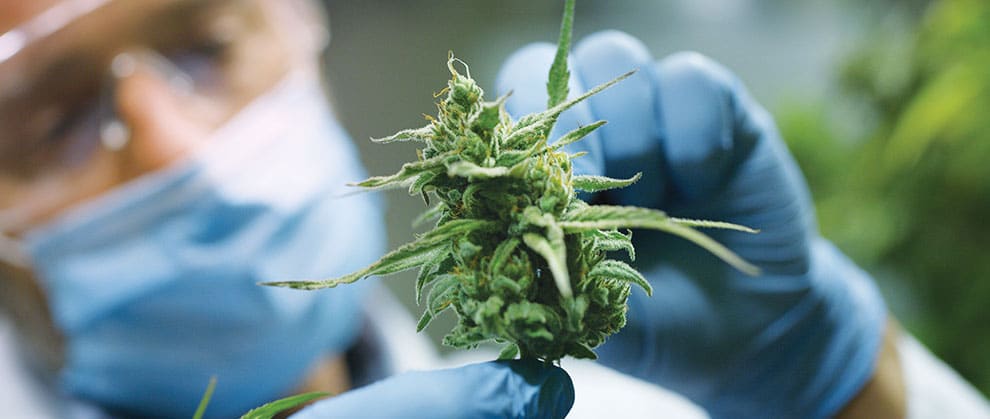
The 21st century has seen an exponential increase in research on the medical uses of cannabis. Clinical trials and observational studies have provided robust evidence supporting its efficacy in treating a variety of conditions, including chronic pain, epilepsy, multiple sclerosis, and cancer-related symptoms. The legalization of medical cannabis in numerous jurisdictions has facilitated this research by improving access to high-quality cannabis products and standardizing protocols.
FDA Approvals and Pharmaceutical Developments
In recent years, the U.S. Food and Drug Administration (FDA) has approved several cannabinoid-based medications, further validating the medical potential of cannabis. Epidiolex, a CBD-based medication, received FDA approval in 2018 for the treatment of severe epilepsy syndromes such as Dravet syndrome and Lennox-Gastaut syndrome. Other synthetic cannabinoids, such as dronabinol and nabilone, have been approved for treating chemotherapy-induced nausea and vomiting and AIDS-related anorexia.
Chemical Composition and Pharmacology of Cannabis
Cannabis is a complex plant with a rich chemical profile that contributes to its wide range of therapeutic effects. Understanding the chemical composition and pharmacology of cannabis is crucial to appreciating its medicinal potential. This section delves into the primary constituents of cannabis, their interactions with the human body, and the pharmacological mechanisms underlying their therapeutic effects.
Chemical Composition of Cannabis
Cannabis contains over 400 chemical entities, with more than 100 classified as cannabinoids. These cannabinoids, along with terpenes, flavonoids, and other compounds, contribute to the plant’s pharmacological profile.
Cannabinoids
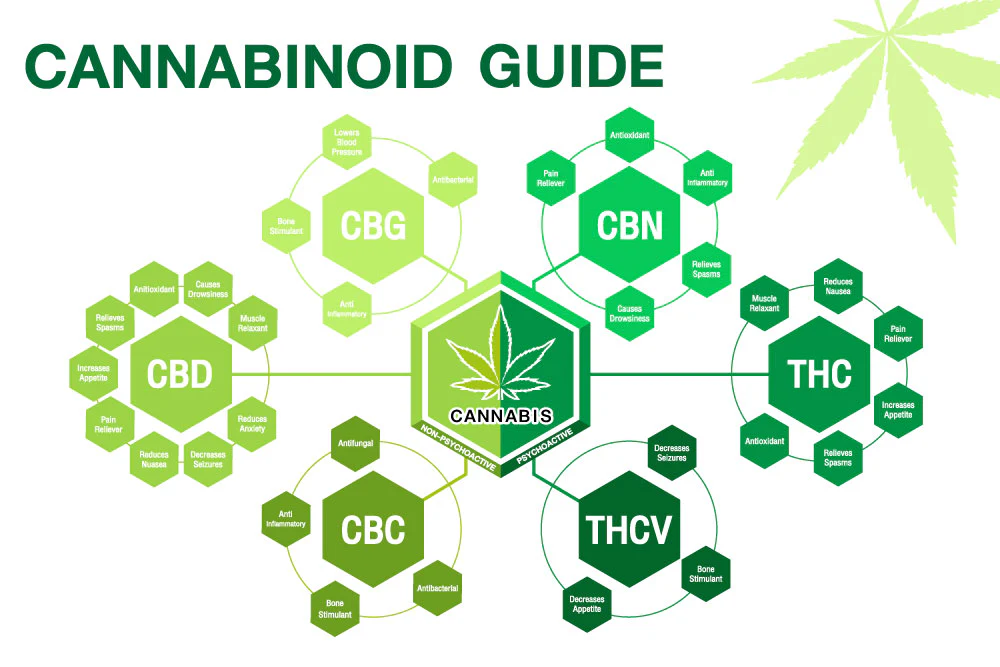
Cannabinoids are the primary active compounds in cannabis. They are unique to the cannabis plant and interact with the body’s endocannabinoid system (ECS). The two most well-known and studied cannabinoids are delta-9-tetrahydrocannabinol (THC) and cannabidiol (CBD), but other cannabinoids also play significant roles in cannabis’s therapeutic effects.
- Delta-9-Tetrahydrocannabinol (THC):
- Psychoactive Effects: THC is the principal psychoactive component of cannabis, responsible for the “high” associated with its use.
- Therapeutic Effects: THC has a wide range of medicinal properties, including analgesic, anti-inflammatory, antiemetic (anti-nausea), and appetite-stimulating effects. It is particularly effective in managing chronic pain, chemotherapy-induced nausea and vomiting, and appetite loss in conditions such as HIV/AIDS and cancer.
- Cannabidiol (CBD):
- Non-Psychoactive: CBD is not psychotropic like THC and does not give users a “high.”
- Therapeutic Effects: CBD is known for its anti-inflammatory, analgesic, anxiolytic (anxiety-reducing), and antiepileptic properties. It has shown efficacy in treating epilepsy (particularly treatment-resistant forms), anxiety disorders, chronic pain, and inflammatory conditions.
- Other Cannabinoids:
- Cannabinol (CBN): CBN is mildly psychoactive and is known for its sedative properties. It is often found in aged cannabis and may contribute to the plant’s sleep-inducing effects.
- Cannabigerol (CBG): CBG is non-psychoactive and has shown promise in preclinical studies for its potential antibacterial, anti-inflammatory, and neuroprotective effects.
- Cannabichromene (CBC): CBC is non-psychoactive and has demonstrated anti-inflammatory, analgesic, and neuroprotective properties in early research.
Terpenes
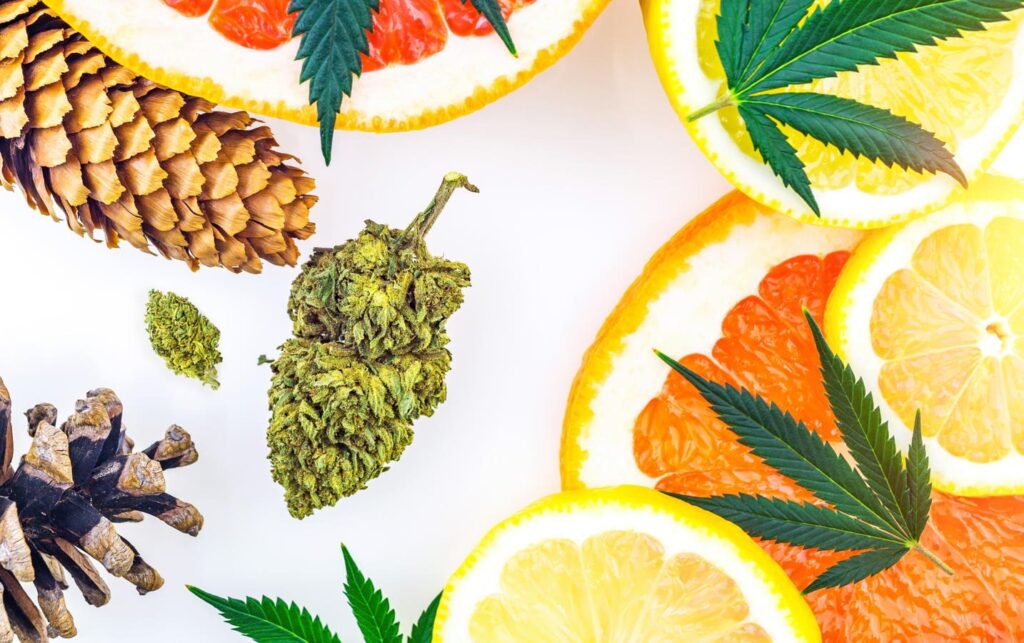
Terpenes are fragrant substances present in numerous plants, including cannabis. They contribute to the distinctive smell and flavor of cannabis and also modulate its effects. Common terpenes in cannabis include:
- Myrcene: Known for its musky, earthy scent, myrcene has sedative and muscle-relaxant properties. It is thought to enhance the psychoactive effects of THC.
- Limonene: With a citrusy aroma, limonene has mood-enhancing and anti-anxiety effects. It is also thought to possess antioxidant and anti-inflammatory qualities.
- Pinene: Pinene has a pine-like scent and is known for its anti-inflammatory, bronchodilator, and memory-enhancing effects.
- Linalool: Linalool has a floral scent and is known for its calming and sedative effects, making it beneficial for anxiety and stress relief.
Flavonoids
A class of phytonutrients called flavonoids is present in many different plants, including cannabis. They contribute to the plant’s color and may have antioxidant, anti-inflammatory, and anticancer properties. Cannflavins A and B are unique to cannabis and have shown potent anti-inflammatory effects in preclinical studies.
Pharmacology of Cannabinoids
The therapeutic effects of cannabinoids are mediated through their interaction with the endocannabinoid system (ECS), as well as other receptor systems in the body.
The Endocannabinoid System (ECS)
Numerous physiological processes, including pain, mood, appetite, and immunological function, are regulated by the intricate cell-signaling system known as the endogenous nervous system (ECS). There are three primary parts to the ECS:
- Endocannabinoids: It is the body that produces these naturally occurring cannabinoids. The two main types of endocannabinoids are 2-arachidonoylglycerol (2-AG) and anandamide (AEA).
- Receptors: The ECS has two main types of receptors:
- CB1 Receptors: Predominantly found in the central nervous system, CB1 receptors are involved in regulating pain, mood, appetite, and memory. THC primarily exerts its effects by binding to CB1 receptors.
- CB2 Receptors: CB2 receptors are mostly found in immune cells and the peripheral nervous system. They are essential for controlling immunological responses and inflammation. CBD interacts with CB2 receptors, among others, to exert its therapeutic effects.
- Enzymes: Enzymes such as fatty acid amide hydrolase (FAAH) and monoacylglycerol lipase (MAGL) are responsible for breaking down endocannabinoids after they have fulfilled their function.
Mechanisms of Action
- THC:
- CB1 and CB2 Receptor Agonism: By partially agonistically binding to both CB1 and CB2 receptors, THC imitates the actions of endocannabinoids such as anandamide. In addition to its medicinal benefits—such as pain reduction and appetite stimulation—this interaction has euphoric consequences.
- Neurotransmitter Modulation: By interacting with CB1 receptors in the brain, THC can influence the release of various neurotransmitters, including dopamine, serotonin, and gamma-aminobutyric acid (GABA), which play roles in mood regulation, pain perception, and motor control.
- CBD:
- Indirect Modulation of ECS: Unlike THC, CBD has a low affinity for CB1 and CB2 receptors. Instead, it modulates the ECS indirectly by inhibiting the enzyme FAAH, which breaks down anandamide. This results in increased levels of anandamide, enhancing its effects.
- Serotonin Receptor Activation: CBD acts as an agonist at the 5-HT1A serotonin receptor, contributing to its anxiolytic and antidepressant effects.
- TRPV1 Receptor Activation: CBD activates transient receptor potential vanilloid 1 (TRPV1) receptors, which are involved in pain perception and inflammation.
- Other Cannabinoids:
- CBN: CBN is a weak agonist at CB1 and CB2 receptors and is thought to have sedative effects. It might also possess anti-inflammatory and antibacterial qualities.
- CBG: CBG acts as a weak partial agonist at CB1 and CB2 receptors. It also interacts with other receptors, such as alpha-2 adrenergic receptors and 5-HT1A receptors, contributing to its potential therapeutic effects.
- CBC: CBC has a low affinity for CB1 and CB2 receptors but interacts with other receptors and ion channels, such as TRPV1 and TRPA1, which are involved in pain and inflammation.
Therapeutic Applications of Cannabis
The therapeutic applications of cannabis are diverse and continually expanding as research uncovers new medicinal uses for its compounds. Cannabis and its derivatives have shown promise in managing a wide range of medical conditions, primarily through the modulation of the endocannabinoid system (ECS) and other physiological pathways. Here, we explore the key therapeutic applications of cannabis, supported by clinical evidence and ongoing research.
Pain Management
The medical use of cannabis for pain management is among its most well-established applications. Both THC and CBD have been shown to have analgesic properties, making cannabis a valuable option for patients with chronic pain conditions.
Neuropathic Pain
Neuropathic pain, resulting from nerve damage, is often resistant to conventional pain medications. Cannabis has demonstrated efficacy in reducing neuropathic pain through its interaction with CB1 and CB2 receptors. Clinical studies have shown that inhalation or oral administration of cannabis can significantly reduce pain scores in patients with conditions like diabetic neuropathy, multiple sclerosis, and post-surgical nerve pain.
Cancer Pain
Cancer patients often experience severe pain, which can be difficult to manage with traditional analgesics. Cannabis can provide relief by reducing inflammation, modulating pain signaling pathways, and enhancing the effects of opioids. Studies have shown that THC, CBD, and their combinations can help alleviate cancer-related pain, improving patients’ quality of life.
Arthritis and Inflammatory Conditions
The anti-inflammatory properties of cannabinoids make cannabis an effective treatment for arthritis and other inflammatory conditions. CBD, in particular, has shown promise in reducing inflammation and pain in animal models of arthritis. Clinical trials have indicated that CBD can improve pain and function in patients with osteoarthritis and rheumatoid arthritis.
Neurological Disorders
Cannabis has shown promise in treating a variety of neurological disorders, thanks to its neuroprotective, anti-inflammatory, and anticonvulsant properties.
Epilepsy
CBD has been particularly effective in reducing seizure frequency and severity in patients with treatment-resistant epilepsy, such as Dravet syndrome and Lennox-Gastaut syndrome. The FDA-approved medication Epidiolex, derived from CBD, is used to treat these conditions. Clinical trials have demonstrated significant reductions in seizure frequency in patients taking Epidiolex, highlighting the potential of CBD as an antiepileptic agent.
Multiple Sclerosis (MS)
Cannabis can help manage symptoms of multiple sclerosis (MS), including muscle spasticity, pain, and bladder dysfunction. Sativex, an oromucosal spray containing THC and CBD, is approved in several countries for treating MS-related spasticity. Clinical studies have shown that Sativex can significantly reduce spasticity and improve patients’ overall quality of life.
Parkinson’s Disease
Cannabis may help Parkinson’s disease sufferers with their tremors, stiffness, and general quality of life, according to certain research. Specifically, CBD has demonstrated promise in lowering anxiety and enhancing the quality of sleep for Parkinson’s sufferers. To completely comprehend the advantages and dangers of cannabis use in this demographic, more research is necessary.
Mental Health
Cannabis is increasingly being explored for its potential benefits in mental health, particularly for conditions that are challenging to treat with conventional therapies.
Anxiety and Depression
CBD has anxiolytic and antidepressant effects, making it a promising treatment for various anxiety disorders, including generalized anxiety disorder, social anxiety disorder, and post-traumatic stress disorder (PTSD). Clinical studies have shown that CBD can reduce anxiety in both animal models and human trials. It is believed to achieve these effects by modulating serotonin receptors and enhancing endocannabinoid signaling.
Post-Traumatic Stress Disorder (PTSD)
Both THC and CBD have shown potential in reducing symptoms of PTSD, such as nightmares, flashbacks, and hypervigilance. Cannabis can help modulate the stress response and improve sleep quality. Some studies suggest that cannabis use is associated with a reduction in PTSD symptom severity, although more research is needed to establish optimal dosing and long-term effects.
Schizophrenia
While THC can exacerbate symptoms of schizophrenia, CBD has antipsychotic properties and is being investigated as a potential treatment for this condition. Clinical trials have shown that CBD can reduce psychotic symptoms and improve cognitive function in patients with schizophrenia, without the side effects associated with traditional antipsychotic medications.
Chronic Disease Management
Cannabis has applications in managing symptoms and improving the quality of life for patients with chronic diseases.
Cancer
Beyond pain management, cannabis can help alleviate chemotherapy-induced nausea and vomiting (CINV), stimulate appetite, and improve sleep in cancer patients. THC and CBD can both reduce CINV, and cannabis-based medications like dronabinol and nabilone are approved for this use. Additionally, cannabis can help counteract cancer-related cachexia (wasting syndrome) by stimulating appetite.
HIV/AIDS
Cannabis can reduce pain, improve appetite, and mitigate weight loss in patients with HIV/AIDS. Clinical studies have shown that cannabis use is associated with increased caloric intake, reduced muscle wasting, and improved mood in HIV/AIDS patients.
Crohn’s Disease and Irritable Bowel Syndrome (IBS)
The anti-inflammatory properties of cannabinoids can help reduce symptoms of inflammatory bowel diseases, including Crohn’s disease and IBS. Clinical trials have indicated that cannabis use can lead to symptom improvement, reduced inflammation, and enhanced quality of life in patients with these conditions.
Emerging Therapeutic Applications
As research into cannabis continues, new therapeutic applications are being explored.
Autoimmune Diseases
Due to its immunomodulatory properties, cannabis has the potential to cure autoimmune conditions like multiple sclerosis, rheumatoid arthritis, and lupus. According to preliminary research, cannabinoids may be able to halt the progression of disease by modifying immune responses and reducing inflammation.
Neurodegenerative Diseases
Cannabis has shown promise in preclinical studies for treating neurodegenerative diseases such as Alzheimer’s disease, Huntington’s disease, and amyotrophic lateral sclerosis (ALS). Cannabinoids’ neuroprotective and anti-inflammatory properties may help slow disease progression and alleviate symptoms.
Psychiatric Conditions
Beyond anxiety and PTSD, cannabis is being investigated for its potential to treat other psychiatric conditions, including bipolar disorder and obsessive-compulsive disorder (OCD). Early research suggests that cannabinoids can modulate neurotransmitter systems involved in mood regulation and compulsive behaviors.
Regulatory Changes and Legalization
The changing legal landscape has played a crucial role in the increased medical use of cannabis. Many countries and states have enacted legislation to allow medical cannabis use, reflecting a growing recognition of its therapeutic potential.
United States
In the United States, a patchwork of state laws governs the medical use of cannabis. California became the first state to legalize medical cannabis in 1996 with Proposition 215. Since then, many states have followed suit, each with its own regulatory framework. The 2018 Farm Bill federally legalized hemp-derived CBD, further expanding access to cannabinoid-based treatments.
International Landscape
Globally, several countries have legalized medical cannabis, including Canada, Germany, Israel, and Australia. Each country has its own regulatory approach, influencing how cannabis is prescribed and accessed by patients.
Ongoing Research and Future Directions
Research into the medical potential of cannabis is ongoing and continues to reveal new applications and mechanisms of action. Several areas of research are particularly promising:
Personalized Medicine
Advancements in genomics and personalized medicine are enabling a more tailored approach to cannabis therapy. By understanding individual variations in the ECS and cannabinoid metabolism, healthcare providers can optimize treatment plans to achieve better outcomes.
Synthetic and Semi-Synthetic Cannabinoids
The development of synthetic and semi-synthetic cannabinoids is an area of active research. These compounds can offer the therapeutic benefits of natural cannabinoids while minimizing psychoactive effects and other side effects. Examples include dronabinol and nabilone, which are synthetic versions of THC used to treat nausea and vomiting associated with chemotherapy.
Drug Delivery Systems
Innovations in drug delivery systems are enhancing the efficacy and safety of cannabinoid-based therapies. Methods such as transdermal patches, sublingual sprays, and nanoparticle formulations are being developed to improve bioavailability and provide more consistent dosing.
Expanding Indications
Research is continually expanding the list of medical conditions that can be treated with cannabis. Areas of interest include autoimmune diseases, neurodegenerative disorders, and psychiatric conditions. As evidence accumulates, cannabis may become a mainstream treatment option for a broader range of diseases.
Challenges and Controversies
Despite the growing acceptance of medical cannabis, several challenges and controversies remain:
Regulatory Hurdles
The regulatory environment for medical cannabis is complex and often inconsistent. In the United States, for example, cannabis remains a Schedule I substance under federal law, creating significant barriers to research and access. Harmonizing regulations at the federal and state levels is crucial for advancing medical cannabis.
Quality Control and Standardization
Ensuring the quality and consistency of cannabis products is a major challenge. Variability in cannabinoid content, contaminants, and lack of standardization can affect the safety and efficacy of cannabis treatments. Implementing rigorous quality control measures and standardizing products are essential for patient safety.
Stigma and Public Perception
The historical stigma associated with cannabis use continues to influence public perception and policy. Educating healthcare providers, patients, and the public about the scientific evidence supporting medical cannabis is vital for overcoming this stigma and integrating cannabis into mainstream medicine.
Conclusion
Cannabis has made a profound impact on medicine through its complex history, diverse chemical composition, and wide-ranging therapeutic applications. The journey of cannabis from an ancient remedy to a modern medical marvel is marked by significant milestones in scientific discovery, regulatory changes, and shifting public perceptions.
Historical Context
Cannabis has been used for medicinal purposes for thousands of years, with documented use in ancient China, India, Egypt, and Greece. Despite its long history, the early 20th century saw the prohibition of cannabis, driven by sociopolitical factors rather than scientific evidence. The Marihuana Tax Act of 1937 and the Controlled Substances Act of 1970 in the United States severely restricted its use and research. However, the counterculture movement of the 1960s and 1970s, along with scientific breakthroughs such as the discovery of THC and the endocannabinoid system, reignited interest in its medicinal potential.
Chemical Composition and Pharmacology
Cannabis contains over 400 chemical entities, with more than 100 classified as cannabinoids. The primary cannabinoids, THC and CBD, interact with the endocannabinoid system (ECS), a crucial regulator of physiological processes such as pain, mood, and appetite. THC is known for its psychoactive effects and therapeutic properties, including pain relief and appetite stimulation. CBD, on the other hand, is non-psychoactive and has shown promise in treating conditions such as epilepsy, anxiety, and inflammation. Other cannabinoids, such as CBN, CBG, and CBC, also contribute to the plant’s medicinal properties. Terpenes and flavonoids, present in cannabis, further enhance its therapeutic potential through their anti-inflammatory, analgesic, and antioxidant effects.
Therapeutic Applications
The therapeutic applications of cannabis are diverse and expanding. It is widely used for pain management, particularly in conditions like neuropathic pain, cancer pain, and arthritis. Cannabis has shown promise in treating neurological disorders, including epilepsy, multiple sclerosis, and Parkinson’s disease. In the realm of mental health, cannabis, particularly CBD, has been explored for its potential to alleviate anxiety, depression, and PTSD. Additionally, cannabis has applications in managing chronic diseases such as cancer, HIV/AIDS, and inflammatory bowel diseases. Emerging research suggests potential benefits for autoimmune diseases, neurodegenerative conditions, and other psychiatric disorders.
Regulatory Changes and Legalization
The regulatory landscape for cannabis has undergone significant transformations. California’s Proposition 215 in 1996 marked the beginning of the modern era of medical cannabis legalization in the United States. Since then, numerous states and countries have enacted medical cannabis laws, providing patients with access to cannabis-based treatments. The 2018 Farm Bill federally legalized hemp, facilitating the production and research of CBD. Internationally, countries like Canada, Germany, Israel, and Australia have established comprehensive medical cannabis programs. Legalization has increased patient access, expanded research, and spurred the development of standardized cannabis-based medications. However, challenges such as regulatory hurdles, quality control, and stigma remain.
The Future of Medical Cannabis
The future of medical cannabis is promising, with ongoing research and regulatory reforms expected to expand its therapeutic applications and benefits. As scientific understanding of the endocannabinoid system and cannabinoid pharmacology deepens, personalized medicine approaches may optimize cannabis therapy for individual patients. Innovations in drug delivery systems and the development of synthetic and semi-synthetic cannabinoids are likely to enhance the efficacy and safety of cannabis-based treatments.
Education and advocacy will continue to play vital roles in changing public perceptions and integrating cannabis into mainstream medicine. By addressing regulatory challenges and ensuring quality control, the medical cannabis industry can provide safe, effective, and accessible treatments for a wide range of medical conditions.
In conclusion, cannabis’s impact on medicine is a testament to its enduring therapeutic value and the dynamic interplay of science, policy, and public perception. From ancient healing traditions to modern medical breakthroughs, cannabis has proven to be a versatile and valuable tool in improving human health and well-being. As research progresses and regulations evolve, cannabis is poised to become an integral part of modern medical practice, offering new hope and relief to patients worldwide.
