Table of Contents
Why Do Some Seeds Fail to Germinate?
Germination is the critical first step in cannabis cultivation, but not all seeds sprout successfully. Several key factors can influence this process, leading to failed germination.
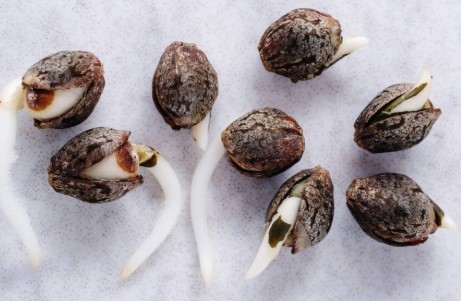
1. Seed Quality
- Age and Storage: Old seeds or seeds stored improperly (exposed to heat, moisture, or light) lose viability over time.
- Immature Seeds: Seeds that are pale, soft, or greenish often lack the internal development necessary for germination.
- Genetics: Poor-quality genetics or seeds from unreliable breeders may have low germination rates due to weak embryonic development.
2. Environmental Conditions
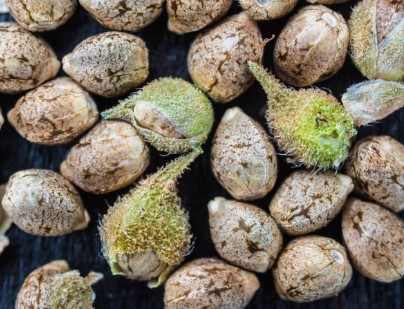
- Temperature: Ideal germination temperatures range from 70–85°F (21–29°C). Too cold or too hot can stall or kill developing embryos.
- Moisture: Seeds need to stay moist (but not soaked). Overwatering can cause seeds to rot, while dryness prevents activation.
- Oxygen: Lack of airflow or compacted mediums can lead to low oxygen, suffocating the seed.
3. Contamination & Disease
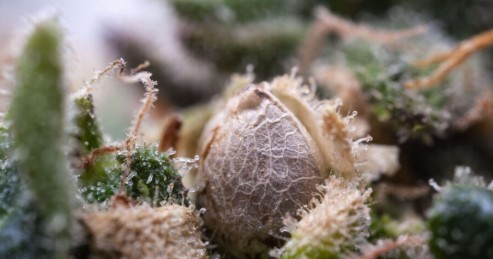
- Fungal or Bacterial Infections: Using non-sterile equipment or media can introduce pathogens that kill seeds before they sprout.
- Chlorinated Water: Tap water with high chlorine levels can damage or inhibit delicate seedling cells.
4. Improper Techniques
- Incorrect Depth: Planting seeds too deep restricts oxygen and exhausts the seed’s energy reserve before it reaches light.
- Handling Damage: Crushing or cracking seeds during handling can prevent successful sprouting.
Conclusion
Successful germination requires healthy seeds, optimal environmental conditions, and sterile handling. Monitoring these factors can greatly improve your germination success rate and overall crop quality.
