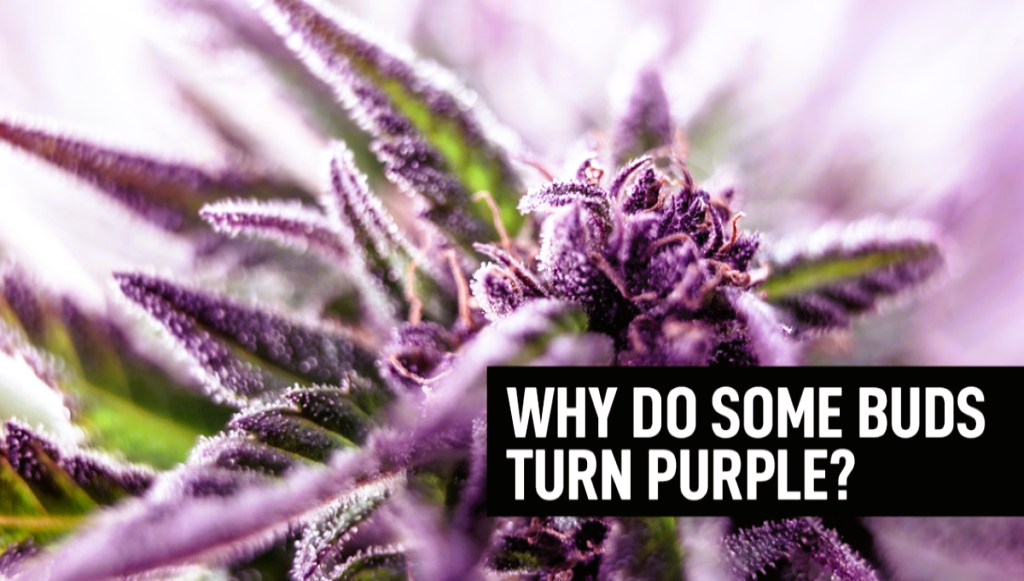
Why Do Some Cannabis Strains Turn Purple Indoors?
Introduction
Cannabis, a plant revered for its medicinal and psychoactive properties, exhibits a diverse range of colors, with some strains notably turning purple. This color change, particularly prominent in indoor cultivation, is a subject of intrigue and curiosity. This article explores the minor details behind why some cannabis strains turn purple indoors, touching on the roles of genetics, environmental factors, and cultivation techniques.
Pigmentation in Cannabis
Cannabis plants, like many other plant species, exhibit a variety of colors due to the presence of different pigments. The primary pigments in cannabis include chlorophyll, carotenoids, and anthocyanins. Each of these pigments plays a specific role in the plant’s physiology and contributes to its overall appearance.
1. Chlorophyll
Chlorophyll is the most abundant pigment in cannabis and is responsible for its green color. It is essential to the mechanism by which plants turn light energy into chemical energy—a process known as photosynthesis.
- Function: Chlorophyll absorbs light, primarily in the blue and red wavelengths, and converts it into energy for the plant. Carbohydrates are then created using this energy by combining water and carbon dioxide.
- Color: Chlorophyll gives plants their characteristic green color because it reflects green light while absorbing other wavelengths.
2. Carotenoids
Another class of pigments included in cannabis are called carotenoids. These pigments produce yellow, orange, and red hues and are also involved in photosynthesis.
- Function: Carotenoids assist in photosynthesis by capturing light energy and passing it to chlorophyll. They also protect plant cells from damage caused by excessive light exposure.
- Color: Carotenoids produce yellow, orange, and red colors, which can be seen in some cannabis strains, especially in the leaves and flowers as they mature.
3. Anthocyanins
Anthocyanins are water-soluble pigments responsible for red, blue, and purple colors in cannabis. These pigments are found in the vacuoles of plant cells and can vary in color depending on the pH level of the cell sap.
- Function: Anthocyanins protect plants from environmental stresses such as UV radiation, drought, and temperature fluctuations. In addition, they can discourage herbivores and draw in pollinators.
- Color: Anthocyanins can appear red, purple, or blue. In cannabis, they are often responsible for the striking purple hues seen in certain strains, particularly under specific environmental conditions.
Factors Influencing Pigmentation in Cannabis
The pigmentation in cannabis plants, particularly the striking purple hues seen in some strains, is influenced by a variety of factors. These variables can be roughly divided into three categories: stress-related, environmental, and genetic effects. Each of these plays a significant role in determining the overall coloration of the plant.
1. Genetic Factors
The genetic makeup of a cannabis plant is the primary determinant of its pigment composition. Certain strains are naturally predisposed to produce higher levels of anthocyanins, the pigments responsible for red, blue, and purple colors.
1.1 Genetic Predisposition
- Strain Selection: Breeders have developed strains specifically for their ability to produce vibrant colors. Strains such as Granddaddy Purple, Purple Kush, and Blackberry Kush are renowned for their deep purple hues, a trait passed down through selective breeding.
- Inheritance of Traits: The ability to produce anthocyanins is a heritable trait. Plants that carry the genes for high anthocyanin production will pass these traits to their offspring, making genetic selection a crucial aspect of breeding purple cannabis strains.
2. Environmental Factors
Environmental conditions play a significant role in the expression of pigmentation in cannabis plants. These factors include temperature, light exposure, and nutrient availability, all of which can influence the levels of anthocyanins and other pigments.
2.1 Temperature
- Cool Night Temperatures: Lower nighttime temperatures can enhance anthocyanin production by inhibiting chlorophyll synthesis, allowing the purple pigments to become more visible. Ideal nighttime temperatures for promoting purple hues are typically around 50-60°F (10-15°C).
- Day-Night Temperature Variance: A significant difference between daytime and nighttime temperatures can also stimulate anthocyanin production. This temperature variance can mimic the natural conditions cannabis plants experience in their native environments.
2.2 Light Exposure
- Light Intensity: The intensity of light the plants receive can affect pigment production. High light intensity can enhance overall plant health and pigment synthesis.
- Light Spectrum: The spectrum of light is crucial, with blue and UV light promoting anthocyanin synthesis. Many indoor growers use LED lights that emit specific wavelengths to encourage the production of these pigments.
- Photoperiod: The duration of light exposure (photoperiod) can influence flowering and pigment production. Shortening the light period during the flowering stage can enhance anthocyanin visibility as chlorophyll levels decrease.
2.3 Nutrient Availability
- Phosphorus Levels: Adequate phosphorus is essential for many plant processes, including pigment synthesis. Ensuring that plants have sufficient phosphorus during key growth stages can support anthocyanin production.
- Nitrogen Deficiency: Lower nitrogen levels can reduce chlorophyll production, allowing anthocyanins to become more prominent. Controlled nitrogen deficiency can be used to enhance purple coloration without compromising plant health.
3. Stress Factors
Plants produce anthocyanins in response to various stress factors as part of their defense mechanisms. These stress responses can be induced intentionally by growers to enhance pigmentation.
3.1 pH Levels
- Acidic Conditions: Anthocyanin production is often favored by acidic conditions (low pH). Adjusting the pH of the growing medium to slightly acidic levels can encourage purple pigmentation.
- pH Manipulation: Growers can carefully adjust the pH of the soil or nutrient solution to create optimal conditions for anthocyanin synthesis. However, this must be done with precision to avoid damaging the plant.
3.2 Water Stress
- Controlled Drought: Periodic drought conditions can stimulate anthocyanin production. Water stress triggers the plant’s defense mechanisms, leading to increased pigment synthesis.
- Watering Techniques: Growers can use controlled watering techniques to induce mild water stress, promoting the development of purple hues without significantly harming the plant.
3.3 Nutrient Stress
- Nutrient Limitation: Limiting certain nutrients, particularly nitrogen, can enhance anthocyanin production. Nitrogen stress causes chlorophyll breakdown, making anthocyanins more visible.
- Balanced Stress: While inducing nutrient stress can promote pigmentation, it must be balanced to ensure the plant remains healthy and productive. Excessive stress can lead to reduced yields and poor plant health.
4. Cultivation Techniques
Growers can precisely regulate the ambient conditions in indoor production, which gives them the ability to manipulate elements that affect pigmentation.
4.1 Temperature Control
- Day-Night Temperature Regulation: Maintaining warmer temperatures during the day and cooler temperatures at night can promote anthocyanin production.
- Climate Control Systems: Using advanced climate control systems, indoor growers can create ideal conditions for pigment synthesis, including managing humidity and airflow.
4.2 Light Management
- LED Lighting: Utilizing LED lights that provide specific wavelengths, particularly in the blue and UV spectrum, can enhance anthocyanin production.
- Light Cycle Adjustment: Adjusting the light cycle, including reducing light exposure during the flowering stage, can make anthocyanins more visible by decreasing chlorophyll levels.
4.3 Nutrient Regimen
- Phosphorus Supplementation: Providing adequate phosphorus during critical growth stages supports pigment synthesis.
- Nitrogen Management: Balancing nitrogen levels to induce mild stress without compromising plant health can enhance pigmentation.
5. Harvest Timing
The timing of harvest can influence the coloration of cannabis buds. Allowing plants to mature fully and undergo late-stage flowering conditions can enhance anthocyanin accumulation.
- Extended Flowering Period: Extending the flowering period can allow for greater anthocyanin production, resulting in more vibrant colors.
- Final Flush: Implementing a final flush with pure water or a pH-adjusted solution can help highlight pigments by reducing chlorophyll levels.
6. Post-Harvest Factors
After harvesting, maintaining the purple coloration requires careful application of drying and curing methods. Exposure to light and heat during these processes can degrade anthocyanins, so careful handling and storage are crucial.
- Drying Conditions: Maintaining optimal drying conditions, such as low temperatures and low light exposure, can preserve the color and quality of the buds.
- Curing Techniques: Proper curing in dark, cool, and controlled environments can prevent pigment degradation and maintain the vibrant colors of the cannabis.
Market Appeal and Consumer Preferences Regarding Medical Benefits
The pigmentation of cannabis, particularly the presence of vibrant purple hues, is not only aesthetically pleasing but also carries significant market appeal. However, beyond visual attractiveness, the medical benefits associated with certain pigmented strains play a crucial role in consumer preferences. This section delves into how market appeal and consumer preferences are influenced by the perceived and actual medical benefits of purple cannabis strains.
Visual Appeal and Market Demand
The striking appearance of purple cannabis strains can enhance their market value. Purple hues can make cannabis flowers stand out, appealing to both recreational users and medical patients.
- Aesthetic Value: The unique coloration is often associated with high quality and potency, making purple strains more desirable.
- Brand Differentiation: Growers and dispensaries use purple strains to differentiate their products in a crowded market, leveraging the visual appeal to attract consumers.
Perceived Potency and Quality
Consumers often associate the vibrant colors of purple cannabis with superior potency and quality, although color alone does not determine these factors.
- Marketing Strategies: Dispensaries may market purple strains as premium products, enhancing their allure through packaging and branding that emphasize their unique appearance.
- Consumer Perception: The perception of higher potency and quality can drive consumers to choose purple strains over others, even if the actual cannabinoid content is similar.
Medical Benefits and Anthocyanins
Anthocyanins, the pigments responsible for purple coloration, are flavonoids with potential health benefits. While research specific to cannabis anthocyanins is limited, their presence in other plants suggests possible therapeutic properties.
- Antioxidant Properties: Anthocyanins are known for their antioxidant effects, which can help reduce oxidative stress and inflammation.
- Anti-Inflammatory Effects: The anti-inflammatory properties of anthocyanins may benefit conditions such as arthritis and other inflammatory disorders.
- Neuroprotective Potential: Some studies indicate that anthocyanins can have neuroprotective effects, potentially aiding in the prevention and treatment of neurodegenerative diseases.
Consumer Preferences for Medical Use
Medical cannabis users may prefer purple strains for several reasons, including the potential additional benefits of anthocyanins and the perceived efficacy of these strains.
- Symptom Relief: Patients seeking relief from specific symptoms, such as chronic pain, inflammation, or anxiety, might be drawn to purple strains based on anecdotal evidence and personal experiences.
- Holistic Health: Consumers interested in holistic and natural health remedies might favor strains with high anthocyanin content due to their antioxidant and anti-inflammatory properties.
Strain-Specific Medical Benefits
Certain purple cannabis strains are reputed for their medical benefits, which can influence consumer preferences.
- Granddaddy Purple (GDP): Known for its potent relaxing effects, GDP is often used to alleviate pain, insomnia, and stress. The deep purple coloration and high THC content make it a popular choice among medical users.
- Purple Kush: Valued for its strong sedative effects, Purple Kush is commonly used to treat pain, insomnia, and anxiety. Its vibrant purple buds enhance its market appeal.
- Blackberry Kush: This strain is favored for its ability to relieve pain and stress while promoting relaxation. The dark purple coloration and fruity aroma add to its desirability.
Terpene Profiles and Therapeutic Effects
In addition to their visual appeal, purple strains often have distinctive terpene profiles that contribute to their therapeutic effects.
- Terpenes: Compounds such as myrcene, pinene, and limonene, commonly found in purple strains, have various medicinal properties, including anti-inflammatory, analgesic, and anxiolytic effects.
- Aroma and Flavor: The unique terpene profiles of purple strains, often with fruity and berry-like aromas, can enhance the overall user experience and therapeutic benefits.
Consumer Education and Awareness
Educating consumers about the potential medical benefits of purple cannabis strains can influence purchasing decisions and market trends.
- Dispensary Guidance: Providing information about the specific medical benefits of purple strains can help consumers make informed choices based on their health needs.
- Research and Development: Continued research into the medical properties of anthocyanins and other compounds in purple strains can further validate their therapeutic potential and enhance consumer trust.
Conclusion
The phenomenon of cannabis plants turning purple, especially in indoor cultivation, is a captivating interplay of genetics, environmental factors, and horticultural techniques. Understanding why some cannabis strains exhibit this vibrant purple hue requires an in-depth examination of several key components: pigmentation, genetic predisposition, environmental conditions, stress responses, and market influences. Each of these elements contributes to the overall ability of a cannabis plant to develop and showcase its purple coloration.
Genetic Factors: The Blueprint for Purple Cannabis
At the core of purple cannabis lies its genetic makeup. Certain strains have a genetic tendency to produce more of the pigments called anthocyanins, which give hues like red, blue, and purple. Notable strains such as Granddaddy Purple, Purple Kush, Blackberry Kush, and Purple Haze have been selectively bred to enhance their anthocyanin expression. These strains naturally exhibit more intense purple hues when grown under the right conditions, making genetics the foundational blueprint for achieving purple cannabis.
Environmental Influences: Crafting the Perfect Conditions
While genetics provide the potential for purple coloration, environmental factors are crucial in activating and intensifying this potential. Key environmental influences include:
- Temperature: Cooler nighttime temperatures inhibit chlorophyll production, allowing anthocyanins to become more prominent. Indoor growers often manipulate temperatures by maintaining warmer conditions during the day and cooler conditions at night, effectively enhancing the purple hues.
- Light Exposure: The spectrum and intensity of light play a significant role in anthocyanin synthesis. Blue and UV light, in particular, stimulate anthocyanin production. Indoor cultivation benefits from LED lights with specific spectra designed to encourage purple pigmentation. Additionally, reducing light exposure during the final flowering stages can enhance the visibility of anthocyanins as chlorophyll levels decrease.
- Nutrient Levels: Phosphorus, a vital nutrient for plant processes, supports pigment synthesis, including anthocyanins. Adjusting nutrient regimens to ensure adequate phosphorus availability during critical growth stages can promote purple coloration.
Stress Responses: Triggering Anthocyanin Production
Plants often produce anthocyanins as a response to various stress factors. These pigments serve as part of the plant’s defense mechanism. Key stress responses include:
- pH Levels: Acidic conditions favor anthocyanin production. Growers can adjust the pH of the growing medium to encourage purple hues, though careful management is required to avoid harming the plant.
- Water Stress: Controlled water stress, such as periodic drought conditions, can trigger anthocyanin production, enhancing the plant’s purple coloration.
- Nutrient Stress: Limiting certain nutrients, particularly nitrogen, can lead to chlorophyll breakdown and make anthocyanins more visible. However, this must be managed carefully to avoid compromising plant health and yield.
Harvest Timing and Post-Harvest Care: Preserving the Purple
The timing of the harvest significantly impacts the final coloration of cannabis buds. Allowing plants to mature fully and manipulating environmental conditions during the late flowering stages can enhance anthocyanin accumulation. Post-harvest care, including proper drying and curing techniques, is essential to preserve the purple coloration. Exposure to light and heat during these processes can degrade anthocyanins, so careful handling and storage are crucial.
Market Appeal and Consumer Preferences: The Allure of Purple Cannabis
Purple cannabis strains hold significant market appeal due to their unique appearance and perceived potency. The vibrant purple hues of these strains make them visually striking and desirable among consumers. Additionally, purple strains often have distinctive terpene profiles, contributing to their fruity, berry-like aromas and enhancing their overall appeal.
However, it is important to note that the purple coloration does not necessarily correlate with higher potency or better quality. The presence of anthocyanins does not influence the levels of cannabinoids like THC or CBD. Consumers should consider other factors, such as cannabinoid content and terpene profiles, when evaluating the quality of cannabis.
Final Thoughts: The Art and Science of Cultivating Purple Cannabis
The transformation of cannabis plants to exhibit purple hues indoors is a testament to the art and science of cultivation. By understanding and manipulating the genetic, environmental, and stress factors involved, growers can produce visually stunning and marketable purple cannabis strains. The ability to achieve and enhance this coloration reflects the grower’s skill and knowledge in creating optimal conditions for anthocyanin production.
In summary, the purple coloration of cannabis strains grown indoors is a multifaceted phenomenon influenced by genetic predisposition, temperature fluctuations, light intensity, nutrient availability, and stress responses. Through careful management and manipulation of these factors, growers can cultivate cannabis strains with enhanced purple pigmentation, meeting the market demand for visually appealing and unique products. The allure of purple cannabis continues to captivate both growers and consumers, blending scientific understanding with the artistry of cultivation.
