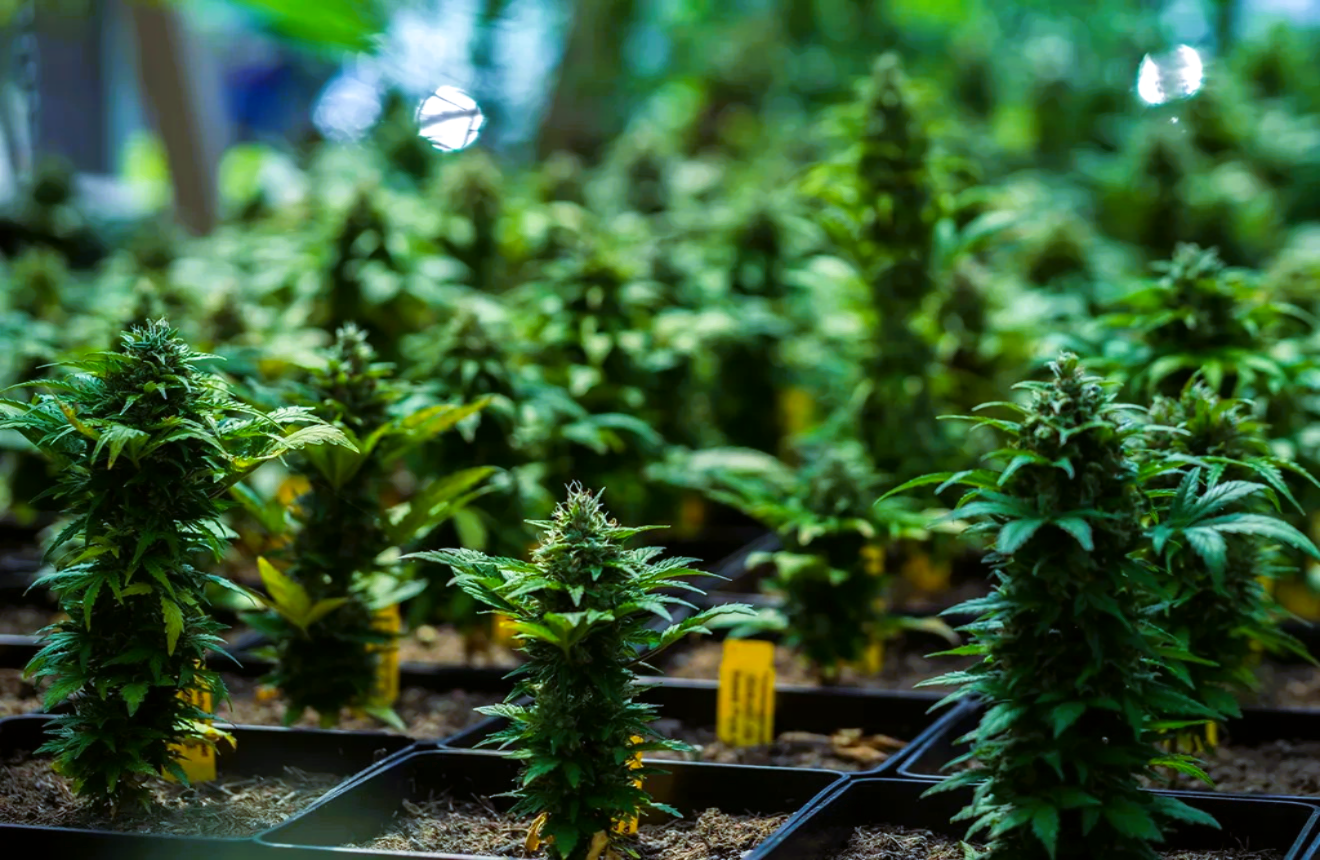
Detailed Explanation on Why Autoflowering Cannabis Plants Tend to Stay Small
Introduction to Autoflowering Cannabis
Autoflowering cannabis plants are a type of Cannabis sativa that switch from the vegetative stage to the flowering stage automatically with age, rather than relying on a change in the light cycle. This trait is due to the genetic influence of Cannabis ruderalis, a subspecies native to regions with harsh climates and short growing seasons.
Genetic Influence on Autoflowering Cannabis Plant Size
The genetic basis of autoflowering cannabis plants’ small size is primarily derived from their Cannabis ruderalis lineage. Understanding the genetic influence requires a closer look at the origin, adaptation, and selective breeding processes that have shaped these plants.
Origin and Evolution of Cannabis Ruderalis
Cannabis ruderalis is a subspecies of Cannabis sativa that evolved in the harsh climates of Central Russia and other regions with extreme weather conditions. The short summers and long, harsh winters in these areas necessitated a plant that could complete its life cycle rapidly. Over time, Cannabis ruderalis adapted to these conditions, developing several key characteristics:
- Autoflowering Trait: Unlike Cannabis sativa and Cannabis indica, which rely on changes in light cycles to trigger flowering, Cannabis ruderalis flowers based on age. This adaptation allowed the plant to complete its life cycle within a very short growing season.
- Rapid Growth Cycle: To ensure survival and reproduction before the onset of winter, Cannabis ruderalis plants evolved to grow, flower, and set seed within a span of 8-12 weeks. This rapid growth cycle inherently limits the time available for vegetative growth, resulting in smaller overall plant size.
- Short Stature: The plant’s small size is a direct result of its need to complete its life cycle quickly. Cannabis ruderalis typically grows between 30-100 cm tall, with a more compact and bushy structure compared to other cannabis subspecies.
Genetic Mechanisms of Autoflowering
The autoflowering trait in Cannabis ruderalis is controlled by specific genetic mechanisms that differ from those in photoperiod cannabis plants. These genetic differences are crucial to understanding why autoflowering plants stay small:
- Flowering Genes: In photoperiod cannabis plants, flowering is triggered by the FT (Flowering Locus T) protein, which responds to changes in light. In contrast, autoflowering plants possess a different regulatory mechanism that initiates flowering based on the plant’s age and internal genetic clock.
- Vernalization: Cannabis ruderalis plants do not require vernalization (a period of cold exposure) to flower, unlike some other plants. This trait is advantageous in regions with short growing seasons and further contributes to the plant’s rapid life cycle.
- Reduced Vegetative Growth Genes: Genes associated with vegetative growth are downregulated in autoflowering plants. This genetic regulation prioritizes flowering and seed production over vegetative expansion, leading to smaller plant size.
Growth Cycle of Autoflowering Cannabis Plants
The growth cycle of autoflowering cannabis plants is one of the primary factors contributing to their smaller size compared to photoperiod strains. Autoflowering plants complete their entire lifecycle, from seed to harvest, in a significantly shorter period. This rapid development is a direct result of their genetic heritage and influences every stage of growth. Understanding the growth cycle of autoflowering plants is crucial for growers to optimize cultivation practices and maximize yield.
Overview of the Growth Cycle
Autoflowering cannabis plants transition through several distinct stages during their lifecycle. Every step has distinct qualities and prerequisites:
- Germination (0-1 week)
- Seedling Stage (1-2 weeks)
- Vegetative Stage (2-4 weeks)
- Pre-Flowering Stage (4-5 weeks)
- Flowering Stage (5-10 weeks)
- Harvest (10-12 weeks)
Germination (0-1 week)
Germination is the process where the cannabis seed cracks open, and the initial root (taproot) begins to grow. This stage is critical as it sets the foundation for the plant’s development. Proper germination requires:
- Moisture: Seeds need to be kept moist but not waterlogged.
- Temperature: Ideal temperatures range from 70-85°F (21-29°C).
- Darkness: Seeds typically germinate best in dark conditions.
Common germination methods include:
- Paper Towel Method: Dividing seeds amongst wet paper towels.
- Soaking in Water: Allowing seeds to soak in water until they sprout.
- Direct Planting: Planting seeds directly into the growing medium.
Seedling Stage (1-2 weeks)
The seedling stage begins when the seedling emerges from the soil and the first set of true leaves appear. During this stage:
- Light: Seedlings require ample light, typically 18-24 hours of light per day.
- Humidity: High humidity levels (65-80%) support seedling growth.
- Nutrients: Minimal nutrients are needed, as seedlings are delicate and can be easily overfed.
Key characteristics of this stage include:
- Development of the first set of true leaves.
- Establishment of the root system.
- Rapid but small-scale growth.
Vegetative Stage (2-4 weeks)
The plant concentrates on growing its structural components, such as leaves, stems, and roots, during the vegetative stage. However, for autoflowering plants, this stage is significantly shorter than for photoperiod plants. Key aspects include:
- Light: Consistent light exposure (18-24 hours per day) promotes growth.
- Nutrients: Gradual introduction of nutrients, focusing on nitrogen to support leafy growth.
- Watering: Frequent irrigation is necessary to keep the soil damp but not soggy.
Characteristics of the vegetative stage:
- Both height and leaf yield are growing quickly.
- Growth of a stronger root system.
- Formation of multiple leaf nodes.
Pre-Flowering Stage (4-5 weeks)
The pre-flowering stage is a brief transitional period where the plant begins to show signs of sex and prepares to enter full flowering. During this stage:
- Sex Identification: Plants will start to show pre-flowers, which can be identified as either male (pollen sacs) or female (pistils).
- Nutrient Shift: Transitioning to a balanced nutrient mix that includes phosphorus and potassium to support flowering.
Characteristics of the pre-flowering stage:
- Appearance of pre-flowers at the nodes.
- Slight stretch in growth as the plant transitions to flowering.
- Preparation for bud development.
Flowering Stage (5-10 weeks)
The flowering stage is the most critical phase for bud production. Autoflowering plants will flower regardless of light schedule, though maintaining 18-24 hours of light per day can maximize yield. Key aspects of this stage include:
- Light: Continuous light exposure supports bud development.
- Nutrients: Emphasis on phosphorus and potassium to support flowering, while reducing nitrogen.
- Watering: Regular watering with attention to preventing overwatering.
Characteristics of the flowering stage:
- Formation and development of buds.
- Increased resin and trichome production.
- Swelling of buds and pistils changing color (indicating maturity).
Harvest (10-12 weeks)
The harvest stage marks the culmination of the plant’s lifecycle. Proper timing and techniques are essential to maximize yield and potency. Key considerations include:
- Trichome Color: Harvest timing is often determined by the color of the trichomes (resin glands) on the buds, which change from clear to milky white and then to amber.
- Pistil Color: The pistils (hairs) on the buds will change color from white to brown/orange as the plant matures.
- Flushing: Flushing the plant with pure water for 1-2 weeks before harvest can help remove any residual nutrients, improving flavor and smoothness.
Characteristics of the harvest stage:
- Determination of harvest timing based on trichome and pistil coloration.
- Cutting and drying the plants to preserve potency and flavor.
- Curing the dried buds to enhance taste and aroma.
Practical Tips for Maximizing Growth and Yield
While autoflowering plants inherently remain small, growers can employ several techniques to maximize their growth and yield:
- Optimal Light Exposure: Ensuring plants receive 18-24 hours of light per day can promote vigorous growth and bud development.
- Proper Nutrient Management: Using a balanced nutrient regimen tailored to each stage of growth can enhance plant health and productivity.
- Low-Stress Training (LST): Techniques such as bending and tying down branches can improve light penetration and bud development without significantly stressing the plant.
- Adequate Watering: Maintaining consistent moisture levels while avoiding overwatering supports healthy root development and overall plant growth.
- Environmental Control: Maintaining optimal temperature, humidity, and air circulation can prevent stress and promote robust growth.
Environmental Influences on Autoflowering Cannabis Plant Size
Environmental factors play a significant role in determining the growth and development of autoflowering cannabis plants. While genetics set the foundation for the plant’s characteristics, including its relatively small size, optimal environmental conditions can help maximize the potential of autoflowering plants. This section explores the key environmental influences that affect the size and overall health of autoflowering cannabis plants.
Key Environmental Factors
- Light
- Temperature
- Humidity
- Soil Quality
- Nutrients
- Watering
- Air Circulation
1. Light
Light is one of the most critical factors influencing the growth of autoflowering cannabis plants. Unlike photoperiod plants, autoflowers do not depend on light cycles to initiate flowering, but they still require ample light to thrive.
- Light Duration: Autoflowers benefit from long periods of light. Providing 18-24 hours of light per day can enhance growth and bud production.
- Light Intensity: Sufficient light intensity ensures that the plants receive the energy needed for photosynthesis, leading to vigorous growth.
- Light Spectrum: Using full-spectrum LED lights or a combination of blue and red light can support both vegetative growth and flowering.
2. Temperature
Temperature regulation is crucial for the healthy growth of autoflowering cannabis plants. Extreme temperatures can stress the plants and stunt their growth.
- Optimal Range: The ideal temperature range for autoflowers is between 70-85°F (21-29°C) during the day and slightly cooler at night.
- Heat Stress: Temperatures above 85°F (29°C) can cause heat stress, leading to wilting, leaf burn, and reduced growth.
- Cold Stress: Temperatures below 60°F (15°C) can slow down metabolic processes, affecting overall plant health and growth.
3. Humidity
Humidity levels must be carefully managed to prevent issues such as mold, mildew, and pests, while also supporting the plant’s growth stages.
- Seedling Stage: High humidity levels (65-80%) are beneficial during the seedling stage to promote strong initial growth.
- Vegetative Stage: Moderate humidity levels (55-70%) support vigorous vegetative growth.
- Flowering Stage: Lower humidity levels (40-50%) are essential during flowering to prevent mold and mildew on developing buds.
4. Soil Quality
Soil quality directly impacts the plant’s ability to absorb nutrients and water, which are essential for growth.
- Soil Composition: Well-draining soil with a balanced mix of organic matter, perlite, and vermiculite provides a stable growing medium.
- pH Levels: Maintaining a soil pH between 6.0 and 7.0 ensures optimal nutrient availability and absorption.
- Soil Amendments: Adding organic compost, worm castings, and beneficial microbes can enhance soil fertility and plant health.
5. Nutrients
Nutrient management is critical for the growth and development of autoflowering cannabis plants. While autoflowers generally require fewer nutrients than photoperiod plants, providing the right balance is essential.
- Seedling Stage: Minimal nutrients are required during the seedling stage to prevent nutrient burn.
- Vegetative Stage: A nutrient mix high in nitrogen supports leaf and stem growth.
- Flowering Stage: A shift to nutrients high in phosphorus and potassium promotes bud development and resin production.
- Micronutrients: Ensuring an adequate supply of micronutrients like calcium, magnesium, and iron can prevent deficiencies and support overall plant health.
6. Watering
Watering practices must be carefully managed to avoid overwatering or underwatering, both of which can stunt plant growth and cause other issues.
- Consistent Moisture: Maintaining consistent soil moisture without waterlogging is crucial. Overwatering can lead to root rot, while underwatering can cause dehydration and nutrient uptake issues.
- Water Quality: Using clean, pH-balanced water prevents the buildup of harmful salts and ensures optimal nutrient absorption.
- Watering Schedule: Establishing a regular watering schedule based on the plant’s needs and environmental conditions helps maintain healthy growth.
7. Air Circulation
Air circulation is essential to prevent mold and mildew, support strong stem development, and ensure even temperature and humidity distribution.
- Ventilation: Adequate ventilation in the grow space prevents stale air and reduces the risk of mold and pests.
- Airflow: Using fans to create gentle airflow strengthens stems and promotes healthy plant structures.
- CO2 Levels: Supplemental CO2 can enhance photosynthesis and growth, especially in tightly sealed grow spaces.
Practical Tips for Optimizing Environmental Conditions
To maximize the growth potential of autoflowering cannabis plants, growers should focus on creating an optimal environment tailored to the specific needs of these plants:
- Lighting: Invest in high-quality, full-spectrum LED lights and maintain a consistent light schedule of 18-24 hours per day.
- Temperature Control: Use heaters, coolers, and thermostats to maintain stable temperatures within the optimal range.
- Humidity Management: Employ humidifiers and dehumidifiers to adjust humidity levels according to the growth stage.
- Soil and Nutrient Management: Use well-draining, fertile soil and follow a tailored nutrient regimen that supports each stage of growth.
- Watering Practices: Develop a watering schedule based on the plant’s needs, and ensure the use of clean, pH-balanced water.
- Air Circulation: Install fans and ventilation systems to promote airflow and prevent the buildup of mold and mildew.
Benefits of Smaller Size in Autoflowering Cannabis Plants
Autoflowering cannabis plants are renowned for their smaller size compared to photoperiod strains. While this characteristic may seem like a limitation, it actually offers several advantages, especially for specific growing conditions and goals. This section explores the numerous benefits of the smaller size of autoflowering cannabis plants.
1. Space Efficiency
One of the most significant advantages of autoflowering cannabis plants is their ability to thrive in limited spaces.
- Indoor Growing: Autoflowers are ideal for indoor cultivation where space is limited. Their compact size allows growers to utilize smaller grow tents, cabinets, or even closets, making them perfect for urban environments.
- Stacking and Layering: The small stature of autoflowering plants makes it possible to stack multiple layers of plants in vertical farming setups, optimizing space usage and increasing overall yield per square foot.
2. Stealth and Discretion
The smaller size of autoflowering plants makes them less conspicuous, which is beneficial for growers who require discretion.
- Outdoor Growing: In outdoor settings, autoflowering plants can be easily concealed among other vegetation, reducing the risk of detection by neighbors or authorities.
- Indoor Stealth: Their compact size allows indoor growers to maintain a low profile, with setups that can be hidden or disguised as other household items.
3. Faster Growth and Quick Harvest
Autoflowering cannabis plants have a rapid lifecycle, typically completing from seed to harvest in 8-12 weeks. This fast growth offers several benefits:
- Multiple Harvests Per Year: Growers can achieve multiple harvests within a single year, maximizing productivity and ensuring a continuous supply of cannabis.
- Quick Turnaround: The short growth cycle is advantageous for commercial growers looking to minimize downtime between crops and for personal growers who want to harvest their plants quickly.
4. Lower Maintenance
Autoflowering plants generally require less maintenance compared to their photoperiod counterparts, making them suitable for novice growers and those with limited time.
- Simplified Light Schedule: Autoflowers do not depend on specific light cycles to flower, eliminating the need for complex light management. They can thrive with consistent light exposure, typically 18-24 hours per day.
- Resilience: Many autoflowering strains are bred to be hardy and resilient, capable of withstanding environmental stresses better than some photoperiod strains.
5. Suitability for Various Climates
The genetic traits of autoflowering cannabis plants, inherited from Cannabis ruderalis, make them well-suited for various climatic conditions.
- Cold Climates: Autoflowers can complete their lifecycle quickly, making them suitable for regions with short growing seasons and cooler climates where traditional photoperiod plants might struggle to mature.
- Hot Climates: Their resilience and rapid growth allow them to withstand and recover from periods of high heat and drought.
6. Flexibility in Growing Environments
Autoflowering plants are compact and have a fast growth cycle, which allows them to be flexible in their choice of growing conditions.
- Small Grow Operations: Autoflowers are ideal for small-scale grow operations, whether for personal use or small commercial ventures, allowing growers to maximize their available space.
- Experimental Growing: Their quick turnaround time makes autoflowers excellent for experimental growing techniques, such as different training methods or new nutrient regimens, allowing growers to test and adjust their practices more frequently.
7. Cost Efficiency
The smaller size and lower maintenance requirements of autoflowering cannabis plants can lead to cost savings in several areas.
- Reduced Lighting Costs: Since autoflowers do not require a strict light schedule, growers can save on electricity costs by using continuous lighting rather than switching between light and dark periods.
- Lower Nutrient Requirements: Autoflowering plants typically require fewer nutrients, which can reduce the overall cost of fertilizers and soil amendments.
- Minimal Equipment: The compact size allows for the use of smaller and less expensive growing equipment, such as smaller grow tents, pots, and ventilation systems.
8. Ease of Cultivation for Beginners
For new growers, autoflowering cannabis plants offer an accessible entry point into cultivation due to their forgiving nature and simplicity.
- Beginner-Friendly: The straightforward growing requirements and resilience of autoflowering plants make them an excellent choice for beginners who may not have the experience or knowledge to manage more demanding photoperiod strains.
- Learning Opportunity: The fast growth cycle provides a quick learning curve, allowing novice growers to gain experience and knowledge within a shorter timeframe.
9. Versatility in Cultivation Techniques
Despite their small size, autoflowering cannabis plants can be grown using a variety of cultivation techniques to optimize yield and quality.
- Low-Stress Training (LST): Techniques such as bending and tying down branches can help maximize light exposure and bud development without causing significant stress to the plant.
- Sea of Green (SOG): This method involves growing many small plants close together to create a canopy of buds, effectively utilizing the small size of autoflowers to increase yield per square foot.
- Hydroponics: Autoflowering plants can be grown hydroponically, which can speed up growth and increase yield due to the efficient nutrient uptake in a controlled environment.
Challenges of Growing Autoflowering Cannabis Plants
While autoflowering cannabis plants offer numerous benefits, they also present unique challenges to growers. Understanding these challenges is essential for optimizing cultivation practices and achieving successful harvests. This section explores the main challenges associated with growing autoflowering cannabis plants.
1. Limited Vegetative Growth Period
One of the most significant challenges with autoflowering plants is their limited vegetative growth period, which impacts overall plant size and yield.
- Short Vegetative Stage: Autoflowers typically transition to flowering within 2-4 weeks from germination, leaving little time for vegetative growth. This short window can limit the plant’s ability to develop a robust structure.
- Restricted Training: Techniques such as topping, which involves cutting the main stem to encourage bushier growth, are less effective due to the short vegetative phase. High-stress training (HST) can stress the plant and hinder its development.
2. Yield Limitations
The compact size of autoflowering plants often results in lower yields compared to photoperiod strains.
- Smaller Buds: Due to their shorter lifecycle and limited vegetative growth, autoflowers tend to produce smaller buds.
- Plant Density: To achieve higher yields, growers may need to cultivate a greater number of plants, which can require more space and resources.
3. Sensitivity to Stress
Autoflowering plants can be more sensitive to stress factors than photoperiod plants, affecting their growth and productivity.
- Transplant Shock: Transplanting autoflowering plants can cause shock and stunt growth. It is generally recommended to plant autoflowers directly in their final containers to avoid this issue.
- Nutrient Sensitivity: Autoflowers are more sensitive to nutrient levels. Nutrient burn can result from overfeeding, and deficiencies can arise from underfeeding. Achieving the right nutrient balance is crucial.
- Environmental Stress: Autoflowers can be more susceptible to environmental stressors such as temperature fluctuations, humidity changes, and pests.
4. Limited Control Over Growth Cycle
The automatic transition to the flowering stage limits growers’ control over the growth cycle.
- No Photoperiod Adjustment: Unlike photoperiod plants, which can have their growth stages controlled by adjusting light cycles, autoflowers will flower regardless of light schedule. This lack of control can be challenging for growers accustomed to manipulating growth stages.
- Fixed Harvest Times: The fixed and rapid lifecycle of autoflowers means that growers cannot extend the vegetative stage to achieve larger plants and higher yields.
5. Quality Variability
While breeding advances have improved the quality of autoflowering strains, there can still be variability in potency, flavor, and overall quality.
- Genetic Stability: Autoflowering strains can sometimes exhibit genetic instability, leading to variations in plant size, growth patterns, and cannabinoid content.
- Breeding Limitations: Despite improvements, some autoflowering strains may still have lower THC or CBD levels compared to top-tier photoperiod strains.
6. Limited Training Options
Training techniques used to maximize yield and plant health are more limited with autoflowering plants.
- Low-Stress Training (LST): While LST methods, such as bending and tying down branches, can be effective, the short vegetative stage limits the time available to apply and benefit from these techniques.
- High-Stress Training (HST): Techniques such as topping, fimming, or supercropping can stress autoflowers and negatively impact their growth due to their rapid lifecycle.
7. Environmental Management
Maintaining optimal environmental conditions is crucial for autoflowering plants, and any deviations can significantly impact their growth and yield.
- Temperature Control: Extreme temperatures can stunt growth or cause other issues. Growers need to carefully monitor and control the grow environment to keep temperatures within the optimal range.
- Humidity Levels: Maintaining the right humidity levels is essential, especially during the flowering stage, to prevent mold and mildew.
- Light Management: Although autoflowers do not depend on light cycles, providing adequate light intensity and duration is still crucial for maximizing growth and yield.
8. Cost Considerations
While autoflowering plants can be cost-effective, there are also potential cost challenges.
- Higher Plant Numbers: To achieve comparable yields to photoperiod plants, growers may need to cultivate more autoflowering plants, which can increase costs related to seeds, soil, nutrients, and space.
- Specialized Equipment: Maintaining optimal environmental conditions may require investment in specialized equipment such as grow lights, fans, and dehumidifiers.
Strategies to Overcome Challenges
Despite these challenges, there are strategies that growers can employ to optimize the cultivation of autoflowering cannabis plants:
- Start in Final Containers: Plant autoflowers directly in their final containers to avoid transplant shock.
- Optimize Nutrient Regimen: Use a balanced nutrient regimen tailored to autoflowers, avoiding overfeeding and underfeeding.
- Maintain Optimal Environment: Carefully monitor and control environmental factors such as temperature, humidity, and light intensity.
- Utilize LST Techniques: Employ low-stress training methods early in the vegetative stage to enhance light penetration and bud development.
- Monitor Plant Health: Regularly inspect plants for signs of stress, pests, and diseases to address issues promptly.
- Select Stable Strains: Choose autoflowering strains from reputable breeders to ensure genetic stability and quality.
Breeding Advances and Future Trends
Recent advancements in breeding have focused on enhancing the desirable traits of autoflowering plants while addressing some of their traditional limitations.
Modern Breeding Goals:
- Increased Potency: Selective breeding to enhance THC and CBD levels.
- Higher Yields: Developing strains that produce larger buds and more abundant harvests.
- Improved Flavor and Aroma: Crossbreeding with high-quality photoperiod strains to enhance terpene profiles.
- Disease Resistance: Breeding for resilience against pests and diseases common in various growing environments.
Conclusion
Autoflowering cannabis plants remain small primarily due to their genetic makeup, which has evolved to thrive in short growing seasons with rapid life cycles. While environmental factors can influence their growth, the inherent genetic characteristics limit their size. Despite their smaller stature, autoflowers offer several advantages, including space efficiency, stealth, and quick harvest times. Advances in breeding continue to improve the potency, yield, and overall quality of autoflowering strains, making them an increasingly popular choice among growers.
