
Why Cheese Cannabis Seeds Strains are the Perfect Choice: A Comprehensive Guide on Their Medical Uses
Introduction
Cannabis has gained significant attention over the past few decades due to its wide range of therapeutic benefits. Among the myriads of strains available, Cheese cannabis seeds have carved out a unique niche, particularly for medical use. This guide delves into the reasons why Cheese cannabis strains are the perfect choice for medical purposes, highlighting their origins, characteristics, and various medical applications.
Origins and Characteristics of Cheese Cannabis Strains
Historical Background
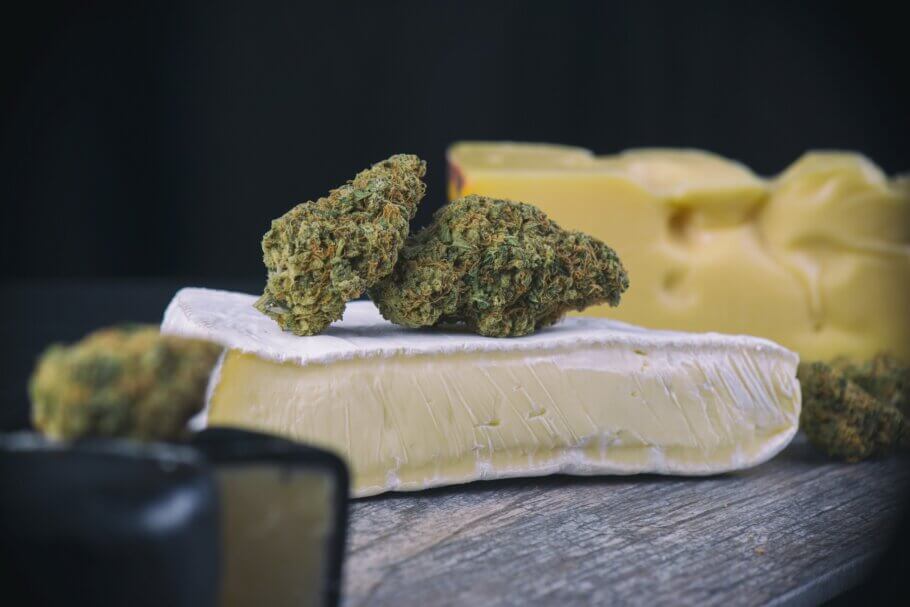
The Cheese cannabis strain originated in the United Kingdom during the late 1980s. It is a phenotype of Skunk #1, a hybrid strain known for its potent effects and distinctive aroma. The unique cheese-like smell and powerful therapeutic effects of Cheese led to its rapid rise in popularity.
Genetic Makeup
Cheese is predominantly an Indica-dominant hybrid, typically comprising about 60% Indica and 40% Sativa. This genetic composition makes it suitable for a variety of medical applications, as it combines the relaxing effects of Indica with the uplifting and energizing properties of Sativa.
Physical Characteristics
Cheese cannabis plants are known for their robust growth and high yield. They typically feature dense, resinous buds with a distinctive skunky aroma reminiscent of aged cheese. Because of their relative ease of cultivation, both inexperienced and seasoned growers like these plants.
Chemical Profile of Cheese Cannabis Strains
Understanding the chemical profile of Cheese cannabis strains is essential to appreciate their therapeutic potential fully. The primary components of this profile include cannabinoids, terpenes, and other minor compounds that collectively contribute to the strain’s effects.
Cannabinoids
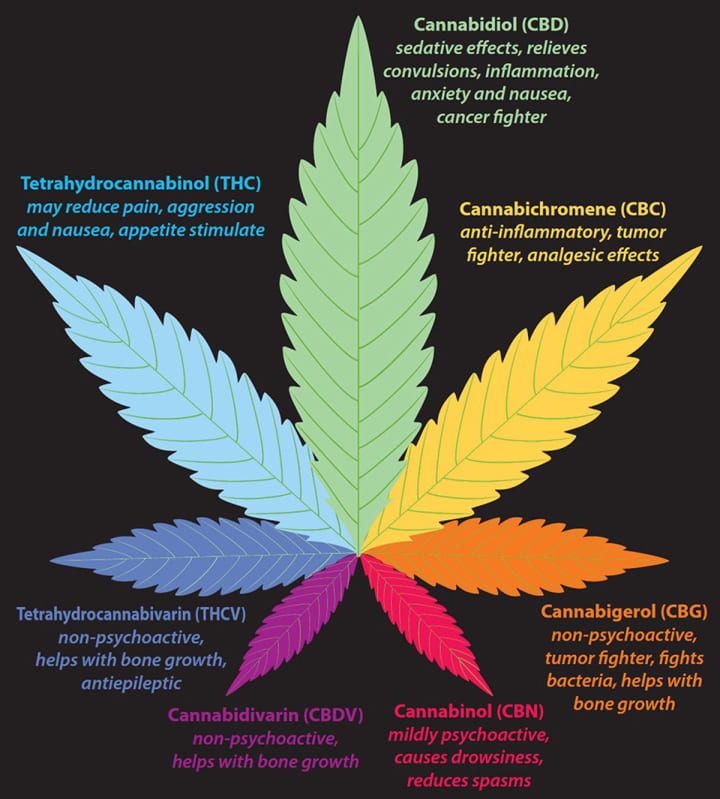
Cannabinoids are the active compounds in cannabis that interact with the body’s endocannabinoid system (ECS). The primary cannabinoids found in Cheese cannabis strains include:
- THC (Tetrahydrocannabinol)
- Concentration: Typically ranges from 15% to 20%.
- Effects: THC is the main psychoactive component of cannabis, known for its analgesic, anti-inflammatory, and appetite-stimulating properties. It is also effective in reducing nausea and muscle spasms.
- CBD (Cannabidiol)
- Concentration: Usually present in lower amounts, ranging from 0.5% to 1%.
- Effects: CBD is non-psychoactive and is renowned for its anticonvulsant, anti-anxiety, and anti-inflammatory properties. It can counteract some of the psychoactive effects of THC, providing a more balanced experience.
- CBG (Cannabigerol)
- Concentration: Typically found in trace amounts.
- Effects: CBG is a non-psychoactive cannabinoid that has been shown to have antibacterial, anti-inflammatory, and neuroprotective properties. It also acts as a precursor to other cannabinoids like THC and CBD.
- CBC (Cannabichromene)
- Concentration: Present in small quantities.
- Effects: CBC is non-psychoactive and has been found to have anti-inflammatory, analgesic, and antidepressant properties. It also works synergistically with other cannabinoids to enhance their effects.
Terpenes
Terpenes are aromatic compounds that contribute to the smell, taste, and therapeutic effects of cannabis. The dominant terpenes in Cheese cannabis strains include:
- Caryophyllene
- Aroma: Spicy, peppery.
- Effects: Known for its anti-inflammatory and analgesic properties, caryophyllene is unique because it can interact with the CB2 receptors in the ECS, providing potent therapeutic benefits without psychoactive effects.
- Limonene
- Aroma: Citrus, lemon.
- Effects: The anti-anxiety and mood-enhancing properties of limonene are well established. Additionally, it offers antioxidant and anti-inflammatory qualities that enhance the Cheese strains’ overall medicinal profile.
- Myrcene
- Aroma: Earthy, musky, with a hint of cloves.
- Effects: Myrcene is a potent sedative and muscle relaxant, making it effective for treating insomnia and chronic pain. It also enhances the permeability of cell membranes, potentially increasing the absorption of other terpenes and cannabinoids.
- Linalool
- Aroma: Floral, lavender.
- Effects: Linalool has sedative, anti-anxiety, and analgesic properties. It is also known for its ability to reduce pain and inflammation, contributing to the overall calming effects of Cheese strains.
- Pinene
- Aroma: Pine, forest-like.
- Effects: Pinene has anti-inflammatory, bronchodilator, and memory-enhancing effects. It can help counteract some of the cognitive impairments associated with high THC consumption.
Flavonoids and Other Compounds
In addition to cannabinoids and terpenes, Cheese cannabis strains contain a variety of flavonoids and other minor compounds that contribute to their therapeutic effects. Flavonoids are known for their antioxidant, anti-inflammatory, and neuroprotective properties. Some of the key flavonoids found in Cheese strains include:
- Quercetin
- Effects: Known for its antioxidant and anti-inflammatory properties.
- Cannflavins
- Effects: Unique to cannabis, cannflavins have been found to have potent anti-inflammatory effects.
- Kaempferol
- Effects: This flavonoid has antioxidant and neuroprotective properties.
Synergistic Effects
The combination of cannabinoids, terpenes, and flavonoids in Cheese cannabis strains creates a synergistic effect known as the entourage effect. This phenomenon occurs when the various compounds work together to enhance each other’s therapeutic benefits, resulting in a more effective treatment than any single compound alone.
Medical Uses of Cheese Cannabis Strains
Pain Management
One of the primary medical uses of Cheese cannabis strains is pain management. The strain’s high levels of THC, combined with its unique terpene profile, make it effective in alleviating various types of pain, including:
- Chronic Pain: Cheese strains are especially helpful for people with chronic pain problems like neuropathy, fibromyalgia, and arthritis. Together, THC’s analgesic effects and caryophyllene’s anti-inflammatory qualities offer substantial alleviation.
- Acute Pain: For acute pain resulting from injuries or surgeries, Cheese strains can offer rapid and effective pain relief, reducing the need for opioid painkillers.
Anxiety and Stress Relief
Cheese cannabis strains are also known for their efficacy in managing anxiety and stress. The presence of limonene and myrcene in the terpene profile plays a crucial role in this aspect:
- Anxiolytic Effects: Limonene has been shown to reduce anxiety and promote a sense of calm. This makes Cheese strains an excellent choice for individuals dealing with generalized anxiety disorder (GAD) or situational anxiety.
- Stress Reduction: The relaxing properties of myrcene help to alleviate stress and promote relaxation, making Cheese strains ideal for individuals experiencing high levels of stress.
Depression
The uplifting and mood-enhancing effects of Cheese cannabis strains can be beneficial for individuals suffering from depression. The strain’s Sativa component helps to elevate mood and increase energy levels, while the Indica component provides a sense of relaxation and well-being.
- Mood Enhancement: Limonene contributes to the strain’s antidepressant effects by boosting serotonin levels in the brain. This can help to alleviate symptoms of depression and improve overall mood.
- Energy Boost: The Sativa component of Cheese strains provides a gentle energy boost, helping individuals to overcome the lethargy and fatigue often associated with depression.
Insomnia
Cheese cannabis strains are known for their sedative properties, making them an effective treatment for insomnia and other sleep disorders. The combination of THC and myrcene helps to induce a state of relaxation and promote restful sleep.
- Sleep Induction: Myrcene acts as a natural sedative, helping individuals to fall asleep more easily.
- Sleep Maintenance: The strain’s calming properties lower the chance of waking up throughout the night by promoting sleep throughout the night.
Appetite Stimulation
Cheese cannabis strains can also be beneficial for individuals experiencing a loss of appetite due to medical conditions or treatments such as chemotherapy.
- Increased Appetite: The strain’s ability to stimulate appetite can help individuals to maintain a healthy diet and avoid the negative health effects associated with a lack of nutrition.
- Nausea Reduction: The antiemetic properties of THC can help to reduce nausea and vomiting, further contributing to the strain’s appetite-stimulating effects.
Muscle Spasms and Spasticity
For individuals suffering from conditions that cause muscle spasms and spasticity, such as multiple sclerosis or spinal cord injuries, Cheese cannabis strains can offer significant relief.
- Muscle Relaxation: The muscle-relaxant properties of myrcene help to alleviate muscle spasms and reduce spasticity.
- Pain Relief: The analgesic effects of THC further contribute to the relief of muscle-related pain and discomfort.
Neuroprotective Effects
Emerging research suggests that Cheese cannabis strains may also have neuroprotective effects, making them a potential treatment option for neurodegenerative conditions such as Alzheimer’s disease and Parkinson’s disease.
- Cognitive Function: The strain’s ability to reduce inflammation and oxidative stress in the brain may help to protect against cognitive decline and improve overall brain health.
- Symptom Management: The mood-enhancing and anxiolytic effects of Cheese strains can help to alleviate the symptoms of neurodegenerative conditions, improving the quality of life for affected individuals.
Epilepsy and Seizure Disorders
Cheese cannabis strains have shown promise in the treatment of epilepsy and seizure disorders. The anticonvulsant properties of cannabinoids, particularly CBD, can help to reduce the frequency and severity of seizures.
- Seizure Reduction: The strain’s ability to reduce the excitability of neurons in the brain can help to prevent the occurrence of seizures.
- Improved Quality of Life: Cheese strains help people with epilepsy and other seizure disorders live far better lives by lessening the number and intensity of seizures.
Optimal Growing Conditions for Cheese Cannabis Strains
Cultivating Cheese cannabis strains requires attention to specific growing conditions to ensure healthy plants and high yields. Whether you are an experienced grower or a novice, understanding the ideal environment for Cheese strains can significantly enhance your success. This section details the optimal growing conditions, covering aspects such as climate, soil, nutrients, lighting, and pest control.
Climate
Cheese cannabis strains are relatively resilient and can adapt to various climates. However, they thrive best in specific environmental conditions:
- Temperature
- Ideal Range: Cheese strains prefer a temperature range between 70°F (21°C) and 85°F (29°C) during the day and slightly cooler temperatures at night.
- Fluctuations: These strains can tolerate slight temperature fluctuations but should be protected from extreme cold or heat.
- Humidity
- Vegetative Stage: During the vegetative stage, maintain a humidity level between 50% and 70%. This helps promote healthy leaf development and growth.
- Flowering Stage: In the flowering stage, reduce humidity to around 40% to 50% to prevent mold and mildew, which can be particularly problematic for dense Cheese buds.
Soil and Medium
Cheese cannabis strains can be grown in various mediums, including soil, hydroponics, and coco coir. Each medium has its advantages, but soil is often preferred for its natural buffering capacity and nutrient richness.
- Soil
- Type: Use well-draining soil rich in organic matter. A mix of compost, perlite, and vermiculite can enhance drainage and aeration.
- pH Level: Maintain a soil pH between 6.0 and 7.0. Regularly test and adjust the pH to ensure nutrient availability.
- Hydroponics
- Benefits: Hydroponic systems can lead to faster growth and higher yields due to precise nutrient control and oxygen availability.
- pH Level: Maintain a pH between 5.5 and 6.5 for optimal nutrient uptake.
- Coco Coir
- Advantages: Coco coir provides excellent drainage and aeration, and it is less prone to pests than soil.
- pH Level: Similar to hydroponics, maintain a pH between 5.5 and 6.5.
Nutrients
Proper nutrition is crucial for the healthy development of Cheese cannabis plants. Apply a nutrient-balanced diet specific to each stage of growth:
- Vegetative Stage
- Nutrient Requirements: High nitrogen (N) levels to promote vigorous leaf and stem growth, along with sufficient amounts of phosphorus (P) and potassium (K).
- Supplementary Nutrients: Include micronutrients such as calcium, magnesium, and iron for overall plant health.
- Flowering Stage
- Nutrient Requirements: Increase phosphorus and potassium levels to support bud development and resin production while reducing nitrogen.
- Supplementary Nutrients: Continue providing micronutrients to prevent deficiencies and support plant metabolism.
Lighting
Cheese cannabis strains require adequate lighting to maximize growth and yield. Whether growing indoors or outdoors, lighting plays a critical role:
- Indoor Growing
- Light Intensity: Use high-pressure sodium (HPS) lights for flowering and metal halide (MH) lights for the vegetative stage of your plant’s life. Additionally efficient and productive are LED lights.
- Light Cycle: During the vegetative stage, maintain an 18/6 light cycle (18 hours of light and 6 hours of darkness). Change to a 12/12 light cycle for flowering to encourage the production of buds.
- Outdoor Growing
- Sunlight Exposure: Pick a spot that gets six to eight hours of direct sunlight every day. Ensure the site has good airflow to prevent humidity-related issues.
- Seasonal Considerations: Plant Cheese strains in late spring to take advantage of the long days and warm temperatures of summer. Harvest in the fall before the first frost.
Watering
For Cheese cannabis plants to be healthy and productive, proper watering techniques are crucial:
- Frequency
- Vegetative Stage: Water frequently but avoid overwatering. While not soggy, the earth should be damp.
- Flowering Stage: Reduce watering frequency to prevent excess humidity, which can lead to mold and mildew.
- Techniques
- Soil: Water at the base of the plants to encourage deep root growth. Allow the top inch of soil to dry out between waterings.
- Hydroponics: Use a timer to keep a regular watering schedule and make sure the nutritional solution has enough oxygen.
Pest and Disease Control
Cheese cannabis strains, like all cannabis plants, are susceptible to pests and diseases. Implementing preventive measures and regular monitoring can help maintain plant health:
- Common Pests
- Aphids: Small, sap-sucking insects that can weaken plants. To manage infestations, apply neem oil or insecticidal soap.
- Spider Mites: Tiny pests that can cause significant damage. Regularly inspect plants and use predatory mites or insecticidal sprays if necessary.
- Whiteflies: Small, flying insects that can spread diseases. Use yellow sticky traps and insecticidal sprays to manage populations.
- Common Diseases
- Powdery Mildew: A fungal illness that causes leaves to develop a powdery, white coating. Reduce humidity and improve airflow to prevent outbreaks.
- Bud Rot: A fungal infection that affects dense buds. Ensure proper spacing, reduce humidity, and remove affected buds promptly.
- Root Rot: Caused by overwatering and poor drainage. Maintain proper watering practices and use well-draining soil.
- Preventive Measures
- Sanitation: Make sure the growth space is tidy and debris-free. In order to stop infections from spreading, sterilize tools and equipment.
- Companion Planting: Use companion plants like marigolds and basil to repel pests naturally.
- Biological Control: To manage pest populations, introduce beneficial insects such as predatory mites and ladybugs.
Harvesting and Curing
To maintain the flavor and potency of Cheese cannabis strains, proper harvesting and curing methods are necessary:
- Harvesting
- Timing: Harvest when the majority of trichomes are milky white with a few amber trichomes, indicating peak THC levels.
- Techniques: Use sharp, sterilized scissors to cut branches and trim excess leaves. Handle buds gently to avoid damaging trichomes.
- Curing
- Drying: Trimmed branches should be hung upside down in a room that is dark, well-ventilated, and has a relative humidity of about 50%. Dry for a week or ten, or until the stems break easily.
- Curing: Dried buds should be kept in a cold, dark area and placed in airtight glass jars. To release moisture, open the jars every day for the first week, then less times during the next several weeks. To improve flavor and potency, cure for a minimum of two to four weeks.
Restrictions on Using Cheese Cannabis Strains in the Medical Field as a Last Resort
Despite the numerous therapeutic benefits of Cheese cannabis strains, their use in the medical field as a last resort comes with several restrictions and considerations. These restrictions ensure that cannabis is used safely and effectively, particularly for patients who have not found relief through conventional treatments. Here are some of the primary restrictions and considerations:
Legal Restrictions
- Regulatory Approval
- Federal Laws: In many countries, the use of cannabis for medical purposes is regulated at the federal level. In the United States, for instance, cannabis remains a Schedule I substance under the Controlled Substances Act, although individual states have their own laws permitting medical use.
- State/Provincial Laws: In regions where medical cannabis is legal, specific laws govern its cultivation, distribution, and use. Medical cannabis programs often require patients to obtain a recommendation from a licensed healthcare provider and register with a state or provincial medical cannabis program.
- Prescription and Access
- Medical Authorization: Patients typically need a prescription or recommendation from a licensed healthcare provider to access medical cannabis. This ensures that its use is medically supervised and appropriate for the patient’s condition.
- Dispensary Regulations: Only licensed dispensaries are authorized to sell medical cannabis. Strict guidelines pertaining to patient education, product quality, and labeling must be followed by these dispensaries.
Clinical Guidelines
- Evidence-Based Use
- Clinical Trials: While there is growing evidence supporting the medical use of cannabis, clinical trials are essential to establish its efficacy and safety for specific conditions. Cheese cannabis strains, like all medical cannabis products, should be used based on evidence from well-conducted studies.
- Professional Guidelines: Medical organizations and regulatory bodies often provide guidelines on the use of medical cannabis. These guidelines help healthcare providers make informed decisions about prescribing cannabis, including considerations for dosage, administration methods, and potential interactions with other medications.
- Patient Selection
- Appropriate Conditions: When alternative treatments have not worked or are intolerable, medical cannabis is usually taken into consideration. These ailments could include multiple sclerosis, epilepsy, chronic pain, and specific mental health issues.
- Individualized Treatment: The decision to use medical cannabis should be individualized, taking into account the patient’s medical history, current medications, and overall health. Healthcare professionals need to keep a close eye on patients’ progress and side effects.
Safety and Efficacy
- Potential Side Effects
- Psychoactive Effects: The THC in Cheese cannabis strains can cause psychoactive effects, including euphoria, anxiety, and impaired cognition. These effects may limit the suitability of cannabis for some patients, particularly those with a history of psychiatric disorders.
- Other Adverse Effects: Common side effects of cannabis use include dry mouth, dizziness, and fatigue. In some cases, cannabis use can lead to more severe adverse effects, such as cardiovascular issues or exacerbation of mental health conditions.
- Drug Interactions
- Interaction with Medications: Other drugs and cannabis may interact, changing the medication’s effectiveness or raising the possibility of negative side effects. In order to find any possible drug interactions and modify treatment plans appropriately, healthcare providers need to check the patient’s prescription schedule.
- Contraindications: Certain medical conditions, such as severe cardiovascular disease or a history of substance abuse, may contraindicate the use of medical cannabis. These contraindications must be carefully considered to ensure patient safety.
Ethical and Societal Considerations
- Stigma and Perception
- Public Perception: Despite increasing acceptance, there is still stigma associated with cannabis use. Patients and healthcare providers may face societal judgment, which can impact the willingness to consider cannabis as a treatment option.
- Professional Acceptance: Within the medical community, there may be varying levels of acceptance and understanding of medical cannabis. Ongoing education and advocacy are needed to ensure that healthcare providers are informed about the potential benefits and risks of cannabis use.
- Access and Equity
- Cost and Availability: The cost of medical cannabis can be a barrier for some patients, particularly those without insurance coverage. Additionally, access to licensed dispensaries may be limited in certain regions, impacting the ability of patients to obtain their medication.
- Health Disparities: Ensuring equitable access to medical cannabis is essential, particularly for marginalized and underserved populations. Policies should aim to reduce barriers to access and address disparities in the availability and affordability of medical cannabis.
Conclusion
Cheese cannabis strains have emerged as a powerful option in the medical field due to their robust therapeutic profile, which includes effective pain management, anxiety and stress relief, and potential benefits for conditions such as insomnia, appetite stimulation, and muscle spasticity. These strains, known for their unique combination of cannabinoids and terpenes, provide a versatile and holistic approach to medical treatment.
Understanding the origins and chemical profile of Cheese cannabis strains is crucial in appreciating their medical benefits. The balance of THC and CBD, along with key terpenes like caryophyllene, limonene, and myrcene, work together to create a potent entourage effect that enhances their therapeutic potential. This combination is essential for treating a wide range of ailments and providing patients with a safe, all-natural substitute for conventional medications.
Growing Cheese cannabis strains also involves specific considerations to maximize their yield and potency. Optimal climate conditions, soil quality, nutrient management, and proper lighting are essential for cultivating healthy plants. Understanding and implementing the best practices for growing these strains ensures that patients receive the highest quality product for their medical needs.
However, using Cheese cannabis strains in the medical field as a last resort is not without its restrictions and considerations. Legal regulations, clinical guidelines, safety concerns, and ethical issues must all be carefully navigated. Regulatory approval varies by region, and obtaining a prescription requires thorough medical evaluation and adherence to strict guidelines. Safety is paramount, with potential side effects and drug interactions necessitating close monitoring by healthcare providers.
Moreover, ethical and societal considerations, such as the stigma associated with cannabis use and ensuring equitable access, must be addressed. Ongoing education and advocacy are critical to fostering a more accepting environment for medical cannabis use and ensuring that all patients, regardless of background, can benefit from its therapeutic potential.
In summary, Cheese cannabis strains represent a valuable addition to the medical cannabis landscape. Their diverse therapeutic benefits, backed by a rich chemical profile, make them a viable option for patients who have exhausted other treatments. By adhering to best practices in cultivation, regulatory compliance, and patient management, healthcare providers can effectively harness the potential of Cheese cannabis strains to improve patient outcomes and quality of life. As research and societal acceptance continue to evolve, the role of medical cannabis, including Cheese strains, is likely to expand, offering new hope and relief to many patients worldwide.
