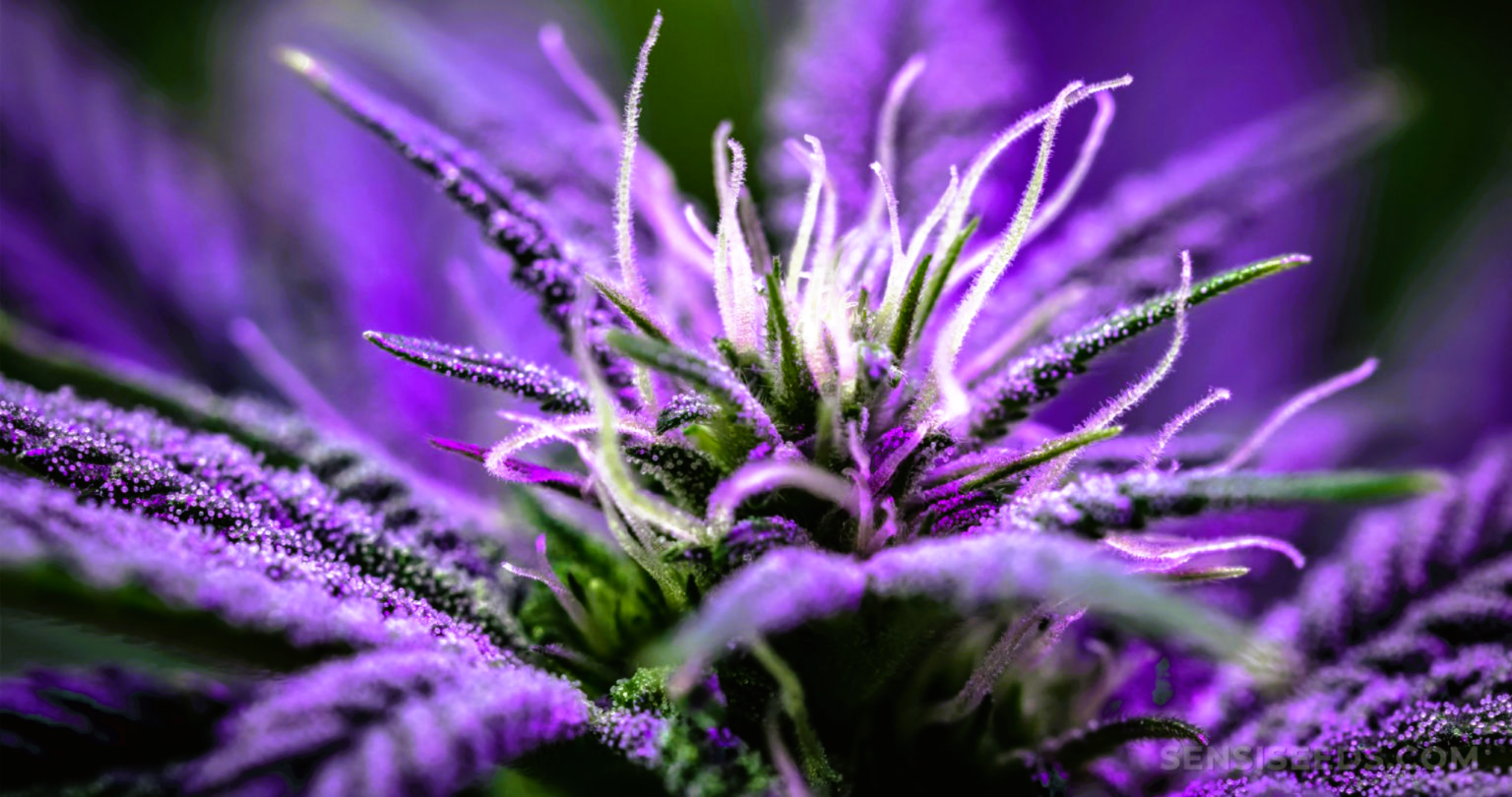
Cannabis plants exhibit a fascinating range of colors during their growth cycle, and one of the most intriguing transformations is the shift to purple hues during harvest time. This change is not only visually striking but also holds significant scientific, horticultural, and cultural implications. Understanding why cannabis plants turn purple involves delving into the intricacies of plant physiology, genetics, environmental factors, and the potential benefits associated with these color changes.
Genetics and Purple Coloration in Cannabis
Genetics is the primary factor determining whether a cannabis plant can turn purple. Here’s a more in-depth look at how genetics influence this characteristic:
Anthocyanins
Several fruits, vegetables, and flowers have red, purple, and blue hues because of water-soluble pigments called anthocyanins, which are located in the vacuoles of plant cells. The presence and concentration of anthocyanins in cannabis plants are determined by their genetic makeup.
Specific Strains
Certain cannabis strains are bred to express high levels of anthocyanins. These strains have been selectively bred over generations to enhance their purple traits. Some well-known purple strains include:
- Purple Kush: Known for its deep purple buds and strong Indica effects, this strain is a result of crossing Hindu Kush with Purple Afghani.
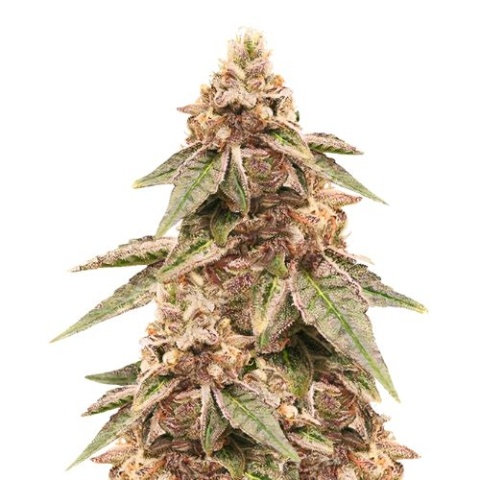
- Granddaddy Purple (GDP): A famous Indica strain with grape and berry flavors, created by crossing Purple Urkle and Big Bud.
- Purple Haze: A Sativa-dominant hybrid known for its vibrant purple hues and psychedelic effects, often attributed to its parent strains, Haze and Purple Thai.
-
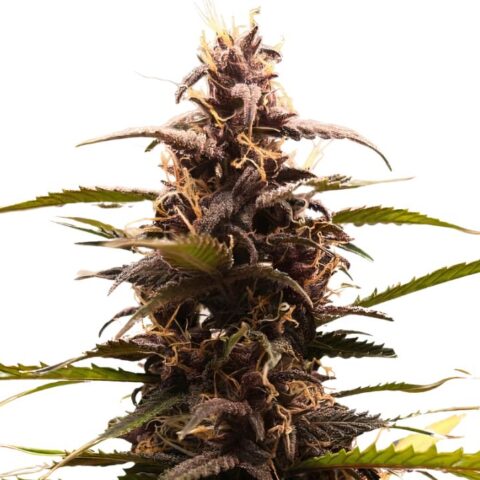 Purple Kush Cannabis SeedsFrom: $24.99
 -
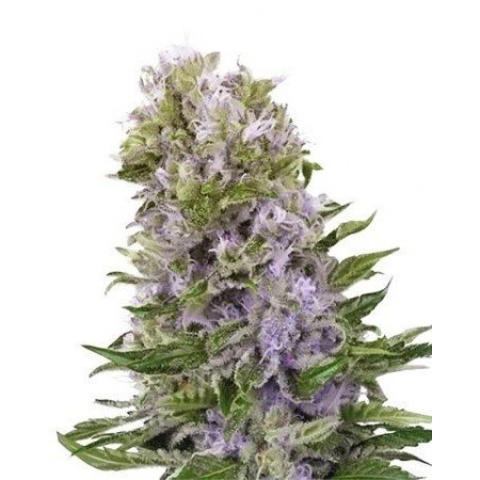 Purple Haze Cannabis SeedsFrom: $24.99
 -
 Granddaddy Purple Cannabis SeedsFrom: $24.99
Genetic Markers
Breeders can identify and select for genetic markers associated with high anthocyanin production. This selective breeding process ensures that future generations of plants will inherit the ability to produce purple pigments. Some of these genetic markers are linked to specific genes that regulate pigment production and expression under various environmental conditions.
Environmental Interaction
While genetics provide the potential for purple coloration, the expression of this trait can be influenced by environmental factors. However, without the genetic predisposition, environmental factors alone cannot induce significant purple coloration.
Genetic Expression
The expression of anthocyanins is also linked to the plant’s developmental stages. For instance:
- Vegetative Stage: Plants with high anthocyanin levels may show slight purple hues in stems and leaves even during the vegetative stage.
- Flowering Stage: As the plant transitions to the flowering stage, anthocyanin production can increase, especially in response to environmental triggers like temperature changes.
Hybrids and Crossbreeding
Breeding programs often create hybrids to combine the desirable traits of multiple strains. When a purple strain is crossed with another strain, the resulting hybrid may or may not exhibit purple traits, depending on the dominance of the anthocyanin-producing genes. Breeding strategies aim to stabilize these traits over successive generations to ensure consistent expression.
Temperature and Purple Coloration in Cannabis
Temperature is a significant environmental factor that can influence the expression of purple coloration in cannabis plants. Here’s a detailed look at how temperature affects this process:
1. Temperature’s Role in Pigment Production
Anthocyanins, the pigments responsible for purple, red, and blue colors in plants, are influenced by temperature. Cooler temperatures, especially during the night, can enhance the production of anthocyanins and reduce the degradation of chlorophyll (the green pigment), allowing the purple hues to become more prominent.
2. Optimal Temperature Range
To encourage purple coloration, growers often aim for specific temperature ranges:
- Daytime Temperatures: Keeping daytime temperatures between 70-80°F (21-27°C) is ideal for overall plant health.
- Nighttime Temperatures: Dropping nighttime temperatures to around 50-60°F (10-15°C) can stimulate anthocyanin production. The key is to ensure that nighttime temperatures are at least 10-15°F lower than daytime temperatures to promote color changes without causing stress.
3. Mechanism of Color Change
- Chlorophyll Breakdown: As temperatures drop, chlorophyll production slows down, and existing chlorophyll can break down. This reduction in green pigment allows other pigments, like anthocyanins, to become more visible.
- Anthocyanin Synthesis: Cooler temperatures can stimulate the synthesis of anthocyanins. These pigments protect the plant from cold stress by absorbing light and providing a form of “sunscreen” for the leaves and buds.
4. Stress and Temperature
While cooler temperatures can enhance purple coloration, it’s important not to stress the plants excessively. Sudden or extreme temperature changes can cause plant stress, leading to reduced yields, poor bud development, and other growth issues. A gradual decrease in temperature is preferable to avoid shocking the plants.
5. Temperature Management Tips
To effectively manage temperature for enhancing purple coloration, consider the following tips:
- Gradual Temperature Decrease: Slowly lower nighttime temperatures as the plants approach the flowering stage.
- Monitoring and Control: Use thermostats and temperature controls to maintain consistent day and night temperature differences.
- Insulation and Ventilation: Ensure proper insulation and ventilation in your grow space to prevent drastic temperature fluctuations.
- Seasonal Considerations: If growing outdoors, consider the natural temperature changes of your region. Planting times can be adjusted to take advantage of cooler fall temperatures.
pH Levels and Purple Coloration in Cannabis
The pH level of the growing medium can significantly influence the coloration of cannabis plants, including the expression of purple hues. Here’s a detailed look at how pH levels affect this process:
1. Role of pH in Plant Health
pH (potential Hydrogen) measures the acidity or alkalinity of the soil or growing medium. It affects the plant’s ability to absorb nutrients, which in turn impacts overall plant health and pigmentation. Cannabis plants generally thrive in a slightly acidic environment, with an optimal pH range of 6.0 to 7.0 in soil and 5.5 to 6.5 in hydroponic systems.
2. pH and Anthocyanin Production
Anthocyanins, the pigments responsible for purple, red, and blue colors, are sensitive to pH levels:
- Acidic Conditions (pH below 7): Anthocyanins tend to appear redder in more acidic environments. In cannabis, slightly acidic conditions can enhance the expression of anthocyanins, leading to more pronounced purple hues.
- Neutral to Slightly Alkaline Conditions (pH 7 to 8): In neutral to slightly alkaline conditions, anthocyanins may appear more purple or blue. However, cannabis plants may not thrive as well in alkaline conditions, potentially leading to other growth issues.
3. Nutrient Availability
The pH level affects the availability of essential nutrients, which can influence pigment production and overall plant health:
- Phosphorus: This nutrient is crucial for flowering and pigment production. It is most available to plants at a pH of 6.0 to 7.0.
- Magnesium: Important for chlorophyll production and overall plant health, magnesium is best absorbed within a pH range of 6.0 to 7.5.
- Iron and Manganese: These micronutrients, essential for various plant functions, including pigment production, are more available in slightly acidic conditions.
4. Adjusting pH Levels
To maintain the optimal pH for cannabis plants and promote purple coloration, growers can take the following steps:
- Testing pH Levels: Regularly test the pH of the soil or growing medium using pH meters or test strips.
- Adjusting pH: Use pH adjusters to correct imbalances. For lowering pH (making it more acidic), substances like phosphoric acid or citric acid can be used. For raising pH (making it more alkaline), solutions like potassium hydroxide or lime can be applied.
- Buffered Nutrients: Use nutrient solutions that are pH-buffered to help maintain stable pH levels in hydroponic systems.
5. Impact of pH on Purple Coloration
By ensuring that the growing medium maintains an optimal pH level, growers can improve nutrient uptake and promote the healthy production of anthocyanins. This, combined with other factors like genetics and temperature, can enhance the purple coloration in cannabis plants.
Light Exposure and Purple Coloration in Cannabis
Light exposure is another critical factor influencing the purple coloration in cannabis plants. Here’s a detailed look at how different aspects of light affect this process:
1. Role of Light in Plant Growth
Photosynthesis is how plants turn light energy into chemical energy, and light is necessary for this process. Different wavelengths of light contribute to various growth stages and physiological processes in plants, including pigment production.
2. UV Light and Anthocyanin Production
Ultraviolet (UV) light, particularly UV-B, has a significant impact on anthocyanin production. Anthocyanins serve as a protective mechanism for plants against UV radiation. When cannabis plants are exposed to higher levels of UV light, they tend to produce more anthocyanins, resulting in enhanced purple hues.
- UV-B Light: UV-B radiation is known to induce stress responses in plants, leading to increased production of protective compounds like anthocyanins. Grow lights that emit UV-B or growing outdoors in areas with higher UV exposure can promote more vibrant purple colors.
3. Light Spectrum and Pigmentation
The spectrum of light provided to cannabis plants can influence their coloration:
- Blue Light: Blue light (400-500 nm) can promote compact growth and enhance anthocyanin production. Using grow lights with a higher proportion of blue light during the vegetative stage can support the development of purple pigments.
- Full-Spectrum Light: Full-spectrum grow lights that mimic natural sunlight can also encourage anthocyanin production. These lights provide a balanced range of wavelengths, supporting overall plant health and pigment development.
4. Light Intensity
The intensity of light also plays a role in pigment production:
- High Light Intensity: Higher light intensity can increase photosynthetic activity and energy production, leading to more robust plant growth and potentially higher anthocyanin levels.
- Balanced Intensity: While high light intensity can be beneficial, it’s important to avoid light stress. Gradually increasing light intensity and ensuring proper distance between lights and plants can help maintain optimal conditions.
5. Photoperiod and Purple Coloration
The photoperiod (the duration of light exposure each day) affects the flowering stage and pigment expression in cannabis plants:
- Flowering Stage: Cannabis plants need a 12/12 light/dark cycle to start the development of buds during the flowering stage of the plant. The dark period is essential for the expression of pigments, including anthocyanins. Interruptions in the dark period can disrupt pigment production.
6. Environmental Interaction
Light exposure interacts with other environmental factors like temperature and nutrient availability. For instance, cooler temperatures combined with optimal light conditions can further enhance anthocyanin production and purple coloration.
Tips for Enhancing Purple Coloration with Light
To effectively use light exposure to enhance purple coloration in cannabis plants, consider the following tips:
- Use Full-Spectrum or UV-Enhanced Grow Lights: Incorporate full-spectrum LED grow lights or lights with UV-B to promote anthocyanin production.
- Maintain Proper Light Distance and Intensity: Avoid light stress by maintaining appropriate distances between lights and plants and gradually increasing light intensity.
- Optimize Photoperiod: Ensure a consistent 12/12 light/dark cycle during the flowering stage to support pigment expression.
- Combine with Temperature Management: Pair optimal light exposure with cooler nighttime temperatures to maximize anthocyanin production.
Maturity and Stress in Purple Coloration of Cannabis
The maturity of cannabis plants and the stress they experience can significantly impact the development of purple coloration. Here’s a detailed look at how these factors interact to influence pigmentation:
1. Plant Maturity
The stage of maturity of cannabis plants plays a crucial role in the expression of pigments, including anthocyanins.
- Vegetative Stage: During the vegetative stage, the primary focus is on growth and development. While some strains may show slight purple hues in stems and leaves due to their genetic predisposition, significant color changes are less common at this stage.
- Flowering Stage: As cannabis plants enter the flowering stage, they undergo physiological changes that can enhance pigment production. The reduction in chlorophyll production and the breakdown of existing chlorophyll reveal underlying pigments, including anthocyanins, leading to more visible purple hues.
- Late Flowering Stage: In the final weeks of the flowering stage, as plants prepare for harvest, the purple coloration can become more pronounced. This is due to the natural senescence process, where chlorophyll degrades, and anthocyanins are produced more abundantly.
2. Plant Stress
While moderate stress can enhance anthocyanin production and promote purple coloration, excessive stress can harm the plant and reduce overall yield and quality. Here are some stress factors that can influence purple coloration:
- Temperature Stress: As mentioned earlier, cooler nighttime temperatures can induce mild stress that promotes anthocyanin production. On the other hand, severe temperature swings or extended exposure to the cold can be quite stressful.
- Nutrient Stress: Controlled nutrient stress, such as slightly reducing nitrogen levels during the late flowering stage, can enhance color changes. However, severe nutrient deficiencies or imbalances can harm plant health and productivity.
- Water Stress: Mild water stress, achieved by slightly reducing water intake during the late flowering stage, can promote anthocyanin production. However, excessive drought stress can damage the plant and reduce yield.
- Light Stress: Exposure to higher levels of UV light can induce stress responses that increase anthocyanin production. However, excessive light stress can lead to bleaching and other light-related damages.
Conclusion
Cannabis plants can turn purple during harvest due to a multifaceted interplay of genetic predispositions, environmental conditions, nutrient dynamics, and cultivation practices. This phenomenon is largely influenced by the following factors:
- Genetics: The inherent genetic makeup of certain cannabis strains predisposes them to produce higher levels of anthocyanins, which are pigments responsible for red, purple, and blue hues in plants. Strains such as Purple Kush, Granddaddy Purple, and Purple Haze are well-known for their vibrant purple colors.
- Temperature: Cooler nighttime temperatures, especially those dropping below 50°F (10°C), can trigger the production of anthocyanins while simultaneously slowing down the degradation of chlorophyll. This temperature-induced change enhances the visibility of purple pigments. However, abrupt temperature drops can stress the plant, hence a gradual decrease is preferred for optimal coloration without compromising plant health.
- pH Levels: Soil pH influences pigment production. Slightly acidic soil conditions (pH 6.0 to 6.5) can promote the expression of anthocyanins, making the purple hues more prominent. Proper pH management is crucial for maximizing the aesthetic appeal of the plants.
- Nutrient Availability: Nutrient imbalances can significantly affect the pigmentation:
- Phosphorus Deficiency: Can lead to purpling in stems and leaves as the plant reallocates its resources.
- Magnesium Deficiency: May cause leaf purpling due to impaired chlorophyll production.
- Nitrogen Deficiency: Often occurs during the flowering stage, enhancing purple coloration as the plant redirects nutrients from leaves to flowers.
- Light Exposure: Exposure to UV light and full-spectrum lighting can boost anthocyanin production. Plants grown outdoors or under advanced LED lights tend to exhibit more vivid coloration compared to those grown under traditional HPS lights.
- Maturity and Stress: As cannabis plants mature, the natural fading of chlorophyll can reveal underlying pigments. Additionally, stress factors such as drought, nutrient imbalances, or physical damage can act as triggers for enhanced pigment expression, serving as a survival mechanism for the plant.
Implications for Growers
Understanding the factors that contribute to the purple coloration of cannabis plants can help growers optimize their cultivation practices to achieve the desired aesthetic and potentially enhance the medicinal properties of the plants. Here are key takeaways for growers:
- Select the Right Strain: Choose strains with genetic predispositions for purple coloration if this trait is desired.
- Manage Temperature: Implement controlled cooling during nighttime to encourage anthocyanin production without causing stress.
- Monitor Soil pH: Maintain slightly acidic conditions to promote optimal pigment expression.
- Balance Nutrients: Ensure proper nutrient management to prevent deficiencies or excesses that could adversely affect plant health.
- Optimize Lighting: Utilize full-spectrum or UV-enhanced lighting to boost anthocyanin production.
- Minimize Stress: Avoid unnecessary stress to the plants to maintain overall health and achieve consistent coloration.
By carefully managing these factors, growers can enhance the visual appeal and potentially the therapeutic value of their cannabis crops, creating a more desirable product for consumers.
