Table of Contents
Who Discovered Marijuana ?
1. Prehistoric and Early Cultivation:
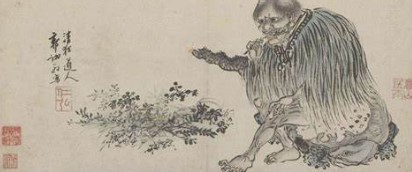
Marijuana, or cannabis, was not discovered by a single individual, but rather recognized and cultivated independently by multiple ancient civilizations. The earliest archaeological evidence of cannabis use dates back to around 10,000 years ago in Central Asia, particularly in present-day China and Mongolia, where it was used for its fibers, seeds, and medicinal properties.
2. Ancient Chinese Use:
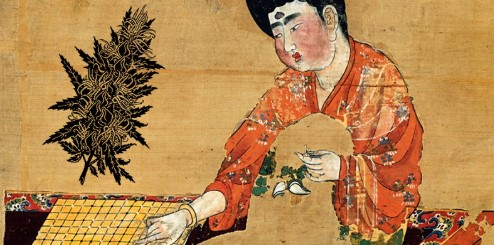
The first documented medicinal use of cannabis is attributed to the legendary Emperor Shen Nung around 2700 BCE, who is considered the father of Chinese medicine. In the Pen Ts’ao Ching, cannabis was described as a treatment for rheumatism, malaria, and absent-mindedness. Although Shen Nung’s historical existence is debated, his association with cannabis use is widely cited in traditional Chinese medicine.
3. Indian Subcontinent:
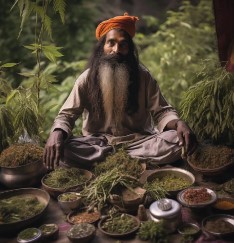
Cannabis spread to India, where it was integrated into Ayurvedic medicine and spiritual practices. Known as “bhang”, it was mentioned in the Atharva Veda (circa 1500 BCE) as one of the five sacred plants. It was used in religious ceremonies and for treating ailments like insomnia, pain, and digestive disorders.
4. Middle Eastern and African Adoption:
Cannabis reached the Middle East by around 1000 BCE, where it was valued for both medical and psychoactive effects. Arab physicians used it extensively, and it became a key ingredient in traditional remedies. It later spread to Africa, where various cultures incorporated it into ritualistic and medicinal use.
5. Introduction to the West:
In the 19th century, Western awareness of cannabis increased, largely due to the work of William Brooke O’Shaughnessy, an Irish physician who studied cannabis use in India and introduced it to European medicine in the 1830s as a treatment for muscle spasms, pain, and seizures.
Conclusion:
Marijuana was not discovered in a single moment, but rather gradually recognized and utilized across civilizations, with roots in ancient medicine, agriculture, and spirituality.
