Table of Contents
White Rhino is an iconic hybrid cannabis strain known for its potent effects and high resin production. A cross between White Widow and an unknown North American indica strain, White Rhino boasts a robust genetic lineage that has made it a favorite among both medical and recreational users. This strain is renowned for its high THC levels, often ranging between 17% and 25%, and its earthy, sweet aroma with hints of pine and wood.
Origin and Genetics
White Rhino’s parentage combines the award-winning White Widow with an indica strain that contributes significantly to its sedative and body-focused effects. White Widow, a balanced hybrid, is famous for its uplifting and energetic high, while the indica genetics introduce deep relaxation and therapeutic benefits. This blend results in White Rhino’s unique profile, offering a powerful, full-bodied experience.
Appearance, Aroma, and Flavor
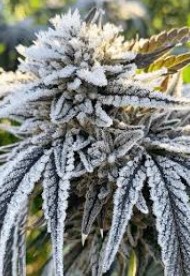
Appearance: White Rhino is visually striking, with dense, bulbous buds that exhibit a thick coating of trichomes, giving it a frosty, white appearance—a hallmark of its name. The buds are typically medium to large in size, with hues of forest green and occasional purple tinges. Bright orange pistils weave through the resinous buds, adding to its aesthetic appeal.
Aroma: The aroma of White Rhino is rich and earthy, with dominant notes of pine and wood. Upon breaking the buds, users often detect subtle hints of sweetness and skunkiness, indicative of its hybrid lineage.
Flavor: White Rhino’s flavor profile mirrors its aroma, offering a smooth and robust taste. Users describe flavors of sweet earthiness with undertones of pine and a slight spicy kick on the exhale. This makes it a pleasant strain for those who appreciate rich, natural cannabis flavors.
Cannabinoid and Terpene Profile
Cannabinoids:
- THC: 17-25% (high potency, contributing to its strong psychoactive and therapeutic effects).
- CBD: <1% (minimal, but still offers a degree of therapeutic synergy through the entourage effect).
- CBG: 1-2% (contributing to anti-inflammatory and neuroprotective properties).
Terpenes:
- Myrcene: Dominant terpene, known for its sedative and relaxing effects.
- Pinene: Adds a refreshing pine aroma and may enhance focus and respiratory function.
- Caryophyllene: Offers a spicy, peppery note and interacts with CB2 receptors to provide anti-inflammatory benefits.
- Limonene: Adds a citrusy undertone and uplifts mood.
Recreational Uses
White Rhino’s powerful effects make it a sought-after strain for recreational users. Its ability to deliver a heavy, relaxing high is perfect for unwinding after a long day. Below are its specific recreational applications:

- Relaxation and Stress Relief: The indica-dominant effects provide deep physical relaxation, helping users disconnect from daily stresses. The euphoric cerebral buzz complements this, offering mental tranquility.
- Enhanced Creativity: While primarily sedative, the initial onset of White Rhino can spark bursts of creativity and introspection, making it a good choice for artistic endeavors or thoughtful activities.
- Social Settings: In moderate doses, White Rhino can enhance social interactions by reducing inhibitions and promoting a feeling of ease and tranquility.
- Leisure Activities: Its soothing effects pair well with leisurely activities such as watching movies, listening to music, or enjoying nature.
Medical Uses
White Rhino’s potent therapeutic properties make it highly beneficial for a variety of medical conditions. Its high THC content, coupled with its terpene profile, provides significant relief for both physical and mental ailments.
1. Chronic Pain Relief:

- White Rhino’s strong analgesic properties help alleviate various types of pain, including arthritis, fibromyalgia, migraines, and neuropathic pain.
- Myrcene and caryophyllene enhance its pain-relieving capabilities by reducing inflammation and interacting with the body’s endocannabinoid system.
2. Stress and Anxiety:
- The strain’s calming effects can mitigate symptoms of stress and anxiety. Its ability to relax both the mind and body creates a sense of balance and well-being.
- Limonene contributes to mood enhancement and stress relief.
3. Insomnia:
- White Rhino is highly effective for sleep disorders due to its sedative qualities. Its ability to induce deep, restorative sleep makes it a go-to strain for insomniacs.
4. Appetite Stimulation:
- Known to cause a strong case of the “munchies,” White Rhino is beneficial for individuals experiencing appetite loss due to chemotherapy, HIV/AIDS, or other medical conditions.
5. Depression:
- The euphoric effects of White Rhino provide temporary relief from depressive symptoms, helping users feel uplifted and motivated.
6. Muscle Spasms and Tension:
- The strain’s muscle-relaxing properties make it useful for conditions like multiple sclerosis, muscle cramps, and general tension.
7. PTSD:
- By promoting relaxation and reducing anxiety, White Rhino can help manage symptoms of post-traumatic stress disorder.
Scientific Insights
Pharmacology: White Rhino’s effects are primarily mediated by its interaction with the endocannabinoid system (ECS). THC binds to CB1 receptors in the brain, producing psychoactive effects and altering pain perception. Caryophyllene, as a unique terpene, interacts with CB2 receptors, contributing to anti-inflammatory and analgesic benefits.
Entourage Effect: The synergy between White Rhino’s cannabinoids and terpenes enhances its therapeutic potential. For instance, myrcene increases cell membrane permeability, allowing for better absorption of cannabinoids. Pinene counteracts THC-induced memory impairment, while limonene elevates mood and reduces stress.
Clinical Studies:
- Studies have shown that high-THC strains like White Rhino are effective for pain management and insomnia.
- Myrcene’s sedative effects have been validated in research, highlighting its role in promoting sleep.
- Limonene’s anti-anxiety properties have been demonstrated in preclinical trials.
Potential Side Effects
While White Rhino is highly beneficial, it is essential to be aware of potential side effects:
- Dry Mouth and Eyes:
- Common among cannabis strains, these effects can be mitigated by staying hydrated and using eye drops.
- Dizziness:
- Higher doses may cause dizziness, particularly in novice users.
- Paranoia and Anxiety:
- Excessive consumption can lead to feelings of paranoia or heightened anxiety, especially in those sensitive to THC.
- Couch Lock:
- Due to its sedative nature, White Rhino can induce couch lock in higher doses, limiting mobility.
Scientific Insights into White Rhino Cultivation
1. Environmental Requirements
- Temperature:
- Ideal range: 68°F to 80°F (20°C to 27°C).
- Lower nighttime temperatures (around 65°F or 18°C) can enhance terpene and anthocyanin production, potentially bringing out purplish hues in the buds.
- Avoid temperature swings above 85°F (29°C) as this can stress the plant, reduce resin production, and hinder photosynthesis.
- Humidity:
- Vegetative Stage: 50%-60% relative humidity (RH).
- Flowering Stage: Gradually reduce to 40%-50% RH to prevent mold and mildew.
- Use dehumidifiers or proper ventilation in humid climates, as White Rhino’s dense buds are susceptible to bud rot.
- Light Intensity:
- Optimal light intensity: 700-900 PPFD (Photosynthetic Photon Flux Density).
- Use full-spectrum LED grow lights for energy efficiency and consistent PAR (Photosynthetically Active Radiation) across all growth stages.
2. Nutrient Requirements
- Nitrogen (N):
- Essential during the vegetative stage to promote robust leaf and stem development. Use nitrogen-rich fertilizers or organic sources like blood meal or fish emulsion.
- Phosphorus (P):
- Increase phosphorus during the flowering stage to boost bud formation and resin production.
- Recommended ratio during flowering: NPK 1:3:4.
- Potassium (K):
- Vital for overall plant health, improving water uptake and stress resistance. Potassium aids in terpene and cannabinoid synthesis.
- Micronutrients:
- White Rhino benefits from calcium and magnesium supplementation, especially in soils low in these elements.
- Use Cal-Mag solutions in hydroponic setups to prevent deficiencies.
3. Growing Medium
- Soil:
- Use a loamy, well-draining soil rich in organic matter.
- Optimal pH: 6.0-6.8 for soil grows. Maintain pH within this range to ensure proper nutrient absorption.
- Hydroponics:
- White Rhino thrives in hydroponic systems due to controlled nutrient delivery and oxygenation.
- Ideal pH for hydroponics: 5.5-6.0.
- Monitor Electrical Conductivity (EC): Keep between 1.2 to 2.0 mS/cm depending on the growth stage.
- Coco Coir:
- A hybrid option that combines the aeration of hydroponics with the buffering capacity of soil.
- Supplement with calcium and magnesium as coco tends to retain these nutrients.
4. Growth Techniques
- Low-Stress Training (LST):
- Bend and tie branches gently to create an even canopy, maximizing light exposure to all bud sites.
- Promotes horizontal growth, essential for indoor setups with limited vertical space.
- Screen of Green (ScrOG):
- Use a mesh screen to guide branches and optimize light distribution.
- Encourages larger colas and reduces the chances of popcorn buds.
- Defoliation:
- Remove excess fan leaves during the flowering stage to improve airflow and light penetration.
- Be cautious not to stress the plant; over-defoliation can reduce yields.
- Topping and Fimming:
- Topping: Cut the main stem to create multiple growth points, increasing yield potential.
- Fimming: Partially cut the main stem to encourage bushier growth.
5. Pest and Disease Management
- Common Pests:
- Spider Mites: Use neem oil or predatory insects like ladybugs.
- Aphids: Introduce beneficial insects such as lacewings or spray with insecticidal soap.
- Fungus Gnats: Prevent by avoiding overwatering and using sticky traps.
- Diseases:
- Powdery Mildew: Treat with potassium bicarbonate sprays or milk-water solutions (1:9 ratio).
- Bud Rot: Ensure proper airflow and maintain lower humidity during flowering.
- Preventive Measures:
- Use sterile tools and clean grow spaces regularly.
- Apply mycorrhizal fungi or beneficial bacteria to enhance root health and disease resistance.
6. Flowering Phase Optimization
- Duration:
- Indoor Flowering Time: 8-10 weeks.
- Monitor trichome development with a magnifying lens. For maximum potency, harvest when trichomes are mostly hazy with some amber.
- CO2 Enrichment:
- Increasing CO2 levels to 1200-1500 ppm during the flowering stage can significantly boost yields and enhance THC production.
- Flushing:
- Flush plants with pure water or a flushing solution 10-14 days before harvest to remove leftover nutrients, enhancing the finished product’s flavor and quality.
7. Harvesting and Curing
- Harvest Timing:
- Look for 70-90% pistil darkening and cloudy trichomes for peak potency.
- For a more sedative effect, wait until trichomes develop a higher percentage of amber coloring.
- Drying:
- Temperature: 60-70°F (15-21°C).
- Humidity: 50%-60%.
- Hang branches upside down in a dark, ventilated space for 7-14 days.
- Curing:
- Place the dried buds in glass jars that are airtight.
- Open jars daily for the first week to release excess moisture (“burping”) and then reduce to weekly checks.
- Cure for at least 2-4 weeks for enhanced flavor and terpene development.
Plant Characteristics:
- Grows short and bushy, typical of indica-dominant strains.
- Needs to be pruned frequently to encourage airflow and keep mold from growing.
- Responds well to techniques like topping and low-stress training (LST).
Methods of Ingestion
1. Smoking
- Description: Combusting dried flower and inhaling the smoke through a joint, pipe, or bong.
- Onset Time: 2-5 minutes.
- Duration: 1.5 to 3 hours.
- Bioavailability: ~30% (varies based on user’s inhalation technique and lung capacity).
- Pros:
- Fast onset, making it easy to control dosage.
- Strong effects due to high bioavailability.
- Cons:
- Harsh on the respiratory system due to combustion by-products.
- Rapid degradation of terpenes and cannabinoids due to high heat.
2. Vaping
- Description: Heating cannabis flower or concentrates to a temperature that vaporizes cannabinoids and terpenes without combustion.
- Onset Time: 2-10 minutes.
- Duration: 2-4 hours.
- Bioavailability: ~50-80% (depending on vaporizer quality and temperature control).
- Pros:
- Cleaner and smoother inhalation experience compared to smoking.
- Preserves terpenes, enhancing flavor and effect profiles.
- Cons:
- Requires a vaporizer, which can be an additional cost.
- May take time to find the ideal temperature setting (optimal for THC: ~350-390°F / 175-200°C).
3. Edibles
- Description: Cannabis-infused foods or beverages that deliver cannabinoids through digestion.
- Onset Time: 30 minutes to 2 hours (delayed due to digestion and liver metabolism).
- Duration: 6-8 hours, sometimes longer for higher doses.
- Bioavailability: ~4-20% (due to first-pass metabolism in the liver).
- Pros:
- Long-lasting effects, ideal for chronic pain or insomnia.
- Discreet and non-irritating for the lungs.
- Cons:
- Delayed onset can make dosing challenging.
- Effects are more intense due to liver conversion of THC to 11-hydroxy-THC, a more potent metabolite.
4. Sublingual (Tinctures and Oils)
- Description: Cannabis extracts placed under the tongue for direct absorption into the bloodstream.
- Onset Time: 15-30 minutes.
- Duration: 4-6 hours.
- Bioavailability: ~12-35% (higher than edibles as it bypasses first-pass metabolism).
- Pros:
- Faster onset compared to edibles.
- Precise dosing with dropper measurements.
- Cons:
- May have a strong, earthy taste.
- Effects may vary depending on how long the tincture is held under the tongue.
5. Topicals
- Description: Cannabis-infused creams, balms, or patches applied directly to the skin.
- Onset Time: 10-30 minutes.
- Duration: 4-6 hours.
- Bioavailability: Minimal systemic absorption (localized effects only).
- Pros:
- Non-psychoactive; effective for localized pain, inflammation, or skin conditions.
- Convenient and easy to use.
- Cons:
- Not effective for systemic or psychoactive effects.
- Needs to be applied directly to the afflicted area.
6. Dabbing (Concentrates)
- Description: Inhaling vapor from cannabis concentrates (e.g., wax, shatter, rosin) using a dab rig.
- Onset Time: Immediate (within 1-2 minutes).
- Duration: 2-3 hours.
- Bioavailability: ~50-80% (high concentration of cannabinoids in dabs).
- Pros:
- Extremely potent; ideal for experienced users.
- Rapid onset with intense effects.
- Cons:
- May be overwhelming for beginners.
- Requires specialized equipment and careful handling of concentrates.
Duration, Onset, and Effects by Method
| Method | Onset Time | Peak Effects | Duration | Ideal For |
|---|---|---|---|---|
| Smoking | 2-5 minutes | 20-30 minutes | 1.5-3 hours | Immediate relief, recreational use, quick effects |
| Vaping | 2-10 minutes | 30-40 minutes | 2-4 hours | Preserving flavor, discreet inhalation, fast relief |
| Edibles | 30 mins – 2 hrs | 2-4 hours | 6-8 hours | Long-lasting relief, chronic pain, and sleep issues |
| Sublingual | 15-30 minutes | 1-2 hours | 4-6 hours | Precise dosing, faster relief than edibles |
| Topicals | 10-30 minutes | N/A | 4-6 hours | Localized pain and inflammation |
| Dabbing | 1-2 minutes | 15-30 minutes | 2-3 hours | Intense relief, experienced users, fast onset |
Effects of White Rhino
Onset Effects
- Initial (0-30 minutes):
- Euphoria and mental relaxation.
- Mild cerebral stimulation that can spark creativity or introspection.
- Physical Sensations: Tingling and warmth throughout the body as the indica effects begin to set in.
Peak Effects (30 minutes – 2 hours):
- Cerebral Effects:
- Calm, clear-headed relaxation.
- Reduced mental stress and anxiety.
- Physical Effects:
- Deep body relaxation with a “couch-lock” tendency in higher doses.
- Muscle tension release and pain relief.
Duration Effects (2-6 hours):
- Sedation dominates during the later stages, making White Rhino ideal for nighttime use or alleviating conditions like insomnia or chronic pain.
Factors Influencing Duration and Effects
- Dosage: Higher doses intensify effects but also increase the likelihood of side effects (e.g., dry mouth, paranoia).
- Tolerance: Frequent users may require higher doses for the same effects due to THC desensitization.
- Consumption Method: Faster onset methods (e.g., smoking, vaping) typically result in shorter duration, while slower methods (e.g., edibles) provide prolonged effects.
- Metabolism: Individuals with faster metabolic rates may experience shorter durations, especially with edibles.
- Environment: A relaxing, comfortable setting enhances the experience, particularly for strains like White Rhino, which are body-focused and sedative.
Adverse Effects
While White Rhino offers many benefits, some potential side effects to watch for include:
- Dry Mouth and Eyes: Common with all cannabis strains; mitigate with hydration and moisturizing drops.
- Dizziness: Particularly in novice users or with high doses.
- Paranoia/Anxiety: Rare but possible, especially in users sensitive to THC.
- Couch Lock: Overwhelming physical sedation if consumed in large amounts.
Conclusion
White Rhino remains a standout strain in the cannabis community due to its potent effects, therapeutic versatility, and rich genetic lineage. Whether used for relaxation, creative pursuits, or managing medical conditions, it offers a well-rounded experience that meets a variety of requirements. With proper dosing and mindfulness of its potency, White Rhino continues to be a valuable choice for both recreational and medical cannabis users.
For a complete directory of cultivars, visit our Cannabis Strain Reviews.
