Table of Contents
White Lightning is a highly sought-after cannabis strain that has captured the interest of both medical and recreational users due to its potent effects, unique lineage, and versatility. This detailed exploration delves into its origin, genetic composition, effects, terpene profile, and specific uses, offering a comprehensive understanding of this fascinating strain.
Genetic Lineage and Origin
White Lightning is an indica-dominant hybrid strain that results from crossing two legendary parent strains: White Widow and Northern Lights. These two strains are celebrated in the cannabis world for their potency and distinctive profiles:
- White Widow: Known for its balanced effects and frosty trichomes, White Widow is a hybrid that provides a blend of relaxation and euphoria. Its origins trace back to Brazil and South India, where it was bred for high resin production.
- Northern Lights: An indica-dominant strain with Afghan and Thai roots, Northern Lights is renowned for its sedative and pain-relieving properties. It’s a staple strain for many due to its powerful body high and soothing effects.
The combination of these two powerhouses has resulted in White Lightning’s distinct characteristics, making it a versatile strain with a potent THC content typically ranging between 20-24%.
Appearance, Aroma, and Flavor Profile
Appearance:
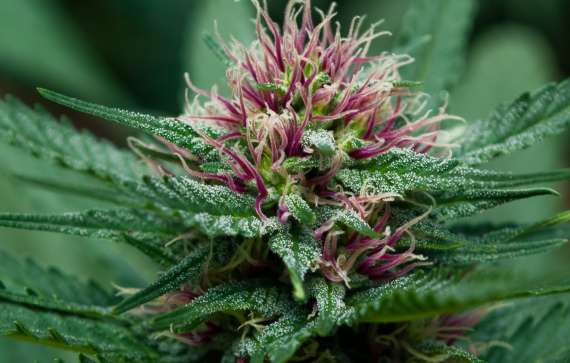
White Lightning boasts dense, medium-sized buds that are often olive green with hints of purple. A thick layer of trichomes covers the buds, giving them a frosty, almost snow-like appearance. Bright orange pistils weave through the buds, adding a vibrant contrast to the overall look.
Aroma:
The aroma of White Lightning is a complex blend of earthy, piney, and citrusy notes. Upon opening a jar, users are greeted with a pungent, skunky scent reminiscent of its Northern Lights lineage. The undertones of citrus and sweet spice come from its White Widow heritage.
Flavor:
The flavor profile mirrors its aroma, offering a delightful combination of earthy and citrusy flavors. On the inhale, users experience a tangy, citrus burst, while the exhale leaves a smooth, herbal aftertaste.
Terpene Profile
The terpene composition of White Lightning significantly influences its aroma, flavor, and effects. This strain’s predominant terpenes are:
- Myrcene: Known for its sedative and relaxing properties, myrcene contributes to the earthy and musky aroma of White Lightning.
- Pinene: This terpene adds a fresh pine scent and offers potential anti-inflammatory and bronchodilatory effects.
- Limonene: Responsible for the citrusy notes, limonene is associated with mood elevation and stress relief.
- Caryophyllene: A spicy and peppery terpene, caryophyllene acts as an anti-inflammatory agent and interacts with CB2 receptors in the endocannabinoid system.
- Humulene: Known for its woody and herbal aroma, humulene may have appetite-suppressing properties.
Cannabinoid Profile
White Lightning typically features a high THC content, usually between 20-24%, with minimal CBD levels. This cannabinoid profile is ideal for experienced users but may be overwhelming for beginners or those sensitive to THC.
- THC (Tetrahydrocannabinol): Responsible for the strain’s psychoactive effects, THC provides the euphoric and relaxing high associated with White Lightning.
- CBD (Cannabidiol): Though present in trace amounts, CBD may enhance the strain’s therapeutic benefits by moderating THC’s psychoactivity.
- CBG (Cannabigerol): Found in smaller concentrations, CBG contributes to anti-inflammatory and neuroprotective effects.
Effects and Experience
White Lightning’s effects are heavily influenced by its indica dominance and high THC content. The strain’s onset is fast-acting, providing an initial cerebral buzz that transitions into deep physical relaxation. Users often describe the experience as a perfect balance between mental stimulation and physical tranquility.
Recreational Effects:
- Euphoria: The initial cerebral high induces feelings of happiness and upliftment, making it ideal for socializing or creative endeavors.
- Relaxation: As the high progresses, the indica effects take over, relaxing muscles and easing tension.
- Enhanced Sensory Perception: Users may experience heightened senses, making activities like listening to music or enjoying art more immersive.
- Sedation: In higher doses, White Lightning can induce couch-lock and promote restful sleep.
Adverse Effects:
Dry eyes and mouth are frequent adverse effects. Less commonly, some users may experience dizziness, paranoia, or anxiety, especially if consumed in high dosages or by THC-sensitive individuals.
Medical Uses
White Lightning’s balanced effects make it a valuable strain for various medical conditions. Its high THC content and terpene profile offer therapeutic benefits that can address both physical and mental health issues.
Mental Health:
- Anxiety and Stress: The uplifting and mood-enhancing effects of limonene and THC help reduce stress and anxiety.
- Depression: The euphoric high can provide temporary relief from depressive symptoms, fostering a sense of well-being.
- PTSD: The calming and grounding effects may help manage symptoms of PTSD by reducing hyperarousal and promoting relaxation.
Pain Management:
- Chronic Pain: The analgesic properties of THC, along with the anti-inflammatory effects of caryophyllene, make White Lightning effective for chronic pain conditions like arthritis and fibromyalgia.
- Neuropathic Pain: The strain’s cannabinoids may help alleviate nerve-related pain, such as that caused by diabetes or multiple sclerosis.
Sleep Disorders:
White Lightning’s sedative effects can be beneficial for those with insomnia or other sleep disorders. The strain’s ability to induce relaxation and promote deep sleep is highly valued by medical users.
Appetite Stimulation:
Despite the presence of humulene, which may suppress appetite, the strain’s high THC content often stimulates hunger, making it useful for individuals dealing with appetite loss due to medical treatments like chemotherapy.
Recreational Uses
White Lightning’s versatility extends to its recreational applications, making it a favorite among cannabis enthusiasts.
- Socializing: The euphoric and uplifting effects enhance mood, making it easier to engage in conversations and enjoy group activities.
- Creative Activities: The initial cerebral buzz can inspire creativity and focus, benefiting artists, writers, and musicians.
- Relaxation: Perfect for unwinding after a long day, the strain’s indica effects help users relax without feeling overly sedated.
- Sleep Aid: Recreational users often turn to White Lightning for its ability to promote restful sleep after a night of enjoyment.
Cultivation Practices for White Lightning
1. Environmental Conditions
- Temperature: White Lightning thrives in a controlled temperature range of 68-80°F (20-27°C). Fluctuations outside this range may stress the plant, affecting yield and potency.
- Humidity: During the vegetative stage, humidity should be maintained at 55-70%, while the flowering stage requires a lower range of 40-50% to prevent mold and mildew development.
- Lighting: White Lightning responds well to high-intensity light sources. Full-spectrum LED lights are preferred for indoor setups, ensuring optimal photosynthesis and resin production.
- Air Circulation: Proper airflow prevents hotspots and ensures the even distribution of CO2, which is vital for photosynthesis. Oscillating fans and exhaust systems can be used to maintain air quality.
2. Soil and Nutrients
- Soil Composition: The strain grows best in nutrient-rich, well-draining soil with a pH level between 6.0 and 7.0. Organic soil amendments like compost, worm castings, and bat guano enhance the nutrient profile.
- Hydroponics: Advanced growers may prefer hydroponic systems for White Lightning to maximize growth rates and yields. This method ensures precise nutrient delivery and water management.
- Fertilizers:
- Vegetative Stage: High nitrogen levels (N) promote robust foliage growth.
- Flowering Stage: Transition to phosphorus (P) and potassium (K)-rich fertilizers to support bud development and resin production.
- Micronutrients: Calcium, magnesium, and sulfur are essential to prevent nutrient deficiencies.
3. Genetic Stability
White Lightning’s lineage—White Widow and Northern Lights—provides genetic traits conducive to strong growth and resistance to common pathogens. Cloning from a mother plant ensures uniformity and stability across crops. Cultivators should select phenotypes with high resin production and robust structure for breeding.
4. Growth Phases and Optimization
- Germination: Use feminized seeds to avoid male plants, ensuring all effort is directed toward flower production. Germination is typically achieved using damp paper towels in a warm, dark environment.
- Vegetative Phase:
- Duration: Typically 4-6 weeks.
- Techniques: Low-stress training (LST) or topping methods can be applied to increase canopy exposure and improve yields.
- Flowering Phase:
- Duration: 8-10 weeks, depending on phenotype.
- Monitoring trichomes (using a magnifying glass) helps determine the ideal harvest time—clear to cloudy trichomes indicate peak THC levels.
- Harvesting:
- After harvest, buds should be trimmed and cured in a dark, climate-controlled space (50-60% humidity and 60-70°F) for 2-4 weeks to enhance flavor and potency.
5. Pest and Disease Management
- Common Pests: Spider mites, aphids, and whiteflies are the primary concerns. Introducing beneficial insects like ladybugs or predatory mites can reduce infestations naturally.
- Fungal Diseases: Powdery mildew and bud rot are risks during high humidity. Regular pruning and maintaining proper airflow mitigate these issues.
- Preventive Measures:
- Use neem oil or organic pesticides during the vegetative stage.
- Avoid overwatering to prevent root rot and other moisture-related problems.
6. Advanced Techniques for Enhanced Yield
- CO2 Enrichment: Increasing CO2 levels to 1000-1500 ppm during the vegetative and flowering stages boosts growth and yield by enhancing photosynthetic efficiency.
- SCROG (Screen of Green): This method maximizes light exposure by training plants to grow horizontally under a screen, promoting uniform bud development.
- Defoliation: Strategic removal of lower fan leaves ensures energy is directed toward developing buds.
- UV Light Supplementation: Adding UVB light during flowering can stimulate trichome production, potentially increasing THC levels.
7. Scientific Monitoring Tools
- pH Meters: Ensure nutrient solutions and soil pH remain within the optimal range.
- EC/TDS Meters: Measure electrical conductivity or total dissolved solids to monitor nutrient concentration in hydroponic systems.
- Infrared Thermometers: Track canopy temperature to prevent heat stress.
- Data Logging Systems: Use automated sensors for tracking humidity, temperature, and CO2 levels in real-time, ensuring precision farming.
Methods of Ingestion, Onset, Duration, and Effects of White Lightning
When consuming White Lightning, understanding the science behind different ingestion methods, their pharmacokinetics, and the resulting effects is essential. Here’s a detailed breakdown:
1. Methods of Ingestion
a. Inhalation (Smoking or Vaping)
- Mechanism: When smoked or vaped, cannabinoids like THC are aerosolized and absorbed through the alveoli in the lungs.
- Bioavailability: Inhalation offers high bioavailability (10-35%), depending on the user’s technique and device efficiency.
- Onset: Usually, the effects take 1 to 5 minutes to manifest.
- Duration: The high lasts approximately 1.5-3 hours, tapering off gradually.
- Advantages:
- Rapid onset allows users to titrate dosage effectively.
- Perfect for people who need pain, stress, or anxiety relief right away.
- Considerations:
- Smoking may irritate the respiratory tract.
- Vaporizers offer a cleaner alternative by reducing combustion byproducts.
b. Oral Ingestion (Edibles and Capsules)
- Mechanism: Cannabinoids are absorbed through the digestive system and metabolized by the liver, where THC is transformed into 11-hydroxy-THC, which is more powerful.
- Bioavailability: Lower bioavailability (4-20%) due to first-pass metabolism.
- Onset: Effects take 30-90 minutes to manifest.
- Duration: Effects last 4-8 hours, with a peak around 2-4 hours.
- Advantages:
- Long-lasting relief for chronic conditions.
- Discreet and easy to dose with pre-measured products.
- Considerations:
- Delayed onset can lead to overconsumption by inexperienced users.
- Effects may vary due to individual metabolism.
c. Sublingual (Tinctures and Sprays)
- Mechanism: Cannabinoids are absorbed directly into the bloodstream through the sublingual mucosa.
- Bioavailability: Moderate bioavailability (~15-30%) due to bypassing the digestive system.
- Onset: Effects are noticeable within 15-45 minutes.
- Duration: Effects last 2-4 hours.
- Advantages:
- Faster onset than edibles.
- Easy to control dosage with droppers or sprays.
- Considerations:
- May have an unpleasant taste depending on the formulation.
d. Topical (Creams and Balms)
- Mechanism: Cannabinoids interact with CB2 receptors in the skin but do not enter the bloodstream significantly.
- Onset: Localized relief felt within 15-30 minutes.
- Duration: Effects last 2-3 hours, depending on the product.
- Advantages:
- Non-psychoactive, suitable for localized pain or inflammation.
- Minimal side effects.
- Considerations:
- Ineffective for psychoactive effects or systemic conditions.
e. Dabbing (Concentrates)
- Mechanism: High concentrations of THC are vaporized at high temperatures and inhaled.
- Bioavailability: Similar to smoking, with rapid absorption.
- Onset: Immediate, within 1-2 minutes.
- Duration: Effects last 1-3 hours.
- Advantages:
- Intense, immediate effects suitable for severe symptoms or high tolerance users.
- Considerations:
- Because of its potency, it is not advised for novices.
- Requires specialized equipment like a dab rig.
2. Onset and Duration of Effects
The onset and duration depend on the method of ingestion, individual metabolism, and dose:
| Method | Onset | Peak Effects | Total Duration |
|---|---|---|---|
| Smoking/Vaping | 1-5 minutes | 20-30 minutes | 1.5-3 hours |
| Edibles | 30-90 minutes | 2-4 hours | 4-8 hours |
| Sublingual | 15-45 minutes | 1-2 hours | 2-4 hours |
| Topical | 15-30 minutes | N/A (localized only) | 2-3 hours |
| Dabbing | 1-2 minutes | 10-20 minutes | 1-3 hours |
3. Effects: Scientific Perspective
The effects of White Lightning are influenced by its high THC content (20-24%), terpenes, and the chosen method of ingestion.
Psychoactive Effects
- Euphoria: The initial cerebral high stems from THC activation of CB1 receptors in the brain, releasing dopamine.
- Relaxation: Indica dominance provides physical relaxation by modulating the nervous system through endocannabinoid signaling.
- Heightened Sensory Perception: Users often report enhanced visual and auditory experiences, attributed to THC effects on the sensory processing centers of the brain.
Medical Effects
- Pain Relief: THC interacts with pain-modulating pathways, reducing nociceptive and neuropathic pain.
- Anxiolytic Effects: Terpenes like limonene may contribute to stress and anxiety relief by influencing serotonin receptors.
- Anti-inflammatory: Caryophyllene interaction with CB2 receptors provides localized and systemic anti-inflammatory effects.
- Appetite Stimulation: THC activation of the hypothalamus stimulates hunger, often referred to as the “munchies.”
Adverse Effects
- Paranoia or Anxiety: High doses of THC may over-activate CB1 receptors, especially in sensitive individuals.
- Dry Mouth and Eyes: THC effect on salivary and tear glands causes these common side effects.
- Dizziness: May result from THC vasodilatory effects, leading to a temporary drop in blood pressure.
4. Scientific Factors Influencing Effects
a. Dosage and Tolerance
- Low Dose (1-5 mg THC): Subtle euphoria, mild relaxation, and light sensory enhancement.
- Moderate Dose (5-20 mg THC): Stronger effects, including euphoria, deep relaxation, and pain relief.
- High Dose (>20 mg THC): Intense euphoria, potential couch-lock, and heightened risk of adverse effects like paranoia.
b. Individual Factors
- Body Composition: Fat-soluble cannabinoids like THC are stored in adipose tissue, influencing metabolism and duration.
- Metabolism: Faster metabolic rates reduce duration, while slower rates prolong effects.
- Tolerance: Frequent users may require higher doses to achieve the same effects due to receptor downregulation.
c. Terpene Modulation
The entourage effect plays a critical role in shaping White Lightning\u2019s effects:
- Myrcene: Promotes sedation and enhances THC psychoactivity.
- Limonene: Elevates mood and counters anxiety.
- Pinene: May reduce cognitive impairment associated with THC.
- Caryophyllene: Adds anti-inflammatory and anti-anxiety benefits.
Scientific Insights and Research
Recent advancements in cannabis research provide a deeper understanding of how strains like White Lightning interact with the human body. The following scientific insights highlight the potential benefits and mechanisms of action:
Cannabinoid-Terpene Synergy:
The “entourage effect” suggests that cannabinoids and terpenes work synergistically to enhance therapeutic outcomes. For example:
- THC provides potent psychoactive effects, while terpenes like myrcene and limonene modulate its impact, promoting relaxation and mood elevation.
- Caryophyllene interacts directly with CB2 receptors, offering anti-inflammatory and analgesic benefits.
Neuroprotective Potential:
Studies indicate that cannabinoids like THC and CBG may have neuroprotective properties, which could be advantageous for ailments like Parkinson’s and Alzheimer’s diseases.
Pain Pathways:
Research shows that THC can modulate pain pathways in the central nervous system, providing relief from both nociceptive and neuropathic pain. Terpenes like pinene and caryophyllene may enhance these effects by reducing inflammation and promoting relaxation.
Mental Health Applications:
Cannabis strains high in limonene, like White Lightning, are being studied for their potential to alleviate symptoms of anxiety and depression. By modulating serotonin receptors, limonene may contribute to mood stabilization.
Conclusion
White Lightning is a well-rounded cannabis strain that combines the best attributes of its parent strains, White Widow and Northern Lights. Its potent effects, unique flavor profile, and therapeutic potential make it a favorite among both medical and recreational users. Whether you’re seeking relief from chronic pain, stress, or simply looking for a strain to enhance your social or creative experiences, White Lightning offers something for everyone. As research into cannabis continues to grow, strains like White Lightning will undoubtedly play a vital role in advancing our understanding of this remarkable plant.
For a complete directory of cultivars, visit our Cannabis Strain Reviews.
