Table of Contents
Often shortened to WiFi OG, White Fire OG is a hybrid cannabis strain that has gained widespread popularity among both medical and recreational users. Known for its potent effects, complex terpene profile, and versatile applications, White Fire OG is a staple in the cannabis community. Below, we provide an in-depth exploration of the strain, including its origins, genetics, chemical composition, and specific uses.
Origins and Genetics
White Fire OG is a hybrid strain with a slightly sativa-dominant profile, typically featuring a 60:40 sativa-to-indica ratio. Two well-known strains were crossed to create it:
- The White: Known for its high potency and dense, trichome-covered buds, The White contributes to WiFi OG’s frosty appearance and intense THC levels.
- Fire OG: A descendant of the OG Kush lineage, Fire OG adds its signature earthy and citrus notes, as well as its relaxing and euphoric effects.
WiFi OG is celebrated for combining the best traits of these parent strains, resulting in a balanced hybrid that caters to a wide range of user needs.
Appearance
The buds of White Fire OG are visually striking, characterized by:
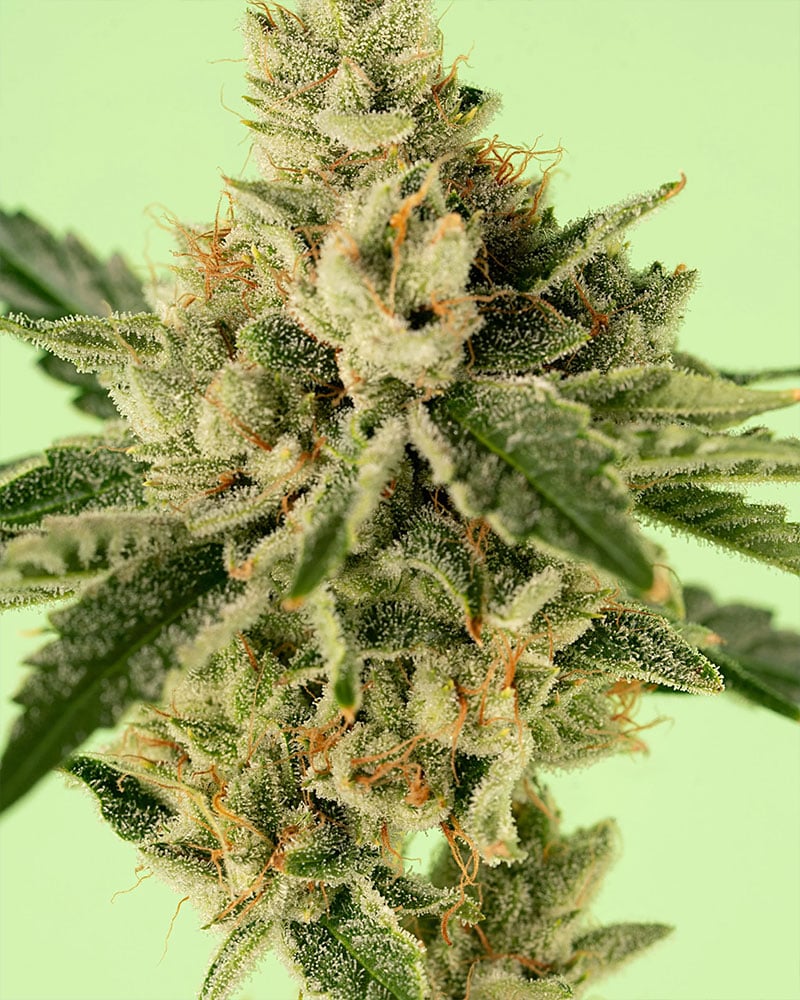
- Dense Structure: Typical of high-quality hybrids, with tightly packed calyxes.
- Trichome Coverage: A frosty layer of resin glands that give the buds a snow-like appearance.
- Coloration: A mix of light green hues with occasional purple undertones, complemented by vibrant orange pistils.
Aroma and Flavor Profile
White Fire OG is renowned for its complex terpene profile, which contributes to its unique aroma and flavor:
- Primary Terpenes:
- Limonene: In charge of the zesty, lemony aroma.
- Myrcene: Adds earthy and musky undertones.
- Caryophyllene: Contributes to the spicy and peppery notes.
- Aroma: A blend of earthy pine and citrus, with subtle hints of diesel and pepper.
- Flavor: A smooth smoke or vapor that delivers a mix of citrus zest and herbal spiciness, leaving a slightly tangy aftertaste.
Chemical Composition
White Fire OG is notable for its high cannabinoid content and balanced terpene profile.
- THC Levels: Typically ranges between 20% and 28%, making it a potent strain suitable for experienced users.
- CBD Levels: Generally low, around 0.1% to 0.5%, but enough to contribute to mild therapeutic effects.
- Other Cannabinoids:
- CBG: Present in trace amounts, contributing to anti-inflammatory properties.
- THCV: Occasionally detected, known for its appetite-suppressing effects.
- Terpene Content:
- Limonene: 0.5% – 1.5%
- Myrcene: 0.3% – 0.8%
- Caryophyllene: 0.2% – 0.6%
Effects
White Fire OG is prized for its balanced effects, offering both cerebral stimulation and physical relaxation.
- Onset: The effects are typically fast-acting, with users feeling the initial cerebral high within minutes.
- Primary Effects:
- Euphoria: An uplifting and happy sensation that enhances mood.
- Focus: Increased mental clarity and concentration, making it suitable for daytime use.
- Relaxation: A soothing body high that melts away physical tension without causing sedation.
- Duration: Effects last between 2 to 4 hours, depending on individual tolerance and dosage.
1. Methods of Ingestion
Inhalation (Smoking or Vaping)
- Mechanism: Inhalation delivers cannabinoids (primarily THC) to the lungs, where they are absorbed into the bloodstream via alveoli. This provides rapid delivery to the brain.
- Onset: 1–5 minutes.
- Duration: 2–4 hours.
- Characteristics:
- Offers a quick onset of effects, making it ideal for users needing immediate relief (e.g., from pain or anxiety).
- Vaporizing preserves terpenes (like limonene and myrcene), providing a more nuanced flavor profile and potentially enhanced effects via the entourage effect.
Oral Consumption (Edibles or Capsules)
- Mechanism: THC is metabolized by the liver into 11-hydroxy-THC, a potent metabolite with enhanced psychoactive properties.
- Onset: 30–120 minutes (dependent on metabolism and stomach contents).
- Duration: 6–8 hours (or longer for some individuals).
- Characteristics:
- Provides prolonged effects suitable for chronic conditions (e.g., pain or insomnia).
- Effects are more body-centric, with a stronger sedative impact due to 11-hydroxy-THC.
Sublingual (Tinctures or Sprays)
- Mechanism: Cannabinoids are absorbed through the mucous membranes under the tongue, bypassing the digestive system.
- Onset: 10–30 minutes.
- Duration: 4–6 hours.
- Characteristics:
- Offers a middle ground between smoking and edibles in terms of onset and duration.
- Provides precise dosing, making it ideal for medical users.
Topical Applications
- Mechanism: Cannabinoids interact with CB2 receptors in the skin without entering the bloodstream.
- Onset: 15–30 minutes.
- Duration: 2–4 hours.
- Characteristics:
- Used primarily for localized pain or inflammation.
- Non-psychoactive, as cannabinoids do not cross the blood-brain barrier.
Dabbing (Concentrates)
- Mechanism: High concentrations of THC and terpenes are vaporized and inhaled, providing a fast-acting, intense experience.
- Onset: 1–2 minutes.
- Duration: 2–3 hours.
- Characteristics:
- Because of its high potency, it is best suited for experienced users.
- Ideal for individuals seeking immediate, high-impact relief.
2. Onset, Duration, and Potency by Method
| Ingestion Method | Onset Time | Peak Effects | Duration | Potency Level |
|---|---|---|---|---|
| Smoking/Vaping | 1–5 minutes | 10–30 minutes | 2–4 hours | High, due to rapid absorption. |
| Edibles | 30–120 minutes | 2–4 hours | 6–8 hours | Very high, enhanced by 11-hydroxy-THC. |
| Sublingual | 10–30 minutes | 30–60 minutes | 4–6 hours | Moderate to high, depending on dosage. |
| Topical | 15–30 minutes | N/A | 2–4 hours | Localized effects only. |
| Dabbing | 1–2 minutes | 5–15 minutes | 2–3 hours | Extremely high, concentrated THC. |
3. Effects of White Fire OG by Consumption Type
Psychoactive and Physiological Effects
- Inhalation:
- Fast-acting cerebral euphoria, characterized by an uplifted mood and enhanced focus.
- Relaxing body high follows, without overwhelming sedation.
- Ideal for daytime use or creative activities.
- Edibles:
- Delayed but intense full-body relaxation.
- Stronger psychoactive effects due to 11-hydroxy-THC.
- Often leads to drowsiness, making it suitable for nighttime use.
- Sublingual:
- Balanced effects that provide both physical relaxation and mental stimulation.
- Easier to manage dosage compared to edibles or dabbing.
- Topicals:
- No psychoactive effects; relief is localized to the area of application.
- Commonly used for joint pain, muscle soreness, or skin conditions.
- Dabbing:
- Immediate and intense effects, including a euphoric rush.
- Rapid physical relaxation and potential sedation.
- Best for experienced users needing high-potency relief.
4. Scientific Mechanisms Behind the Effects
THC and the Endocannabinoid System
- CB1 Receptors:
- THC binds to CB1 receptors in the brain, causing the release of dopamine and inducing euphoria.
- Stimulates the prefrontal cortex, enhancing focus and creativity.
- CB2 Receptors:
- Interaction with CB2 receptors in peripheral tissues reduces inflammation and pain.
Terpene Contributions
- Limonene:
- Enhances mood and provides an anti-anxiety effect by interacting with serotonin receptors.
- Myrcene:
- Synergizes with THC to promote relaxation and sedation.
- Caryophyllene:
- Binds to CB2 receptors, offering anti-inflammatory benefits without psychoactivity.
11-Hydroxy-THC (Edibles):
- Metabolized in the liver, this compound is more potent than THC, with a stronger affinity for CB1 receptors.
- Prolongs and intensifies psychoactive effects.
5. Practical Recommendations
- Beginners:
- Start with lower doses, especially for edibles or dabbing.
- Smoking or vaping allows for easier dose control and quicker cessation if effects are too strong.
- Medical Users:
- Sublingual tinctures provide precise dosing and a balanced effect profile.
- Topicals are suitable for localized relief without psychoactivity.
- Experienced Users:
- Dabbing or high-dose edibles offer more intense and prolonged effects, but require careful management to avoid overconsumption.
Medical Uses
White Fire OG is highly regarded in the medical cannabis community for its therapeutic potential. Below are specific conditions it may help alleviate:
- Chronic Pain:
- The high THC content interacts with the endocannabinoid system to reduce pain signals.
- Effective for conditions like arthritis, migraines, and neuropathic pain.
- Anxiety and Depression:
- The uplifting and euphoric effects help combat symptoms of stress, anxiety, and depression.
- Limonene and myrcene contribute to calming and mood-enhancing properties.
- Inflammation:
- Caryophyllene, a terpene with anti-inflammatory properties, makes this strain suitable for conditions like Crohn’s disease and fibromyalgia.
- Appetite Stimulation:
- Despite low levels of myrcene compared to some indica strains, White Fire OG’s overall cannabinoid profile helps stimulate appetite, beneficial for patients undergoing chemotherapy or dealing with eating disorders.
- Insomnia (Mild Cases):
- While not a traditional sedative, its relaxing body effects can help some users unwind before bed.
- Glaucoma:
- Anecdotal evidence suggests its ability to reduce intraocular pressure, providing relief for glaucoma patients.
- PTSD:
- The strain’s calming and mood-enhancing effects help mitigate symptoms of PTSD, including flashbacks and emotional dysregulation.
Recreational Uses
Recreational users are drawn to White Fire OG for its versatility and potent effects. Common applications include:
- Social Settings:
- The uplifting and euphoric effects of White Fire OG make it a great choice for socializing, enhancing conversation and creativity.
- Creative Endeavors:
- Artists, writers, and musicians often use White Fire OG to spark inspiration and overcome creative blocks.
- Outdoor Activities:
- The energizing cerebral high is ideal for activities like hiking, biking, or attending outdoor events.
- Relaxation:
- Provides a soothing body high that is perfect for unwinding after a long day without inducing couch-lock.
- Gaming and Entertainment:
- Enhances focus and sensory perception, making it suitable for video games, movies, or music.
Potential Side Effects
While White Fire OG is well-tolerated by most users, it does have some potential side effects:
- Dry Mouth and Eyes: Common with high-THC strains, mitigated by staying hydrated.
- Dizziness: Can occur with inexperienced users or those sensitive to THC.
- Paranoia or Anxiety: In rare cases, especially at high doses, the cerebral stimulation may cause discomfort.
- Mild Sedation: In higher doses, the relaxing body high can lead to drowsiness.
Cultivating White Fire OG
Cultivating White Fire OG (WiFi OG) requires a nuanced approach due to its slightly sativa-dominant genetics and specific growth needs. Below are detailed, scientifically informed methods and considerations for cultivating this strain.
Optimal Growing Conditions
- Light Requirements:
- Indoors: White Fire OG thrives under full-spectrum LED lights or high-intensity discharge (HID) lighting systems, such as high-pressure sodium (HPS) lights. A light intensity of 600–1000 µmol/m²/s during the flowering stage optimizes photosynthesis.
- Outdoors: Prefers Mediterranean-like climates with long, sunny days. A minimum of 12–14 hours of sunlight daily ensures robust growth.
- Temperature:
- Ideal Range: 70–80°F (21–27°C) during the day and slightly cooler temperatures at night (65–70°F or 18–21°C).
- Heat Stress Management: Ensure proper ventilation and shading to prevent leaf curling and wilting in extreme heat.
- Humidity:
- Vegetative Stage: Maintain relative humidity (RH) between 50–60% to encourage robust leaf and stem growth.
- Flowering Stage: Lower RH to 40–50% to reduce the risk of mold and mildew on the dense buds.
- Use a hygrometer to monitor humidity consistently and employ dehumidifiers if necessary.
Soil and Nutrients
- Soil Composition:
- Ideal Soil: Well-aerated and nutrient-rich with a slightly acidic pH of 6.0–6.5. Amendments like coco coir, perlite, or vermiculite can enhance drainage and root aeration.
- Organic Growing: Use compost or organic soil mixes rich in nitrogen, phosphorus, and potassium.
- Hydroponics:
- White Fire OG performs well in hydroponic systems, particularly deep water culture (DWC) or nutrient film technique (NFT). These systems provide precise nutrient delivery and oxygenation to the roots.
- Nutritional Requirements:
- Vegetative Stage: High nitrogen (N) content promotes foliage growth. Use a 3-1-2 NPK ratio.
- Flowering Stage: Increase phosphorus (P) and potassium (K) to support bud development, with a typical ratio of 1-3-4.
- Micronutrients: Supplement calcium, magnesium, and sulfur for overall plant health.
- Use chelated nutrients to improve uptake efficiency in both soil and hydroponic setups.
Watering Techniques
- Frequency:
- Only water when the top 1-2 inches of soil are completely dry. Stunted growth and root rot can result from overwatering.
- pH Levels:
- Maintain water pH at 6.0–6.5 for soil and 5.5–6.0 for hydroponics to optimize nutrient absorption.
- Irrigation:
- Drip irrigation systems are ideal for maintaining consistent moisture levels without waterlogging.
Pruning and Training
- Pruning:
- Remove lower leaves and small branches (lollipopping) during the vegetative stage to improve airflow and focus energy on top colas.
- Defoliate selectively during flowering to increase light penetration to lower buds.
- Training Techniques:
- Low-Stress Training (LST): Bend and tie down stems to create an even canopy and maximize light distribution.
- Screen of Green (ScrOG): Use a horizontal screen to guide branches and increase yield.
- Topping and Fimming: Encourage multiple colas by cutting the main stem early in the vegetative stage.
Pest and Disease Management
- Common Pests:
- Spider Mites: Introduce predatory insects like ladybugs or spray neem oil as a preventive measure.
- Aphids: Apply insecticidal soaps or natural predators like lacewings.
- Fungus Gnats: Use sticky traps and beneficial nematodes.
- Fungal Diseases:
- Powdery Mildew: Maintain low humidity and ensure good airflow.
- Bud Rot (Botrytis): Regularly inspect dense buds and remove affected areas immediately.
- Integrated Pest Management (IPM):
- Rotate organic and chemical treatments to prevent resistance.
- Implement companion planting (e.g., marigolds or basil) to deter pests naturally.
Flowering and Harvesting
- Flowering Period:
- Typically lasts 8–10 weeks. Look for trichomes to turn milky white with some amber for optimal THC potency.
- Use a jewelers’ loupe or digital microscope to monitor trichome development.
- Harvesting:
- Perform a flush with pure water (pH-balanced) 1–2 weeks before harvest to remove excess nutrients.
- Harvest in the early morning to preserve terpene integrity.
- Drying and Curing:
- Drying: Hang buds in a dark, ventilated space with 60°F–70°F and 50–60% RH for 7–10 days.
- Curing: Store dried buds in airtight glass jars, opening daily (burping) to release moisture and enhance flavor and potency over 2–4 weeks.
Yield Optimization
- Techniques:
- Ensure even light distribution by using reflective materials or growing in a tent with reflective walls.
- Maintain a stable nutrient schedule to avoid deficiencies or toxicities.
- Train plants early in the vegetative stage to maximize horizontal growth and bud site exposure.
- Expected Yields:
- Indoor: 18–21 ounces per square meter.
- Outdoor: Up to 21 ounces per plant, depending on conditions.
Scientific Insights
White Fire OG’s chemical complexity makes it a subject of interest for cannabis researchers. Some key insights include:
- Synergistic Effects:
- The “entourage effect” from its terpene and cannabinoid profile enhances therapeutic potential.
- Neurological Impact:
- THC and limonene work synergistically to activate serotonin receptors, contributing to mood elevation.
- Anti-Inflammatory Properties:
- Caryophyllene’s interaction with CB2 receptors helps reduce inflammation at the molecular level.
- Potential for Cancer Symptom Management:
- Research suggests its high THC levels and antiemetic properties could benefit patients undergoing chemotherapy.
Conclusion
White Fire OG is a versatile and potent strain that appeals to a wide range of users. Its balanced effects make it suitable for both medical and recreational purposes, while its It stands out thanks to its distinct terpene profile, which provides a sensory experience. Whether you’re seeking relief from chronic pain, looking for a mood boost, or simply enjoying a social gathering, White Fire OG delivers a reliable and enjoyable experience. With its robust genetics, high potency, and therapeutic potential, it’s no wonder White Fire OG remains a favorite in the cannabis community.
For a complete directory of cultivars, visit our Cannabis Strain Reviews.
