Table of Contents
White Buffalo is a highly regarded sativa-dominant hybrid cannabis strain known for its uplifting effects and complex terpene profile. This strain has earned its place among connoisseurs and medical users alike, offering a unique combination of flavors, aromas, and effects that cater to diverse needs. With a lineage rooted in powerful genetics, White Buffalo’s appeal lies in its potent THC levels, invigorating cerebral effects, and potential therapeutic applications.
Genetic Background
White Buffalo is the progeny of Romulan and a cross of Blackberry Kush and Bay 11. Each of these parent strains contributes to White Buffalo’s distinct characteristics:
- Romulan: A predominantly indica strain renowned for its relaxing and sedative properties, Romulan imparts a subtle body high to White Buffalo, balancing its sativa-dominant profile.
- Blackberry Kush: Known for its sweet and earthy flavors, this strain enhances White Buffalo’s taste and aroma while contributing mildly relaxing effects.
- Bay 11: A sativa strain celebrated for its uplifting and clear-headed effects, Bay 11 provides the energizing and euphoric qualities that define White Buffalo.
Appearance
White Buffalo’s buds are visually striking, characterized by:
- Dense, medium-sized nuggets with a light green hue.
- A generous coating of frosty trichomes, reflecting its high THC content.
- Bright orange pistils weaving through the flower, enhancing its aesthetic appeal.
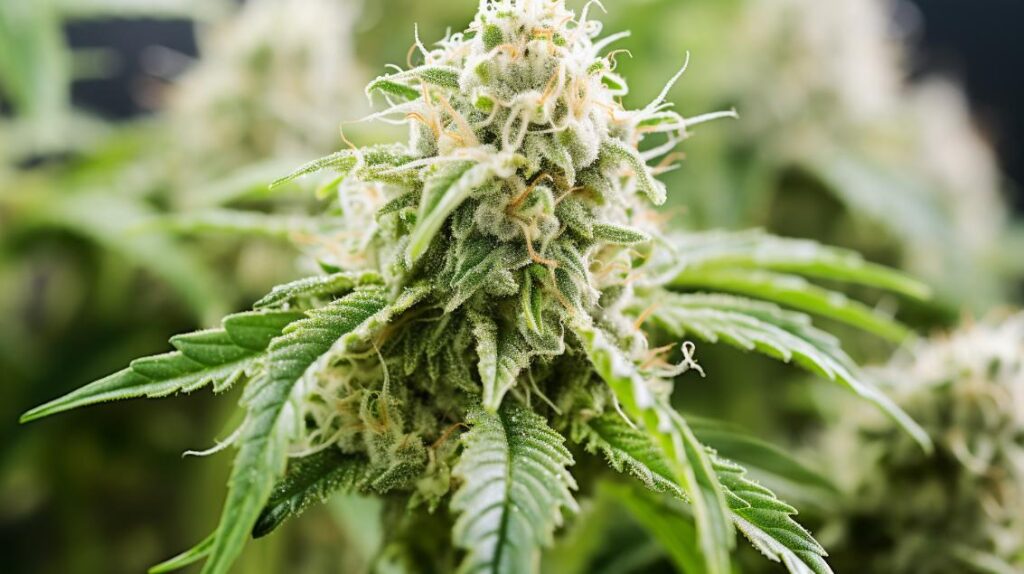
The strain’s resin production makes it a favorite among concentrate enthusiasts, as it yields potent extracts.
Terpene Profile and Aromas
The terpene profile of White Buffalo is a critical factor in its effects and popularity. Dominant terpenes include:
- Myrcene: Adds a subtle earthy and musky aroma, contributing to its mildly sedative properties.
- Caryophyllene: Offers spicy, peppery notes and provides potential anti-inflammatory benefits.
- Limonene: Imparts a citrusy, uplifting scent, enhancing the strain’s mood-boosting qualities.
When consumed, White Buffalo emits a blend of:
- Sweet and fruity aromas reminiscent of berries.
- Earthy and woody undertones.
- Subtle hints of spice and citrus.
Cannabinoid Content
White Buffalo boasts impressive THC levels, typically ranging between 18% and 25%. While it is low in CBD (<1%), the high THC content makes it a potent strain for experienced users. The cannabinoid profile lends itself well to recreational and medical applications.
Effects
As a sativa-dominant hybrid, White Buffalo delivers a primarily cerebral high, characterized by:
- Euphoria: Users report an almost immediate sense of happiness and optimism.
- Energy Boost: The strain provides a surge of energy, making it ideal for daytime use.
- Creativity: Enhanced focus and creativity are commonly noted, making it a favorite among artists and professionals.
- Relaxation: While predominantly energizing, its indica heritage offers a subtle body relaxation that prevents overstimulation.
The effects typically last 2-3 hours, with a gradual tapering off, leaving users refreshed rather than lethargic.
Recreational Uses
White Buffalo is celebrated in the recreational cannabis community for its versatility and uplifting effects. Popular uses include:
- Social Settings: The euphoria and energy boost make it ideal for gatherings, fostering conversation and laughter.
- Outdoor Activities: Its invigorating effects enhance outdoor adventures such as hiking, biking, or gardening.
- Creative Pursuits: Artists, writers, and musicians often turn to White Buffalo for inspiration and focus.
- Focus and Productivity: Many users report improved concentration and mental clarity, making it suitable for tasks requiring sustained attention.
Medical Applications
White Buffalo’s therapeutic potential lies in its ability to address a wide range of conditions. Its effects, combined with its terpene profile, make it particularly beneficial for:
- Mental Health:
- Depression: The uplifting and mood-enhancing effects help alleviate symptoms of depression, fostering a sense of well-being.
- Anxiety: While energizing, the strain’s calming undertones can reduce mild anxiety when used in moderation.
- Pain Management:
- Chronic pain and inflammation may be mitigated through the analgesic properties of caryophyllene and THC.
- Fatigue:
- The energy boost it provides can combat fatigue and lethargy, promoting wakefulness and productivity.
- Appetite Stimulation:
- Like many cannabis strains, White Buffalo may stimulate appetite, making it useful for individuals experiencing loss of appetite brought on by illnesses or therapies.
- Focus Disorders:
- Conditions like ADHD may benefit from its ability to enhance focus and mental clarity.
Potential Side Effects
While generally well-tolerated, White Buffalo may cause side effects, particularly in higher doses. Commonly reported issues include:
- Dry Mouth and Eyes: Standard side effects of cannabis use, easily managed with hydration and eye drops.
- Paranoia or Anxiety: In sensitive users or when consumed excessively, its high THC content may lead to feelings of unease.
- Dizziness: Rarely, users may experience dizziness, especially those unaccustomed to potent sativa strains.
Methods of Ingestion, Duration, Onset, and Effects of White Buffalo
White Buffalo, like other cannabis strains, delivers its effects differently depending on the method of ingestion. The interplay between cannabinoids, terpenes, and your body’s biochemistry determines the onset, duration, and overall experience.

Methods of Ingestion
- Smoking: Inhaling combusted flower material through joints, pipes, or bongs.
- Onset: Rapid (1-3 minutes).
- Duration: 1.5-3 hours.
- Pros: Quick onset allows real-time dosage control; preserves the strain
- terpene profile.
- Cons: Combustion produces harmful byproducts; shorter duration compared to other methods.
- Vaporization (Vaping): Heating cannabis flower or concentrate to release cannabinoids and terpenes as vapor.
- Onset: Rapid (1-5 minutes).
- Duration: 1.5-3 hours.
- Pros: Reduced respiratory irritation; maximizes terpene preservation.
- Cons: Requires a vaporizer, which can be costly; effects dissipate relatively quickly.
- Edibles: Consuming cannabis-infused foods or beverages.
- Onset: Delayed (30-120 minutes) due to digestion and liver metabolism.
- Duration: Long-lasting (6-8 hours or more).
- Pros: Ideal for sustained symptom relief; no respiratory irritation.
- Cons: Delayed onset can lead to accidental overconsumption; effects are less predictable.
- Tinctures and Sublinguals: Liquid cannabis extracts placed under the tongue for absorption through mucosal membranes.
- Onset: Rapid (15-45 minutes).
- Duration: 3-5 hours.
- Pros: Precise dosage control; faster onset compared to edibles.
- Cons: Taste may be off-putting; limited duration compared to edibles.
- Concentrates: Highly potent extracts consumed via dabbing or vaping.
- Onset: Instantaneous to rapid (1-3 minutes).
- Duration: 1.5-3 hours.
- Pros: High potency; requires minimal consumption.
- Cons: Not suitable for novices due to potency; requires specialized equipment.
Onset and Duration: Scientific Mechanisms
- Smoking/Vaping: Inhaled cannabinoids bypass digestion, entering the bloodstream via alveoli in the lungs. This direct pathway explains the rapid onset. The body metabolizes cannabinoids quickly when inhaled, resulting in a shorter duration.
- Edibles: THC converts into 11-hydroxy-THC via the liver, a metabolite known for stronger psychoactive effects and a longer half-life. This accounts for the delayed onset and extended duration.
- Sublinguals: Absorbed directly into the bloodstream via oral mucosa, bypassing the digestive tract, resulting in quicker onset than edibles but shorter effects.
- Concentrates: The high cannabinoid concentration ensures rapid effects due to their highly bioavailable form.
Effects by Method of Ingestion
- Smoking/Vaping: Effects are cerebral and immediate, showcasing White Buffalo’s euphoric and uplifting qualities. Users report enhanced focus and creativity within minutes. Mild body relaxation gradually sets in without overwhelming sedation.
- Edibles: Effects can feel more intense due to 11-hydroxy-THC metabolism. Users experience prolonged euphoria, suitable for managing chronic symptoms like pain or depression. Body relaxation is more pronounced than with inhalation methods.
- Sublinguals: Effects are balanced between inhalation and edibles, offering a clear-headed high with moderate body relaxation. Ideal for rapid symptom relief without unpredictability.
- Concentrates: Deliver a powerful cerebral rush, amplifying White Buffalo energizing and creative effects. Recommended for experienced users due to potency and fast-acting nature.
Pharmacokinetics of White Buffalo
- THC Bioavailability:
- Smoking/Vaping: 10-35% bioavailability depending on the use technique.
- Edibles: Approximately 4-12% due to first-pass metabolism in the liver.
- Sublinguals: Estimated at 12-35%, similar to smoking/vaping due to direct bloodstream absorption.
- Terpenes and Synergy:
- White Buffalo high limonene content complements its energizing effects by activating serotonin receptors, enhancing mood and focus.
- Myrcene modulates the psychoactivity of THC, preventing overstimulation and promoting balance.
Optimal Use Cases Based on Methods
- Daytime Productivity (Smoking/Vaping): Ideal for quick bursts of energy, creativity, and focus. Best suited for work, exercise, or social settings.
- Chronic Pain or Insomnia (Edibles): Extended duration makes edibles perfect for long-term symptom management. Effective for pain relief and promoting restful sleep.
- Acute Symptom Relief (Sublinguals): Suitable for immediate relief from anxiety, headaches, or stress.
- High Potency Needs (Concentrates): Designed for experienced users tackling severe symptoms like migraines or intense creative pursuits.
Methods of Cultivation
White Buffalo cannabis strain requires careful attention during cultivation to maximize its potential. Understanding its genetic makeup and environmental needs is essential for optimizing yield, potency, and overall plant health.

Cultivation Basics
- Plant Type: White Buffalo is a sativa-dominant hybrid, which influences its growth patterns:
- Tall Growth: Sativa-dominant strains like White Buffalo grow tall and may require height management indoors.
- Extended Flowering Time: It has a longer flowering period compared to indica strains, typically 8-10 weeks.
- Growth Difficulty: Moderate, requiring some experience due to specific environmental and nutritional needs.
Environmental Requirements
- Climate:
- Thrives in Mediterranean-like climates, with warm temperatures and moderate humidity.
- Ideal Temperature Range: 70\u00b0F-85\u00b0F (21\u00b0C-29\u00b0C).
- Humidity: 40%-50% during vegetative growth, reduced to 30%-40% during flowering to prevent mold.
- Indoor Cultivation:
- Lighting: Requires high-intensity lights (e.g., LED or HPS) to support vigorous growth.
- Light Schedule: 18/6 (light/dark) during vegetative stage; 12/12 during flowering.
- Ventilation: Essential to maintain airflow and prevent mold or mildew, especially given the dense bud structure.
- Outdoor Cultivation:
- Performs well in well-draining, nutrient-rich soil with ample sunlight.
- Planting Season: Spring, with harvest around mid to late October in the Northern Hemisphere.
Nutritional Needs
- Soil and Medium:
- Prefers slightly acidic soil (pH 6.0-6.5).
- Hydroponic systems are also effective, offering precise control over nutrients.
- Nutrient Requirements:
- Vegetative Stage: High nitrogen levels to promote foliage growth.
- Flowering Stage: Reduced nitrogen and increased phosphorus and potassium to support bud development.
- Organic Practices:
- Using compost teas or organic amendments can enhance terpene production and overall flavor.
Growth Stages and Maintenance
- Seedling Stage:
- Germination occurs in 5-10 days.
- Optimal humidity: 60%-70% to prevent drying out.
- Vegetative Stage:
- Rapid growth phase with tall, lanky development.
- Training Techniques:
- Low-Stress Training (LST): Encourages horizontal growth and increases light penetration.
- Topping/FIMing: Controls height and promotes a bushier structure.
- Flowering Stage:
- Buds begin forming at week 4-5, with full maturity by weeks 8-10.
- Temperature control is crucial to maintain terpene integrity.
- Trichome Monitoring: Harvest when trichomes are milky white with some amber for maximum potency.
Pest and Disease Management
- Common Pests:
- Spider Mites: Managed with predatory insects (e.g., ladybugs) or neem oil.
- Aphids and Whiteflies: Controlled using insecticidal soaps or companion planting (e.g., marigolds).
- Disease Prevention:
- Powdery Mildew: Reduced by ensuring proper airflow and maintaining low humidity during flowering.
- Root Rot: Make sure drainage is adequate and refrain from overwatering.
Advanced Cultivation Techniques
- Screen of Green (ScrOG):
- A technique where a screen is used to train plants, maximizing yield in limited spaces.
- Especially useful indoors to manage White Buffalo’s tall growth.
- Defoliation:
- Strategic removal of fan leaves to improve light penetration and airflow around buds.
- CO₂ Enrichment:
- Boosting CO₂ levels during vegetative and early flowering stages can enhance growth rates and yield.
- Flushing:
- Performed 1-2 weeks before harvest to remove excess nutrients, ensuring clean, smooth-tasting buds.
Harvest and Post-Harvest
- Harvest Timing:
- Based on trichome color and pistil maturity.
- Milky trichomes with some amber indicate peak THC potency.
- Drying and Curing:
- Drying: Hang buds in a dark, ventilated area at 60\u00b0F-70\u00b0F with 50%-60% humidity for 7-14 days.
- Curing: Store dried buds in airtight jars, opening daily to release moisture (burping) for the first two weeks. Curing enhances terpene profile and smoothness.
Scientific Impact of Cultivation on Cannabinoids and Terpenes
- Terpene Preservation:
- Optimal drying and curing conditions prevent terpene degradation. Higher temperatures or improper curing can diminish White Buffalo’s characteristic aroma and flavor.
- THC Development:
- Maximized by maintaining consistent light cycles and nutrient levels during flowering.
- Stress management (e.g., preventing pests) is crucial to avoid reduced potency.
- Genetic Expression:
- Environmental factors, including light intensity, temperature, and nutrient availability, directly impact cannabinoid and terpene production.
Scientific Insights
The effects and medical potential of White Buffalo can be better understood through scientific studies on cannabis and its components:
- THC and Mental Health:
- THC interacts with the endocannabinoid system, particularly the CB1 receptors in the brain, influencing mood and energy levels.
- Studies suggest that THC can boost dopamine release, contributing to euphoria and improved focus.
- Terpenes and Therapeutic Effects:
- Caryophyllene: A unique terpene that also acts as a cannabinoid, binding to CB2 receptors and exhibiting anti-inflammatory properties.
- Limonene: Research indicates its potential to reduce stress and anxiety while enhancing mood.
- Myrcene: Known for its sedative properties, it complements the strain’s relaxing effects without overpowering its sativa-driven energy.
- Neuroprotection:
- Emerging studies suggest that THC and certain terpenes may have neuroprotective properties, potentially benefiting conditions like Alzheimer’s or Parkinson’s disease.
Comparison with Similar Strains
White Buffalo is often compared to other sativa-dominant strains for its energizing and uplifting effects. Key comparisons include:
- Sour Diesel: Both strains offer energy and euphoria, but White Buffalo has a sweeter flavor profile.
- Green Crack: Similar in its ability to boost focus and creativity, White Buffalo provides a more balanced experience due to its indica lineage.
- Jack Herer: Known for its cerebral effects, Jack Herer shares White Buffalo’s uplifting qualities but has a more piney aroma.
Consumption Methods
White Buffalo can be enjoyed through various methods, depending on user preference:
- Smoking: Provides the quickest onset of effects and preserves the strain’s flavor and aroma.
- Vaping: Offers a smoother experience with enhanced terpene flavors.
- Edibles: Produces longer-lasting effects, ideal for extended relief from symptoms.
- Concentrates: Ideal for seasoned users looking for more potency.
Conclusion
White Buffalo is a versatile and potent strain that excels in both recreational and medical contexts. Its uplifting effects, coupled with a complex terpene profile, make it a standout choice for those seeking energy, focus, and relief from various ailments. Whether you’re an artist looking for inspiration, a professional seeking focus, or a medical user in search of relief, White Buffalo has something to offer. However, as with any cannabis strain, moderation and awareness of one’s tolerance are key to a positive experience.
For a complete directory of cultivars, visit our Cannabis Strain Reviews.
