Table of Contents
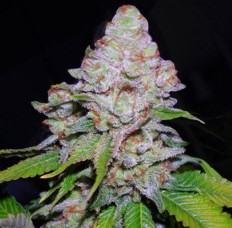
White Berry, also known occasionally as “Whiteberry,” is a hybrid cannabis strain developed by Paradise Seeds, a renowned Dutch seed company. It is an indica-dominant hybrid (approximately 65% indica and 35% sativa) bred by crossing:
- Blueberry (indica-dominant)
- White Widow (balanced hybrid)
This union combines the colorful and flavorful profile of Blueberry with the frosty potency and cerebral impact of White Widow. The resulting strain, White Berry, inherits a fast-flowering nature, a visually appealing aesthetic, and growers might anticipate the following under ideal indoor conditions:
Morphology and Cultivation Traits
White Berry’s genetics make it ideal for both beginner and experienced cultivators. Thanks to its indica dominance, it remains compact, responsive to training, and quick to flower, while retaining some sativa vigor in terms of resilience and yield.
Cultivation Environment
Indoor vs. Outdoor
- Indoor cultivation offers greater control over light, humidity, and nutrients, which is crucial for expressing the full potential of White Berry’s terpene profile and dense resin formation.
- Outdoor growing is feasible in warm, Mediterranean-like climates with stable temperatures and low autumn humidity (to prevent mold).
Ideal conditions:
- Temperature: 70–78°F (21–26°C) during the day; slightly cooler at night
- Humidity: 50–60% during veg, gradually reduced to 40–45% in flower
- Photoperiod: 18/6 for veg; 12/12 for flowering
Growth Phases and Timelines
Seedling Phase (1–2 weeks)
- Use sterile, loose media (e.g., peat or coco coir) for root development.
- Maintain high humidity (70–80%) and low light intensity (~150 PPFD).
- Keep temperature around 75°F (24°C).
Vegetative Phase (3–5 weeks)
- White Berry stays compact but benefits from vigorous leaf and node development.
- Light intensity: ~300–500 PPFD
- Feed with a balanced NPK nutrient mix (e.g., 3-1-2)
- Responds well to:
- Low-Stress Training (LST)
- Topping
- SCROG (Screen of Green) — enhances even canopy development
Flowering Phase (7–8 weeks)
- Triggered by switching to a 12/12 light cycle.
- Boost potassium and phosphorus (PK-heavy bloom nutrients, e.g., 1-3-2).
- Maintain humidity below 50% to prevent botrytis (bud rot).
- Final two weeks: Consider flushing with pure water to enhance flavor and reduce residual nutrients.
Lighting Strategy
Indoor Light Options
- LED Grow Lights (preferred): Full-spectrum with high efficacy (2.0+ μmol/J)
- HID (HPS/MH): Can still be used, especially in commercial grows
Optimal PPFD values:
- Seedlings: 100–200 µmol/m²/s
- Veg: 300–500 µmol/m²/s
- Flower: 600–900 µmol/m²/s
DLI (Daily Light Integral):
- Veg: 15–25 mol/m²/day
- Flower: 30–40 mol/m²/day
White Berry responds especially well to blue spectrum dominance in veg and red spectrum in bloom, aligning with its indica-influenced growth architecture.
Nutrient Program
White Berry is not a heavy feeder, but it is responsive to a precise regimen. Avoid over-fertilizing, particularly with nitrogen in late veg and bloom.
Macronutrients
- Vegetative stage:
- Nitrogen (N): 200–250 ppm
- Phosphorus (P): 50–75 ppm
- Potassium (K): 200–250 ppm
- Flowering stage:
- Lower nitrogen to ~100 ppm
- Increase phosphorus to 100–150 ppm
- Potassium up to 300 ppm for dense buds and terpene expression
Micronutrients:
- Calcium and magnesium (especially in coco or RO water)
- Iron, manganese, and sulfur to support chlorophyll synthesis and enzyme activity
EC Range (Electrical Conductivity):
- Veg: 1.2–1.6 mS/cm
- Flower: 1.6–2.0 mS/cm
- Flush: <0.6 mS/cm
Growing Media
White Berry performs well in a range of substrates, but choices affect nutrient delivery and microbial dynamics.
Soil (Organic or Super Soil)
- Promotes terpene complexity through microbial synergy
- Requires slower, more passive feeding
Coco Coir
- Excellent for hydro-style precision feeding
- Fast drainage and oxygenation improve root health
Hydroponics (DWC, NFT, Aeroponics)
- Fastest growth and largest yields
- Must monitor pH (5.8–6.2), temperature, and dissolved oxygen precisely
Watering and Root Health
- pH range:
- Soil: 6.0–6.8
- Hydro/coco: 5.8–6.2
- Watering frequency depends on substrate and root mass
- Avoid overwatering to prevent root rot, especially during early veg
- Consider adding beneficial microbes (e.g., Trichoderma, mycorrhizae) for improved nutrient uptake and disease resistance
Plant Training and Yield Optimization
White Berry’s symmetrical growth pattern is ideal for yield-enhancing training methods:
Techniques:
- LST (Low-Stress Training): Bending main stems to expose bud sites and control height
- Topping: Encourages bushier growth and multiple colas
- SCROG (Screen of Green): Especially effective due to White Berry’s uniform structure
- Defoliation: Remove fan leaves in mid-flower to increase light penetration and airflow
Yield Expectations:
- Indoor: 400–500 g/m²
- Outdoor: 500–700 g/plant (in ideal climates)
- Quality vs. Quantity: Denser buds with higher trichome content when grown under moderate stress and optimized lighting
Pest and Pathogen Resistance
White Berry shows moderate natural resistance due to its robust indica traits. Still, environmental control is key.
Common Threats:
- Powdery mildew (especially in humid conditions)
- Fungus gnats, thrips, and spider mites
Preventative Measures:
- Control the humidity, particularly when flowers are blooming.
- Apply Neem oil or insecticidal soaps during veg (not flowering)
- Introduce biocontrols (e.g., Hypoaspis miles, Amblyseius cucumeris)
- Use HEPA filters and UV sterilization in sealed environments
Harvest and Post-Harvest Considerations
Harvest Timing
- Ready after 50–60 days of flowering
- Trichome colors for peak harvest:
- Cloudy → Maximum THC
- Amber → More CBN, relaxing/sedating effects
Yield Influence Factors:
- Early harvest: More cerebral high, less sedating
- Late harvest: Heavier, body-focused effects due to THC degradation into CBN
Drying and Curing:
- Drying: 60°F (15°C), 60% RH for 7–10 days
- Curing: In glass jars, burped daily for 2–3 weeks
- Enhances flavor, aroma, and cannabinoid/terpene preservation
Genetic Stability and Phenotypic Expression
White Berry, developed by Paradise Seeds, is considered a stable cultivar. However, phenotypic variations can occur, especially in seed-grown plants:
Pheno Differences:
- Some exhibit more Blueberry traits (purple hues, stronger fruity aroma)
- Others lean toward White Widow (frostier, more cerebral high)
Growers may select and clone desirable phenotypes for:
- Denser trichome coverage
- Specific terpene expressions
- Growth habit compatibility (e.g., short stature for stealth grows)
Conclusion: A Grower’s Delight
White Berry is a scientifically robust cultivar with:
- Predictable behavior in controlled environments
- Balanced nutrient demands
- Strong resistance to common grow issues
- Impressive resin production and a brief flowering period
Its cultivation offers both challenge and reward — especially for growers looking to produce high-terpene, premium-quality flower with manageable inputs. Whether you’re cultivating for recreational use, medical purposes, or commercial extraction, White Berry offers a scientifically rewarding and economically viable growing experience.
Cannabinoid and Terpene Profile
White Berry’s therapeutic and recreational properties stem from its balanced cannabinoid and terpene makeup.
Cannabinoid Profile
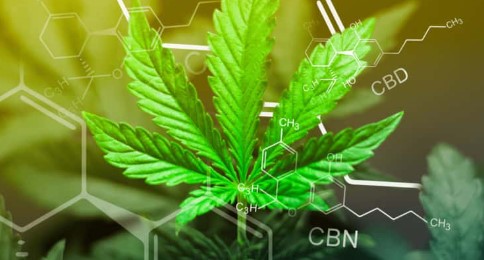
- THC: 15–20% (potent, but not overpowering)
- CBD: <1%
- CBG: Trace amounts
- THCV: Present in minor concentrations, potentially influencing mood and appetite modulation
Primary Terpenes
- Myrcene: Dominant terpene; promotes sedative effects, muscle relaxation, and enhances THC permeability across the blood-brain barrier.
- Pinene: Provides anti-inflammatory and bronchodilatory benefits; contributes to alertness and memory retention.
- Caryophyllene: Binds to CB2 receptors, potentially aiding in pain and inflammation relief without intoxication.
- Limonene: Elevates mood and reduces stress via serotonergic mechanisms.
The synergy between these terpenes and cannabinoids enhances both recreational and medicinal effects, a phenomenon known as the entourage effect.
Mechanisms of Action: How White Berry Affects the Body
White Berry’s effects are mediated primarily through the endocannabinoid system (ECS), which consists of CB1 and CB2 receptors distributed throughout the central nervous and immune systems.
- CB1 activation (predominantly by THC): Leads to psychoactive effects, such as mood elevation, relaxation, and sensory amplification.
- CB2 modulation (via caryophyllene and other terpenes): Helps regulate immune responses and inflammation.
- Myrcene increases the permeability of the blood-brain barrier, allowing faster THC uptake, enhancing the “onset” of effects.
Recreational Uses and Experience
White Berry provides a complex experience due to its hybrid nature. Users often describe a “heady lift” followed by a gentle body stone.
Initial Effects (0–30 minutes):
- Euphoric mood uplift
- Increased sociability
- Heightened sensory perception (colors, sounds)
Peak Effects (30–90 minutes):
- Mild cerebral stimulation
- Sense of calm and contentment
- Creativity and introspection in moderate doses
Late Effects (90–180 minutes):
- Physical relaxation
- Sleepiness in higher doses
- Appetite stimulation (“munchies”)
This duality makes White Berry highly versatile. It’s well-suited for evening use or relaxed social gatherings, offering clarity without mental fog followed by a smooth descent into sedation.
Popular recreational applications:
- Watching films or listening to music
- Light creative activities (writing, painting)
- Casual social interactions
- Gaming or meditative practices
Medical Applications and Evidence-Based Therapeutic Uses
White Berry’s therapeutic potential lies in its balanced cannabinoid profile (moderate THC, low CBD) and synergistic terpene composition, which together interact with the endocannabinoid system (ECS) and various neurotransmitter pathways.
Key Active Compounds:
- THC (Δ9-tetrahydrocannabinol): Psychoactive compound binding primarily to CB1 receptors, modulating pain, mood, appetite, and sleep.
- Terpenes:
- Myrcene: Sedative, analgesic
- Caryophyllene: Anti-inflammatory via CB2 receptor agonism
- Limonene: Anxiolytic and antidepressant via serotonergic and dopaminergic signaling
- Pinene: Cognitive support, anti-inflammatory
This chemical matrix results in a biphasic clinical profile—White Berry can be both uplifting and relaxing depending on dose and patient physiology.
Neurological and Psychiatric Applications
A. Generalized Anxiety Disorder (GAD) and Social Anxiety
- Mechanism: Limonene increases serotonin availability (5-HT1A receptor agonism), while THC modulates amygdala activity.
- Benefit: Produces calm without cognitive dulling at low doses.
- Evidence: Studies have shown limonene-rich strains reduce anxiety markers in rodents, while THC shows dose-dependent anxiety relief in humans (low dose = relief; high dose = anxiety rebound).
B. Depression and Mood Disorders
- THC indirectly elevates dopamine in the nucleus accumbens, improving mood and motivation.
- Caryophyllene shows antidepressant effects in animal models via activation of peroxisome proliferator-activated receptors (PPARs) and CB2, reducing neuroinflammation.
Clinical implications:
- Improves mood stability
- Useful as adjunct therapy in treatment-resistant depression
- Can mitigate anhedonia and psychomotor retardation
C. PTSD (Post-Traumatic Stress Disorder)
- CB1 receptor modulation may reduce hyperarousal and intrusive thoughts.
- Myrcene and limonene contribute to anxiolysis and improved sleep quality.
- White Berry is particularly useful due to its calming effects without excessive sedation, making it functional for day and night use.
D. ADHD and Cognitive Dysregulation
- Small doses promote focus through pinene’s acetylcholinesterase inhibition, which enhances cholinergic tone.
- Helps reduce racing thoughts and emotional impulsivity.
Analgesic and Anti-Inflammatory Applications
A. Chronic Pain Syndromes (Neuropathic and Nociceptive)
- THC suppresses pain signaling at spinal and supraspinal levels via CB1 activation.
- Caryophyllene reduces inflammation and pain sensitivity by binding CB2 receptors in peripheral tissues and microglia.
- Myrcene potentiates muscle relaxation and inhibits pain transmission (possibly via TRPV1 receptor modulation).
Effective for:
- Fibromyalgia
- Neuropathic pain (diabetic neuropathy, postherpetic neuralgia)
- Menstrual pain and pelvic inflammatory syndromes
B. Arthritis and Autoimmune Inflammatory Disorders
- CB2 receptor targeting by caryophyllene helps suppress cytokine production (IL-1β, TNF-α).
- Reduces joint swelling, stiffness, and inflammatory pain.
- In vitro studies show that THC reduces oxidative stress and suppresses macrophage activation in rheumatoid arthritis models.
Sleep and Circadian Disorders
A. Primary Insomnia
- Myrcene, in synergy with THC, enhances GABAergic signaling and prolongs slow-wave sleep.
- Sleep latency reduction and REM modulation lead to longer, more restorative sleep cycles.
B. Sleep Fragmentation (common in PTSD, chronic illness)
- White Berry’s gentle comedown helps prevent nighttime awakenings without residual sedation in the morning.
- Enhances sleep architecture, particularly stage 3 (deep sleep).
C. Restless Leg Syndrome (RLS)
- Cannabis has been shown in multiple surveys to improve sleep and reduce motor hyperactivity associated with RLS.
- Likely mechanism: THC-mediated dopaminergic stabilization and muscle relaxation via CB1 receptors in spinal cord pathways.
Appetite and GI Support
A. Appetite Stimulation
- THC directly stimulates hypothalamic pro-opiomelanocortin neurons, increasing ghrelin secretion and appetite drive.
- Ideal for patients undergoing chemotherapy, HIV treatment, or suffering from cachexia.
B. Nausea and Vomiting
- THC is a proven antiemetic—especially effective when nausea is linked to stress, food aversion, or opioid use.
- White Berry’s balance of THC and calming terpenes makes it tolerable even in patients with gastrointestinal hypersensitivity.
Headaches and Migraines
- White Berry’s pinene acts as a vasodilator and anti-inflammatory agent, while THC and myrcene help interrupt the trigeminovascular pain pathway.
- May reduce:
- Photophobia
- Pain intensity
- Aura severity
- Anecdotal reports align with scientific reviews supporting cannabis for migraine prophylaxis and acute attacks.
Neuroprotection and Seizure Modulation
While White Berry is not CBD-rich, trace levels of other cannabinoids (CBG, THCV) may confer some protective effects.
- CBG: Shows neuroprotective properties in animal models of Huntington’s and Parkinson’s disease.
- THCV: Has anticonvulsant properties and modulates glycemic control—relevant in epilepsy and metabolic disorders.
Although not the first-line option for epilepsy (CBD strains like Charlotte’s Web are), White Berry may serve as adjunct support in milder seizure-prone syndromes, especially when anxiety and sleep disruption are involved.
Cancer Symptom Management
Though not directly antitumorigenic, White Berry aids quality of life in cancer patients by:
- Relieving chemotherapy-induced nausea
- Improving sleep and appetite
- Reducing anxiety around treatment
- Alleviating mucositis pain
Cannabinoids also enhance the efficacy of opioids and reduce opioid dosage requirements, thereby reducing opioid-induced side effects.
Additional Medical Uses
Glaucoma
- THC reduces intraocular pressure (IOP), albeit temporarily. White Berry may be useful as part of a short-term regimen in patients with early-stage glaucoma.
Tinnitus and Auditory Processing Disorders
- Though not universally effective, some patients find relief from sensory overprocessing symptoms, including tinnitus distress, possibly due to THC’s impact on cortical excitability.
Dosing Considerations for Medical Use
White Berry’s moderate THC content makes it suitable for microdosing and titrated approaches:
| Condition | Suggested Dose | Form | Timing |
|---|---|---|---|
| Anxiety, PTSD | 1–2 mg THC | Inhaled or tincture | Day or evening |
| Chronic Pain, Fibromyalgia | 5–10 mg THC | Vaporized or edible | As needed |
| Insomnia | 5–15 mg THC | Edible or capsule | Night |
| Appetite Stimulation | 2–5 mg THC | Vaporized or tincture | Pre-meal |
| Migraine | 3–7 mg THC | Vaporized | Onset of aura |
White Berry as a Multifaceted Therapeutic Strain
White Berry is a clinically adaptable strain that fits a variety of therapeutic contexts. Its specific medical value stems from:
- Balanced THC levels – potent but not overwhelming
- Rich, synergistic terpenes that amplify and modulate THC’s effects
- Low risk of paranoia or overstimulation when appropriately dosed
- A dual-action profile—uplifting early effects with relaxing, sedative late-phase actions
Scientific Research and Case Studies
While research specific to White Berry is limited due to regulatory constraints, studies on its parent strains and terpene components provide strong inferential support.
Relevant Scientific Studies:
- Myrcene & Sedation:
- A study in the Journal of Phytomedicine (2011) confirmed myrcene’s muscle-relaxant and sleep-enhancing effects in murine models.
- Caryophyllene & Pain:
- Research published in Neuropsychopharmacology (2008) demonstrated caryophyllene’s ability to selectively activate CB2 receptors, reducing inflammation and nociception without psychoactivity.
- Pinene & Cognitive Function:
- A 2012 review in Frontiers in Neuroscience highlighted pinene’s role in enhancing memory and protecting against THC-induced short-term memory deficits.
- THC for Pain & Sleep:
- A 2020 meta-analysis in The Lancet Psychiatry confirmed that moderate-THC cannabis strains significantly improved sleep quality and chronic pain in patients resistant to traditional therapies.
Dosage and Usage Guidelines
For therapeutic applications, dosing should be carefully tailored:
- Beginner/low-tolerance users: 1–2 mg THC or 1 small inhalation
- Moderate users: 5–10 mg THC (1–2 moderate inhalations or small edible)
- Chronic pain/sleep support: Up to 15 mg THC, preferably in edible or tincture form
Titration approach: Start low, go slow—especially with oral forms, which have a delayed onset (30–90 minutes) and longer duration (4–6 hours).
Side Effects and Risk Profile
White Berry’s moderate THC level minimizes the intensity of side effects, especially compared to high-potency strains. However, potential side effects include:
- Dry mouth and eyes
- Mild dizziness
- Short-term memory disruption (less likely due to pinene content)
- Paranoia or anxiety at high doses, especially in sensitive users
Rarely, users may report:
- Headaches (usually from dehydration or overuse)
- Lethargy or “couch lock” if consumed in large evening doses
Ideal Patient and Consumer Profile
Best suited for:
- Individuals with mild to moderate anxiety, chronic stress, or depression
- Patients requiring pain relief without heavy sedation
- Creative professionals seeking inspiration with relaxation
- Recreational users desiring a flavorful, well-balanced experience
Not ideal for:
- Those requiring high-CBD strains for conditions like epilepsy
- Individuals with high THC sensitivity
- Daytime users needing a strong energy or productivity boost
Market Availability and Forms
White Berry is available through seed banks and dispensaries in various forms:
- Flower (most common)
- Pre-rolls
- Live resin/concentrates
- Cartridges (distillate with terpene reintroduction)
- Tinctures and edibles (less common but increasingly available)
Legal availability varies by region and jurisdiction. In medical states/countries, it’s often listed for treatment of anxiety, pain, and sleep disorders.
Conclusion
White Berry is a versatile, aesthetically pleasing, and scientifically grounded cannabis strain that offers a spectrum of therapeutic and recreational benefits. Its lineage from Blueberry and White Widow equips it with a rich terpene profile, balanced THC levels, and wide-ranging applications. Whether managing chronic pain, navigating emotional challenges, or seeking mindful relaxation, White Berry stands out as a reliable and well-rounded strain.
Its subtle euphoria, smooth flavor profile, and gentle comedown make it a staple for many users who seek balance—neither too sedating nor overwhelmingly cerebral. For those exploring the middle ground between functionality and full-body relief, White Berry represents an ideal companion.
For a complete directory of cultivars, visit our Cannabis Strain Reviews.
