Table of Contents
Whitaker Blues is a relatively rare cannabis strain celebrated for its unique lineage, distinct aroma, and versatile effects. Cultivated with a focus on preserving the best attributes of its genetic predecessors, Whitaker Blues is a testament to expert cannabis breeding. This comprehensive guide delves into every aspect of the Whitaker Blues cannabis strain, including its lineage, characteristics, specific medical and recreational uses, and the scientific basis for its effects.
Genetic Lineage and Origins
Whitaker Blues is the product of crossing the legendary DJ Short’s Blueberry strain with a highly potent and stable Oregon Blue strain. DJ Short’s Blueberry, renowned for its sweet berry aroma and euphoric effects, provides a robust genetic backbone. Oregon Blue contributes resilience, increased yields, and enhanced therapeutic potential. Together, these genetics create a strain that balances indica-dominant characteristics with nuanced sativa-like effects.
Physical Characteristics
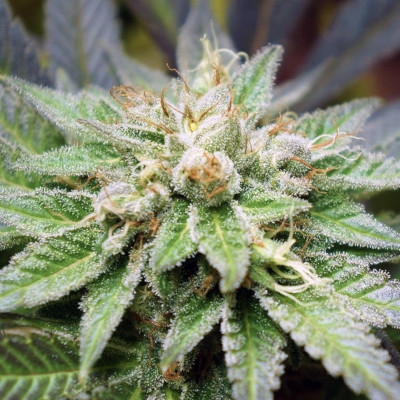
Whitaker Blues is visually striking, with dense, chunky buds coated in a thick layer of trichomes. The flowers exhibit a spectrum of colors, from deep forest green to shades of purple and blue, especially when cultivated in cooler temperatures. Bright orange pistils thread through the buds, creating a vivid contrast. The strain’s high resin production not only enhances its visual appeal but also speaks to its potency.
Aroma and Flavor Profile
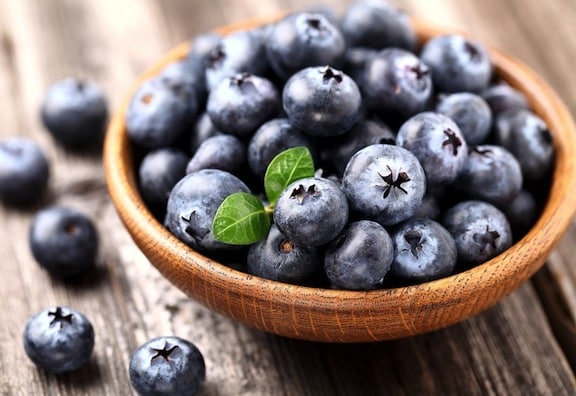
The aromatic profile of Whitaker Blues is dominated by sweet and fruity notes reminiscent of ripe blueberries. Undertones of earthiness and a subtle hint of pine add complexity. When consumed, the flavor mirrors the aroma, delivering a smooth and rich experience characterized by blueberry sweetness, a slight spiciness, and a creamy finish.
Cannabinoid and Terpene Profile
Cannabinoids:
Whitaker Blues typically contains a moderate to high THC content, ranging from 15% to 22%, depending on growing conditions and phenotypes. CBD levels are generally low, often below 1%, but this strain’s balanced effects suggest the presence of other minor cannabinoids that contribute to its therapeutic potential.
Terpenes:
The dominant terpenes in Whitaker Blues include:
- Myrcene: Responsible for its earthy and musky notes, myrcene contributes to the strain’s relaxing effects.
- Limonene: Adds a hint of citrus and is associated with mood elevation and stress relief.
- Pinene: Imparts a fresh pine aroma and may enhance focus and memory.
- Beta-Caryophyllene: Offers a spicy kick and interacts with the body’s endocannabinoid system to provide anti-inflammatory benefits.
This diverse terpene profile enhances the strain’s flavor, aroma, and effects, creating a well-rounded experience.
Effects
Whitaker Blues is an indica-dominant hybrid with effects that typically unfold in three distinct phases:
- Initial Uplift: Users often report an immediate sense of mental clarity and mild euphoria. This phase is characterized by a light cerebral buzz that enhances creativity and sociability without overwhelming the user.
- Relaxation: As the initial effects mellow, the strain’s indica properties emerge. A deep physical relaxation sets in, accompanied by a calming sensation that can alleviate tension and stress.
- Sedation: At higher doses or as the effects progress, Whitaker Blues may induce drowsiness, making it a great option for use at night or in the evening.
Medical Uses
Whitaker Blues is highly regarded in the medical cannabis community for its therapeutic versatility. Because of its well-rounded effects, it can be used to treat a number of conditions:
Pain Management
The high THC content, combined with the anti-inflammatory properties of beta-caryophyllene, makes Whitaker Blues effective for reducing muscle spasms, migraines, and chronic pain. Users often describe a soothing body high that diminishes discomfort without impairing cognitive function at moderate doses.
Stress and Anxiety Relief
The uplifting and calming effects of limonene and myrcene contribute to Whitaker Blues’ efficacy in reducing stress and anxiety. It promotes a sense of tranquility without causing excessive sedation, making it suitable for daytime use at lower doses.
Sleep Disorders
For those struggling with insomnia or other sleep disturbances, Whitaker Blues’ sedative effects at higher doses can be a game-changer. The combination of myrcene and THC promotes relaxation and helps users achieve restful sleep.
Appetite Stimulation
Whitaker Blues is known to enhance appetite, a common side effect of strains with high THC levels. This makes it beneficial for individuals undergoing chemotherapy or dealing with conditions like HIV/AIDS that result in appetite loss.
Mood Disorders
The strain’s euphoric onset and mood-stabilizing properties can assist in managing symptoms of depression and mood swings. Its ability to provide mental clarity while reducing stress is particularly valuable for individuals seeking emotional balance.
Recreational Uses
Recreational users appreciate Whitaker Blues for its versatility. Whether you want to improve a social gathering or relax after a long day, this strain delivers a balanced experience that caters to diverse preferences.
Social Enhancement
The initial cerebral effects of Whitaker Blues make it an excellent choice for social situations. Users often report feeling more talkative and engaged, making it ideal for small gatherings or creative collaborations.
Creative Stimulation
The mild euphoric buzz can enhance creativity and focus, providing inspiration for artistic endeavors or problem-solving tasks. Writers, musicians, and artists often turn to Whitaker Blues for a gentle nudge in the right direction.
Relaxation
For those seeking relaxation without being completely couch-locked, Whitaker Blues strikes the perfect balance. Its calming properties make it suitable for activities like yoga, meditation, or simply unwinding with a good book.
Evening Wind-Down
As the effects transition into sedation, Whitaker Blues becomes an excellent companion for winding down after an eventful day. Its ability to soothe both mind and body makes it a favorite among users looking to de-stress before bedtime.
Cultivation Methods for Whitaker Blues
The cultivation of Whitaker Blues requires precise environmental management, a thorough understanding of its genetic traits, and a commitment to optimizing its growth potential. Below is a detailed scientific overview of the methods and considerations involved in successfully growing this strain.
1. Genetic Traits and Growth Characteristics
Whitaker Blues is an indica-dominant hybrid with moderate growth difficulty. Its genetic lineage—DJ Short’s Blueberry and Oregon Blue—imbues it with robust traits but also specific environmental needs.
- Growth Type: Bushy and compact, typical of indica-dominant strains.
- Flowering Time: 8–10 weeks.
- Height: Medium; grows up to 4–6 feet indoors and slightly taller outdoors.
- Yield: Medium to high, with proper care and optimal conditions.
These characteristics make it suitable for indoor and outdoor cultivation, though its dense bud structure demands attention to humidity and airflow to prevent mold or mildew.
2. Environmental Requirements
To maximize the yield and potency of Whitaker Blues, growers must maintain precise environmental conditions.
Temperature
- Vegetative Stage: 70–80°F (21–27°C)
- Flowering Stage: 65–75°F (18–24°C) to enhance terpene production and promote purple and blue pigmentation.
- Nighttime Temperature: A 10°F drop at night during flowering encourages vibrant colors.
Humidity
- Seedling Stage: 65–70% RH (relative humidity).
- Vegetative Stage: 50–60% RH.
- Flowering Stage: 40–50% RH to prevent mold on dense buds.
Lighting
- Vegetative Stage: 18–24 hours of light daily using full-spectrum LEDs or HPS lamps.
- Flowering Stage: 12 hours of light and 12 hours of darkness to trigger blooming.
- Optimal PPFD (Photosynthetic Photon Flux Density): 600–800 µmol/m²/s for flowering.
Soil and Mediums
- Preferred Medium: Loamy soil with high organic content or soilless mediums like coco coir for precise nutrient control.
- pH Range: 6.0–6.5 for soil; 5.5–6.2 for hydroponics.
3. Nutritional Requirements
Whitaker Blues demands a balanced nutrient regimen that adjusts throughout its life cycle.
Macronutrients
- Nitrogen (N): High levels during vegetative growth for robust foliage.
- Phosphorus (P): Increased during flowering to support bud formation.
- Potassium (K): Essential throughout for root development, stress resistance, and overall growth.
Micronutrients
Calcium, magnesium, and sulfur are vital to prevent deficiencies, especially in soilless mediums.
Feeding Schedule
- Vegetative Stage: High-nitrogen fertilizers or compost teas.
- Flowering Stage: Low-nitrogen, high-phosphorus, and potassium-rich formulations.
Organic Additives
- Humic and Fulvic Acids: Enhance nutrient uptake.
- Molasses: Promotes microbial activity in the soil, improving flavor and terpene production.
4. Training Techniques
Whitaker Blues responds well to plant training methods, which can optimize light exposure and improve yields.
Low-Stress Training (LST)
- Gently bending branches to create an even canopy improves light penetration and airflow.
Screen of Green (ScrOG)
- Utilizing a mesh screen to spread branches maximizes the use of limited grow space and light.
Defoliation
- Removing excess foliage enhances air circulation and prevents mold on dense buds.
5. Pest and Disease Management
While Whitaker Blues is relatively resistant to pests, proactive measures are essential for maintaining plant health.

Common Pests
- Spider Mites: Can be controlled with neem oil or predatory insects like ladybugs.
- Aphids and Thrips: Managed through insecticidal soaps or diatomaceous earth.
Mold and Mildew
- Powdery Mildew: Prevented by maintaining low humidity and good airflow.
- Bud Rot: Mitigated by careful monitoring of humidity during flowering.
Preventative Measures
- Regularly clean grow rooms and tools.
- Use beneficial microbes or fungi, such as Trichoderma, to boost plant immunity.
6. Advanced Cultivation Techniques
Experienced growers may employ advanced methods to enhance the potency, flavor, and yield of Whitaker Blues.
Hydroponics
- Growing Whitaker Blues hydroponically allows for precise control of nutrients and faster growth rates.
- System Types: Deep Water Culture (DWC) or Drip Systems.
- Benefits: Increased yield and faster flowering, though requiring meticulous monitoring.
CO2 Enrichment
- Raising CO2 levels to 1,200–1,500 ppm during the flowering stage can significantly boost growth and cannabinoid production.
Flushing
- Ceasing nutrient feeding two weeks before harvest ensures a smoother smoking experience by removing excess nutrients.
Terpene Maximization
- Supplementing with sulfur during the late flowering stage can enhance terpene profiles, boosting the strain’s signature blueberry aroma.
7. Harvest and Post-Harvest
Proper harvesting and curing techniques are critical for preserving the potency and flavor of Whitaker Blues.
Harvest Timing
- Harvest when 70–90% of the trichomes are cloudy and some have turned amber for the ideal THC and terpene balance.
Drying
- Hang buds in a dark, well-ventilated room at 60°F and 60% RH for 7–14 days to prevent terpene degradation.
Curing
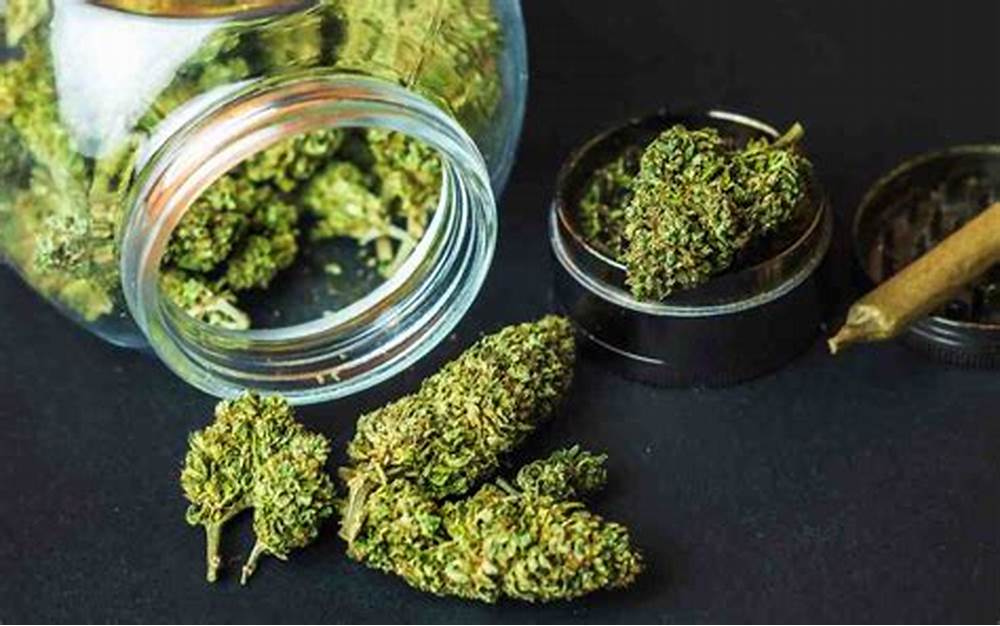
- Place dried buds in glass jars and store at 58–62% RH.
- Open jars daily for the first two weeks to release moisture and allow even curing.
Scientific Insights
The effects and therapeutic potential of Whitaker Blues can be explained through its interaction with the endocannabinoid system (ECS). The ECS regulates various physiological processes, including pain, mood, and appetite. The cannabinoids and terpenes in Whitaker Blues modulate ECS activity, producing the strain’s diverse effects.
THC and CB1 Receptors:
The high THC content in Whitaker Blues binds to CB1 receptors in the brain, triggering the release of dopamine. This interaction is responsible for the strain’s euphoric and pain-relieving properties.
Beta-Caryophyllene and CB2 Receptors:
Beta-caryophyllene, a unique terpene that also acts as a cannabinoid, interacts with CB2 receptors in the immune system. This activity provides anti-inflammatory benefits and enhances the strain’s medicinal value.
Terpene Synergy:
The combination of myrcene, limonene, and pinene creates an entourage effect, where the terpenes and cannabinoids work synergistically to amplify the strain’s therapeutic potential. For example, myrcene enhances THC’s sedative effects, while limonene counterbalances these by promoting mental clarity.
Methods of Ingestion
Whitaker Blues can be consumed in various ways, each offering a unique experience based on bioavailability, time of onset, and length of action.
1. Smoking
- Method: Rolling the dried flower in joints or smoking it through a pipe or bong.
- Bioavailability: Moderate to high.
- Onset: 1 to 3 minutes.
- Duration: 2 to 4 hours.
- Notes: Smoking provides an immediate sense of the strain effects, making it ideal for users looking for immediate pain, stress, or anxiety relief.
2. Vaping
- Method: Using a vaporizer to heat the flower or concentrate to release cannabinoids and terpenes without combustion.
- Bioavailability: High.
- Onset: 1 to 3 minutes.
- Duration: 2 to 4 hours.
- Notes: Vaping preserves the delicate terpene profile of Whitaker Blues, enhancing the blueberry and earthy flavors while reducing exposure to combustion byproducts.
3. Edibles
- Method: Infusing Whitaker Blues into oils, butters, or tinctures and incorporating them into food or beverages.
- Bioavailability: Low to moderate (first-pass metabolism reduces potency).
- Onset: 30 to 90 minutes.
- Duration: 4 to 8 hours.
- Notes: Edibles are suitable for prolonged relief from chronic conditions, though the delayed onset requires careful dosing to avoid overconsumption.
4. Sublinguals
- Method: Placing tinctures or oils infused with Whitaker Blues under the tongue.
- Bioavailability: Moderate to high.
- Onset: 15 to 30 minutes.
- Duration: 3 to 5 hours.
- Notes: Sublingual administration bypasses the digestive system, offering quicker relief than edibles while maintaining a controlled dosing method.
5. Topicals
- Method: Applying balms, creams, or oils infused with Whitaker Blues to the skin.
- Bioavailability: Low (localized effects only).
- Onset: 15 to 30 minutes.
- Duration: 2 to 6 hours.
- Notes: Topicals are excellent for localized pain, inflammation, or skin conditions without inducing psychoactive effects.
Onset and Duration of Effects
The onset and duration of Whitaker Blues\u2019 effects depend significantly on the method of ingestion. Here\u2019s a breakdown:
| Method | Onset Time | Peak Effects | Total Duration |
|---|---|---|---|
| Smoking | 1 to 3 minutes | 20 to 40 minutes | 2 to 4 hours |
| Vaping | 1 to 3 minutes | 20 to 40 minutes | 2 to 4 hours |
| Edibles | 30 to 90 minutes | 2 to 4 hours | 4 to 8 hours |
| Sublinguals | 15 to 30 minutes | 1 to 3 hours | 3 to 5 hours |
| Topicals | 15 to 30 minutes | Localized relief only | 2 to 6 hours |
Effects Based on Dosage and Tolerance
Whitaker Blues delivers a range of effects that vary with dosage, individual tolerance, and the user’s goals.
Low Dose (1-5 mg THC):
- Effects: Mild euphoria, enhanced focus, and sociability.
- Best For: Daytime use, beginners, or microdosing for stress relief.
Moderate Dose (5-15 mg THC):
- Effects: Balanced relaxation, creativity, and subtle body high.
- Best For: Managing moderate pain, anxiety, or for evening relaxation.
High Dose (15+ mg THC):
- Effects: Intense body high, deep sedation, and potential couch-lock.
- Best For: Severe pain, insomnia, or for experienced users seeking strong effects.
Scientific Explanation of Effects
The unique effects of Whitaker Blues can be attributed to its interaction with the endocannabinoid system (ECS), as well as its rich cannabinoid and terpene profile.
1. Immediate Cerebral Uplift
- Cause: THC binds to CB1 receptors in the brain, stimulating dopamine release.
- Effect: Users experience euphoria, reduced stress, and enhanced sociability.
2. Gradual Physical Relaxation
- Cause: Myrcene\u2019s sedative properties enhance THC\u2019s effect on muscle relaxation.
- Effect: Tension and physical discomfort are alleviated, making it ideal for chronic pain relief.
3. Sedation at Higher Doses
- Cause: Myrcene and THC synergize, amplifying sedative effects.
- Effect: Promotes deep relaxation and sleep, suitable for nighttime use or insomnia management.
4. Anti-Inflammatory Properties
- Cause: Beta-caryophyllene interaction with CB2 receptors in the immune system.
- Effect: Reduces inflammation and provides therapeutic benefits without psychoactivity.
Selecting the Best Approach for Your Requirements
- Immediate Relief: Smoking or vaping offers rapid onset, ideal for acute pain or anxiety.
- Long-Lasting Relief: Edibles and sublinguals provide extended effects, suitable for chronic conditions.
- Localized Relief: Topicals focus on specific areas without systemic effects.
Potential Side Effects
While Whitaker Blues is generally well-tolerated, it may cause some side effects, especially in inexperienced users or when consumed in high doses. Common side effects include:
- Dry mouth and eyes
- Dizziness
- Mild paranoia or anxiety (usually at higher doses)
To minimize side effects, users should start with a low dose and gradually increase as needed.
Conclusion
Whitaker Blues is a remarkable cannabis strain that combines the best traits of its genetic lineage to deliver a balanced and versatile experience. Its unique flavor profile, therapeutic potential, and recreational appeal make it a standout choice for both medical and recreational users. Whether you’re seeking relief from chronic pain, a boost in creativity, or a restful night’s sleep, Whitaker Blues has something to offer. With its carefully bred genetics and robust cannabinoid-terpene profile, this strain exemplifies the art and science of cannabis cultivation.
For a complete directory of cultivars, visit our Cannabis Strain Reviews.
