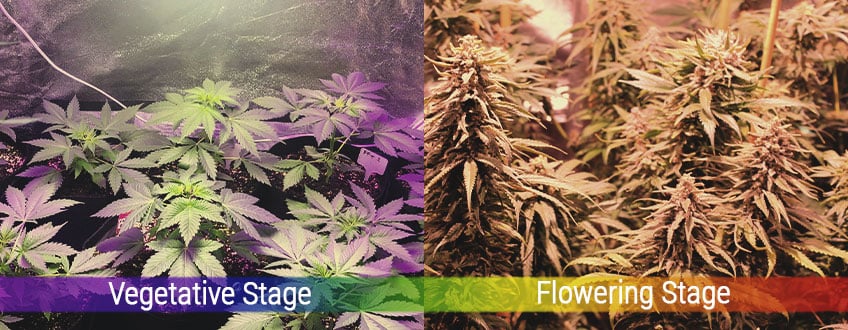
When to Switch from the Vegetative to the Flowering Stage in Cannabis Cultivation
Cannabis cultivation is both an art and a science, requiring careful attention to various growth stages to ensure a healthy and productive crop. One of the most critical transitions in this process is switching from the vegetative stage to the flowering stage. This transition significantly influences the plant’s development, yield, and overall quality. Key considerations will be explored in this comprehensive guide, and best practices for determining the optimal time to make this switch.
Understanding Cannabis Growth Stages
Before delving into the specifics of the vegetative-to-flowering transition, it’s essential to understand the primary growth stages of cannabis:
- Germination: The seed sprouts and develops its first set of leaves.
- Seedling: The young plant grows its first true leaves and starts to establish its root system.
- Vegetative Stage: The plant undergoes rapid growth, developing a strong structure and extensive foliage.
- Flowering Stage: The plant focuses on producing flowers (buds), which are the primary harvestable parts for both recreational and medicinal purposes.
- Harvest: The mature buds are collected, and the plant’s lifecycle is completed.
The Vegetative Stage
The vegetative stage is characterized by vigorous growth of stems and leaves. During this phase, the plant builds the necessary structure to support heavy buds in the flowering stage. Key activities during the vegetative stage include:
- Light: Cannabis plants require long periods of light, typically 18-24 hours of light per day.
- Nutrients: A balanced diet of nitrogen, phosphorus, and potassium (NPK), with a higher emphasis on nitrogen, supports leaf and stem development.
- Water: Consistent watering is crucial, but overwatering must be avoided to prevent root rot.
Factors Influencing the Transition to Flowering
The decision to switch from the vegetative to the flowering stage should be based on several factors:
1. Plant Size and Age
- Size: Cannabis plants can double or even triple in size during the flowering stage. Therefore, it’s essential to ensure that they have adequate space to grow. As a rule of thumb, switch to flowering when the plant has reached about half the desired final height.
- Age: Most growers wait until the plant is at least 4-6 weeks old. Younger plants might not be mature enough to produce a robust yield.
2. Genetics
Different cannabis strains have varying growth patterns and flowering times. Indica strains typically have a shorter, bushier growth habit and may require less time in the vegetative stage compared to sativa strains, which tend to grow taller and take longer to mature.
3. Grow Space Limitations
If you’re growing indoors, the size of your grow space will dictate how tall your plants can get. Be mindful of the height of your grow lights and the space required for proper air circulation.
4. Health of the Plant
Ensure your plants are healthy and free from pests and diseases before initiating the flowering stage. Stressed or unhealthy plants may not transition well and could result in lower yields.
5. Training Techniques
Many growers employ training techniques such as topping, fimming, or low-stress training (LST) to control the shape and size of their plants. If you’ve used these methods, make sure the plants have had time to recover and establish a strong structure before switching to flowering.
The Transition Process
The transition from vegetative to flowering is initiated by changing the light cycle. In nature, this occurs as the days get shorter towards the end of summer and beginning of fall. Indoor growers replicate this by adjusting the light schedule.
Light Schedule
- Vegetative Stage: 18-24 hours of light per day.
- Flowering Stage: 12 hours of light and 12 hours of uninterrupted darkness per day.
It’s crucial to ensure complete darkness during the 12-hour dark period, as even brief interruptions can stress the plants and potentially cause them to revert to the vegetative stage or become hermaphroditic (producing both male and female flowers).
Monitoring the Transition
Once the light schedule is adjusted, plants typically take about one to two weeks to start showing signs of flowering. Look for the development of pistils (white hair-like structures) at the nodes where branches meet the main stem.
Nutrient Changes
As the plant enters the flowering stage, its nutritional needs change. Use a flowering nutrient formula that is lower in nitrogen and higher in phosphorus and potassium. These nutrients help plant health and development during flowering.
Environmental Considerations
During the flowering stage, maintaining an optimal environment is crucial for maximizing yield and quality:
- Temperature: Try to keep the temperature between 68-77 degrees Fahrenheit (20-25 degrees Celsius) during daylight and slightly cooler during night.
- Humidity: Lower humidity levels (40-50%) help prevent mold and mildew, which can be particularly problematic during flowering.
- Airflow: Good air circulation helps maintain optimal humidity levels and prevents the buildup of mold and pests.
Common Mistakes to Avoid
- Rushing the Transition: Patience is key. Switching to flowering too early can result in smaller plants and lower yields.
- Inconsistent Light Cycles: Ensure the dark period is truly dark. Even small light leaks can disrupt flowering.
- Overfeeding or Underfeeding: Adjust your nutrient regimen according to the plant’s needs. Overfeeding can result in nutrient loss, while underfeeding can stunt development.
- Neglecting Plant Health: Address any health issues before switching to flowering. Unhealthy plants will struggle to produce high-quality buds.
Conclusion
The transition from the vegetative to the flowering stage is a critical juncture in cannabis cultivation. By carefully considering factors such as plant size, age, genetics, grow space limitations, and plant health, growers can determine the optimal time to initiate flowering. Adjusting the light schedule, monitoring the transition, and providing the appropriate nutrients and environmental conditions will help ensure a successful flowering stage and maximize yield and quality.
If you follow these guidelines and avoid common mistakes, you will be able to cultivate robust, healthy cannabis plants that produce abundant, high-quality flowers. Wishing you the best of growth.
