Table of Contents
When to start marijuana seeds for outdoor planting
Outdoor cannabis cultivation depends heavily on precise timing. The decision of when to start marijuana seeds is critical for maximizing plant health, yield, and potency. This timing is primarily influenced by environmental factors such as day length (photoperiodism), temperature, soil conditions, and plant developmental stages (especially seedling vigor and preflowering requirements). Understanding these scientifically ensures the best possible outcomes.
Photoperiod and Light Requirements
Cannabis is a photoperiod-sensitive plant. Most marijuana strains initiate flowering when days begin to shorten significantly—typically around 12-14 hours of daylight. To take full advantage of the long vegetative season, seeds should be started early enough to allow plants to grow large and healthy before the flowering trigger is activated.
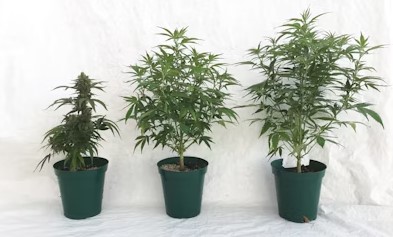
In the Northern Hemisphere:
- Spring Equinox (March 20-22) marks the point when day length begins increasing.
- Summer Solstice (June 20-22) offers the maximum daylight (around 15-16 hours in many locations).
- Flowering naturally initiates between late July to mid-August, depending on the strain and latitude.
Given this, it is critical to start seeds early enough so plants enter the flowering phase with a robust vegetative structure but not so early that seedlings suffer from cold damage or insufficient light intensity.
Temperature Considerations
Cannabis seeds require soil temperatures of at least 60°F (15°C) to germinate effectively. Air temperatures should consistently remain above 50°F (10°C) at night to prevent seedling shock. For healthy outdoor starts:
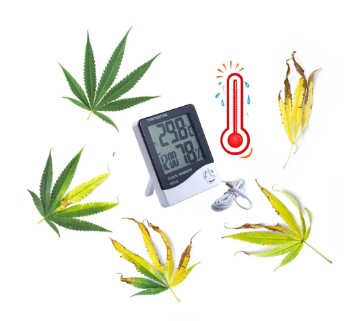
- Ideal daytime temperatures: 70-85°F (21-29°C)
- Ideal nighttime temperatures: > 55°F (13°C)
If you sow seeds outdoors too early, when soil is still cold or nights are freezing, germination rates plummet, seedlings grow slowly, and susceptibility to diseases like damping off increases.
Thus, many outdoor growers start seeds indoors under controlled conditions and transplant after the danger of frost has completely passed.
General Timeline for Starting Seeds
A scientifically-backed recommended schedule for temperate climates:
| Region | Start Seeds Indoors | Transplant Outdoors |
|---|---|---|
| Southern U.S. | Late February–Early March | Mid-April |
| Mid-Latitude U.S. (e.g., Midwest) | Early–Mid March | Late April–Early May |
| Northern U.S. / Canada | Late March–Early April | Mid–Late May |
Key Principle: Seeds are generally started 6–8 weeks before the expected outdoor transplant date. This timeframe allows for development of 4–6 nodes, strong roots, and overall seedling hardiness.
Hardening Off and Acclimatization
Hardening off is the transitional process of gradually introducing indoor seedlings to the outdoor environment. Scientifically, this stimulates the production of:
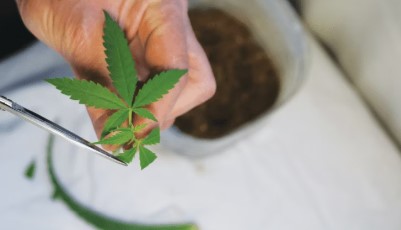
- Flavonoids and anthocyanins (protective pigments against UV-B radiation)
- Lignin (strengthens cell walls to resist wind and temperature fluctuations)
Start the hardening-off process:
- 7–10 days before transplanting
- Gradually expose plants to direct sunlight, beginning with 1–2 hours per day and increasing daily
- Protect young plants from wind and heavy rain during the early days
Skipping hardening-off stresses the plants, leading to slower growth and potential losses.
Soil and Nutrient Readiness
Beyond temperature, soil must be biologically and chemically prepared:
- pH range: 6.0–6.8
- Organic matter content: >5%
- Available nitrogen, phosphorus, and potassium at adequate levels
- Beneficial microbial activity (e.g., mycorrhizal fungi, nitrogen-fixing bacteria) promotes healthy root establishment.
Testing your outdoor soil at least a month before transplanting allows you to correct deficiencies in time. Incorporate compost or well-balanced organic amendments if necessary.
Special Considerations by Strain Type
- Indica-dominant strains: Tolerate slightly cooler conditions; can often be started earlier.
- Sativa-dominant strains: Require longer vegetative periods and higher temperatures; start a bit later or use indoor lighting to supplement early development.
- Autoflowers: Not photoperiod-dependent; can be planted outside as soon as temperatures are stable above 60°F (15°C), often allowing multiple crops per season.
Latitude Effects
Latitude significantly affects day length and planting time:
- Near the equator (0°–15°): Less seasonal variation; seeds can be planted almost year-round.
- Mid-latitudes (30°–50°): Follow traditional spring sowing schedules.
- High latitudes (50°–60°+): Shorter summers; start seeds indoors early to compensate for shorter growing seasons.
Risks of Starting Seeds Too Early or Too Late
| Mistake | Result |
|---|---|
| Starting Too Early | Cold damage, slow growth, higher disease risk |
| Starting Too Late | Smaller plants, lower yield, late flowering may not finish before frost |
Conclusion
To summarize scientifically: start marijuana seeds indoors 6–8 weeks before your region’s last expected frost date. Transplant outdoors after soil temperatures consistently exceed 60°F, night temperatures remain above 50°F, and seedlings have undergone proper hardening off. Adjust timing based on latitude, strain genetics, and climate specifics. Precision in these steps maximizes your plant’s potential, ensuring vigorous growth and maximum yields.
