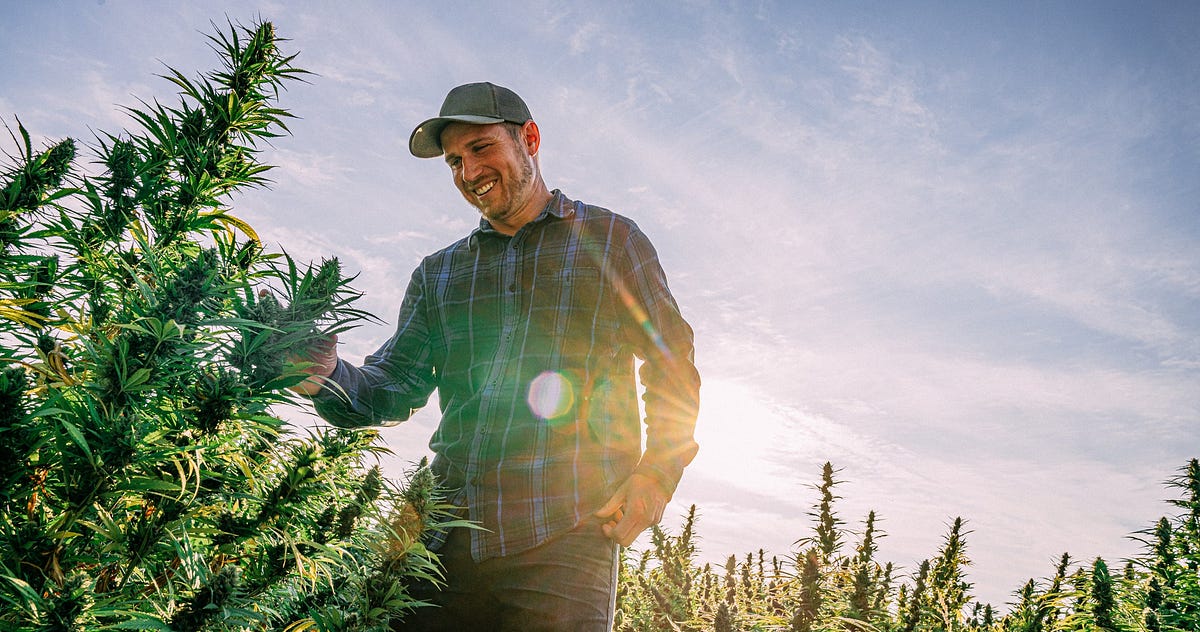
Planting and harvesting cannabis outdoors requires careful planning and attention to detail. Here’s a comprehensive guide:
Understanding the Cannabis Growth Cycle
The cannabis growth cycle is divided into distinct stages, each with specific requirements and characteristics. Here’s a detailed look at each stage:
1. Germination (3-10 days)
- Seed Selection: Choose high-quality seeds. Seeds should be dark brown with a hard shell.
- Process: Place seeds in a damp paper towel or directly in soil. Maintain a warm, dark environment.
- Signs of Success: Seeds will crack open and a small root (taproot) will emerge.
2. Seedling Stage (2-3 weeks)
- Light: Provide 18-24 hours of light per day. Use fluorescent or LED grow lights for indoor seedlings.
- Environment: Maintain a temperature of 70-85°F (20-30°C) with 65-70% humidity.
- Growth: The first pair of rounded leaves (cotyledons) will appear, followed by the first true leaves with the characteristic serrated edges.
- Care: Water carefully to avoid overwatering. Make sure the soil is damp but not soggy.
3. Vegetative Stage (3-16 weeks)
- Light: Each day consists of 18 hours of light and 6 hours of darkness.
- Nutrients: Use a balanced fertilizer with higher nitrogen content to promote leaf and stem growth.
- Environment: Maintain a temperature of 70-85°F (20-30°C) with 40-70% humidity.
- Growth: Rapid growth in size and foliage. This is the stage where you can top or train the plants to control their shape and size.
- Care: Water more frequently as the plant grows. Ensure good air circulation to prevent mold and pests.
4. Pre-Flowering (1-2 weeks)
- Sex Identification: Female plants develop small white pistils (hairs) at the nodes, while male plants develop pollen sacs. Remove male plants if you want to prevent pollination and seed production in females.
- Transition: Gradually adjust the light schedule to induce flowering (12 hours of light and 12 hours of darkness).
5. Flowering Stage (8-12 weeks)
- Light: 12 hours of light and 12 hours of uninterrupted darkness.
- Nutrients: Switch to a bloom fertilizer with higher phosphorus and potassium content.
- Environment: Maintain a temperature of 65-80°F (18-26°C) with 40-50% humidity.
- Growth: Buds begin to form and grow larger. Trichome development increases, contributing to the plant’s potency.
- Care: Continue to monitor for pests and diseases. Support branches as buds become heavier.
6. Ripening (Last 2 weeks of Flowering)
- Trichome Monitoring: Use a magnifying glass or microscope to check trichomes on buds. They transition from clear to milky white and then to amber.
- Final Flush: If using synthetic nutrients, consider flushing the plants with plain water to remove excess nutrients and improve flavor.
7. Harvest
- Timing: Harvest when most trichomes are milky with some turning amber for a balanced effect.
- Process: Cut branches and begin drying.
8. Drying and Curing
- Drying: Hang branches upside down in a dark, well-ventilated space for 7-14 days. Maintain a temperature of 60-70°F (15-21°C) and 50-60% humidity.
- Curing: After drying, place buds in airtight containers. Burp jars daily (open for a few minutes) for the first two weeks, then less frequently over the next 4-6 weeks.
Additional Considerations:
- Training Techniques: Techniques like topping, fimming, LST (low-stress training), and SCROG (screen of green) can optimize light exposure and manage plant size.
- Pest and Disease Management: Inspect plants on a regular basis for symptoms of pests or disease, and take appropriate action.
Choosing the Right Time to Plant
Choosing the right time to plant cannabis outdoors is critical for a successful harvest. Several factors influence the optimal planting time, including your geographic location, climate, and the specific strain you’re growing. Here’s a detailed guide:
1. Understanding Your Climate and Region
General Timing:
- Spring: Start germinating seeds indoors.
- Late Spring to Early Summer: Transplant seedlings outdoors.
By Climate Zone:
- Northern Hemisphere (Temperate Climates):
- Seed Germination: Late April to early June.
- Transplanting Outdoors: Late May to early June.
- Southern Hemisphere (Temperate Climates):
- Seed Germination: Late October to early December.
- Transplanting Outdoors: Late November to early December.
- Tropical Climates:
- Can plant year-round, but dry seasons are preferable to avoid mold and mildew.
- Cold Climates:
- Short growing season; start seeds indoors to give them a head start.
2. Day Length and Light Exposure
Cannabis is a photoperiod-sensitive plant, meaning its flowering phase is triggered by changes in light exposure. Outdoor plants rely on natural light cycles:
- Vegetative Stage: Long days and short nights (18 hours of light or more).
- Flowering Stage: Shorter days and longer nights (12 hours of light and 12 hours of darkness).
3. Temperature and Frost Considerations
Optimal Temperatures:
- Germination: Soil temperature should be around 55-60°F (13-15°C).
- Vegetative Growth: 70-85°F (20-30°C).
- Flowering: 65-80°F (18-26°C).
Frost Risk:
- Wait until after the season’s final frost to plant outdoors. Young plants are particularly vulnerable to frost damage.
4. Soil and Environment Preparation
Soil Preparation:
- Make sure the soil has plenty of organic matter and is well-drained.
- Check pH levels (ideally between 6.0 and 7.0).
- To increase soil fertility, use compost or organic fertilizers.
Environment:
- Choose a site with full sunlight exposure (at least 6 hours per day).
- Protect plants from strong winds and heavy rains if possible.
5. Choosing the Right Strain
Different strains have varying requirements and resilience:
- Indica Strains: Often have shorter growing seasons, making them suitable for cooler climates with shorter summers.
- Sativa Strains: Typically have longer growing seasons, requiring more time to mature, which suits warmer climates with longer summers.
- Hybrid Strains: Offer a balance and can be chosen based on the specific traits you need (e.g., mold resistance, faster flowering times).
6. Step-by-Step Planting Timeline
Early Spring (March-April)
- Indoor Germination: Start seeds indoors if you live in a cooler climate.
- Preparation: Prepare outdoor soil beds or pots.
Late Spring (May-June)
- Hardening Off: Plant seedlings outdoors for a few hours each day to gradually adjust them to the weather.
- Transplanting: Once seedlings are strong enough and the risk of frost has passed, transplant them outdoors.
Summer (June-August)
- Vegetative Growth: Ensure plants receive adequate sunlight, water, and nutrients. Regularly inspect for pests and diseases.
- Training and Pruning: Apply training techniques to manage plant shape and size.
Late Summer to Early Fall (August-September)
- Flowering Stage: Plants start to flower as days shorten. Make the switch to fertilizers for flowers that have more potassium and phosphorus.
Fall (September-October)
- Monitoring: Check trichomes and pistils to determine the optimal harvest time.
- Harvesting: Harvest buds when they reach the desired maturity.
Optimal Conditions for Planting
Creating optimal conditions for planting cannabis is crucial for a healthy and productive grow. Here are the key factors to consider for achieving the best results:
1. Sunlight
- Exposure: Cannabis plants require full sunlight, ideally at least 6-8 hours of direct sunlight per day.
- Location: Choose a planting site with maximum sun exposure. South-facing slopes or flat areas without shade from trees or buildings are ideal.
2. Soil
Soil Composition:
- Texture: Well-draining, loamy soil is best. Avoid heavy clay soils as they retain too much water, and sandy soils as they drain too quickly.
- Nutrients: Rich in organic matter. Amend with compost, well-rotted manure, or organic fertilizers.
- pH Level: Cannabis prefers slightly acidic to neutral soil (pH 6.0-7.0). Determine the pH of the soil and make any required adjustments with lime (to raise pH) or sulfur (to drop pH).
Preparation:
- Till the Soil: Loosen the soil to a depth of 12-18 inches to improve root penetration and drainage.
- Add Amendments: Incorporate compost, worm castings, or other organic matter to enrich the soil and improve its structure.
3. Water
- Consistency: Make sure the soil is constantly damp but not soggy. Underwatering can cause stress on the plants, while overwatering might cause root rot.
- Watering Schedule: Water deeply but less frequently, allowing the top inch of soil to dry out between watering.
- Mulching: To control soil temperature, keep plants moist, and keep weeds at bay, mulch the area surrounding the base of the plants.
4. Temperature
- Germination: Soil temperature should be between 55-60°F (13-15°C).
- Vegetative Growth: Ideal air temperatures are 70-85°F (20-30°C) during the day and 55-70°F (13-21°C) at night.
- Flowering: Optimal temperatures range from 65-80°F (18-26°C). Avoid temperatures above 85°F (30°C) or below 55°F (13°C).
5. Humidity
- Seedling Stage: Higher humidity (65-70%) helps young plants establish.
- Vegetative Stage: Moderate humidity (40-70%) supports healthy growth.
- Flowering Stage: Lower humidity (40-50%) reduces the risk of mold and mildew.
6. Air Circulation
- Ventilation: Good air circulation helps prevent mold, mildew, and pest infestations.
- Wind Protection: Use windbreaks like fencing or natural barriers to protect plants from strong winds, which can damage branches and reduce growth.
7. Spacing
- Plant Density: Space plants adequately to ensure they have enough room to grow and receive sufficient light and airflow. Typically, 2-3 feet apart for smaller plants and 4-6 feet apart for larger plants.
- Training Techniques: Use methods like topping, low-stress training (LST), or the Screen of Green (SCROG) technique to manage plant shape and optimize light exposure.
8. Nutrients
Nutrient Requirements:
- Vegetative Stage: High nitrogen (N) content to promote leaf and stem growth.
- Flowering Stage: Higher phosphorus (P) and potassium (K) levels to support bud development.
Fertilization:
- Organic Options: Compost, worm castings, fish emulsion, and bone meal.
- Synthetic Options: Use cannabis-specific nutrient formulations, following the manufacturer’s guidelines.
9. Pest and Disease Management
- Prevention: Regularly inspect plants for signs of pests and diseases. Use natural predators (like ladybugs) and organic treatments (like neem oil) to control infestations.
- Sanitation: Keep the growing area clean. Remove dead leaves and debris that can harbor pests and pathogens.
10. Environmental Control
- Greenhouses: If possible, use greenhouses or hoop houses to extend the growing season and protect plants from adverse weather conditions.
- Shade Cloths: Use shade cloths during extremely hot periods to prevent heat stress.
Monitoring Growth Stages
Monitoring the growth stages of cannabis is essential for ensuring healthy development and maximizing yield. Here’s a detailed guide on how to monitor each stage:
1. Germination (3-10 days)
Monitoring Tips:
- Environment: Keep seeds in a warm, dark place with temperatures between 70-85°F (21-29°C).
- Moisture: Ensure the paper towel, soil, or starter cube is consistently moist but not waterlogged.
- Signs of Progress: Look for seeds cracking open and a small taproot emerging.
2. Seedling Stage (2-3 weeks)
Monitoring Tips:
- Light: Allocate 18 to 24 hours of illumination daily. Position lights 2-3 inches above seedlings.
- Humidity: Maintain 65-70% humidity.
- Watering: Keep soil moist but not saturated. Use a spray bottle to mist seedlings.
- Growth Signs: The appearance of the first true leaves (serrated edges) after the cotyledons.
3. Vegetative Stage (3-16 weeks)
Monitoring Tips:
- Light: Ensure 18 hours of light and 6 hours of darkness per day.
- Nutrients: Feed plants with a balanced fertilizer high in nitrogen. Adjust based on plant response.
- Temperature and Humidity: Maintain 70-85°F (21-29°C) with 40-70% humidity.
- Watering: Water deeply but allow the top inch of soil to dry out between watering.
- Training: Implement techniques like topping, fimming, or low-stress training (LST) to control plant shape and size.
- Growth Signs: Rapid increase in foliage and height. Strong, healthy stems and leaves.
4. Pre-Flowering (1-2 weeks)
Monitoring Tips:
- Light: Gradually transition to a 12/12 light cycle to induce flowering.
- Sex Identification: Check nodes for pre-flowers to determine plant sex. Remove male plants if growing for sinsemilla (seedless) buds.
- Nutrients: Begin to transition to a flowering nutrient mix with more phosphorus and potassium.
5. Flowering Stage (8-12 weeks)
Monitoring Tips:
- Light: Strictly maintain 12 hours of light and 12 hours of darkness without interruption.
- Nutrients: Use a bloom fertilizer higher in phosphorus and potassium.
- Temperature and Humidity: Keep temperatures between 65-80°F (18-26°C) and humidity at 40-50%.
- Watering: Ensure consistent watering without overwatering. Avoid getting water on buds.
- Pest Control: Be vigilant for pests and mold. Use organic treatments as necessary.
- Growth Signs: Development of buds and increase in trichome production. Pistils (white hairs) begin to darken.
6. Ripening (Last 2 weeks of Flowering)
Monitoring Tips:
- Trichome Inspection: Use a magnifying glass or microscope to examine trichomes. Harvest when most trichomes are milky white, with some turning amber for a more sedative effect.
- Pistil Color: Harvest when 70-90% of the pistils have darkened and curled back.
- Final Flush: Flush plants with plain water (if using synthetic nutrients) to remove residual nutrients and improve flavor.
7. Harvest
Monitoring Tips:
- Cutting: Use sharp shears to cut the main stems or individual branches.
- Trimming: Trim large fan leaves and excess sugar leaves around buds.
- Drying: Hang branches or place buds on drying racks in a dark, well-ventilated space. Ideal conditions are 60-70°F (15-21°C) with 50-60% humidity.
- Drying Duration: Usually takes 7-14 days, depending on environmental conditions and bud density.
8. Curing
Monitoring Tips:
- Jarring: Place dried buds in airtight glass jars.
- Burping: Open jars daily for the first two weeks to release moisture and prevent mold. Reduce frequency over the next 4-6 weeks.
- Storage: Store jars in a cool, dark place.
Additional Monitoring Tools and Techniques
- Environmental Sensors: Use hygrometers, thermometers, and soil moisture meters to continuously monitor growing conditions.
- Record Keeping: Maintain a grow journal to track changes, observations, and interventions. Note plant growth, nutrient schedules, watering, and any issues encountered.
- Regular Inspections: Visually inspect plants daily for signs of nutrient deficiencies, pests, diseases, and overall health.
Determining Harvest Time
Determining the optimal time to harvest your cannabis plants is crucial for achieving the desired potency, flavor, and effects. Here’s a detailed guide to help you accurately determine the right time to harvest:
1. Monitoring Trichomes
Trichomes are tiny, resinous glands on the buds and leaves. They are the best indicator of when to harvest.
How to Inspect Trichomes:
- Tools: Use a jeweler’s loupe, magnifying glass, or a digital microscope with at least 30x magnification.
- What to Look For:
- Clear Trichomes: Immature. The plant is not ready for harvest.
- Milky/Cloudy Trichomes: Peak THC levels. Harvesting at this stage provides a more uplifting and cerebral high.
- Amber Trichomes: THC is degrading into CBN (cannabinol), resulting in a more sedative effect. Harvesting at this stage provides a more relaxing, body-centric high.
2. Observing Pistils
Pistils are the hair-like structures that emerge from the calyxes of the flowers.
What to Look For:
- White Pistils: The plant is still maturing and developing.
- Darkening Pistils: When 70-90% of the pistils have darkened and curled back into the buds, it indicates the plant is nearing full maturity.
3. Bud Density and Appearance
- Bud Firmness: Mature buds should be dense and sticky to the touch. Light, airy buds are usually not fully mature.
- Resin Production: Mature buds are typically covered in a thick layer of resin, making them sticky.
4. Scent and Aroma
- Aroma Intensity: The terpene profile becomes more pronounced as the plant reaches maturity. A strong, pungent aroma often indicates the plant is ready for harvest.
5. General Timeline by Strain
Different strains have varying flowering times, typically ranging from 8 to 12 weeks. Indica strains generally have a shorter flowering period compared to Sativa strains.
6. Using a Harvest Window
Harvesting in stages can help determine the best time:
- Early Harvest: When trichomes are mostly cloudy with a few clear ones. This results in a lighter, more energetic high.
- Mid Harvest: When trichomes are mostly cloudy with some turning amber. This provides a balanced effect.
- Late Harvest: When trichomes are mostly amber. This results in a more sedative, relaxing effect.
7. Step-by-Step Harvest Guide
- Tools and Preparation:
- Clean, sharp scissors or pruning shears.
- Gloves to avoid sticky resin on your hands.
- A clean workspace for trimming and drying.
- Cutting the Plants:
- Cut the main stem or individual branches depending on your drying setup.
- Handle the buds gently to avoid damaging the trichomes.
- Trimming:
- Remove large fan leaves first.
- Trim sugar leaves (the smaller leaves around the buds) carefully. These leaves can be saved for making concentrates or edibles.
- Drying:
- Hang branches upside down in a dark, well-ventilated space.
- Maintain a temperature of 60-70°F (15-21°C) and 50-60% humidity.
- Drying typically takes 7-14 days. Buds are ready when stems snap rather than bend.
- Curing:
- Place dried buds in airtight glass jars.
- Open jars daily for the first two weeks to release excess moisture (burping).
- Cure for a minimum of 2-4 weeks for optimal flavor and potency. Some growers cure for several months.
8. Post-Harvest Handling
- Storage: Store cured cannabis in a cool, dark place in airtight containers to preserve potency and flavor.
- Monitoring: Check jars periodically to ensure no mold or mildew develops.
Conclusion
In conclusion, successfully cultivating and harvesting cannabis involves careful planning and attention to detail throughout the plant’s growth cycle. Here’s a recap of the key points to ensure a fruitful harvest:
1. Choosing the Right Time to Plant
- Consider Climate: Planting times vary by region, typically in late spring to early summer for temperate climates.
- Day Length and Temperature: Ensure optimal light exposure and avoid frost.
2. Optimal Conditions for Planting
- Sunlight: At least 6-8 hours of direct sunlight per day.
- Soil: Well-draining, nutrient-rich soil with a pH of 6.0-7.0.
- Watering: Keep soil consistently moist but not waterlogged.
- Temperature and Humidity: Maintain appropriate levels for each growth stage.
3. Monitoring Growth Stages
- Germination: Monitor moisture and temperature.
- Seedling: Ensure adequate light and humidity.
- Vegetative: Manage nutrients, light, and training techniques.
- Flowering: Adjust light cycles, nutrients, and monitor for pests.
4. Determining Harvest Time
- Trichome Inspection: Harvest when trichomes are mostly cloudy for peak THC, or slightly amber for a more sedative effect.
- Pistil Color: Harvest when 70-90% of pistils are darkened and curled.
- Bud Density: Mature buds should be dense and sticky.
5. Harvesting and Post-Harvest Care
- Cutting and Trimming: Use clean tools and handle buds carefully.
- Drying: Hang branches in a dark, well-ventilated space for 7-14 days.
- Curing: Place dried buds in airtight jars, burping them daily for the first two weeks, then periodically for 4-6 weeks.
By following these guidelines, you can optimize the growth and harvest of your cannabis plants, ensuring high-quality, potent, and flavorful buds. Happy growing!
