Table of Contents
When to harvest marijuana for maximum potency
Marijuana must be harvested at the ideal time to maximize its flavor, aroma, strength, and therapeutic effects. This timing determines the cannabinoid and terpene profile, directly affecting how the final product will perform medicinally and recreationally. Harvest too early, and you risk underdeveloped cannabinoids and diminished yields; Harvest too early, and you risk underdeveloped cannabinoids and diminished yields; harvest too late, and you risk cannabinoid degradation and sedative effects that may not be desirable, outcomes that are better understood when viewed within the broader cannabis cultivation timeline.
1. Understanding Trichomes and Their Role in Potency
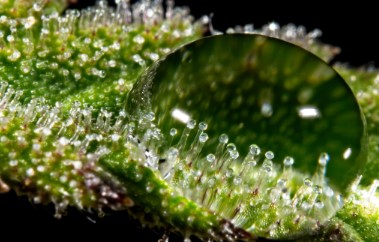
The most critical indicator of when to harvest cannabis is trichome development. Trichomes are the resinous glands covering buds and small leaves. These glands are rich in cannabinoids such as THC (tetrahydrocannabinol), CBD (cannabidiol), CBG (cannabigerol), and an array of terpenes. Monitoring trichomes under magnification is the most reliable method for determining peak cannabinoid levels.
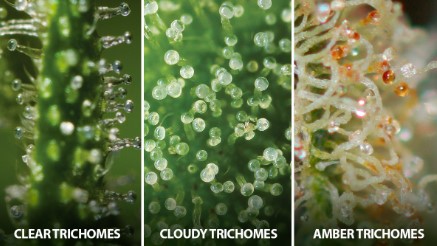
Trichome Color Stages:
- Clear trichomes: Immature. Cannabinoid synthesis is still ongoing. THC levels are low.
- Cloudy/Milky trichomes: Peak THC content. This is typically the ideal window for harvesting high-THC strains intended for a euphoric, cerebral effect.
- Amber trichomes: THC begins converting into CBN (cannabinol), a degradation product with more sedative, body-focused effects. Ideal for strains targeting pain or insomnia.
A balanced approach is often best. Many growers aim for 70–90% milky with 10–30% amber trichomes for a nuanced mix of potency, longevity, and therapeutic diversity.
2. Pistil Development: A Secondary Indicator
While less precise than trichome analysis, pistil coloration offers a visual cue for harvest readiness. Pistils are the hair-like structures on buds that capture pollen from male plants during reproduction.
Pistil Color Stages:
- White pistils: Immature buds. Not ready for harvest.
- Darkened (orange/brown/red) pistils: Mature buds. When 70–90% of pistils have darkened and curled inward, it’s often a good indication that the plant is nearing peak ripeness.
Pistil observations should be used in conjunction with trichome inspection rather than alone.
3. Harvest Timing Based on Desired Effects
Different trichome stages align with distinct effects, helping growers tailor harvest timing to specific consumer or patient needs:
Early Harvest (Mostly Cloudy Trichomes):
- Higher THC, lower CBN
- Effect: Energetic, uplifting, cerebral
- Use case: Daytime use, depression, creativity enhancement
Mid Harvest (Milky + 10–30% Amber):
- Balanced THC and CBN
- Effect: Euphoria with relaxation, mild sedation
- Use case: Hybrid effects, general medicinal use, balanced experience
Late Harvest (High Amber Trichomes):
- Decreasing THC, increasing CBN
- Effect: Sedative, calming, “couch-lock”
- Use case: Pain, insomnia, anxiety, nighttime use
4. Cultivar-Specific Considerations
Not all cannabis strains mature in the same timeframe. Indicas often ripen faster than sativas:
- Indica-dominant strains: Typically ready 7–9 weeks into flowering
- Sativa-dominant strains: Often require 9–12 weeks or longer
- Autoflowers: Harvestable in 8–10 weeks from seed
Understanding your strain’s genetic background allows for a more accurate harvest window.
5. Environmental and Growing Conditions
Several external variables influence how quickly trichomes mature:
- Light spectrum and intensity: Full-spectrum LED or HPS lights can speed maturation.
- Temperature and humidity: High heat can degrade THC early; low humidity during late flowering improves resin production.
- Nutrient availability: Overfeeding nitrogen late in flower can delay ripening.
- Stress: Environmental stress (e.g., light leaks, pH imbalance) may alter cannabinoid expression and delay or accelerate maturation.
6. Pre-Harvest Techniques to Enhance Potency and Flavor
Growers often implement pre-harvest strategies to boost trichome density and terpene content:
Flushing (7–14 days before harvest):
- Stop feeding nutrients and use plain water to remove excess salts and residues. This improves flavor and combustion quality.
Dark Period (24–72 hours):
- Giving plants a final extended dark period may increase trichome production, though evidence is mostly anecdotal.
Defoliation and Lower Bud Removal:
- Improves light penetration to top colas, encouraging even ripening and stronger trichome development.
7. Tools for Monitoring Maturity
Accurate harvesting requires magnification tools:
- Jeweler’s loupe (30x–60x): Cheap, portable, but limited clarity.
- Handheld microscope (60x–100x): Offers precise view of trichomes.
- Digital USB microscopes: High magnification and can capture images for documentation or training.
These tools allow growers to track trichome transitions over time and harvest at precisely the right moment.
8. Harvesting Techniques and Timing of Day
- Time of Day: Harvest in the early morning or just before lights come on. This is when cannabinoid concentrations are at their highest.
- Minimize handling: Trichomes are delicate. Excess contact can reduce potency.
- Use clean, sharp shears: Prevent damage to buds and reduce contamination risk.
9. Post-Harvest Considerations for Potency Preservation
Even a perfectly timed harvest can lose potency if not cured and stored correctly:
Drying:
- Slow dry in dark rooms at 60–70°F (15–21°C), 50–60% RH for 7–14 days.
- Avoid fans blowing directly on buds to prevent trichome loss.
Curing:
- Cure buds in airtight glass jars for 2–6 weeks, opening daily for gas exchange.
- Proper curing stabilizes cannabinoid profiles and enhances terpene expression.
Storage:
- Store in a cool, dark place.
- Use UV-proof glass jars and maintain humidity at ~58–62% using humidity packs.
10. Common Mistakes to Avoid
- Harvesting solely by pistil color: Trichome color is more accurate.
- Not using magnification: Eye-based estimations are too subjective.
- Harvesting too early: Buds may look large but are often low in THC.
- Harvesting too late: Leads to CBN-heavy sedative effects, especially undesirable for recreational users.
- Failing to flush: Results in harsh smoke and poor flavor profile.
Conclusion
Harvest timing is arguably the most important decision a cannabis grower makes during the flowering stage. The precise timing for maximum potency lies in monitoring trichome maturity, with milky trichomes representing peak THC content and amber trichomes signaling the onset of degradation. Additional factors such as pistil color, strain type, environmental variables, and harvest intent further guide this decision. By combining scientific observation with cultivation experience, growers can consistently harvest cannabis at its most potent, flavorful, and effective state. Proper post-harvest handling including drying, curing, and storage is then essential to preserve and express the full potential of the harvest.
