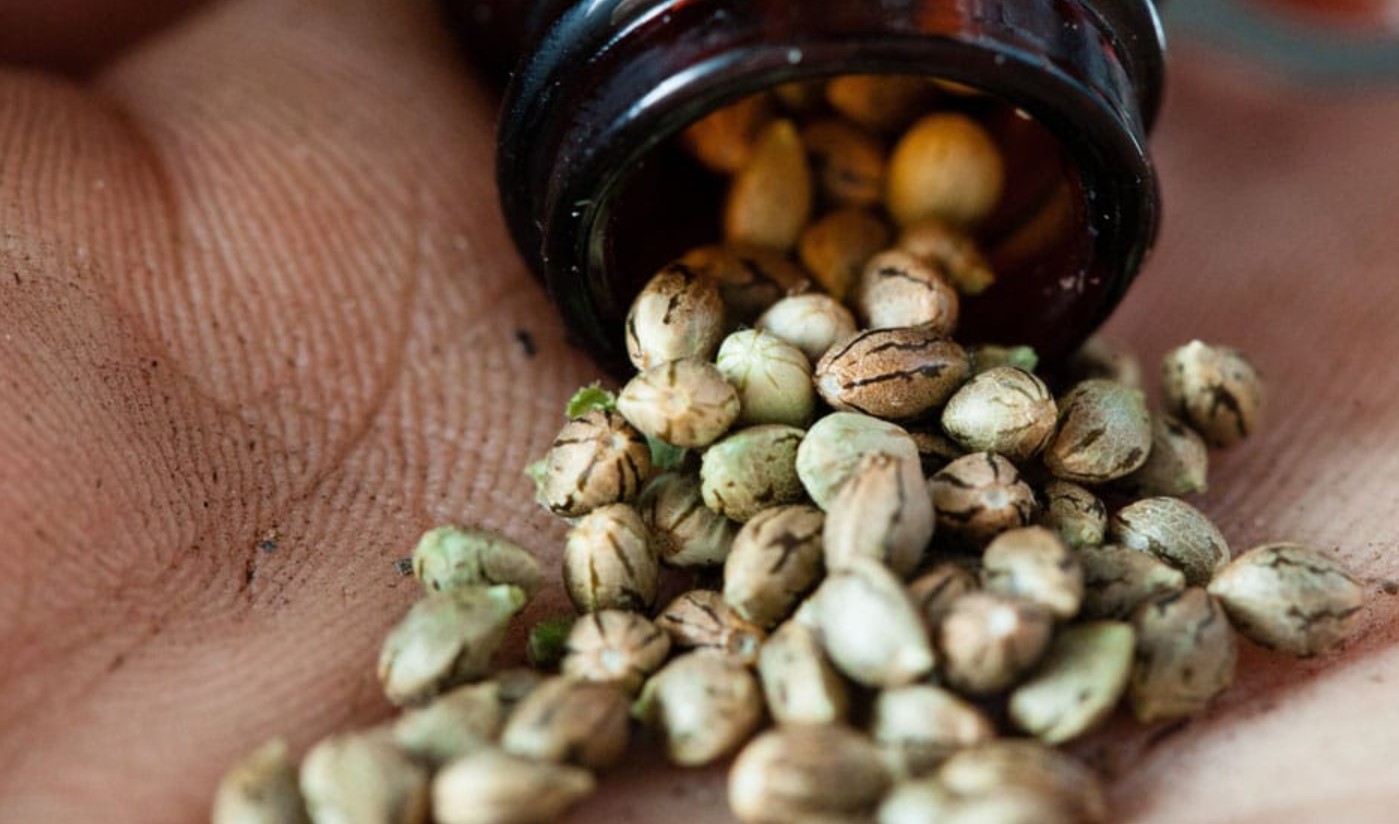
What’s Better: Feminized or Regular Seeds? A Comprehensive Guide for Medical Cannabis Growing and Use
Introduction
Choosing the right type of cannabis seed is a critical decision in medical cannabis cultivation. The two primary options—feminized and regular seeds—each offer unique advantages and challenges that can significantly impact the success of a grow operation, especially when the focus is on medical use. This comprehensive guide explores the differences between feminized and regular seeds, their benefits and drawbacks, and how to select the best option for medical cannabis cultivation, keeping in mind the need for consistent quality, yield, and specific cannabinoid profiles tailored to patient needs.
Understanding Cannabis Seeds: Feminized vs. Regular
Regular Seeds
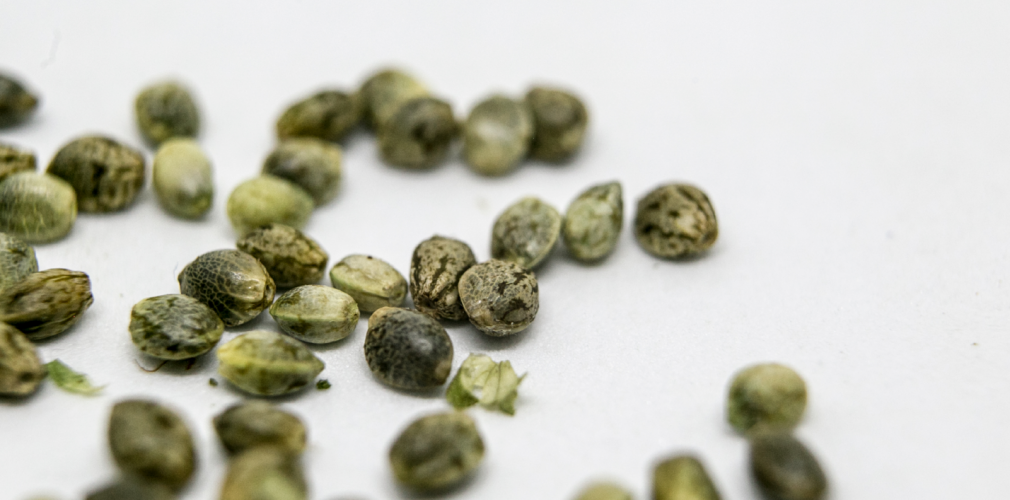
Normal cannabis seeds are created when a male and a female plant naturally pollinate each other. Usually about 50/50 is the ratio of male to female plants that can be produced from these seeds. In a medical cannabis growing scenario, this presents both opportunities and challenges.
- Advantages of Regular Seeds:
- Genetic Stability: Regular seeds tend to produce plants with more genetic stability and vigor. This is so that the plant’s inherent resistance is maintained, as they have not undergone genetic modification or alteration.
- Breeding Potential: For growers interested in developing new strains or maintaining specific genetics, regular seeds are invaluable. Male plants can be used to pollinate females, producing seeds for future crops with potentially enhanced medicinal properties.
- Strain Purity: Regular seeds often retain the original characteristics of the strain, making them a preferred choice for purists who seek the authentic expression of a strain’s medicinal properties.
- Disadvantages of Regular Seeds:
- Sex Identification: One of the most significant drawbacks of regular seeds is the need to identify and remove male plants early in the growing process. Male plants do not produce the cannabinoid-rich flowers needed for medical use and can pollinate females, leading to seed production rather than flower production.
- Resource Management: Growing regular seeds can be resource-intensive since approximately half of the plants will be males, which are not useful for producing medicinal cannabis. This can lead to wasted space, nutrients, and time.
- Variable Yield: Because of the presence of male plants, the overall yield of usable medicinal cannabis may be lower compared to feminized seeds.
Feminized Seeds
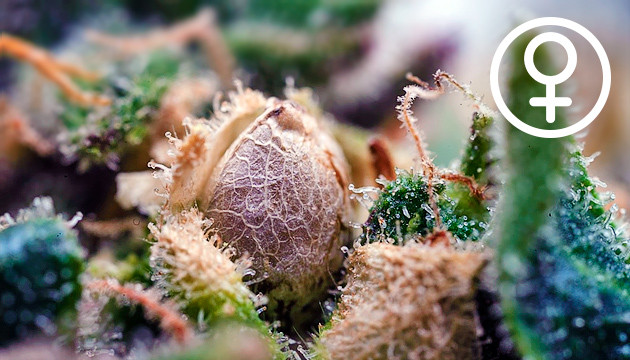
Genetically engineered to solely grow female plants—which are the ones that provide the cannabinoid-rich blooms required for medicinal use—feminized seeds are a product of plant breeding. In order to create seeds that are almost entirely female, a female plant is first made to produce pollen, which is subsequently utilized to fertilize another female plant.
- Advantages of Feminized Seeds:
- Higher Yield: Growers can increase the amount of medicinal cannabis they produce by using feminized seeds, which exclusively create female plants. Every plant will contribute to the harvest, making feminized seeds more efficient in terms of space and resource usage.
- Ease of Cultivation: Growing from seeds that have been feminized eliminates the need to recognize and eliminate male plants. This guarantees that every plant will produce flowers and lowers the possibility of unintentional pollination.
- Consistency: Feminized seeds offer more consistency in terms of cannabinoid content and overall plant characteristics, which is crucial for medical cannabis where precise dosages and effects are needed.
- Disadvantages of Feminized Seeds:
- Genetic Variability: Some critics argue that feminized seeds can result in less genetically diverse plants, which might make them more susceptible to disease or environmental stress. However, advancements in breeding techniques have largely mitigated this issue.
- Limited Breeding: Feminized seeds are not suitable for breeding new strains, as they do not produce male plants. This limits the grower’s ability to develop or preserve specific genetic lines.
- Cost: Feminized seeds are often more expensive than regular seeds due to the additional breeding steps required to produce them. For large-scale medical operations, this cost can add up, though it is often offset by the higher yield and efficiency.
The Importance of Seed Choice in Medical Cannabis Cultivation
Selecting the right type of seed is particularly important in the context of medical cannabis, where the consistency of cannabinoid profiles and the overall quality of the harvest are paramount. The choice between feminized and regular seeds can influence several critical factors:
- Consistency in Medicinal Properties:
- Feminized seeds are favored for producing consistent cannabinoid and terpene profiles, essential for providing reliable medicinal effects to patients. Regular seeds might produce plants with slight variations in these profiles, which could affect the predictability of the medical effects.
- Efficient Use of Resources:
- In medical cannabis cultivation, resource management is crucial. Feminized seeds allow for more efficient use of space, nutrients, and time, as every plant contributes to the final medicinal yield. This is particularly important in controlled environments like indoor or greenhouse grows, where maximizing output is a priority.
- Compliance with Medical Standards:
- Medical cannabis must often meet stringent standards for cannabinoid content and purity. Feminized seeds, with their ability to produce consistent and high-quality flowers, are typically better suited to meet these regulatory requirements.
- Breeding for Specific Medical Needs:
- For growers involved in breeding new strains to target specific medical conditions, regular seeds offer the flexibility needed to experiment and develop strains with tailored cannabinoid and terpene profiles. This is important for addressing a wide range of medical conditions, from chronic pain to anxiety.
Case Studies: Feminized vs. Regular Seeds in Medical Cannabis Growing
To better understand the implications of seed choice in medical cannabis cultivation, let’s explore a few case studies that highlight different scenarios where feminized or regular seeds were used.
Case Study 1: Large-Scale Medical Cannabis Operation Using Feminized Seeds
In a large-scale medical cannabis operation focused on producing high-CBD strains for epilepsy treatment, the growers chose feminized seeds to ensure consistency across their crop. The decision was driven by the need to meet strict regulatory standards and to produce a reliable product for patients who rely on consistent dosing.
- Outcome:
- The use of feminized seeds allowed the operation to achieve a uniform crop with predictable cannabinoid profiles, leading to high patient satisfaction and compliance with medical regulations.
- The efficiency gained from not having to cull male plants led to significant cost savings, which were reinvested in research and development of new strains.
Case Study 2: Small-Scale Breeder Developing a New Strain for Pain Relief
A small-scale breeder focused on developing a new strain to alleviate chronic pain chose regular seeds to have the flexibility needed for breeding. The goal was to create a strain with a specific balance of THC and CBD, tailored to patients who need pain relief without excessive psychoactivity.
- Outcome:
- The breeder successfully developed a new strain with the desired medicinal properties by selectively breeding plants with the best cannabinoid profiles.
- While the process was more labor-intensive due to the need to identify and remove male plants, the breeder was able to create a stable, regular seed line that could be further refined or feminized for broader distribution.
Case Study 3: Indoor Medical Cannabis Grow in a Resource-Constrained Environment
An indoor medical cannabis grower operating in a resource-constrained environment needed to maximize yield while minimizing costs. Feminized seeds were chosen to eliminate the risk of male plants and to ensure that every square foot of growing space was used efficiently.
- Outcome:
- The grower was able to produce a high yield of quality medicinal cannabis with minimal waste, leading to a sustainable and profitable operation.
- The consistency of the feminized seeds allowed for precise control over the growing conditions, ensuring that the plants met the required standards for medical use.
Factors to Consider When Choosing Between Feminized and Regular Seeds
When deciding between feminized and regular seeds for medical cannabis cultivation, several factors must be considered to ensure that the chosen seeds align with the specific goals and constraints of the grow operation.
- Growing Environment:
- Indoor vs. Outdoor: Feminized seeds are often preferred for indoor grows where space is limited, and maximizing yield is essential. Regular seeds may be more suitable for outdoor grows where space is less of an issue, and there is interest in breeding or preserving genetics.
- Climate: The climate and environmental conditions can also influence the choice. Regular seeds might offer more robust plants that can better withstand environmental stress, while feminized seeds provide uniformity in controlled environments.
- Regulatory Requirements:
- Medical cannabis is subject to strict regulations regarding cannabinoid content, purity, and consistency. Feminized seeds are more likely to meet these standards due to their uniformity, making them the preferred choice for licensed medical operations.
- Resource Availability:
- The availability of resources, including space, nutrients, and labor, plays a significant role in seed selection. Feminized seeds are more resource-efficient, which is particularly important in resource-constrained settings.
- Breeding Goals:
- If the goal is to breed new strains with specific medicinal properties, regular seeds are essential. However, if the focus is on producing a consistent and reliable product, feminized seeds are generally more appropriate.
- Cost Considerations:
- While feminized seeds are more expensive upfront, they can lead to cost savings in the long run due to higher yields and less waste. Growers must weigh the initial investment against the potential return.
Legal Framework Governing Medical Cannabis

The legal framework for medical cannabis varies significantly from one jurisdiction to another. While some countries have fully legalized its medical use, others allow it only under strict conditions, and some still prohibit its use entirely.
1. Permitted Use as a Last Resort:
- Criteria for Use: In many regions, cannabis is permitted as a medical treatment only after all other conventional therapies have failed. This last-resort criterion ensures that cannabis is not the first line of treatment but rather a secondary option when other medications have proven ineffective or caused adverse side effects.
- Documentation and Justification: Physicians are often required to provide detailed documentation justifying the use of cannabis, demonstrating that the patient has exhausted all other treatment options. This process typically involves a thorough review of the patient’s medical history and an evaluation of the potential benefits and risks of cannabis therapy.
- Approval Processes: In some jurisdictions, special approval from a regulatory body may be required before cannabis can be prescribed. This may involve submitting a request for compassionate use, where the treating physician must argue the case for why cannabis is necessary for the patient’s treatment.
2. Restrictions on Cultivation for Medical Use:
- Licensing Requirements: Growing cannabis for medical purposes usually requires a specific license issued by a governmental or regulatory body. These licenses are often difficult to obtain and are subject to rigorous standards to ensure that the cultivation process meets medical-grade requirements.
- Security Measures: Medical cannabis cultivation sites are typically required to implement strict security measures to prevent unauthorized access and ensure that the product does not enter the illicit market. These measures may include surveillance systems, controlled access points, and secure storage facilities.
- Quality Control Standards: Cannabis grown for medical use must meet specific quality control standards to ensure the safety and efficacy of the final product. This includes testing for contaminants, such as pesticides and heavy metals, as well as ensuring consistent levels of active compounds, including THC and CBD.
3. Prescription and Dispensation:
- Prescription Restrictions: Physicians may be limited in how and when they can prescribe medical cannabis. For example, in some regions, only certain medical conditions may qualify for cannabis treatment, and doctors may need to be specially certified to prescribe it.
- Dosage and Administration: Regulations often dictate the dosage forms of medical cannabis that can be prescribed (e.g., oils, capsules, or tinctures) and the specific amounts that can be dispensed to ensure patient safety.
- Patient Monitoring: Patients using medical cannabis are typically subject to regular monitoring to assess the effectiveness of the treatment and to adjust dosages as needed. This monitoring also helps to prevent potential abuse or dependency on the medication.
Monitoring THC Levels in Medical Cannabis
One of the primary concerns with the use of cannabis in medicine is the psychoactive effects of THC (tetrahydrocannabinol). While THC is known for its therapeutic properties, particularly in pain management and appetite stimulation, it can also cause unwanted psychoactive effects such as euphoria, anxiety, or cognitive impairment. Therefore, it is essential to monitor and regulate THC levels in medical cannabis products to minimize these risks.
1. THC Limits in Medical Products:
- Regulatory Caps on THC: There are THC content restrictions in place in several nations for medical cannabis products. These limits are designed to balance the therapeutic benefits of THC with the need to minimize psychoactive effects. For instance, some jurisdictions set a maximum THC content of 0.2% to 1% for medical cannabis products intended for general use, while higher concentrations may be allowed for specific conditions under strict medical supervision.
- Product Labeling: Accurate labeling of THC content is mandatory for all medical cannabis products. This allows healthcare providers to make informed decisions when prescribing cannabis and enables patients to understand the potency of their medication.
2. Formulation Adjustments:
- THC to CBD Ratios: One common approach to mitigating the psychoactive effects of THC is to formulate medical cannabis products with a high CBD (cannabidiol) to THC ratio. CBD is non-psychoactive and can counteract some of the psychoactive effects of THC, providing therapeutic benefits without causing euphoria or cognitive impairment.
- Microdosing Strategies: Microdosing involves administering small doses of THC to achieve therapeutic effects while minimizing psychoactive side effects. This approach is particularly useful for patients who are sensitive to THC or those who require long-term cannabis therapy.
3. Patient Education and Monitoring:
- Educating Patients: Patients prescribed medical cannabis must be educated on the potential effects of THC and how to use their medication safely. This includes understanding how different delivery methods (e.g., inhalation vs. oral ingestion) affect the onset and intensity of THC’s effects.
- Regular Assessments: It’s critical to schedule routine check-ups with medical professionals in order to assess the patient’s reaction to the drug and modify THC dosage as necessary. This helps to ensure that the patient receives the therapeutic benefits of cannabis without experiencing undesirable psychoactive effects.
4. Technological Advances in THC Monitoring:
- Cannabis Testing Labs: Advanced testing laboratories play a critical role in ensuring that medical cannabis products meet the required THC thresholds. These labs use sophisticated techniques such as high-performance liquid chromatography (HPLC) to precisely measure the levels of THC and other cannabinoids in cannabis products.
- In-Field Testing Kits: For growers and dispensaries, in-field testing kits are becoming increasingly available. These kits allow for rapid testing of THC levels at various stages of cultivation and processing, ensuring compliance with regulatory standards before the product reaches patients.
Conclusion: Feminized or Regular Seeds—Which is Better for Medical Cannabis?
The choice between feminized and regular seeds is not a simple one, as both types offer distinct advantages and disadvantages depending on the specific needs of the medical cannabis grower.
- Feminized Seeds are ideal for operations where consistency, efficiency, and compliance with medical standards are paramount. They offer a streamlined growing process that maximizes yield and ensures that every plant contributes to the production of cannabinoid-rich flowers. For large-scale operations and indoor grows where space and resources are limited, feminized seeds are often the best choice.
- Regular Seeds, on the other hand, provide the genetic diversity and flexibility needed for breeding and developing new strains. They are particularly valuable for small-scale breeders and purists who wish to preserve the original characteristics of a strain. While they require more effort in terms of identifying and removing male plants, the potential to create unique and tailored medicinal strains makes regular seeds an indispensable tool for certain growers.
Ultimately, the decision should be guided by the specific goals of the cultivation project, whether it’s maximizing efficiency and yield with feminized seeds or exploring the full genetic potential of cannabis with regular seeds. For medical cannabis growers, understanding these options and making informed choices is key to producing high-quality medicine that meets the needs of patients.
In conclusion, there is a role for both conventional and feminized seeds in the medicinal cannabis growing industry. The best choice depends on the grower’s priorities, resources, and the specific medical outcomes they aim to achieve. Whether opting for the uniformity of feminized seeds or the genetic potential of regular seeds, the ultimate goal remains the same: to cultivate cannabis that offers the best possible therapeutic benefits for patients.
