Table of Contents
What type of drug is marijuana
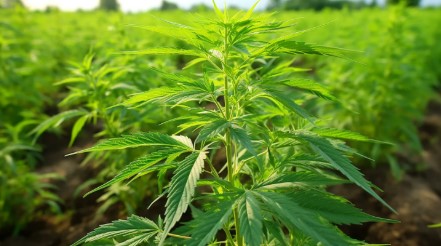
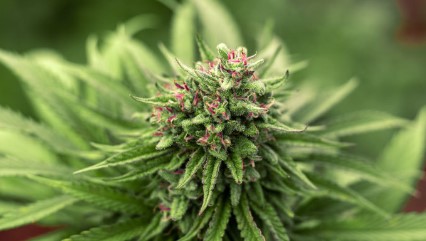
Marijuana, also known as cannabis, is a psychoactive drug derived from the Cannabis sativa, Cannabis indica, or hybrid plant species. It is classified pharmacologically as a central nervous system (CNS) depressant with hallucinogenic and stimulant properties, depending on the specific strain, dosage, and individual biology. Its psychoactive effects primarily stem from tetrahydrocannabinol (THC), the main cannabinoid responsible for the “high.” Other key compounds like cannabidiol (CBD) also influence its therapeutic effects without producing intoxication.
From a drug classification perspective, marijuana fits into several categories:
- Depressant – It slows brain function, promoting relaxation, reduced anxiety, and sedation. These effects make it useful in treating insomnia and stress-related conditions.
- Hallucinogen – In higher doses or in susceptible users, THC can alter perception, mood, and cognition, producing mild hallucinations or distortions of time and space.
- Stimulant – Certain strains can cause increased heart rate, alertness, and euphoria, especially sativa-dominant varieties.
Legally, marijuana is considered a Schedule I controlled substance under U.S. federal law, indicating high abuse potential and no accepted medical use. However, numerous states and countries have legalized it for medical and/or recreational use due to growing evidence of its therapeutic benefits in treating chronic pain, epilepsy, multiple sclerosis, and chemotherapy-induced nausea.

Marijuana can be consumed in several ways: smoking, vaporizing, edibles, tinctures, or topical applications. The method of administration significantly influences its onset and duration of effects.
Chronic use may lead to tolerance, dependence, and cannabis use disorder, particularly in adolescents. Despite this, it has a lower addiction potential than many other illicit substances and a relatively low toxicity profile.
In conclusion, marijuana is a complex, multi-class drug with therapeutic promise and psychoactive effects, warranting careful consideration in medical and recreational contexts.
