Table of Contents
What states have recreational marijuana
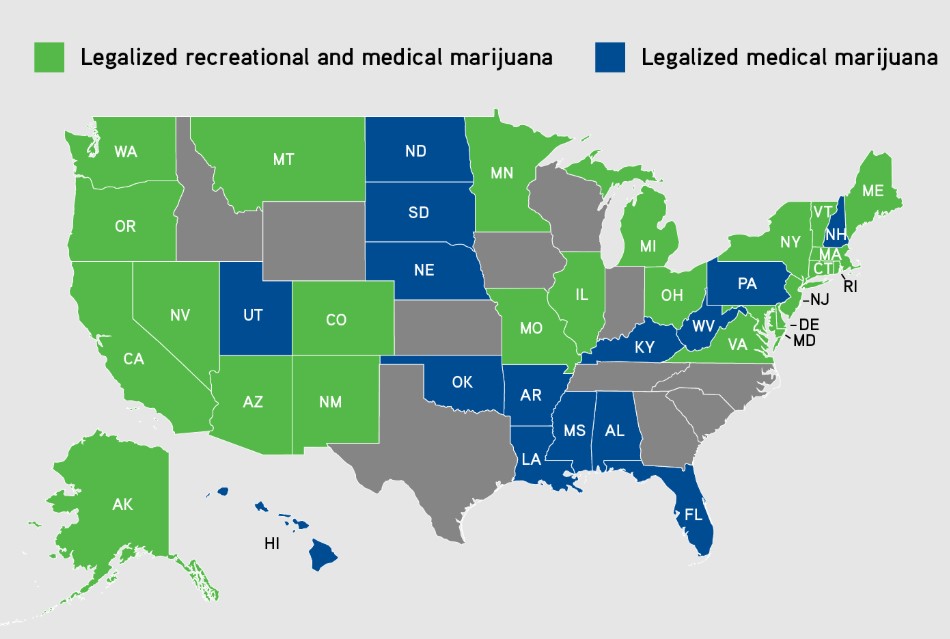
The legalization of marijuana is one of the most debated social and policy issues in the 21st century. It touches on various aspects of society including health, economics, criminal justice, and public opinion. In this essay, we examine the arguments for and against marijuana legalization, focusing on empirical developments, particularly in the United States where states such as Colorado, California, Illinois, Washington, and Oregon have already implemented legalization laws.
I. Medical Justifications for Legalization
1. Therapeutic Applications
Cannabis has shown effectiveness in treating a wide range of medical conditions such as chronic pain, epilepsy, glaucoma, nausea from chemotherapy, and multiple sclerosis. Medical marijuana programs in states like New York, Florida, and Pennsylvania allow patients with qualifying conditions to use cannabis-based treatments under doctor supervision.
2. Safer Alternative to Opioids
States like Massachusetts and Michigan have reported declining opioid-related deaths following the introduction of medical cannabis programs. This suggests cannabis may offer a harm-reduction approach, providing pain relief with lower addiction risks and fewer fatalities compared to opioids.
II. Economic Benefits of Legalization
1. Job Creation and Industry Growth
In states such as California and Colorado, the cannabis industry has become a major source of employment. Jobs span across cultivation, processing, dispensary retail, security, compliance, and testing labs.
2. Tax Revenue and Public Investment

Legalized marijuana contributes significantly to state revenue. Illinois generated over $400 million in cannabis tax revenue in a single year, which was directed toward public health, education, and community development. Oregon and Nevada have also used cannabis taxes to support addiction treatment programs and law enforcement training.
III. Criminal Justice and Social Equity
1. Reducing Arrests and Prison Overcrowding
Decriminalizing or legalizing marijuana reduces the burden on police and the courts. Washington and Alaska, which legalized recreational cannabis, have seen a significant drop in marijuana-related arrests. This helps free up resources to address more serious crimes.
2. Addressing Racial Disparities
Despite similar rates of marijuana use, people of color especially Black and Latino individuals have historically been disproportionately arrested for cannabis offenses. Legalization in New Jersey and Illinois has included social equity programs to prioritize business licenses and expungements for communities disproportionately affected by past drug enforcement policies.
IV. Public Health and Safety Considerations
1. Regulating Cannabis Quality and Potency
Legal frameworks in states like Colorado, California, and Michigan require testing for contaminants, THC levels, and proper labeling. This ensures product safety and transparency for consumers something not possible with black-market cannabis.
2. Youth Access and Education

Contrary to fears, surveys from Washington and Oregon have shown no significant rise in teenage cannabis use following legalization. Age limits, ID verification, and public awareness campaigns have helped restrict underage access.
3. Impaired Driving Risks
One legitimate concern is cannabis-impaired driving. States like Nevada and Colorado have responded by funding public safety campaigns and investing in roadside testing protocols to deter and detect impaired driving.
V. Challenges and Risks of Legalization
1. Dependency and Heavy Use
Though not as addictive as nicotine or opioids, cannabis can still lead to dependence, especially in adolescents. States like Massachusetts and Colorado have seen increases in reported cases of cannabis use disorder since legalization. However, education and mental health services are being integrated to address this.
2. Mental Health Concerns
High-potency THC products may increase the risk of anxiety, depression, and psychosis in vulnerable populations. California has introduced potency caps for edibles and mandated warning labels to address this issue.
3. Workplace Safety and Regulation
Legalization raises questions about drug-free workplace policies. Employers in states like Oregon and Washington must now balance employee rights with safety standards, especially in transportation and heavy machinery industries.
VI. Federal vs. State Law Conflicts
While states like California, Illinois, and Nevada have legalized marijuana, it remains a Schedule I substance at the federal level. This classification creates difficulties for cannabis businesses in banking, interstate commerce, and tax deductions. Federal laws prevent most cannabis businesses from accessing loans or credit, making them reliant on cash transactions posing security and transparency issues.
VII. International and Diplomatic Considerations
The U.S. shift in cannabis policy, led by states such as Colorado and California, is influencing international discussions. Countries like Canada and Germany are adopting similar reforms. However, international treaties still classify cannabis as a controlled substance, requiring the U.S. to navigate conflicting obligations.
VIII. Decriminalization vs. Full Legalization
Some states, including Maryland and Connecticut, have opted for decriminalization rather than full legalization. This means possession is treated as a civil offense without jail time but does not allow legal sales. This approach reduces incarceration but does not provide regulatory benefits like quality control, consumer protections, or tax revenue.
IX. Public Opinion Trends
Public support for legalization has grown steadily. Polls in states such as Texas, Virginia, and Ohio show increasing bipartisan backing for at least medical marijuana legalization. The shift in opinion reflects evolving social norms, especially among younger voters, veterans, and patients with chronic illnesses.
X. Path Forward: Responsible Legalization
1. Balanced Regulation
Legalization should not mean unregulated use. States like New York are designing systems with tight control over licensing, advertising, and public consumption. This ensures the balance between freedom and public health.
2. Continued Research and Monitoring
With legalization comes the opportunity to study cannabis effects more thoroughly. California and Massachusetts fund cannabis research programs to track public health, market trends, and usage data contributing to evidence-based policymaking.
3. Social Justice Measures
Equity initiatives in Illinois and New Jersey aim to reverse the harms of drug prohibition. Expungement of past convictions, priority licensing, and community reinvestment are key to ensuring that legalization benefits all sectors of society.
Conclusion
The question of marijuana legalization is no longer theoretical it is an evolving reality across the United States. States like Colorado, California, Illinois, and Washington have shown that legalization can offer medical, economic, and criminal justice benefits when carefully implemented. However, risks related to youth access, impaired driving, and mental health must be managed through robust regulation, public education, and ongoing research.
Ultimately, the legalization of marijuana should be approached not as a one-size-fits-all solution but as a flexible, evidence-driven policy framework. A balanced approach combining health safeguards, social equity, and economic opportunity provides the most promising path forward. The experiences of U.S. states offer valuable insights into both the challenges and the vast potential of cannabis legalization.
