Table of Contents
What Makes a Strain “Landrace”?
A landrace strain in cannabis refers to a cultivar that has developed and stabilized in a specific geographic region over many generations, adapting to its local environment without significant interference from human-directed hybridization. These strains are considered the genetic backbone of the modern cannabis gene pool, often serving as the foundational stock for many hybrid varieties found in today’s market.
1. Definition and Core Characteristics of Landrace Strains
Landrace cannabis strains are naturally occurring or minimally altered varieties that have adapted to a particular region’s environment over hundreds or even thousands of years. Key characteristics include:
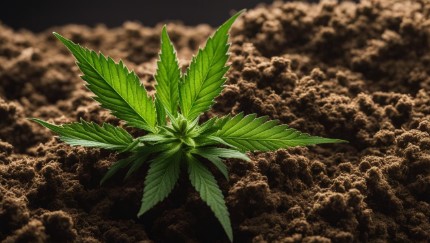
- Regional Isolation: Landraces typically originate from isolated regions where cannabis has been cultivated or grown wild without crossbreeding with foreign strains.
- Environmental Adaptation: These strains evolve specific traits such as flowering time, resistance to pests, drought tolerance, and cannabinoid profiles suited to local conditions.
- Genetic Stability: Unlike modern hybrids that may show phenotypic variability, landraces tend to be genetically homogeneous due to generations of natural or traditional selective breeding.
- Purity: They are not crossed with other strains, maintaining a “pure” lineage. This is crucial for their role in preserving biodiversity.
Examples of well-known landrace strains include:
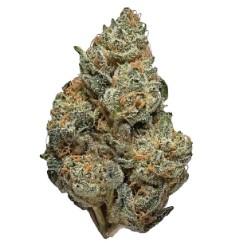
- Afghani (Afghanistan)
- Thai (Thailand)
- Durban Poison (South Africa)
- Acapulco Gold (Mexico)
- Lamb’s Bread (Jamaica)
2. Origins and Historical Context
The domestication of cannabis likely began in Central Asia, particularly in regions of present-day Mongolia and southern Siberia, around 12,000 years ago. From there, it spread along trade routes such as the Silk Road, adapting to new climates and terrains, resulting in unique landrace populations.
Cannabis cultivation in ancient societies involved not only growing but also selecting traits useful for fiber, food, and psychoactive properties. Over time, these traits became fixed in local populations due to reproductive isolation and human selection. For instance:
- Cannabis grown in the Hindu Kush mountain range developed a dense structure and resin-rich flowers suited to harsh, dry climates.
- In contrast, Southeast Asian strains evolved into tall, lanky plants better suited to humid, tropical climates with long flowering cycles.
3. Cannabinoid and Terpene Profiles
Landrace strains often exhibit distinctive cannabinoid and terpene profiles, which influence their medicinal and psychoactive effects:
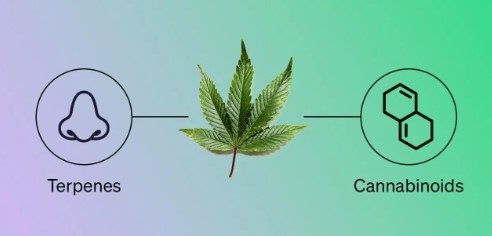
- Cannabinoid Content: Some landraces tend to be rich in THC (e.g., Thai), while others may have balanced or even higher CBD content (e.g., some Lebanese and Moroccan hashish cultivars).
- Terpene Diversity: Terpenes such as myrcene, limonene, pinene, and caryophyllene occur in unique ratios, contributing to a strain’s aroma and effects. These profiles are often reflective of environmental pressures and natural selection.
Because landraces developed over millennia in relatively isolated gene pools, they sometimes express rare or unique chemotypes not found in commercial hybrids.
4. Geographic Influence and Environmental Shaping
The environmental conditions in which landrace strains developed play a vital role in shaping their characteristics:
- Highland vs. Lowland: Highland strains (e.g., Malawi Gold) often grow more slowly and develop denser trichomes due to elevation-related UV exposure. Lowland strains may mature faster and resist humidity-related pathogens.
- Latitude: Equatorial landraces like Colombian Gold or Thai are typically pure sativas with long flowering periods, while landraces from northern or mountainous regions such as Pakistan or Afghanistan are often indicas with short, compact growth and quicker flowering cycles.
- Soil, Rainfall, and Light: These factors contribute to a strain’s terpene expression, growth rate, root structure, and resilience to biotic and abiotic stress.
Over time, these environmental pressures caused genetic drift and natural selection, locking in adaptations that made each landrace unique.
5. Importance to Modern Cannabis Breeding
Landrace strains are the foundation of nearly every hybrid cultivar on the modern market. Breeders use landraces for several key purposes:
- Genetic Diversity: Landraces contain alleles that have been lost in modern hybrids due to bottlenecks in selective breeding. These genes can be reintroduced to restore vigor or express new traits.
- Trait Stabilization: Breeders may use landraces to stabilize desirable features like resistance to powdery mildew, drought tolerance, or cannabinoid content.
- Hybrid Development: By crossing landraces, breeders create hybrids with enhanced properties such as flavor, potency, and faster flowering times. For example, Skunk #1 and Northern Lights both incorporate landrace genetics from Afghani, Acapulco Gold, and Colombian varieties.
6. Preservation Challenges
Despite their importance, many landrace strains are endangered due to globalization, prohibition, and hybrid proliferation:
- Genetic Contamination: As hybrids are introduced into traditional growing regions, they cross-pollinate with native strains, diluting the original gene pool.
- Loss of Traditional Knowledge: As older generations of cultivators pass away, traditional selection methods and cultivation techniques are lost.
- Legal Barriers: In many countries, local cannabis strains were outlawed during the War on Drugs, causing eradication efforts that reduced genetic stock.
Preservation efforts include seed banks, heritage strain repositories, and conservation cultivation in remote regions. Organizations like the Vault of Puur and ICRS (International Cannabis Research Society) emphasize cataloging and protecting these irreplaceable gene pools.
7. Landrace vs. Heirloom Strains
It’s important to distinguish landraces from heirloom strains. While both are genetically distinct and valuable, the difference lies in their cultivation history:
- Landrace: Originates in the wild or under traditional agricultural systems in a specific region with little to no external genetic input.
- Heirloom: A strain that was originally a landrace but has been taken out of its native environment and cultivated elsewhere, often for several generations, without intentional crossbreeding.
For example, a pure Afghani strain grown for decades in California without hybridization may be considered an heirloom rather than a landrace, because it is no longer evolving under its original environmental pressures.
8. Modern Applications and Scientific Research
Landrace strains are being revisited by researchers for their potential applications in medicine and agriculture:
- Pharmaceutical Cannabinoids: Rare cannabinoids like THCV and CBG, sometimes found in higher concentrations in landraces, are gaining attention for treating metabolic disorders, inflammation, and neurological conditions.
- Terpene Therapeutics: The unique terpene profiles of landraces can influence mood, cognition, and pain perception via the entourage effect.
- Agricultural Research: With climate change affecting global agriculture, landrace traits such as drought tolerance or pest resistance can be crucial in developing resilient cannabis varieties.
9. Cultivating Landrace Strains Today
Cultivating true landrace cannabis can be challenging, particularly outside their native regions:
- Climatic Incompatibility: Sativa landraces like Thai or Colombian Gold may not finish flowering before frost in temperate regions due to their long flowering cycles.
- Indoor Cultivation Constraints: Tall, slow-flowering landraces may be ill-suited for indoor growing, where height and time are limited.
- Phenotypic Variation: Despite genetic stability, some landraces still express wide phenotypic variation due to being open-pollinated.
Nonetheless, for those committed to genetic preservation or connoisseur-quality effects, growing landraces can be a deeply rewarding endeavor.
Conclusion
Landrace strains are the ancestral roots of cannabis culture and science. Shaped by centuries of natural selection, cultural practices, and environmental influence, they offer a window into the plant’s evolutionary history. As the cannabis industry advances, preserving and studying these foundational genetics becomes increasingly important for biodiversity, breeding innovation, and unlocking novel therapeutic applications. Far more than just a label, the term “landrace” represents authenticity, resilience, and a living connection to the origins of cannabis itself.
