Table of Contents
As cannabis gains legal status and grows in popularity worldwide, both recreational users and medical patients are increasingly seeking the healthiest methods for its consumption.
While the terms “healthy” and “smoking” seldom go hand in hand, there are definitively healthier options available for those who prefer to inhale cannabis. This preference stems from a recognition of the inherent risks involved in inhaling any combusted material. When cannabis is smoked, the combustion process can release a variety of harmful chemicals, similar to those found in tobacco smoke, which can pose significant health risks.
Understanding these risks is crucial for those who choose smoking as their method of cannabis consumption. This awareness has led to the exploration of various inhalation methods that might reduce harmful exposure. These methods include using water pipes, which can cool and somewhat filter smoke, and vaporizers, which heat cannabis to a temperature that releases cannabinoids in a vapor form rather than smoke, significantly reducing the inhalation of harmful tar and carcinogens.
This discussion aims to provide a comprehensive overview of cannabis consumption methods, particularly focusing on those that involve inhalation. It evaluates the health implications of each method, providing insights into how some techniques may minimize health risks compared to traditional smoking. This information is intended to help cannabis users make informed decisions about their consumption methods, prioritizing health considerations in the context of their personal and medical needs.
Moreover, the discussion extends to less conventional methods of inhalation that are gaining popularity, such as dabbing and the use of high-quality vaporizers that allow for temperature control. Dabbing involves vaporizing concentrated cannabis (often called dabs) at high temperatures, which, while delivering a potent dose, also requires careful consideration regarding the temperature and quality of the concentrate to avoid harmful byproducts.
Each of these techniques offers its advantages and possible drawbacks. For instance, vaporizers are generally considered a healthier option than smoking joints or pipes, as they do not combust the plant material. However, the quality of the vaporizer and the type of material used can affect the overall safety and effectiveness of the process. Similarly, while dabbing can provide a more controlled dosage, the high temperatures involved can also produce harmful chemicals if not properly managed.
In conclusion, while no method of inhaling cannabis can be considered perfectly healthy, certain practices can reduce the intake of harmful substances. For users who choose to inhale cannabis, staying updated on the latest research and advancements in consumption technologies is crucial to further reduce health risks. This knowledge will empower individuals to make choices that align with their health priorities while enjoying the benefits of cannabis.
Joints, Blunts, and Pipes: Methods of Smoking Cannabis
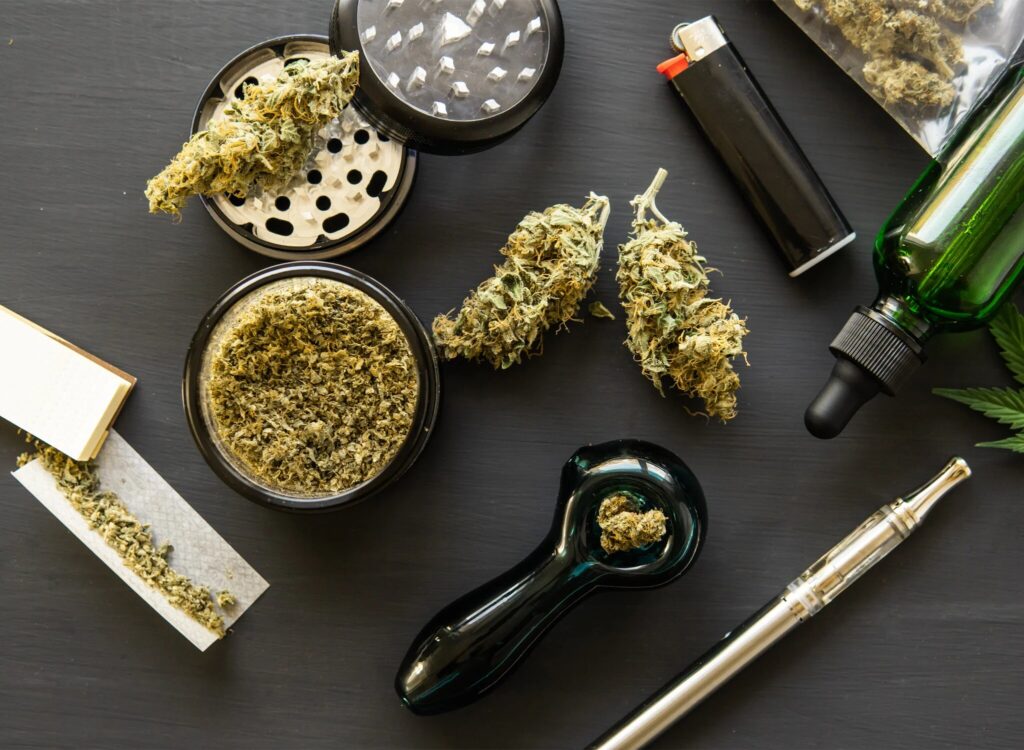
Joints, blunts, and pipes represent the conventional modes of cannabis consumption and have long been the staples in the culture of smoking. These traditional methods involve directly burning cannabis plant material and inhaling the smoke produced. This method of consumption is well-known for its immediate effects, as the smoke quickly delivers active cannabinoids into the lungs, allowing for fast absorption into the bloodstream.
The process of combustion, while effective in releasing cannabinoids such as THC and CBD, also leads to the generation of harmful byproducts. When cannabis is burned, it not only releases the desired psychoactive compounds but also various toxic substances, including tar and carcinogens. These substances are similar to those found in tobacco smoke and are known for their potential to cause respiratory issues and long-term health risks.
Blunts, which involve wrapping cannabis in tobacco leaf wrappers, carry additional risks. These tobacco-based wrappers contribute extra nicotine and other hazardous compounds found in tobacco products, compounding the health risks associated with smoking. Therefore, blunts are considered less healthy due to the dual exposure to cannabis and tobacco smoke, which increases the likelihood of nicotine addiction and the intake of carcinogens.
In contrast, smoking joints that are rolled in natural, unbleached papers is considered a somewhat healthier alternative. These papers tend to be free from the bleaches and additives found in regular rolling papers, reducing the number of chemicals introduced during combustion. Similarly, using glass pipes also offers a way to consume cannabis that might reduce exposure to certain harmful chemicals. Glass does not release additional toxins when heated and provides a purer way to inhale the smoke without the byproducts of burning paper or tobacco.
Despite these alternatives, it is crucial to note that any form of smoking inherently involves combustion, which inevitably leads to the inhalation of harmful smoke. While using natural papers or glass pipes may decrease exposure to certain toxins, they do not eliminate the fundamental risks associated with the inhalation of combusted plant material. The smoke produced can still irritate the respiratory system, contribute to lung inflammation, and increase the risk of chronic bronchitis and other respiratory ailments.
Given these concerns, there is a growing interest in exploring safer methods of cannabis consumption that bypass the need for combustion. Techniques such as vaporization, where cannabis is heated to a point where it releases cannabinoids without actually burning the material, offer promising alternatives. Vaporizers warm cannabis to a precise temperature that is sufficient to release cannabinoids yet low enough to avoid burning the plant material, substantially lowering the release of harmful smoke.
In conclusion, while traditional smoking methods like joints, blunts, and pipes are culturally ingrained and widely used, they come with significant health risks due to the inhalation of toxic smoke. Health-conscious consumers are increasingly turning to alternatives such as vaporizing, which provides the benefits of inhalation without the harmful effects of smoke. As research continues to advance, more consumers will likely opt for these newer, less harmful methods to enjoy cannabis responsibly and safely.
Water Pipes and Bongs: Cannabis Smoking Methods
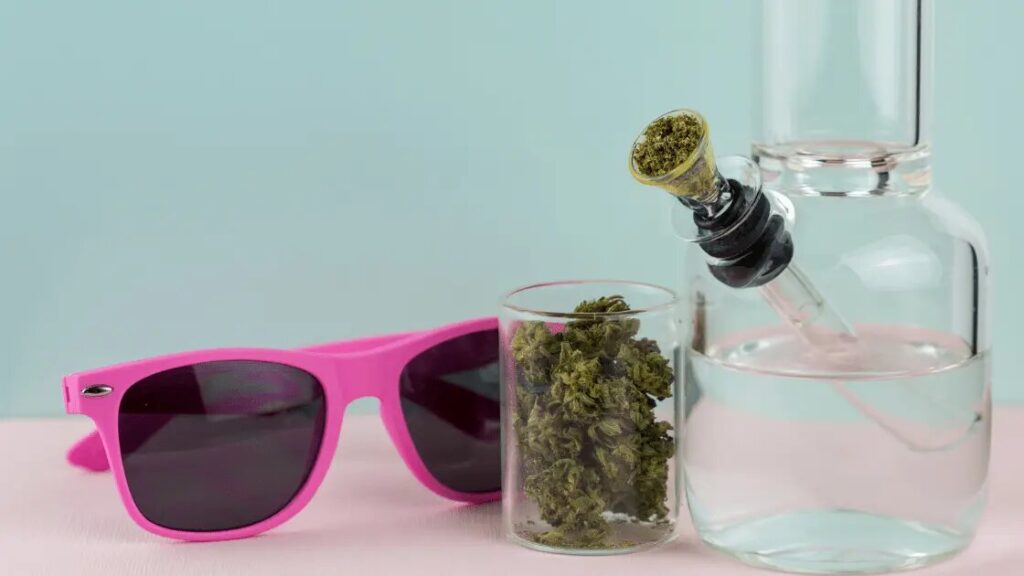
Devices such as bongs and water pipes are designed to filter cannabis smoke through water, aiming to trap some of the potentially harmful byproducts produced during the combustion of cannabis. The fundamental concept behind these devices is that by passing smoke through water, some of the particulate matter and various toxic substances, like tar and carcinogens, are removed before the smoke is inhaled. This filtration process is intended to reduce the smoker’s exposure to harmful chemicals, making the inhalation process somewhat safer.
Despite the perceived benefits, water pipes and bongs are not without significant health risks. While these devices can cool down the smoke—thanks to the water acting as a heat sink—and potentially make the smoking experience less harsh on the respiratory system, the effectiveness of water in filtering out all dangerous compounds is limited. Scientific studies have indicated that water filtration, while somewhat effective in trapping certain particles, may not adequately remove all harmful substances from the smoke. Toxic compounds such as certain carcinogens can still pass through the water and be inhaled by the user.
Moreover, there is a concern that the use of bongs and water pipes might lead to deeper and longer inhalations, thus increasing the overall volume of smoke intake. Consequently, users might inhale larger quantities of smoke, which can counteract the benefits of any filtration by exposing the lungs to greater amounts of smoke and potentially harmful chemicals. This heightened exposure can raise the risk of respiratory issues and other health complications linked to smoking.
Another important aspect to consider is the maintenance of these devices. Bongs and water pipes require regular cleaning to prevent the buildup of resin and mold, which can further compromise lung health. Dirty water and the accumulation of residue in the device can harbor bacteria and fungi, which, when inhaled, pose additional health risks to the respiratory tract.
In summary, while bongs and water pipes may offer some advantages over traditional smoking methods by cooling the smoke and reducing the intake of some toxins through water filtration, they do not eliminate the inherent risks associated with smoking cannabis. The potential for increased smoke intake and the challenges associated with keeping these devices clean further complicate their use. As a result, even with these devices, the health risks tied to smoking cannabis remain significant, and alternatives that do not involve inhalation of combusted materials, such as vaporization or edible forms of cannabis, should be considered by those seeking safer consumption methods.
Vaporizing Cannabis
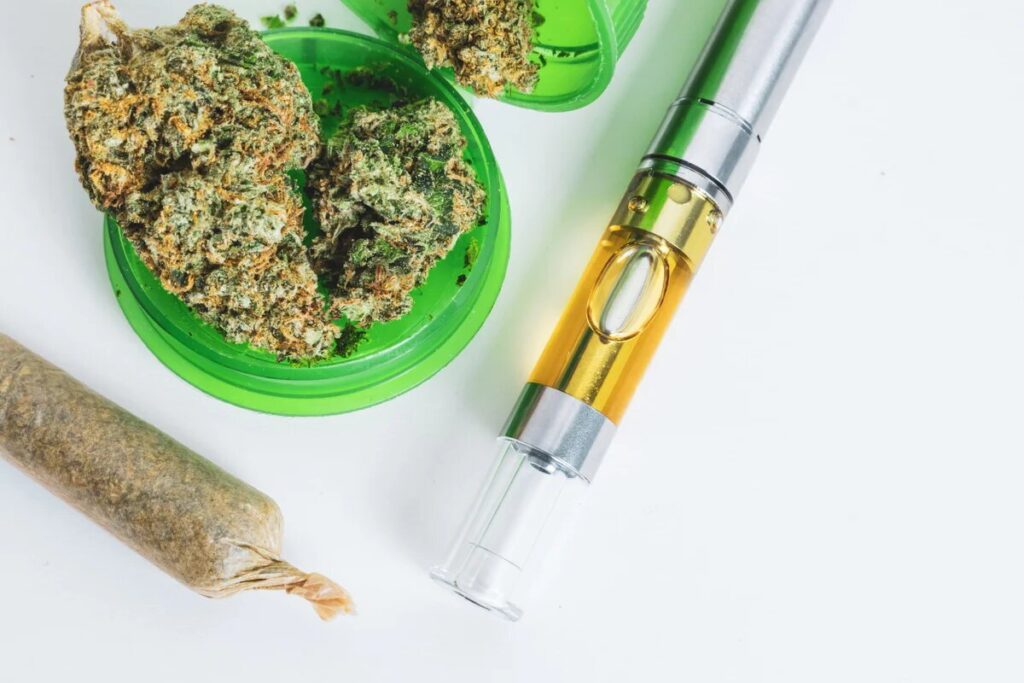
The practice of vaporization, commonly referred to as vaping, is often heralded as a healthier alternative to traditional smoking methods. Vaporizers function by heating cannabis flowers or concentrates to a temperature that is high enough to release cannabinoids and terpenes as vapor, but not so high as to cause combustion of the plant material. This method avoids the high temperatures involved in burning cannabis, which is responsible for creating many of the harmful byproducts typically associated with smoking, such as tar and various carcinogens.
There are two main types of vaporizers: those designed for flowers and those made for concentrates, including popular devices known as vape pens. Flower vaporizers allow users to place dried cannabis directly into the device, where it is heated and the vapor produced is inhaled. Concentrate vaporizers work similarly but are intended for use with oils, waxes, and other forms of cannabis concentrates.
While vaporizing is indeed associated with a reduction in the inhalation of certain harmful chemicals, it is not entirely without risks. Concerns have been raised about the inhalation of flavoring agents and other additives commonly found in some cannabis concentrates. These additives, while enhancing flavor and viscosity, have come under scrutiny due to their potential health impacts, highlighted by several incidents of lung damage linked to vaping products. The exact substances causing these health issues are still being studied, and there is ongoing research into the long-term effects of vaping both nicotine and cannabis products.
To mitigate some of the risks associated with vaping, users are advised to select high-quality products that have undergone rigorous testing in certified laboratories. Products with transparent ingredient lists and clear labeling can help consumers avoid harmful additives and contaminants. Moreover, using devices that allow for precise temperature control can also help minimize the production of unwanted byproducts by ensuring that the cannabis is not overheated.
Although vaping cannabis is often seen as safer than smoking, the full health effects are not entirely known yet. Ongoing research and regulatory monitoring are essential to confirm the safety of these products. For individuals considering vaping as an alternative to smoking, it is important to keep up-to-date with recent research and to carefully consider the origins of the cannabis and the details of the devices they use. As the cannabis industry progresses, the technology and standards for vaping are likely to improve, potentially leading to safer and more effective consumption methods.
Tinctures and Oral Ingestion Methods
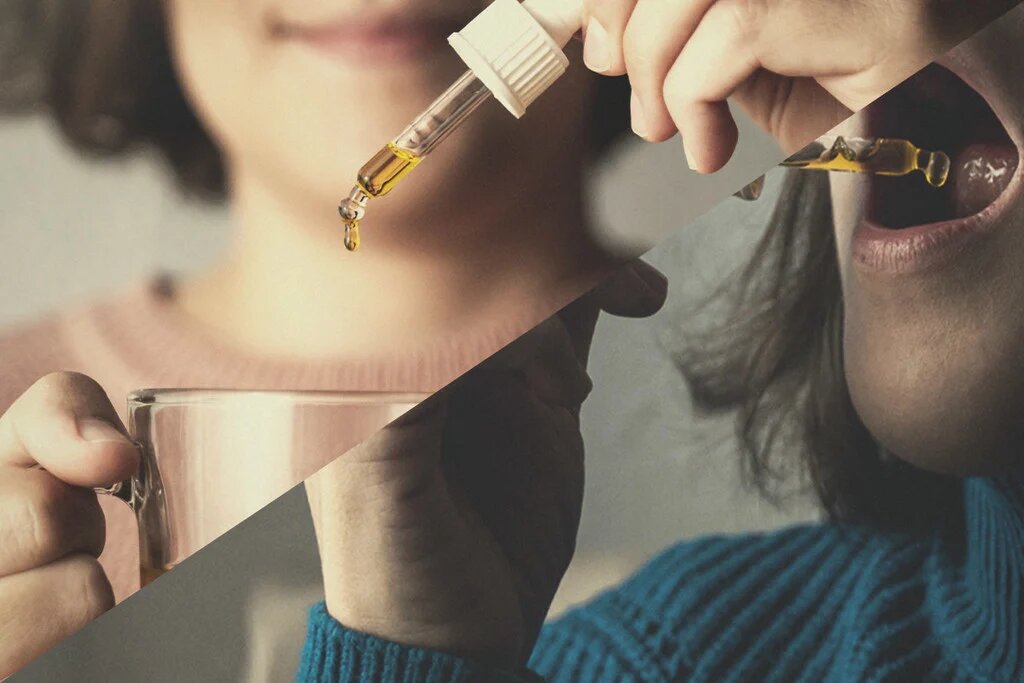
Edibles and tinctures offer a smoke-free alternative for consuming cannabis, catering to individuals who prefer to avoid the inhalation associated with traditional smoking or vaping. Tinctures are alcohol-based cannabis extracts designed for sublingual use—by placing drops beneath the tongue for quick absorption into the bloodstream. This approach results in a faster onset of effects than other edible options. Additionally, tinctures can be incorporated into foods and drinks, providing flexibility in how they are consumed. On the other hand, edibles involve incorporating cannabis into a variety of foods, such as baked goods, gummies, and chocolates, which are then ingested and processed through the digestive system.
These methods of consumption are particularly appealing for their health benefits, as they eliminate the respiratory risks tied to inhaling smoke or vapor. By bypassing the lungs, tinctures and edibles provide a safer alternative for those concerned about the potential pulmonary harm linked to smoking.
However, while tinctures and edibles avoid respiratory risks, they introduce other considerations that must be carefully managed. A major issue is the delayed onset of effects. In contrast to inhalation, which rapidly introduces cannabinoids into the bloodstream through the lungs, edibles must go through the digestive system and liver first. This process can take from 30 minutes to over 2 hours. This delay might lead inexperienced users to consume more than planned before the first dose takes effect, potentially resulting in uncomfortably strong or prolonged intoxication.
Moreover, the effects of edibles tend to last much longer and can be more intense than those experienced through smoking or vaping. This extended duration is due to the conversion of THC into 11-hydroxy-THC, a potent psychoactive compound that occurs during digestion. As a result, users of edibles and tinctures must exercise caution with dosages and be patient while waiting for effects to manifest.
For new users, starting with low doses and gradually increasing based on tolerance and effect is crucial to avoid overconsumption. Accurate labeling and consumer education are crucial for safe usage, as they enable individuals to understand the content and potency of the products they use.
In conclusion, while edibles and tinctures offer significant benefits as smoke-free cannabis consumption options, they require careful consideration of dosage and timing to prevent adverse experiences. With proper education and responsible usage, these methods can provide a viable and health-conscious alternative for both medicinal and recreational cannabis users.
Dabbing Cannabis Concentrates
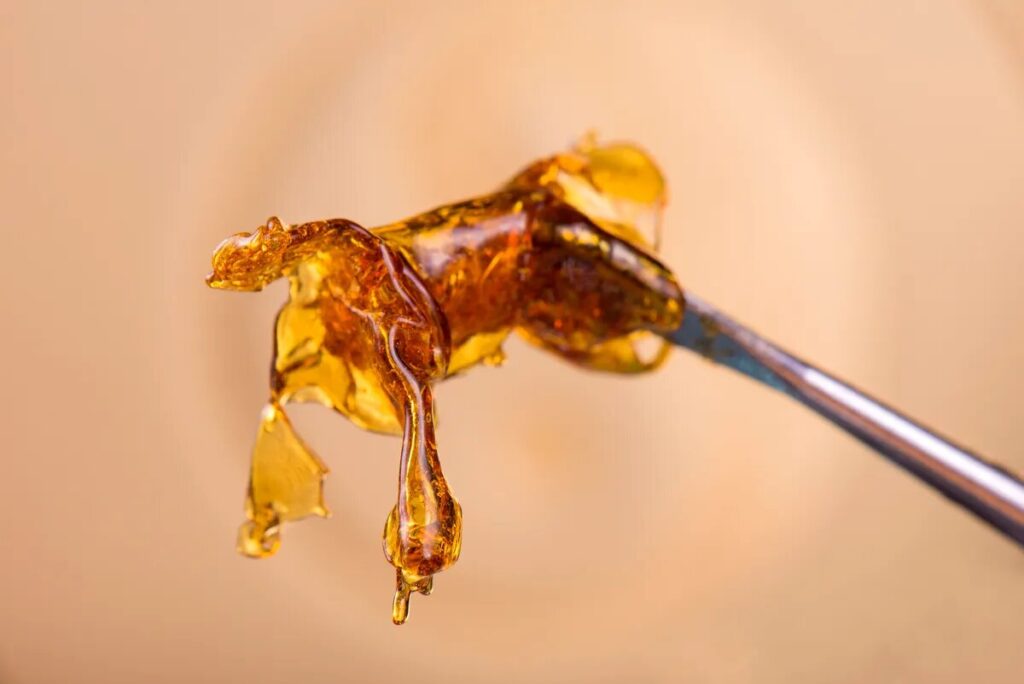
Dabbing is a consumption technique that involves vaporizing cannabis concentrates, which are highly concentrated forms of the plant. This process is facilitated by a device referred to as a dab rig. Dab rigs, which can be akin to more complex versions of traditional water pipes, feature a chamber for water filtration and a specialized component known as a nail or banger, which serves as the platform for heating the concentrates.
To dab, a small amount of cannabis concentrate—typically in the form of wax, shatter, or resin—is placed on the heated nail. The nail is usually heated by a blowtorch until it reaches a temperature hot enough to vaporize the concentrate. When the concentrate touches the heated surface, it rapidly vaporizes, creating a thick and potent vapor.
The user then inhales this vapor through the mouthpiece of the dab rig. The water in the rig’s chamber cools the vapor before it is inhaled, making the experience smoother than traditional smoking methods. Because the vaporized concentrates are highly potent, dabbing is often more intense than other forms of cannabis consumption. The effects are almost immediate, delivering a powerful dose of cannabinoids to the system very quickly.
While dabbing is praised for its efficiency and the purity of the high it can provide, it also carries potential risks, particularly related to the high temperatures used and the potency of the concentrates. The high heat can produce harmful chemicals if the nail is overheated, and the intense concentration of THC in the extracts can lead to rapid tolerance buildup and more pronounced psychoactive effects, which may be overwhelming for new users.
Furthermore, the creation of cannabis concentrates requires solvents that, if not fully removed, can linger in the final product and become toxic when vaporized. Therefore, users need to source their concentrates from reliable providers that ensure the purity and safety of their products.
Given these factors, dabbing requires a careful approach, especially in terms of dosage and frequency of use. Users should be aware of the potency of concentrates and consider starting with very small amounts to gauge their tolerance. Furthermore, understanding the proper techniques for heating and applying the concentrate is essential to ensure a safe and enjoyable experience.
In summary, dabbing represents an advanced method of cannabis consumption that appeals to those seeking a powerful and immediate effect. However, due to its potency and the technical challenges associated with its use, it is recommended primarily for experienced cannabis users. As with any form of cannabis use, moderation and caution are advised to minimize health risks and enhance the overall experience.
Dabbing and Its Health Implications
Dabbing, a technique for consuming cannabis concentrates, is noted for its efficiency in delivering high doses of THC and other cannabinoids. This method avoids the production of combustion byproducts typically associated with traditional smoking methods. However, the process of dabbing involves using extremely high temperatures to vaporize the cannabis concentrates, which poses potential health risks.
The high temperatures used in dabbing can reach up to 600 degrees Fahrenheit, or even higher, which is necessary to instantly vaporize the sticky oils or waxy concentrates. At such elevated temperatures, there is a risk that the heat may cause the degradation of certain terpenes—aromatic compounds found in cannabis—into more harmful chemicals. Some studies suggest that these conditions could lead to the formation of carcinogenic substances like benzene, particularly if the concentrates are overheated.
Additionally, the potency of cannabis concentrates used in dabbing is significantly higher than that of raw cannabis flowers. Concentrates can contain THC levels ranging from 60% to over 90%, compared to 10% to 25% in dried flowers. This high potency raises concerns about the potential for excessive intake, which can lead to acute intoxication symptoms such as anxiety, paranoia, and impaired motor function. Furthermore, frequent use of such high-potency products may accelerate the development of THC tolerance, necessitating larger doses to achieve the desired effects, and increasing the risk of dependency.
Moreover, the issue of dosage control is particularly challenging with dabbing. The minuscule quantities of concentrate required for a single use can be difficult to measure accurately, and slight variations can significantly alter the potency of the dose. This lack of precise dosage control can make it easy for users, especially those who are inexperienced or have lower tolerances, to inadvertently consume more than intended.
Given these concerns, it is critical for individuals who choose to dab to be well-informed about the technique and the substances they are using. Users should ensure that their dabbing equipment, especially the nail or banger, is of high quality and maintained properly to avoid overheating. It is also advisable to purchase concentrates from reputable sources that provide detailed product information and proof of testing for contaminants and potency.
In conclusion, although dabbing provides an efficient way to ingest high levels of cannabinoids and avoids some toxins found in smoking, it also carries its health risks. These include the potential release of harmful chemicals at high temperatures and the risks associated with high potency and poor dosage control. Users should exercise caution and consider these factors carefully to minimize health risks and ensure a safe consumption experience.
What Is the Healthiest Method to Consume Cannabis by Smoking?

Vaporization has become a significantly healthier alternative to traditional smoking methods because it avoids combustion and the harmful byproducts associated with it. High-quality flower vaporizers that allow for precise temperature control can significantly reduce the user’s exposure to toxins while effectively delivering cannabinoids. These devices heat cannabis to a point where active compounds are released without burning the material, thus avoiding the production of harmful smoke and carcinogens.
Despite the advantages of vaporization, users must be vigilant about the quality of vaping products they use. Consumers are advised to avoid vape products containing unknown or potentially harmful ingredients, which could compromise the health benefits of vaporizing. Choosing products from reputable manufacturers and suppliers who provide transparent product information and ingredient lists can help mitigate these risks.
Ultimately, the optimal method for consuming cannabis may vary from one individual to another, influenced by personal health concerns, preferences, and reasons for using cannabis. While vaporization offers a safer alternative for those who prefer inhalation, non-inhalation methods such as edibles, tinctures, and topicals eliminate the risks associated with inhaling smoke or vapor altogether. These alternatives, however, require precise dosing and consideration of their delayed onset and potentially prolonged effects, which can vary widely depending on individual metabolism and body chemistry.
Regardless of the consumption method chosen, it is imperative to prioritize products that have undergone rigorous laboratory testing and are forthcoming about their contents. This ensures that consumers know precisely what they are ingesting and can steer clear of unwanted additives.
For both novice and seasoned users, beginning with small doses and slowly increasing based on individual tolerance and reaction can help reduce the risk of negative effects. This cautious approach is particularly advisable when trying a new form of cannabis consumption.
As research into cannabis and its health implications continues to advance, our understanding of the most effective and safest ways to use cannabis will also evolve. For now, the key to healthier cannabis consumption lies in making well-informed choices and approaching usage with caution. Staying informed through credible sources and consulting healthcare professionals when necessary can enhance the safety and effectiveness of cannabis use.
