Table of Contents
What is the active ingredient in marijuana

The primary active ingredient in marijuana responsible for its psychoactive and therapeutic effects is tetrahydrocannabinol (THC). However, marijuana is a complex plant containing over 500 chemical compounds, including more than 100 cannabinoids, alongside terpenes, flavonoids, and other phytochemicals. This discussion will detail THC and other significant active ingredients such as cannabidiol (CBD), cannabinol (CBN), and terpenes, covering their pharmacological effects, mechanisms of action, and therapeutic roles.
1. Tetrahydrocannabinol (THC): The Principal Psychoactive Compound
Chemical Structure and Biosynthesis
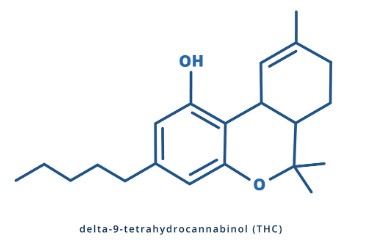
THC, or more specifically, Δ9-tetrahydrocannabinol, is a cannabinoid synthesized in the trichomes of the Cannabis plant. THC exists initially as THCA (tetrahydrocannabinolic acid) in raw cannabis. Upon heating (a process known as decarboxylation), THCA is converted to active THC.
Mechanism of Action
THC primarily exerts its effects by binding to cannabinoid receptors, especially CB1 receptors, which are abundantly located in the brain and central nervous system. This interaction mimics endocannabinoids, naturally occurring molecules such as anandamide.
- CB1 activation leads to altered neurotransmitter release (e.g., dopamine, GABA, and glutamate), producing effects such as euphoria, relaxation, altered sensory perception, increased appetite, and impaired short-term memory.
- CB2 receptors, mostly located in immune cells and peripheral tissues, also interact with THC but to a lesser psychoactive extent, contributing to anti-inflammatory and immunomodulatory effects.
Psychoactive and Therapeutic Effects
- Psychoactive effects: Euphoria, altered perception of time, heightened sensory perception, anxiety (in high doses), and short-term memory disruption.
- Therapeutic effects:
- Pain relief (neuropathic, cancer, fibromyalgia)
- Anti-nausea (especially in chemotherapy)
- Appetite stimulation (for cachexia, HIV/AIDS)
- Muscle spasticity relief (notably in multiple sclerosis)
2. Cannabidiol (CBD): The Non-Intoxicating Medicinal Cannabinoid
Chemical Properties
CBD is the second most abundant cannabinoid in marijuana and is non-psychoactive, meaning it does not produce a “high.” It is derived from CBDA (cannabidiolic acid) and also undergoes decarboxylation when heated.
Mechanism of Action
CBD has a modest affinity for CB1 and CB2 receptors in contrast to THC, Instead, it works by:
- Modulating the endocannabinoid system (ECS) indirectly (e.g., inhibiting the breakdown of anandamide).
- Interacting with non-cannabinoid receptors, such as:
- 5-HT1A (serotonin) receptors: Antidepressant and anxiolytic effects
- TRPV1 receptors: Anti-inflammatory and analgesic effects
- PPARγ receptors: Involved in neuroprotection and metabolic regulation
Medicinal Applications
- Epilepsy: Particularly effective in Dravet syndrome and Lennox-Gastaut syndrome (FDA-approved as Epidiolex).
- Anxiety and PTSD
- Inflammation and pain
- Neurodegenerative conditions: Alzheimer’s, Parkinson’s, and multiple sclerosis
- Antipsychotic effects: May counteract THC-induced psychosis
CBD also attenuates the negative effects of THC, such as paranoia or anxiety, and may synergize with THC for therapeutic purposes.
3. Other Notable Cannabinoids
Cannabinol (CBN)
- A degradation product of THC (formed through oxidation).
- Mildly psychoactive, less potent than THC.
- Known for sedative and sleep-promoting effects.
- Investigated for anti-inflammatory, antibacterial, and neuroprotective properties.
Cannabigerol (CBG)
- Often referred to as the “mother cannabinoid” because it is a precursor to THCA, CBDA, and CBCA.
- Non-psychoactive.
- Interacts with both CB1 and CB2 receptors weakly.
- Potential benefits: anti-inflammatory, glaucoma treatment, IBD, and antibacterial action against MRSA.
Cannabichromene (CBC)
- Non-psychoactive.
- Binds to TRPV1 and TRPA1 receptors.
- Works synergistically with THC and CBD for analgesia, anti-inflammatory, and mood-elevating effects.
4. Terpenes: Aromatic Compounds with Therapeutic Roles
Terpenes are volatile compounds responsible for cannabis’s smell and flavor. They also contribute to the “entourage effect”—a proposed mechanism where cannabinoids and terpenes synergize to enhance therapeutic efficacy.
Common Terpenes in Marijuana:
| Terpene | Aroma | Effects | Medicinal Use |
|---|---|---|---|
| Myrcene | Earthy, musky | Sedative, muscle relaxant | Pain, insomnia |
| Limonene | Citrus | Uplifting, antidepressant | Anxiety, mood enhancement |
| Pinene | Pine | Alertness, memory retention | Asthma, inflammation |
| Linalool | Floral | Calming, sedative | Anxiety, epilepsy |
| Caryophyllene | Peppery | Anti-inflammatory | Arthritis, gut health |
Terpenes do not interact directly with CB1/CB2 receptors but influence neurotransmission, enzyme activity, and receptor modulation indirectly.
5. Flavonoids and Other Compounds
Flavonoids in cannabis, such as cannflavin A and B, contribute to anti-inflammatory and antioxidant properties. While present in smaller amounts, these polyphenolic compounds may enhance the medical value of cannabis, especially in neurodegenerative diseases and oxidative stress.
6. Pharmacokinetics and Bioavailability
Routes of Administration
- Inhalation (smoking/vaping): Rapid onset (within minutes), short duration (2–4 hours), bioavailability ~10–35%.
- Oral ingestion (edibles/oils): Slower onset (30–90 minutes), longer duration (6–8+ hours), bioavailability ~6–15%.
- Sublingual: Moderate onset and bioavailability.
- Topical: Localized effects; minimal systemic absorption.
Metabolism
- THC is metabolized by liver enzymes (CYP2C9, CYP3A4) into active and inactive metabolites (e.g., 11-OH-THC and THC-COOH).
- CBD is metabolized similarly and may inhibit CYP enzymes, potentially affecting the metabolism of other drugs.
7. Safety, Tolerance, and Dependence
- Tolerance develops with regular THC use due to downregulation of CB1 receptors.
- Dependence can occur in ~9% of users, rising with early onset and heavy use.
- Adverse effects of THC include:
- Impaired memory and coordination
- Increased anxiety or paranoia
- Psychotic reactions (especially in high doses or in predisposed individuals)
- Cardiovascular effects (e.g., tachycardia)
- CBD is generally well-tolerated, with minor side effects like fatigue or diarrhea at high doses.
8. The Entourage Effect
The concept of the entourage effect suggests that whole-plant cannabis extracts, which retain a full spectrum of cannabinoids and terpenes, may offer superior therapeutic outcomes compared to isolated THC or CBD. This synergy is supported in conditions like epilepsy, chronic pain, and anxiety, although more clinical research is needed.
Conclusion
While THC is the primary active ingredient in marijuana and responsible for its psychoactive effects, the plant’s therapeutic complexity arises from the interplay of numerous cannabinoids and terpenes. Compounds like CBD, CBN, CBG, and terpenes not only contribute their own therapeutic benefits but also modulate the actions of THC. As research advances, there is growing emphasis on whole-plant medicine and individualized cannabinoid profiles for treating a wide range of medical conditions. Understanding the pharmacology of marijuana’s active ingredients is essential for maximizing its benefits while minimizing risks.
