Table of Contents
What Is Synthetic Marijuana ?
Synthetic marijuana, also known as synthetic cannabinoids, includes a range of man-made chemicals designed to mimic the psychoactive effects of THC (delta-9-tetrahydrocannabinol), the main compound in natural cannabis. Popular street names include K2, Spice, Black Mamba, and No More Mr. Nice Guy.
Composition and Mechanism of Action
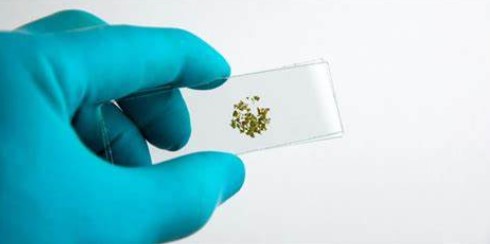
Synthetic cannabinoids are typically sprayed onto dried plant matter to be smoked or sold as liquids for e-cigarettes and vaporizers. These compounds bind to the same CB1 and CB2 receptors in the brain as THC but often do so with greater potency and full agonist activity, increasing the risk of severe adverse effects.
Chemical structures frequently change to evade legal restrictions, making product content unpredictable and often dangerous.

Short-Term Effects
Use can result in:
- Euphoria or altered perception (similar to cannabis)
- Rapid heart rate, elevated blood pressure
- Anxiety, paranoia, hallucinations
- Nausea, vomiting, and seizures
- Acute psychosis and violent behavior
- In extreme cases: kidney damage, heart attacks, or death
Long-Term Risks
Chronic use may lead to:
- Addiction and withdrawal symptoms (irritability, insomnia)
- Cognitive impairments and memory loss
- Psychiatric disorders, including long-term psychosis and depression
Legal and Health Concerns

Many synthetic cannabinoids are now classified as Schedule I controlled substances in the U.S. and are banned in numerous countries. Despite this, underground production continues, often targeting populations seeking to avoid drug tests, since many synthetic cannabinoids are not detected by standard screening.
Conclusion
While marketed as a “legal high,” synthetic marijuana poses significant health risks. Its unregulated composition, potent psychoactive effects, and association with medical emergencies make it far more dangerous than natural cannabis. Public health officials strongly warn against its use.
