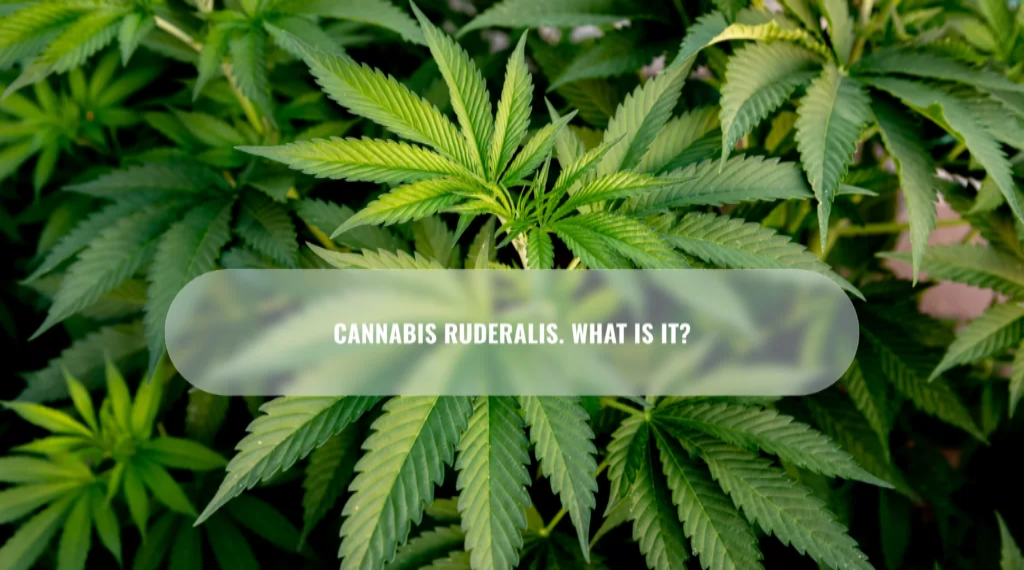
What is Ruderalis?
Ruderalis is one of the three primary subspecies of the cannabis plant, alongside Cannabis sativa and Cannabis indica. It’s native to regions with harsh climates in Central Asia, Eastern Europe, and Russia. Ruderalis plants are smaller and harder compared to their Sativa and Indica counterparts. They have a short stature, wide leaflets, and typically contain lower levels of THC (tetrahydrocannabinol) compared to Sativa and Indica strains. However, they are valued for their autoflowering trait, which means they flower based on age rather than light cycle, making them popular for breeding with other cannabis varieties to create hybrids with unique characteristics.
Detailed comparison of these three subspecies:
Cannabis is a highly diverse plant species with various subspecies, but three primary ones are widely recognized: Cannabis sativa, Cannabis indica, and Cannabis ruderalis.
Cannabis Sativa:
- Appearance:
- Cannabis Sativa plants are characterized by their tall and slender stature. They typically grow much taller than Indica plants, reaching heights of up to 12 feet or more when cultivated outdoors.
- The leaves of Cannabis Sativa are long and narrow, with thin leaflets. They are usually a lighter shade of green compared to Indica leaves.
- Geographic Origin:
- Cannabis Sativa is believed to have originated in regions near the equator, such as Southeast Asia, Africa, and Central America.
- Sativa strains have adapted to thrive in warm climates with long growing seasons and ample sunlight.
- Cannabinoid Profile:
- Sativa strains typically have higher quantities of THC (tetrahydrocannabinol), the psychoactive chemical that causes the “high” associated with cannabis use.
- However, the cannabinoid profile can vary widely among Sativa strains, and some may contain significant levels of CBD (cannabidiol) as well.
- Sativa strains are known for producing a more cerebral and uplifting effect, which can lead to feelings of euphoria, creativity, and energy.
- Effects:
- Sativa strains are commonly associated with daytime use due to their stimulating and energizing effects.
- Users often report feeling more alert, focused, and creative after consuming Sativa strains, making them suitable for activities that require mental clarity and productivity.
- Sativa strains may also have mood-enhancing effects and can be used to alleviate symptoms of depression, anxiety, and stress.
- Common Uses:
- Cannabis Sativa has been used for various medicinal, recreational, and industrial purposes throughout history.
- Medicinally, Sativa strains may be used to alleviate symptoms of conditions such as depression, chronic fatigue, ADHD, and certain types of pain.
- Recreational users may enjoy Sativa strains for their uplifting and euphoric effects, which can enhance social experiences and creative pursuits.
- Industrially, Cannabis Sativa is valued for its fibrous stalks and seeds, which can be used to produce a wide range of products, including textiles, paper, food, and biofuels.
Overall, Cannabis Sativa is prized for its tall stature, stimulating effects, and diverse range of uses, making it a popular choice among cannabis enthusiasts and cultivators alike.
Cannabis Indica:
- Appearance:
- Cannabis Indica plants are typically shorter and bushier compared to Sativa plants, with a more compact and dense structure.
- The leaves of Cannabis Indica are broader and darker in color compared to Sativa, with short, wide leaflets.
- Geographic Origin:
- Cannabis Indica is believed to have originated in the mountainous regions of Central Asia, including countries such as Afghanistan, Pakistan, and Nepal.
- Indica strains have adapted to thrive in cooler climates with shorter growing seasons and less sunlight.
- Cannabinoid Profile:
- Indica strains often have higher levels of CBD (cannabidiol) relative to THC (tetrahydrocannabinol), the psychoactive compound responsible for the “high” associated with cannabis use.
- However, the cannabinoid profile can vary widely among Indica strains, and some may still contain significant levels of THC.
- Indica strains are known for producing a more sedating and relaxing effect on both the body and mind.
- Effects:
- Indica strains are commonly associated with nighttime use due to their calming and soporific effects.
- Users often report feeling physically relaxed, drowsy, and even “couch-locked” after consuming Indica strains, making them suitable for unwinding and promoting sleep.
- Indica strains may also have analgesic and muscle-relaxing properties, making them useful for managing pain, muscle spasms, and inflammation.
- Common Uses:
- Medicinally, Indica strains may be used to alleviate symptoms of conditions such as insomnia, anxiety, chronic pain, and muscle spasms.
- Recreational users may enjoy Indica strains for their calming and stress-relieving effects, which can help promote relaxation and tranquility.
- Since indica strains can promote profound relaxation and ease into sleep, they are frequently chosen for use in the evening or at night.
- Terpene Profile:
- Indica strains often have a distinct terpene profile, with higher levels of certain terpenes such as myrcene, which is associated with sedative effects.
- The terpene profile of Indica strains contributes to their characteristic aroma and flavor, which may include earthy, musky, and spicy notes.
Overall, Cannabis Indica is prized for its relaxing effects, medicinal properties, and ability to promote sleep and relaxation, making it a popular choice among cannabis users seeking relief from stress, pain, and insomnia.
Cannabis Ruderalis:
- Appearance:
- Cannabis Ruderalis plants are typically smaller and more compact compared to Sativa and Indica plants, with a short stature and bushy appearance.
- The leaves of Cannabis Ruderalis are similar to Indica, being broader and darker in color, though they may exhibit some variation.
- Geographic Origin:
- Cannabis Ruderalis is native to regions with harsh climates in Central Asia, Eastern Europe, and Russia.
- Ruderalis strains have adapted to thrive in environments with short growing seasons, cold temperatures, and limited sunlight.
- Cannabinoid Profile:
- Ruderalis strains typically have lower levels of THC (tetrahydrocannabinol), the psychoactive compound responsible for the “high” associated with cannabis use, compared to Sativa and Indica strains.
- However, the cannabinoid profile of Ruderalis can vary, and some strains may contain moderate levels of THC and CBD (cannabidiol).
- Autoflowering Trait:
- One of the most distinctive traits of Cannabis Ruderalis is its autoflowering characteristic.
- Unlike Sativa and Indica strains, which rely on changes in light cycle (photoperiod) to trigger flowering, Ruderalis plants flower based on age.
- This autoflowering trait allows Ruderalis plants to complete their life cycle in a relatively short period, making them well-suited for cultivation in environments with limited daylight.
- Uses:
- While Cannabis Ruderalis is not commonly cultivated for its psychoactive effects due to its lower THC content, it is highly valued for its autoflowering genetics.
- Ruderalis strains are often used in breeding programs to introduce autoflowering traits into other cannabis varieties, including Sativa and Indica hybrids.
- By crossing Ruderalis with Sativa or Indica strains, breeders can create hybrids that combine the desirable traits of both parent plants, such as high potency, diverse flavors, and autoflowering capability.
- Adaptability:
- Cannabis Ruderalis is known for its resilience and adaptability to harsh environmental conditions.
- The ability of Ruderalis plants to flower based on age rather than photoperiod allows them to thrive in a wide range of climates and growing conditions.
- This adaptability makes Ruderalis genetics valuable for cannabis breeders seeking to develop strains that can withstand diverse environmental challenges.
Overall, while Cannabis Ruderalis may not be as well-known or widely cultivated as Sativa and Indica, its autoflowering trait and resilience make it a valuable resource for cannabis breeding and cultivation, contributing to the development of new and innovative cannabis varieties.
Conclusion
In conclusion, Cannabis Sativa, Cannabis Indica, and Cannabis Ruderalis represent three primary subspecies of the cannabis plant, each with its own distinct characteristics and traits. Here’s a summary of their key differences:
- Cannabis Sativa:
- Tall and slender plants with narrow, light-colored leaves.
- Native to regions near the equator, such as Southeast Asia, Africa, and Central America.
- Typically higher in THC and associated with uplifting, cerebral effects.
- Commonly used for daytime activities, promoting creativity, focus, and sociability.
- Cannabis Indica:
- Shorter and bushier plants with broad, dark-colored leaves.
- Originated in mountainous regions of Central Asia, including Afghanistan, Pakistan, and Nepal.
- Often higher in CBD and known for its sedating, relaxing effects on both body and mind.
- Preferred for nighttime use, aiding in relaxation, pain relief, and sleep.
- Cannabis Ruderalis:
- Smaller and stockier plants with wide leaflets.
- Indigenous to harsh climates in Central Asia, Eastern Europe, and Russia.
- Typically lower in THC and valued for its autoflowering trait, flowering based on age rather than light cycle.
- Primarily used in breeding programs to introduce autoflowering genetics into other cannabis varieties.
In addition to these differences, each subspecies has unique adaptability to environmental conditions, making them suitable for various growing environments and cultivation practices. While Sativa and Indica are more widely known for their psychoactive and medicinal properties, respectively, Ruderalis contributes to the genetic diversity of cannabis and plays a crucial role in breeding new hybrid strains with desirable traits.
Overall, understanding the distinctions between Cannabis Sativa, Cannabis Indica, and Cannabis Ruderalis is essential for cultivators, breeders, and consumers alike, as it allows for informed decision-making regarding strain selection, cultivation methods, and therapeutic applications.
