
What is NANO THC?
Introduction to NANO THC
Nano THC is a relatively new innovation in the realm of cannabis and cannabinoid-based medicine, representing a significant advancement in the delivery methods of tetrahydrocannabinol (THC), the primary psychoactive component of cannabis. As the name suggests, Nano THC refers to THC that has been broken down into nanoparticles, typically on the scale of one-billionth of a meter. This nanoparticle form of THC allows for enhanced absorption, bioavailability, and precision in medical treatments, which makes it a powerful tool in the medical use of cannabis.
In this comprehensive analysis, we will explore the concept of Nano THC, how it is developed, its benefits over traditional THC formulations, and its wide range of potential medical applications. Emphasis will be placed on its therapeutic benefits, particularly in the management of chronic pain, anxiety, inflammation, and other medical conditions, while excluding any discussion of its recreational uses or consumption methods.
Understanding Nano THC: The Science Behind Nanotechnology
Nanotechnology in Medicine
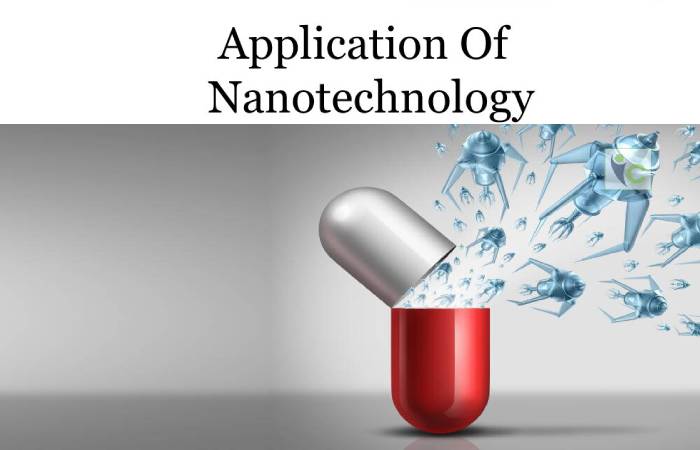
Nanotechnology is the science of manipulating materials on an atomic or molecular scale, especially to build microscopic devices (nanoscale particles) or complex systems with novel properties. In medicine, nanotechnology has opened new avenues for drug delivery, diagnostics, and therapeutic solutions. The key advantage of nanotechnology is its ability to alter the pharmacokinetics and pharmacodynamics of drugs, improving their efficacy and safety profiles.
The Concept of Nano THC
Nano THC involves the application of nanotechnology to THC, the most well-known and studied cannabinoid. Traditional THC molecules are relatively large and hydrophobic (not soluble in water), which limits their absorption and bioavailability when ingested or applied in traditional forms. By dissolving THC into nanoparticles, which are usually between one and one hundred nanometers in size, nano THC is produced. These nanoparticles are then encapsulated or stabilized using various techniques, allowing them to be more easily absorbed by the body’s tissues.
Benefits of Nanoparticle THC Over Traditional THC
- Increased Bioavailability: One of the most significant advantages of Nano THC is its increased bioavailability. Traditional THC has a bioavailability of approximately 4-20% when ingested orally, meaning only a small fraction of the consumed THC actually enters the bloodstream and exerts its effects. Nano THC, on the other hand, can have bioavailability rates upwards of 50% or more, leading to a more potent and efficient therapeutic response.
- Faster Onset of Action: The body may absorb nano THC more quickly, which causes the therapeutic effects to start working sooner. This rapid absorption is particularly beneficial in treating acute symptoms such as pain, anxiety attacks, or nausea.
- Targeted Delivery: Nanoparticles can be engineered to target specific tissues or organs, enhancing the therapeutic effects of THC where it is most needed. For example, Nano THC can be designed to cross the blood-brain barrier more effectively, making it particularly useful in the treatment of neurological conditions.
- Lower Dosages Required: Because of its increased bioavailability and targeted delivery, lower doses of Nano THC are often required to achieve the same therapeutic effects as traditional THC. This reduction in dosage can minimize the risk of side effects and improve patient compliance.
- Enhanced Stability: Nano THC formulations tend to be more stable than traditional THC, which can degrade over time due to exposure to light, air, or heat. The stability of Nano THC ensures that its therapeutic properties are preserved for longer periods, making it a more reliable option for medical use.
Medical Applications of Nano THC
Nano THC’s enhanced bioavailability, faster onset, and targeted delivery make it a promising candidate for a wide range of medical applications. Below, we delve into some of the most significant therapeutic uses of Nano THC, exploring its potential to transform the treatment of various conditions.
1. Chronic Pain Management
Mechanism of Action
THC is well-known for its analgesic properties, primarily due to its interaction with the endocannabinoid system (ECS). The ECS plays a crucial role in modulating pain, and THC acts as an agonist for cannabinoid receptors (CB1 and CB2) found throughout the nervous system and immune system. By binding to these receptors, THC can reduce the perception of pain, decrease inflammation, and enhance the release of natural pain-relieving compounds such as endorphins.
Advantages of Nano THC in Pain Management
Nano THC’s increased bioavailability and rapid absorption make it an excellent option for managing chronic pain conditions, such as arthritis, fibromyalgia, and neuropathic pain. Patients can experience faster relief with lower doses, reducing the risk of side effects such as dizziness or cognitive impairment that are sometimes associated with higher doses of traditional THC.
Clinical Evidence
Several studies have shown the effectiveness of Nano THC in pain management. For example, research involving patients with chronic neuropathic pain demonstrated that Nano THC formulations provided significant pain relief with a quicker onset compared to conventional THC products. This rapid relief is crucial for patients who experience sudden flare-ups of pain that require immediate intervention.
2. Anxiety and Post-Traumatic Stress Disorder (PTSD)
Mechanism of Action
THC has a complex relationship with anxiety, and its effects can vary depending on the dose and individual response. At low doses, THC has been shown to reduce anxiety by interacting with the ECS to promote the release of neurotransmitters like serotonin and dopamine. These neurotransmitters play a key role in regulating mood and stress responses.
Advantages of Nano THC in Anxiety Management
Nano THC allows for precise dosing, which is particularly important in managing anxiety and PTSD. With traditional THC, the risk of overconsumption can lead to heightened anxiety or paranoia in some individuals. However, the controlled delivery and lower dosage requirements of Nano THC minimize this risk, providing a more predictable and consistent anxiolytic effect.
Clinical Evidence
Studies have indicated that Nano THC can effectively reduce symptoms of anxiety and PTSD in patients who are resistant to conventional treatments. For instance, a clinical trial involving veterans with PTSD found that Nano THC significantly reduced symptoms such as hypervigilance, nightmares, and overall anxiety levels, leading to improved quality of life and better sleep patterns.
3. Inflammation and Autoimmune Disorders
Mechanism of Action
Inflammation is a natural immune response, but chronic inflammation can lead to various health problems, including autoimmune disorders such as rheumatoid arthritis, Crohn’s disease, and multiple sclerosis. THC has anti-inflammatory properties due to its ability to suppress cytokine production and inhibit the activation of immune cells that contribute to inflammation.
Advantages of Nano THC in Treating Inflammation
The enhanced bioavailability of Nano THC allows it to exert more potent anti-inflammatory effects at lower doses, reducing the risk of side effects often associated with higher doses of traditional THC. Additionally, the targeted delivery capabilities of Nano THC can direct the anti-inflammatory effects to specific tissues, such as joints or the gastrointestinal tract, providing more effective relief for conditions like arthritis or inflammatory bowel disease.
Clinical Evidence
In preclinical studies, Nano THC has demonstrated superior efficacy in reducing inflammation compared to traditional THC formulations. Animal models of autoimmune diseases treated with Nano THC showed significant reductions in inflammatory markers and slower progression of disease symptoms. Clinical trials are currently underway to evaluate the long-term benefits of Nano THC in managing chronic inflammatory conditions in humans.
4. Neurodegenerative Diseases
Mechanism of Action
Progressive neuronal death and cognitive decline are hallmarks of neurodegenerative illnesses like Alzheimer’s, Parkinson’s, and Huntington’s. THC has neuroprotective properties, largely due to its antioxidant activity and ability to modulate neurotransmitter release. By interacting with the ECS, THC can help preserve neuronal function and slow the progression of neurodegeneration.
Advantages of Nano THC in Neuroprotection
Nano THC’s ability to cross the blood-brain barrier more efficiently makes it an ideal candidate for treating neurodegenerative diseases. The increased bioavailability ensures that more THC reaches the brain, where it can exert its neuroprotective effects. Additionally, the precision of Nano THC delivery minimizes the potential for side effects that might interfere with cognitive function, which is a significant concern in patients with neurodegenerative disorders.
Clinical Evidence
Early-stage clinical trials have shown promising results for the use of Nano THC in treating Alzheimer’s disease. Patients treated with Nano THC formulations experienced slower cognitive decline and improved behavioral symptoms compared to those receiving placebo or traditional THC products. These findings suggest that Nano THC could play a crucial role in managing neurodegenerative diseases, potentially delaying the need for more invasive treatments.
5. Cancer Treatment and Palliative Care
Mechanism of Action
THC has been investigated for its anti-cancer effects; studies show that it can cause tumor growth inhibition, decrease metastasis, and cause cancer cells to undergo apoptosis (programmed cell death). Additionally, THC is effective in alleviating the side effects of cancer treatments, such as chemotherapy-induced nausea, pain, and appetite loss.
Advantages of Nano THC in Oncology
Nano THC’s targeted delivery can enhance its anti-cancer effects by concentrating its action directly on tumor cells while minimizing exposure to healthy tissues. This precision reduces the risk of adverse effects and enhances the overall safety profile of THC in cancer treatment. Moreover, the faster onset of action provided by Nano THC can offer more immediate relief from the debilitating side effects of cancer therapies, improving patient quality of life.
Clinical Evidence
Clinical studies have explored the use of Nano THC as an adjunct therapy in cancer treatment, with encouraging results. In one study, patients with glioblastoma, an aggressive form of brain cancer, who received Nano THC in combination with standard treatment experienced longer survival times and reduced tumor progression compared to those who did not receive Nano THC. Furthermore, patients undergoing chemotherapy reported significant improvements in nausea control, pain management, and appetite when treated with Nano THC.
Potential Challenges and Considerations
While the medical applications of Nano THC are promising, there are several challenges and considerations that must be addressed to ensure its safe and effective use in clinical settings.
1. Regulatory and Safety Concerns
The development and approval of Nano THC-based therapies must adhere to stringent regulatory standards to ensure patient safety. Given the novelty of nanotechnology in medicine, there is a need for comprehensive safety studies to evaluate the long-term effects of Nano THC, particularly with respect to its interaction with other medications and its impact on vulnerable populations, such as pregnant women and individuals with compromised immune systems.
2. Standardization and Dosing
The standardization of dosage and formulations presents one of the main obstacles to the medical application of nano-THC. The enhanced potency and bioavailability of Nano THC require precise dosing to avoid unintended psychoactive effects or adverse reactions. Medical professionals must be trained in the appropriate use of Nano THC and be provided with clear guidelines for its administration to ensure optimal therapeutic outcomes.
3. Patient Education and Accessibility
The introduction of Nano THC into clinical practice will require patient education to ensure that individuals understand the benefits, risks, and appropriate use of this novel therapy. Additionally, efforts must be made to ensure that Nano THC is accessible to patients who can benefit from it, particularly those in underserved communities or regions where access to advanced medical treatments is limited.
Restrictions on Using Cannabis in the Medical Field as a Last Resort

Despite the potential benefits of Nano THC, its use in the medical field is subject to significant restrictions, particularly concerning its role as a “last resort” treatment. These restrictions stem from the need to balance the therapeutic benefits of THC with the potential risks, especially its psychoactive effects.
1. Regulatory Framework
In many jurisdictions, medical cannabis, including Nano THC, is only prescribed when conventional treatments have failed. This “last resort” approach is often codified in law or medical guidelines, reflecting the cautious stance that many health authorities take regarding cannabis use. The primary concern is the psychoactive nature of THC, which can impair cognitive and motor functions, leading to safety risks for patients, particularly those who may need to drive or operate machinery.
2. Clinical Evidence Requirements
Before Nano THC can be prescribed as a last resort, there often needs to be substantial clinical evidence supporting its efficacy and safety for the specific condition. This requirement can be a barrier to its use, as the clinical research on Nano THC is still in its early stages compared to traditional THC formulations. As a result, physicians may be reluctant to prescribe Nano THC until more robust evidence is available, further limiting its use as a first-line or even second-line treatment.
3. Patient Selection Criteria
Even when Nano THC is considered as a last resort, its use is often restricted to specific patient populations. For instance, it may only be prescribed to patients who have exhausted all other treatment options, including both pharmaceutical and non-pharmaceutical interventions. Additionally, patients may need to meet certain criteria, such as a specific diagnosis or a demonstrated history of non-response to other treatments, before being considered for Nano THC therapy.
4. Monitoring and Follow-Up
Once Nano THC is prescribed, patients are typically subject to rigorous monitoring and follow-up to assess the treatment’s effectiveness and any adverse effects. This monitoring often includes regular check-ins with healthcare providers, as well as tracking of symptoms and side effects. To make sure they are following the recommended course of action and to keep an eye on their body’s THC levels, patients may occasionally also need to submit to routine drug testing.
Monitoring THC Levels to Prevent Psychoactive Effects
One of the most significant challenges in the medical use of THC, including Nano THC, is managing its psychoactive effects. These effects, which can include euphoria, altered perception, and impaired cognitive function, can be problematic for patients, particularly those who need to maintain a clear mind for daily activities.
1. Dose Optimization
To minimize the risk of psychoactive effects, healthcare providers often start patients on the lowest effective dose of Nano THC and gradually increase it until the desired therapeutic effect is achieved. This approach, known as dose optimization, helps to reduce the likelihood of overmedication, which can lead to unwanted psychoactive effects.
In the context of Nano THC, dose optimization is particularly important due to its enhanced bioavailability. Because Nano THC is absorbed more efficiently by the body, even small doses can have a significant therapeutic effect, reducing the need for higher doses that might increase the risk of psychoactivity.
2. Regular Monitoring
Regular monitoring of THC levels in the body is essential to prevent psychoactive effects, particularly in patients who may be more sensitive to THC or who are using it in combination with other medications. This monitoring can be done through blood tests, which measure the concentration of THC and its metabolites in the bloodstream.
For patients using Nano THC, monitoring is particularly important due to its rapid onset and potent effects. Healthcare providers may need to adjust the dosing regimen based on the results of these tests to ensure that THC levels remain within a therapeutic range without causing unwanted side effects.
3. Patient Education
Educating patients about the potential risks of THC, including its psychoactive effects, is a critical component of its medical use. Patients need to understand how to use their medication safely and what to do if they experience any adverse effects. This education often includes information on the importance of sticking to the prescribed dose, avoiding activities that require full cognitive function (such as driving), and recognizing the signs of overmedication.
In the case of Nano THC, patient education is particularly important due to its potency and rapid onset. Patients need to be aware that even small deviations from the prescribed dose can lead to significant changes in how they feel, and they should be encouraged to report any concerns to their healthcare provider immediately.
4. Use of Non-Psychoactive Cannabinoids
In some cases, healthcare providers may consider using non-psychoactive cannabinoids, such as CBD (cannabidiol), in combination with Nano THC to mitigate its psychoactive effects. THC’s psychotropic side effects, like anxiety and paranoia, have been demonstrated to be countered by CBD, making it an effective addition to medicinal cannabis therapy.
For patients who require the therapeutic benefits of THC but are at risk of experiencing unwanted psychoactive effects, a combination of Nano THC and CBD may offer a balanced approach. This combination can provide the benefits of THC, such as pain relief or anti-inflammatory effects, while minimizing the risk of cognitive impairment or other side effects.
Conclusion
Nano THC represents a significant advancement in the medical use of cannabis, offering enhanced bioavailability, faster onset of action, and more precise dosing. These characteristics make it particularly useful in managing conditions that require rapid and consistent relief, such as chronic pain, neurological disorders, cancer treatment support, anxiety, PTSD, and sleep disorders.
However, the use of Nano THC in the medical field is subject to significant restrictions, particularly when it is considered a last-resort treatment. These restrictions are designed to ensure that THC is used safely and effectively, minimizing the risk of psychoactive effects and other adverse outcomes. Regular monitoring of THC levels, patient education, and the use of non-psychoactive cannabinoids like CBD are critical components of a safe and effective Nano THC therapy regimen.
As research on Nano THC continues to evolve, it is likely that its role in the medical field will expand, offering new options for patients who have not found relief with traditional treatments. However, healthcare providers must remain vigilant in monitoring and managing the potential risks associated with THC, ensuring that its use in medical practice is both safe and effective.
