What is Mildew and How to Combat It?
Introduction
Mildew is a common fungal problem that affects various surfaces, including plants, buildings, and household items. It is often confused with mold but has distinct characteristics and requires specific measures for effective management. This detailed guide explores what mildew is, the different types, the conditions that promote its growth, and comprehensive strategies for combating it.
Understanding Mildew
Definition and Characteristics
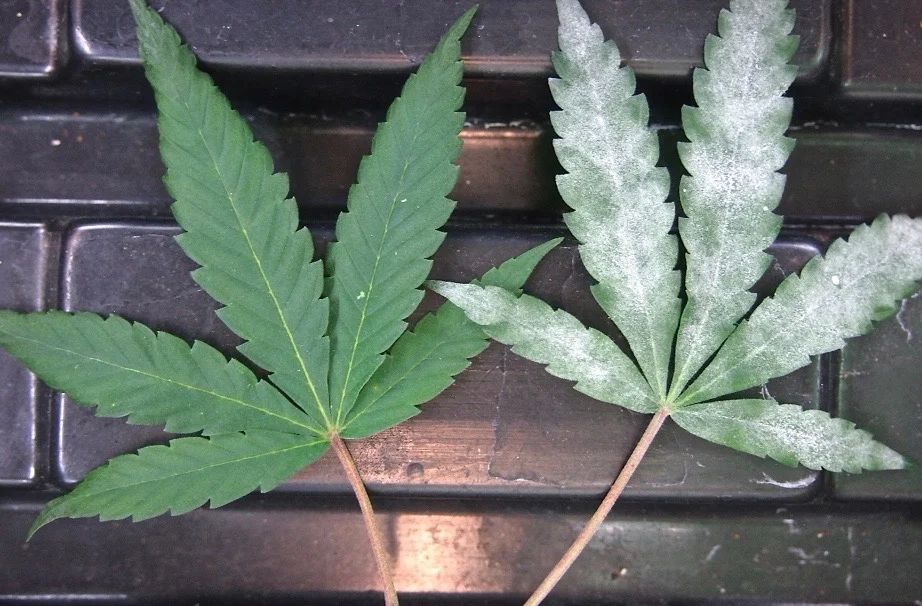
Mildew is a type of fungus that manifests as a thin, superficial layer on various surfaces, typically appearing white, gray, or yellowish in color. It differs from mold, which tends to be darker and penetrates deeper into the affected material. Mildew thrives in environments that are warm, damp, and poorly ventilated, making it a common problem in areas such as bathrooms, kitchens, basements, and on outdoor plants.
Mildew, while often discussed interchangeably with mold, presents distinct characteristics:
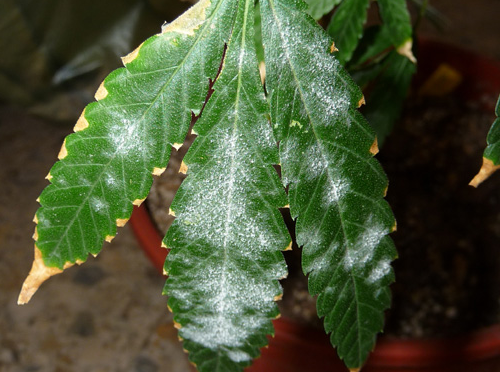
- Appearance: Mildew typically appears as a powdery or downy surface growth. It can be white, yellow, or gray, depending on the type and stage of growth.
- Texture: It usually forms a thin layer that can be easily wiped off surfaces.
- Growth Pattern: Mildew tends to grow in flat, circular patterns, unlike mold, which can form irregular, fuzzy patches.
Types of Mildew
There are primarily two types of mildew: powdery mildew and downy mildew.
- Powdery Mildew:
- Appearance: Appears as white or gray powdery spots on the leaves, stems, and buds of plants.
- Conditions: Thrives in dry, warm conditions but requires high humidity for spore germination.
- Host Plants: Affects a wide range of plants, including vegetables (e.g., cucumbers, squash), ornamentals (e.g., roses, zinnias), and trees (e.g., oaks, maples).
2. Downy Mildew:
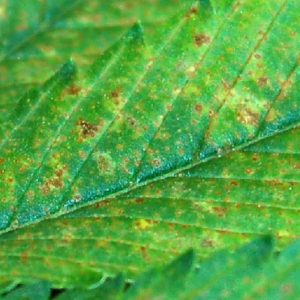
- Appearance: Manifests as yellow or white patches on the underside of leaves, often with a corresponding yellowish spot on the upper surface.
- Conditions: Prefers cool, moist conditions and can thrive in conditions of high humidity and wet foliage.
- Host Plants: Commonly affects plants in the Brassicaceae family (e.g., broccoli, cabbage), as well as grapes, lettuce, and impatiens.
Conditions Favoring Mildew Growth
Mildew thrives under specific environmental conditions, which include:
- Humidity: High humidity levels (above 60%) provide the moisture necessary for mildew spores to germinate and grow. Indoor spaces with poor ventilation, such as bathrooms and basements, are particularly susceptible.
- Temperature: Mildew prefers warm temperatures, typically between 60-80°F (15-27°C). However, different types of mildew can have varying temperature preferences.
- Poor Air Circulation: Environments with stagnant air allow moisture to accumulate on surfaces, creating an ideal habitat for mildew growth. Plants with dense foliage or indoor spaces with limited airflow are at higher risk.
- Shade: Areas that receive limited direct sunlight tend to retain moisture longer, promoting mildew growth. This is why mildew is often found on the shady sides of buildings or under the canopy of dense plantings.
- Moisture: Persistent moisture from leaks, condensation, or poor drainage can lead to mildew development on surfaces like walls, ceilings, and fabrics.
The Impact of Mildew
Mildew can have a range of detrimental effects on both plants and various surfaces in buildings and homes. It is essential to comprehend these effects in order to manage and prevent problems effectively.
On Plants
Mildew can severely affect the health and productivity of plants. Here are the key impacts:
Reduced Photosynthesis
Mildew on leaves creates a barrier that blocks sunlight from reaching the leaf surface. This hampers the plant’s ability to perform photosynthesis, which is the process by which plants convert light energy into chemical energy to fuel their growth. Reduced photosynthesis leads to lower energy production, which in turn affects overall plant health and vigor.
Stunted Growth
Infected plants often exhibit stunted growth. The energy and nutrients that the plant would normally use for growth and development are instead redirected to combating the fungal infection. This can result in smaller leaves, shorter stems, and overall reduced biomass.
Decreased Yield
For crops, mildew can cause a significant decrease in yield. Fruits, vegetables, and flowers may not develop properly, and those that do can be of lower quality. In severe cases, the infected parts of the plant may die off, leading to a loss of potential harvest. This can be particularly devastating for commercial growers, resulting in economic losses.
Cosmetic Damage
Mildew often causes discoloration and deformation of plant tissues. This cosmetic damage can make fruits and vegetables unappealing and unmarketable, even if they are still safe to eat. Ornamental plants and flowers can also lose their aesthetic value, which is important for both commercial and home gardeners.
Increased Susceptibility
Plants weakened by mildew are more vulnerable to other diseases and pest infestations. The compromised plant tissues provide easier entry points for other pathogens and pests, which can lead to further health issues and complicate management efforts.
On Buildings and Household Items
Mildew can also cause significant problems in buildings and on household items. Here are the main impacts:
Structural Damage
Mildew growth on building materials such as wood, drywall, and plaster can lead to structural damage over time. While mildew itself does not cause the same level of decay as some other fungi, its presence indicates moisture problems that can lead to more serious issues like rot and mold infestation. Persistent moisture and mildew can weaken these materials, leading to deterioration and potentially costly repairs.
Health Issues
Mildew spores can become airborne and inhaled, causing respiratory problems, allergic reactions, and aggravating conditions like asthma. Symptoms can include coughing, sneezing, nasal congestion, throat irritation, and eye irritation. Long-term exposure to mildew in indoor environments can lead to chronic health problems, particularly in sensitive individuals such as children, the elderly, and those with preexisting respiratory conditions.
Aesthetic Damage
Mildew leaves unsightly stains and discoloration on surfaces. This can affect the appearance of walls, ceilings, furniture, fabrics, and other household items. Mildew stains are often difficult to remove completely, and they can leave behind a persistent musty odor that is unpleasant and difficult to eradicate.
Damage to Fabrics and Paper
Mildew can grow on fabrics and paper, leading to staining, deterioration, and weakening of these materials. Books, documents, clothing, upholstery, and carpets can all be affected. This can result in the loss of valuable or sentimental items and may require extensive cleaning or replacement efforts.
Reduced Property Value
Homes and buildings with visible mildew problems can suffer a decrease in property value. Potential buyers may be deterred by the presence of mildew, viewing it as a sign of poor maintenance or underlying moisture issues. This can make it more difficult to sell or rent properties and may necessitate costly remediation efforts to restore the property’s condition.
Economic Costs
The economic impact of mildew can be significant for both individuals and businesses. For homeowners, the costs associated with cleaning, repairing, and replacing mildew-damaged items can add up quickly. For farmers and commercial growers, mildew outbreaks can lead to substantial financial losses due to decreased yields, lower quality produce, and increased management costs. In addition, businesses that deal with mildew problems in their facilities may face operational disruptions, loss of inventory, and potential health-related liabilities.
Preventing Mildew
Preventing mildew involves a proactive approach to create an environment that is inhospitable to its growth. This requires a combination of environmental controls, cultural practices, and, when necessary, chemical treatments. Effective prevention can significantly reduce the likelihood of mildew outbreaks, thereby protecting plants, buildings, and household items.
Environmental Controls
- Humidity Control:
- Use Dehumidifiers and Air Conditioners: In indoor environments, maintaining humidity levels below 60% is crucial. Dehumidifiers and air conditioners can help achieve this by removing excess moisture from the air.
- Proper Ventilation: Ensure that areas prone to moisture, such as bathrooms, kitchens, and basements, are well-ventilated. Install exhaust fans to remove moisture-laden air and reduce humidity levels. In greenhouses, use vents and fans to promote air circulation and control humidity.
- Ventilation:
- Improve Air Circulation: Good air circulation helps reduce humidity and prevents moisture from settling on surfaces. Use fans, open windows, and avoid overcrowded plantings to promote airflow.
- Design and Layout: In agricultural and garden settings, ensure that plants are spaced adequately to allow for air movement. Avoid dense clusters that can trap moisture and create favorable conditions for mildew growth.
- Sunlight Exposure:
- Increase Sunlight: Mildew thrives in shaded, damp areas. Increase sunlight exposure to vulnerable areas by trimming plants and using reflective surfaces to direct light. For indoor plants, consider using artificial grow lights to provide adequate light and reduce humidity.
- Moisture Management:
- Address Leaks and Condensation: Fix any leaks in roofs, walls, or plumbing to prevent moisture buildup. Insulate pipes to prevent condensation and ensure proper drainage around buildings to avoid water accumulation.
- Use Moisture Barriers: In basements and other areas prone to dampness, use moisture barriers and sealants to prevent water ingress.
Cultural Practices
- Proper Watering:
- Water Early in the Day: Water plants early in the morning to allow leaves to dry out during the day. This reduces the time that foliage remains wet, lowering the risk of mildew development.
- Avoid Overhead Watering: Use drip irrigation or soaker hoses to deliver water directly to the soil, minimizing wet foliage. This is particularly important for plants prone to powdery mildew.
- Plant Spacing:
- Adequate Spacing: Space plants adequately to promote air circulation and reduce humidity levels around the foliage. This helps dry out the leaves more quickly after rain or watering.
- Pruning and Thinning: Regularly prune and thin plants to maintain an open structure and enhance airflow. Remove any dense or crowded branches and foliage.
- Sanitation:
- Remove Infected Material: Promptly remove and destroy any infected plant material to prevent the spread of mildew spores. Clean up fallen leaves and debris from around plants.
- Disinfect Tools and Containers: Regularly clean and disinfect gardening tools, pots, and containers to prevent the transfer of mildew spores. Employ commercial disinfectants or a bleach-and-water mixture.
Chemical Controls
- Fungicides:
- Preventive Fungicide Application: As a precaution, use fungicides indicated for mildew management, particularly in locations where outbreaks are likely. As directed by the manufacturer, apply, making sure that any surfaces that could be affected are completely covered.
- Organic Options: Consider organic fungicides, such as sulfur, potassium bicarbonate, neem oil, and horticultural oils. These options can be effective while being less harmful to the environment and beneficial organisms.
- Homemade Solutions:
- Baking Soda Solution: A mixture of baking soda, water, and a small amount of liquid soap can be an effective home remedy for mildew. Apply the solution to plants and surfaces to inhibit mildew growth.
- Milk Spray: A diluted solution of milk and water (typically 1 part milk to 9 parts water) can be sprayed on plants to prevent and control powdery mildew. Milk’s proteins may be able to stop fungus growth.
Combating Mildew
Once mildew has established itself, effective control requires a combination of identification, removal, and preventive measures. Addressing mildew promptly can prevent further damage and spread, ensuring the health of plants and the integrity of surfaces and materials.
Identification and Monitoring
- Regular Inspection:
- Conduct regular inspections of plants, indoor spaces, and outdoor structures to detect early signs of mildew. Look for white, gray, or yellowish patches and spots on leaves, stems, and surfaces.
- Use a magnifying glass or microscope to examine suspect areas and confirm the presence of mildew spores if necessary.
- Environmental Monitoring:
- Monitor humidity and temperature levels to anticipate and prevent favorable conditions for mildew growth. Use hygrometers and thermometers to track environmental conditions in susceptible areas.
- Maintain records of humidity and temperature readings to identify patterns and implement preventive measures accordingly.
Mechanical Removal
- Cleaning Surfaces:
- Mild Detergent Solution: Wipe affected surfaces with a mixture of water and mild detergent. Mildew can be gently scrubbed away using a soft brush or cloth. After giving the area a good rinse with clean water, let it completely dry.
- Bleach Solution: Use a bleach and water solution (1 part bleach to 10 parts water) to disinfect and remove mildew spots from more stubborn mildew. After applying the solution and letting it sit for ten to fifteen minutes, clean the affected area with clean water and scrub it again. Make sure there is enough airflow while using bleach.
- Pruning:
- Remove Infected Plant Parts: Promptly remove and dispose of infected plant parts, such as leaves, stems, and flowers. When pruning, make accurate cuts using clean, sharp instruments to stop additional harm.
- Improve Air Circulation: Prune dense foliage to improve air circulation and reduce humidity levels around plants. This helps dry out the leaves more quickly after rain or watering.
Biological Controls
- Beneficial Microorganisms:
- Bacillus subtilis: Introduce beneficial microorganisms, such as Bacillus subtilis, which can suppress mildew growth by outcompeting harmful fungi. Apply these beneficial microbes as soil amendments or foliar sprays.
- Compost Teas: Use compost teas made from well-composted organic matter to introduce beneficial microbes that help control mildew. Apply compost teas as foliar sprays to plants.
- Companion Planting:
- Mildew-Resistant Species: Plant species that are known to repel mildew or enhance air circulation around susceptible plants. For example, planting garlic or chives near mildew-prone plants can help reduce mildew incidence.
- Intercropping: Practice intercropping by planting a mix of susceptible and resistant plants to create a more diverse and resilient ecosystem.
Chemical Controls
- Fungicidal Sprays:
- Preventive Application: Apply fungicidal sprays preventively before mildew symptoms appear, especially in areas prone to outbreaks. Ensure thorough coverage of susceptible surfaces, including the undersides of leaves and stems.
- Rotational Use: Rotate fungicides to prevent the development of resistance in mildew populations. Common active ingredients include sulfur, potassium bicarbonate, neem oil, and horticultural oils.
- Homemade Solutions:
- Baking Soda Solution: A mixture of baking soda, water, and a small amount of liquid soap can be an effective home remedy for mildew. Spray the solution onto affected plants and surfaces to inhibit mildew growth. Reapply the solution after rain or irrigation to maintain its effectiveness.
- Milk Spray: A diluted solution of milk and water (typically 1 part milk to 9 parts water) can be sprayed on plants to prevent and control powdery mildew. The proteins in milk can help inhibit fungal growth.
Case Studies and Practical Applications
Examining real-life examples of how mildew has been managed can provide practical insights and effective strategies. Here are detailed case studies illustrating different approaches to combating mildew in various settings.
Case Study 1: Managing Powdery Mildew in a Home Garden
Situation: A home gardener noticed white powdery spots on the leaves of their zucchini plants, which is a common sign of powdery mildew. The gardener was concerned about the potential impact on yield and plant health.
Solution:
- Increased Sunlight Exposure:
- Trimmed surrounding plants to allow more sunlight to reach the zucchini plants.
- Relocated some potted plants to areas with better sunlight to reduce overall humidity in the garden.
- Application of Baking Soda Solution:
- Prepared a solution using 1 tablespoon of baking soda, 1/2 teaspoon of liquid soap, and 1 gallon of water.
- Sprayed the solution on the affected leaves weekly, ensuring thorough coverage on both sides of the leaves.
- Removal of Infected Leaves:
- Carefully removed and disposed of heavily infected leaves to prevent the spread of spores.
- Used sterilized pruning tools to avoid cross-contamination.
- Improved Air Circulation:
- Installed a small fan in the garden to enhance air circulation around the plants.
- Ensured adequate spacing between plants to promote airflow.
Outcome: The combination of increased sunlight exposure, regular application of the baking soda solution, removal of infected leaves, and improved air circulation significantly reduced the presence of powdery mildew. The zucchini plants recovered, producing a healthy yield without further severe mildew issues.
Case Study 2: Controlling Mildew in a Greenhouse
Situation: A commercial greenhouse experienced recurring mildew outbreaks on various plants, including tomatoes, cucumbers, and ornamental flowers. The outbreaks were affecting plant health and marketability.
Solution:
- Humidity Control:
- Installed dehumidifiers to maintain lower humidity levels, aiming for a range of 50-60%.
- Monitored humidity levels regularly using hygrometers placed at different points in the greenhouse.
- Preventive Fungicide Application:
- Used sulfur-based fungicides as a preventive measure. Applied according to the manufacturer’s instructions, ensuring thorough coverage of all plant surfaces.
- Alternated with potassium bicarbonate fungicides to prevent resistance development.
- Regular Inspection and Monitoring:
- Implemented a routine inspection schedule, with staff checking plants daily for early signs of mildew.
- Trained staff to recognize the early symptoms of mildew and to take immediate action when detected.
- Improved Ventilation:
- Added more fans to enhance air circulation within the greenhouse.
- Ensured vents were open during the day to allow fresh air to flow through the greenhouse.
Outcome: The incidence of mildew outbreaks decreased significantly. The plants showed improved health and vigor, leading to better yields and higher quality produce. Regular monitoring and preventive measures helped maintain control over mildew.
Case Study 3: Addressing Mildew on Outdoor Structures
Situation: Mildew growth was observed on the exterior walls of a house, particularly in shaded areas and on the north-facing side. The mildew was causing discoloration and aesthetic damage to the walls.
Solution:
- Cleaning with Bleach Solution:
- combined one part bleach with ten parts water to create a solution.
- Used a sprayer to apply the solution to the affected areas, allowing it to sit for 10-15 minutes.
- Scrubbed the walls with a brush to remove mildew stains and rinsed with clean water.
- Application of Mildew-Resistant Paint:
- After cleaning and drying the walls, applied a mildew-resistant exterior paint to the affected areas.
- Chose a paint with antimicrobial properties to prevent future mildew growth.
- Improving Sunlight Exposure:
- Trimmed back trees and shrubs that were shading the walls, allowing more sunlight to reach the surfaces.
- Installed reflective surfaces around shaded areas to increase light exposure.
- Ensuring Proper Drainage:
- Checked and improved drainage around the house to prevent water accumulation near the walls.
- Fixed any leaks in gutters and downspouts to direct water away from the building.
Outcome: The mildew was effectively removed, and the application of mildew-resistant paint helped prevent recurrence. Improved sunlight exposure and better drainage reduced the overall dampness around the house, further minimizing the risk of mildew growth.
Case Study 4: Combating Downy Mildew in a Vineyard
Situation: A vineyard was experiencing downy mildew outbreaks, affecting the leaves and grapes. The outbreaks were leading to reduced yield and quality of the grapes.
Solution:
- Implementing Biological Controls:
- Introduced beneficial microorganisms, such as Bacillus subtilis, to suppress mildew growth. sprayed on foliage all during the growth season.
- Used compost teas to enhance the microbial diversity and health of the soil and plant surfaces.
- Improving Air Circulation:
- Pruned grapevines to improve air circulation and sunlight penetration within the canopy.
- Removed excess foliage and shoots to reduce humidity levels around the grape clusters.
- Applying Preventive Sprays:
- Used a milk spray (1 part milk to 9 parts water) as a preventive measure, applied weekly during the growing season.
- Alternated with copper-based fungicides to manage downy mildew effectively without causing resistance.
- Regular Monitoring and Early Detection:
- Implemented a strict monitoring schedule, with staff inspecting vines regularly for early signs of downy mildew.
- Used weather forecasting tools to predict periods of high risk for mildew and applied preventive measures accordingly.
Outcome: The combined use of biological controls, improved air circulation, preventive sprays, and regular monitoring effectively managed downy mildew in the vineyard. The vines remained healthier, and the yield and quality of the grapes improved significantly.
Conclusion
Mildew is a pervasive fungal problem that can significantly impact both plant health and the integrity of buildings and household items. Understanding its characteristics, identifying the conditions that favor its growth, and implementing effective preventive and control measures are crucial for managing mildew.
Key Points
- Understanding Mildew: Mildew is a type of fungus that thrives in warm, damp, and poorly ventilated conditions. It appears as a white, gray, or yellowish coating on surfaces, often leading to aesthetic damage, health issues, and structural degradation.
- Types of Mildew: The primary types of mildew are powdery mildew, which thrives in dry, warm conditions with high humidity for spore germination, and downy mildew, which prefers cool, moist environments. Both types can have serious consequences for plant health and productivity.
- Conditions Favoring Growth: High humidity, warm temperatures, poor air circulation, and shaded areas are key factors that promote mildew growth. Addressing these conditions is essential for effective prevention.
- Impact of Mildew: On plants, mildew can reduce photosynthesis, stunt growth, decrease yield, and make plants more susceptible to other diseases. In buildings and on household items, mildew can cause structural damage, health issues, aesthetic damage, and economic costs.
- Preventing Mildew: Preventive measures include controlling humidity, improving ventilation, increasing sunlight exposure, managing moisture, and practicing good cultural practices such as proper watering, plant spacing, and sanitation. Chemical controls, such as fungicides and homemade solutions, can also be used preventively.
- Combating Mildew: Effective control requires regular inspection, mechanical removal, biological controls, and chemical treatments. Early detection and prompt action are crucial to prevent severe outbreaks and ensure long-term control.
Practical Applications
Real-life case studies illustrate the practical application of these strategies:
- Home Gardens: Increased sunlight exposure, baking soda solutions, removal of infected leaves, and improved air circulation can effectively manage powdery mildew.
- Greenhouses: Humidity control, preventive fungicide application, regular monitoring, and improved ventilation help control mildew in commercial settings.
- Outdoor Structures: Cleaning with bleach solutions, using mildew-resistant paint, improving sunlight exposure, and ensuring proper drainage can address mildew on building exteriors.
- Vineyards: Implementing biological controls, improving air circulation, applying preventive sprays, and regular monitoring can combat downy mildew in agricultural settings.
Final Thoughts
Mildew is a manageable problem when approached with a comprehensive understanding and a proactive strategy. By combining environmental controls, cultural practices, mechanical removal, biological controls, and chemical treatments, it is possible to prevent and combat mildew effectively. Regular monitoring and early intervention are key to maintaining healthy plants, preserving the integrity of buildings and household items, and minimizing the economic and health impacts of mildew. Through diligent and informed efforts, long-term control of mildew can be achieved, ensuring healthier environments both indoors and outdoors.
