Table of Contents
What is marijuana classified as
1. Legal Classification (U.S. Federal)
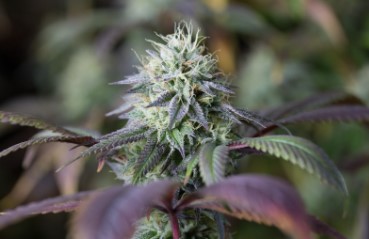
- Schedule I Controlled Substance
Under the U.S. Controlled Substances Act, marijuana is a Schedule I drug, which means:- High potential for abuse
- No accepted medical use (federally)
- Lacks safety under medical supervision
- Despite federal classification, many states have legalized it for medical and/or recreational use.
2. Pharmacological Classification

- Psychoactive Substance
Marijuana affects the central nervous system, altering mood, perception, and behavior. - Key Active Compounds:
- THC (Tetrahydrocannabinol) – intoxicating, euphoric, psychoactive
- CBD (Cannabidiol) – non-intoxicating, therapeutic effects (e.g., anti-inflammatory, anxiolytic)
3. Medical Classification

- Therapeutic Agent (State-Level or Internationally)
In jurisdictions where medical marijuana is legal, it is classified as a botanical drug used for:- Chronic pain
- Epilepsy
- Multiple sclerosis
- Chemotherapy-induced nausea
- Acts via the endocannabinoid system, involving CB1 and CB2 receptors.
4. Botanical Classification
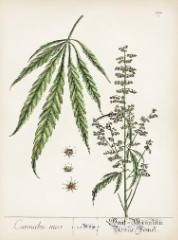
- Plant Family: Cannabaceae
- Genus and Species: Cannabis sativa, Cannabis indica, Cannabis ruderalis
- Cultivated into strains for specific THC/CBD ratios and terpene profiles.
5. Recreational Classification
- Intoxicant/Controlled Adult Substance
In legalized regions, it’s regulated like alcohol or tobacco, with age and usage restrictions.
Summary
Marijuana is legally a Schedule I drug in the U.S., pharmacologically a psychoactive compound, medically a therapeutic plant in some jurisdictions, botanically part of the Cannabaceae family, and recreationally regulated where legal. Its classification varies based on context—legal, scientific, and societal.
