Table of Contents
What is kush
The term “Kush” stems from the Hindu Kush Mountain range, which runs into Afghanistan, Pakistan, and northern India. The Hindu Kush region is one of the few naturally occurring centers of cannabis diversity in the world. Wild cannabis plants have grown there for centuries under harsh conditions, developing specific traits to survive the rugged environment.
Early human societies in the area, particularly nomadic and agricultural tribes, selectively cultivated cannabis plants for resin (charas) production, religious rituals, medicine, and recreational use. These landrace strains, naturally adapted to their environments and human cultivation, became known as “Kush” strains.
Key points about Kush origins:
- Native to the mountain area of the Hindu Kush.
- Landrace genetics: genetically stable and naturally bred without human hybridization.
- Adaptation: plants adapted to extreme weather, resulting in short, hardy, resin-rich plants.
Genetic and Botanical Characteristics of Kush
Kush cannabis is typically an Indica or Indica-dominant hybrid. Indica strains are recognized for their sedative effects and stocky physical traits compared to the taller, more energetic Sativa varieties.
Morphological Traits:
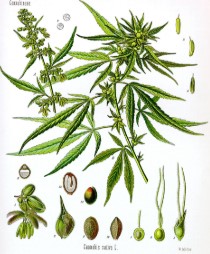
- Plant Structure: Short, bushy stature with wide, dark green leaves.
- Leaf Shape: Broad, with thick fingers and heavy foliage.
- Bud Formation: Dense, tightly packed buds coated in sticky trichomes.
- Aroma Profile: Earthy, piney, floral, citrus, or sweet notes, often very pungent.
- Color Variations: Can include shades of purple, deep green, and even hints of blue.
Genetic Features:
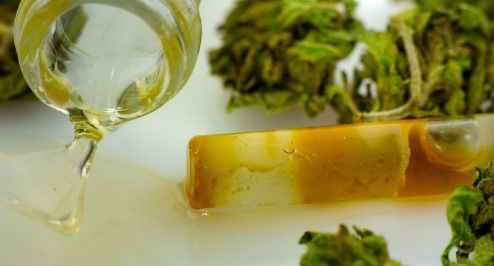
- High resin production: ideal for hash production.
- Tolerance to cold and harsh environments.
- Robust resistance to pests and diseases.
- Rich terpene and cannabinoid profiles, especially myrcene, limonene, and caryophyllene.
Chemical Profile: Cannabinoids and Terpenes
Kush strains are chemically distinctive due to their high concentrations of THC (tetrahydrocannabinol) and particular terpenes that modulate their effects.
Cannabinoids:
- THC: Often high, leading to strong psychoactive effects.
- CBD: Typically low, though modern breeding has introduced higher-CBD Kush hybrids.
- Minor cannabinoids: CBG, CBC, and others present in small quantities.
Terpenes:
- Myrcene: Contributes to sedation, earthy/musky aroma.
- Limonene: Adds citrus notes and mood elevation.
- Caryophyllene: Brings spiciness and potential anti-inflammatory effects.
- Pinene: Offers pine-like aromas and cognitive alertness.
The chemical synergy between cannabinoids and terpenes is responsible for the characteristic “Kush high,” often described as a heavy body relaxation combined with euphoric cerebral effects.
Famous Kush Strains
Several legendary cannabis strains bear the Kush name or genetic influence:
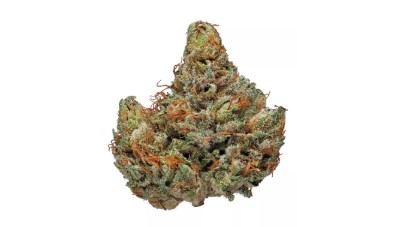
- OG Kush: Perhaps the most famous, offering complex earthy, citrus, and fuel notes with euphoric, stress-relieving effects.
- Hindu Kush: A pure landrace Indica; heavy, calming effects ideal for sleep and pain relief.
- Bubba Kush: Noted for its sweet, coffee-like aroma and deeply sedating body high.
- Master Kush: Known for its balance between body relaxation and mental clarity.
- Purple Kush: A colorful, potent strain famous for its berry flavor and intense physical effects.
Each of these strains showcases different expressions of Kush genetics, adapted or hybridized to suit varied consumer preferences.
Medical Applications of Kush Strains
Kush varieties are highly valued in the medical cannabis community due to their reliable Indica effects.
Common Medical Uses:
- Pain Relief: The analgesic properties are effective against chronic pain conditions such as arthritis, fibromyalgia, and migraines.
- Anxiety and Stress Reduction: Kush strains’ calming effects help with generalized anxiety disorder, PTSD, and panic attacks.
- Insomnia Treatment: Their sedative nature aids individuals suffering from sleep disorders.
- Appetite Stimulation: Useful for patients undergoing chemotherapy or dealing with wasting syndromes.
- Muscle Relaxation: Beneficial for patients with muscle spasms, multiple sclerosis, or other neuromuscular conditions.
Medical users appreciate Kush for its predictable, powerful, and generally body-centered relief.
Recreational Uses
In the recreational cannabis world, Kush strains are synonymous with deep relaxation, euphoria, and physical bliss. Users commonly report:
- A “couch-lock” experience, where the body feels so heavy and relaxed that it’s hard to move.
- Enhanced sensory perception, making music, food, and touch more enjoyable.
- A mild cerebral uplift that makes users feel giggly, philosophical, or introspective.
- An extended duration of effects, making it ideal for evening or nighttime use.
These characteristics make Kush a go-to choice for individuals looking to unwind, socialize, or meditate.
Cultivation of Kush Plants
Growing Kush is popular among cultivators because of the plant’s natural resilience and potent yields.
Basic Cultivation Characteristics:
- Height: Generally compact (ideal for indoor grows).
- Flowering Time: Rapid flowering, usually between 7–9 weeks.
- Yields: Moderate to high, depending on the strain and grow method.
- Climate Requirements: Thrives in cooler climates; resistant to molds and mildew.
Growing Tips:
- Maintain consistent humidity levels (around 40–50% during flowering).
- Prune lower branches to improve air circulation and bud production.
- Harvest when trichomes are cloudy/milky for maximum potency.
- Use odor control systems (e.g., carbon filters) indoors, as Kush strains can be very aromatic.
Overall, Kush is relatively beginner-friendly compared to some more delicate Sativa strains.
The Cultural Significance of Kush
Kush’s impact extends beyond just cultivation and consumption—it holds a revered place in popular culture and cannabis history.
- Music and Media: “Kush” has been referenced by countless hip-hop artists, including Dr. Dre (“Kush”) and Wiz Khalifa (“KK”), cementing its identity in global popular culture.
- Cannabis Breeding: Kush genetics have formed the backbone for many modern hybrids, influencing everything from Girl Scout Cookies to Blue Dream hybrids.
- Globalization: Through the 1970s and 1980s, seeds from Afghanistan and the Hindu Kush were smuggled into North America and Europe, giving rise to the modern cannabis industry.
- Spiritual and Ritual Use: In its native regions, Kush plants have long been associated with religious ceremonies, including Hindu, Buddhist, and Sufi traditions where cannabis is used as a sacrament or meditative aid.
Kush, therefore, is not just a plant—it’s a symbol of resilience, adaptation, and psychoactive wonder across civilizations.
Modern Innovations and Kush Hybrids
Contemporary cannabis breeding has taken Kush genetics even further. Breeders have combined pure Kush strains with others to create:
- Higher-yielding plants.
- New terpene profiles (e.g., fruity Kush hybrids).
- CBD-rich Kush strains for non-psychoactive medical applications.
Examples of notable modern hybrids include:
- Kosher Kush: An award-winning Kush variety known for its potent THC content and heavy sedation.
- Alien Kush: Blends Kush traits with other landraces for a more psychedelic experience.
- Banana Kush: A tropical-tasting Kush hybrid with mood-boosting qualities.
The possibilities are continually expanding as the cannabis industry matures.
Conclusion
Kush represents one of the most important pillars of cannabis culture, science, and history. From the rugged mountains of the Hindu Kush to modern dispensaries in North America and Europe, Kush has shaped the way we perceive cannabis today.
Its distinctive physical traits, chemical profiles, and powerful effects have made it a favorite for breeders, growers, medical patients, and recreational users alike. Whether you’re seeking relief from chronic pain, a pathway to deep relaxation, or simply a flavorful, potent high, Kush offers an experience rooted in centuries of natural and human refinement.
Understanding Kush is essential to understanding cannabis itself—a powerful plant whose legacy continues to grow around the world.
