Table of Contents
What is kief?
Definition of Kief: Understanding Its Nature and Origins
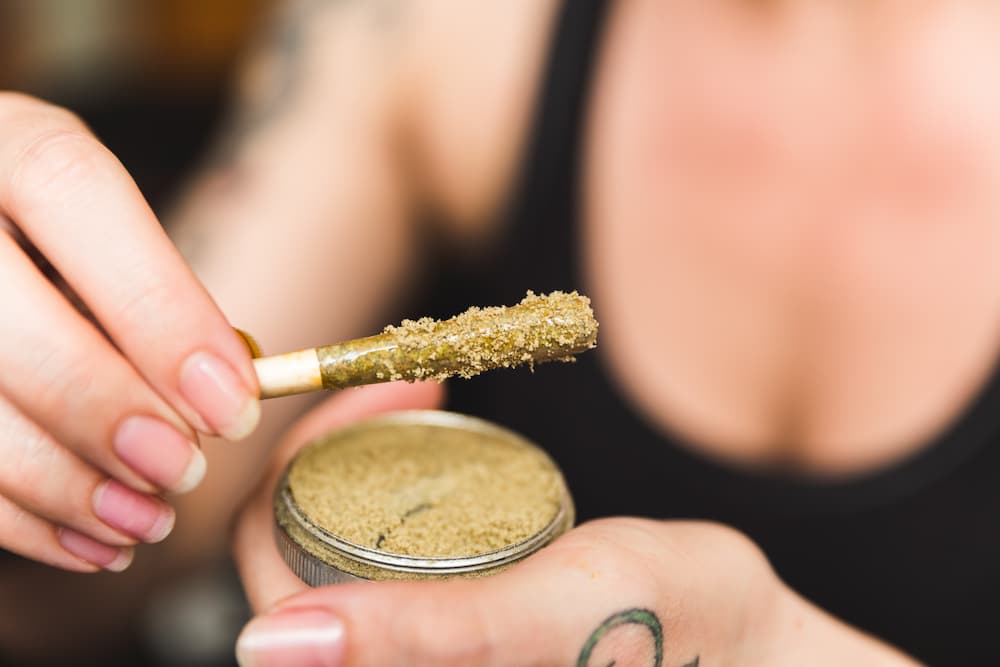
Kief is a pivotal component in the cannabis landscape, recognized for its potency and its role in various cannabis-derived products. Originating from the Arabic word for pleasure or intoxication, kief describes the collection of trichomes the crystalline structures that house the essential compounds of the cannabis plant. This document details the properties of kief, its method of collection, historical origins, and its applications in the cannabis industry.
Characteristics of Kief
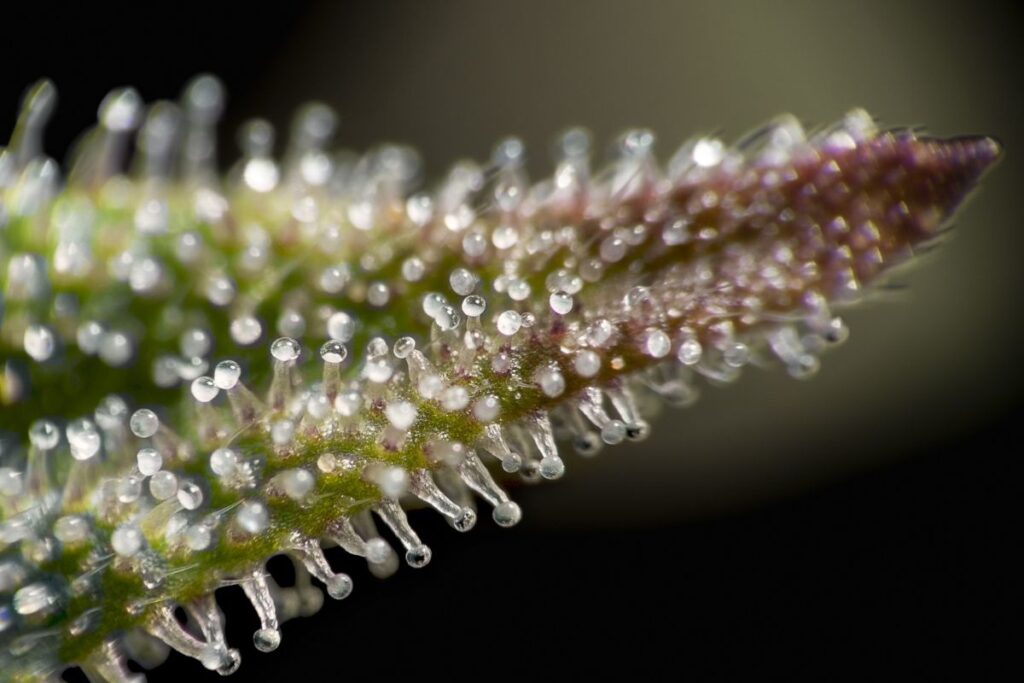
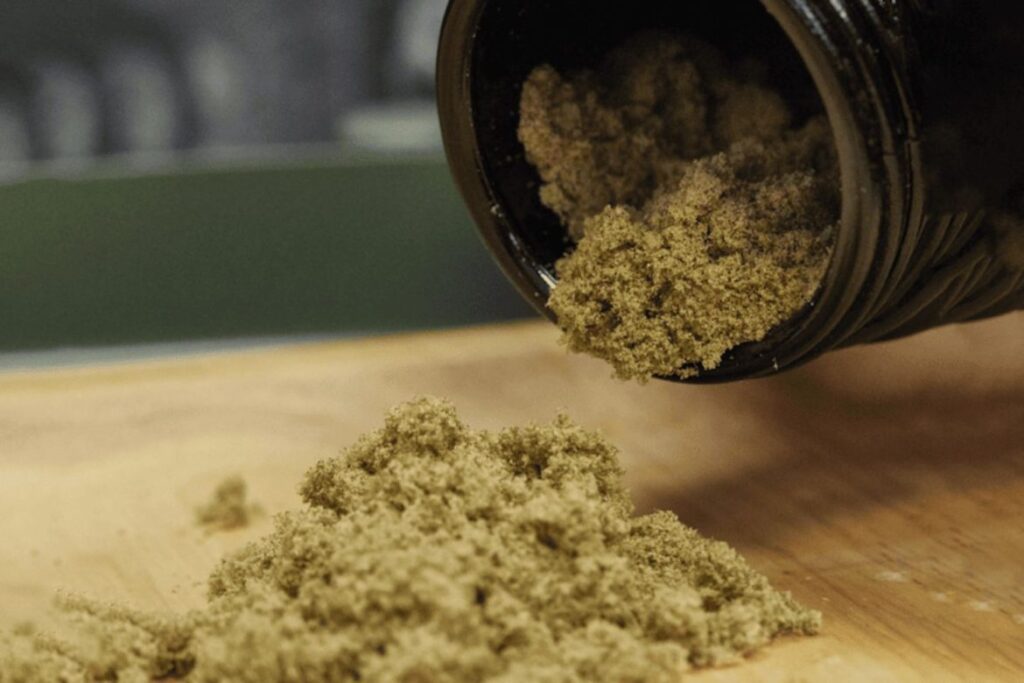
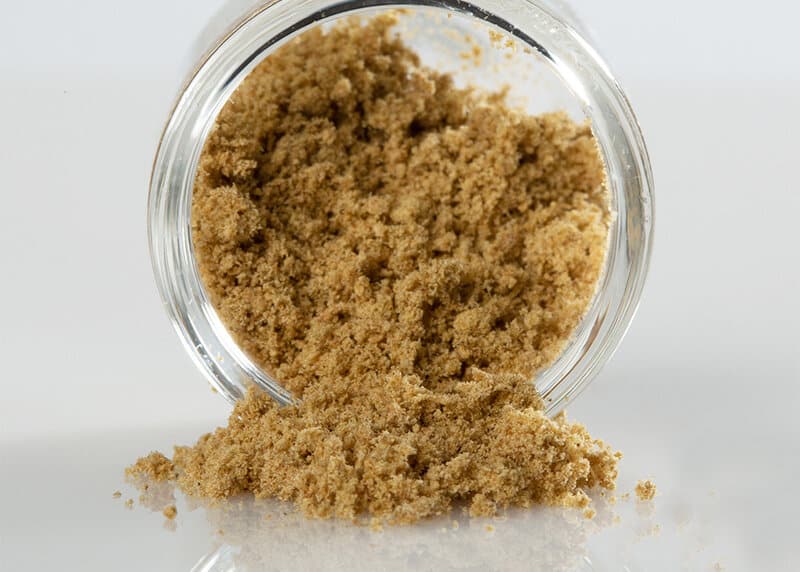
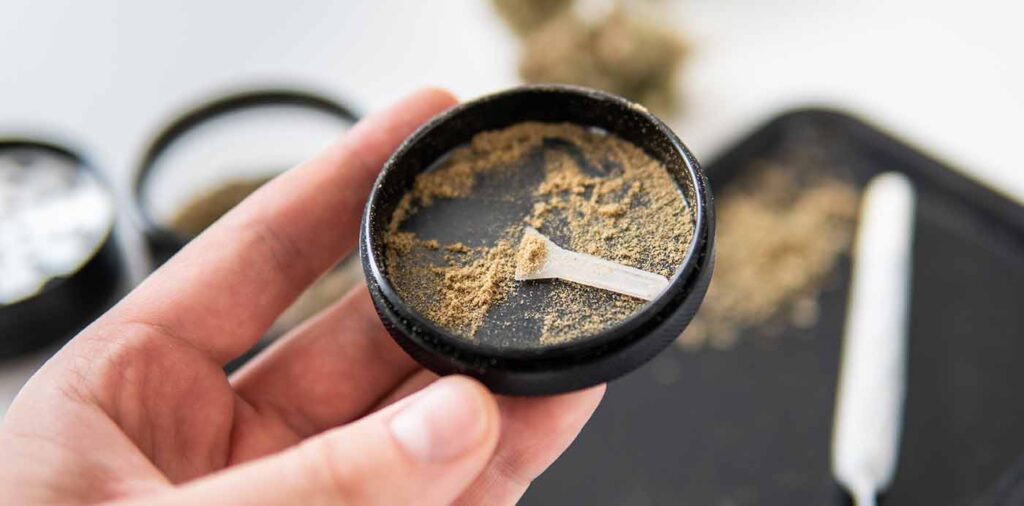
Kief consists of the tiny, yet potent, trichomes found on the cannabis plant’s flowers. These trichomes are abundant in cannabinoids like THC and CBD, as well as terpenes, which are responsible for the plant’s aromatic and flavor characteristics. Appearing as a fine powder, kief’s color can range from light tan to deep amber, depending on the strain and the purity of the collection process.
Extraction Methods
Kief is typically extracted by sifting the dry cannabis flowers through a mesh screen. This method isolates the trichomes from the plant material, enabling their accumulation as a fine powder. This extraction can be performed manually or with mechanical devices designed to optimize yield and purity. The quality of kief depends largely on the mesh size used in the sifting process and the quality of the cannabis.
Historical Background
Kief has been used for centuries, particularly in regions such as North Africa and the Middle East. Historically, it has been consumed both in its raw form and as a critical ingredient in hashish production, where it is compressed into dense blocks for easier consumption and transport.
Utilization of Kief
Kief’s potency and versatility make it a valuable commodity in the cannabis market. It can be used alone for a powerful effect or sprinkled on top of ground cannabis to enhance the potency of smoked material. Additionally, kief is a common ingredient in the production of cannabis edibles, topicals, and concentrated extracts, offering a potent alternative for both recreational and medicinal users looking to maximize the benefits of cannabis.
Conclusion
Kief is integral to the enhancement of cannabis consumption experiences, offering a potent, versatile product derived from the cannabis plant’s trichomes. Its historical use and multifaceted applications today highlight its enduring appeal and utility.
As the cannabis industry progresses, the significance of kief as a standalone concentrate and as an ingredient in other products highlights its enduring importance and potential for expansion in the market.
The Formation of Kief: A Look at Cannabis Trichomes
Kief, a valuable byproduct derived from cannabis trichomes, is highly prized in the cultivation and consumption of cannabis. Trichomes are minuscule glandular appendages that play essential roles in the plant’s survival and development. This document delves into the formation of kief by examining the development and biological functions of trichomes, underscoring their importance in synthesizing cannabinoids and terpenes.
Overview of Cannabis Trichomes
Trichomes are small, hair-like outgrowths found mainly on cannabis flowers and leaves, and less densely on the stems. They are particularly concentrated on the flowering buds’ calyxes, where they fulfill several protective functions:
- Protection from Pests: Trichomes serve as a deterrent to herbivores and insects by producing aromatic terpenes and bitter compounds that discourage consumption.
- UV Radiation Defense: Trichomes reflect ultraviolet rays, protecting the plant from intense sunlight that can damage its DNA.
- Moisture Conservation: In dry environments, trichomes help the plant retain moisture by forming a barrier that traps humidity close to the plant tissue.
Classification of Trichomes
Cannabis plants feature different types of trichomes, each with unique characteristics and roles:
- Capitate-Stalked Trichomes: These are the largest trichomes, visible to the naked eye, and are the primary source of cannabinoids and terpenes. They feature a long stalk topped by a glandular head where resin is produced.
- Capitate-Sessile Trichomes: Smaller than their stalked counterparts, these trichomes have a shorter stalk and also contribute to cannabinoid and terpene synthesis.
- Bulbous Trichomes: The smallest of the trichomes, bulbous trichomes are distributed across the entire surface of the plant, producing lesser quantities of cannabinoids and terpenes compared to the other types.
Kief Formation Process
Kief is essentially the collection of resin glands, or trichomes, that have been mechanically separated from the plant material, typically through agitation or sifting. The collected trichomes form a fine powder that is notably concentrated in cannabinoids like THC and CBD, along with various terpenes, making kief an exceptionally potent form of cannabis.
Conclusion
Understanding the formation and function of kief through the study of cannabis trichomes reveals the sophisticated nature of cannabis as a botanical species. It highlights how the plant’s natural properties can be harnessed to produce concentrated and potent cannabis products. Kief, as a direct extraction of trichomes, is celebrated for capturing the essence of the cannabis flower in its most concentrated form. For both growers and consumers, a thorough knowledge of trichomes and their derivatives is crucial for maximizing the benefits and potentials of cannabis.
Methods for Collecting Kief
Kief, consisting of the fine trichomes from the cannabis plant, stands out for its high concentration of cannabinoids and terpenes, making it one of the most coveted derivatives in the cannabis industry. Collecting kief involves precise techniques and specialized equipment to ensure the integrity of its potent constituents is maintained. This document explores various effective methods for kief collection, detailing the tools required and the steps involved in each process.
Dry Sifting Technique
Dry sifting is a traditional and widely used method to separate kief from dried cannabis flowers. This technique utilizes the physical properties of trichomes to detach them from the plant material.
- Equipment Needed: A series of mesh screens or sieves with varying micron sizes, typically framed for stability and ease of use.
- Process Overview: Dried cannabis is agitated over the top screen. The agitation causes the trichomes to break off and fall through the screens, collecting on a surface below. Multiple passes may be necessary to refine the purity of the kief collected.
Grinder Collection Method
A practical and common method among individual users involves using a specially designed herb grinder with multiple chambers, which facilitates both the grinding of cannabis buds and the segregation of kief.
- Equipment Needed: A multi-chambered herb grinder with a fine mesh screen separating the grinding chamber from the kief collection area.
- Process Overview: As the cannabis is ground, trichomes pass through the mesh and accumulate in the lower chamber of the grinder. Over time, this method can collect a significant amount of kief, which can be harvested periodically.
Freezing Technique
Freezing the cannabis flowers prior to sifting can enhance the efficiency of kief collection by making the trichomes more brittle and easier to dislodge.
- Equipment Needed: Standard freezing equipment and dry sifting tools, or specialized tumblers designed for cold conditions.
- Process Overview: Buds are frozen to harden the trichomes, which are then separated using traditional dry sifting methods. The cold helps to reduce the stickiness of the trichomes, facilitating a cleaner separation.
Automated Mechanical Separation
For larger scale operations, automated mechanical methods are employed to extract kief, leveraging the principles of dry sifting but with enhanced efficiency and capacity.
- Equipment Needed: Mechanical tumblers or vibratory sifters designed to handle large quantities of cannabis.
- Process Overview: Cannabis flowers are processed in a tumbler or shaker, which mechanically agitates them to detach trichomes. These are then collected through a series of fine screens.
Conclusion
The process of collecting kief requires a strategic approach to effectively harness its potent properties. Whether through manual techniques like dry sifting and using a grinder, or more advanced methods such as freezing or mechanical separation, each method caters to different needs and scales of operations. By understanding and implementing these techniques, cultivators and consumers can efficiently extract high-quality kief, optimizing the utility and enjoyment of their cannabis products.
The Potency and Chemical Composition of Kief
Kief, collected from the trichomes of the cannabis plant, is highly valued for its concentrated levels of psychoactive and therapeutic compounds. As the powdery residue of the plant’s most chemically active components, kief plays a critical role in both medicinal and recreational cannabis consumption. This document explores the high potency and intricate chemical profile of kief, emphasizing its importance within the cannabis industry.
Potency of Kief
Kief is particularly prized for its high concentration of tetrahydrocannabinol (THC), the primary psychoactive ingredient in cannabis. The levels of THC in kief can be substantially higher than in the buds of the cannabis plant due to its composition of pure trichomes, which are the main production sites for cannabinoids. This high potency makes kief a potent option for users seeking more intense effects from a less material-intensive form of consumption.
Chemical Composition
- Cannabinoids: Kief contains a variety of cannabinoids, including cannabidiol (CBD) and cannabinol (CBN), which enhance its medicinal properties. The specific cannabinoid profile varies depending on the cannabis strain and impacts not only the psychoactive effects but also potential health benefits like analgesic, anti-inflammatory, and anxiolytic effects.
- Terpenes: The aromatic compounds known as terpenes are abundant in kief and responsible for the distinct aromas of cannabis varieties. Terpenes like myrcene, limonene, and pinene enhance the sensory experience and also play a role in the medicinal benefits through the entourage effect, which posits that the collective impact of cannabis compounds is more potent than that of individual compounds acting alone.
Extraction and Quality
The extraction techniques employed, such as dry sifting or mechanical separation using a grinder, greatly affect the purity of kief. The level of purity influences both the potency and the effectiveness of kief in various applications, from smoking and vaporization to its use in making edibles or pressed hash.
Usage and Dosage Considerations
Kief’s adaptability enables its use in diverse forms, such as smoking, vaporizing, or as an additive in edibles and various other cannabis products. However, given its high concentration of active compounds, accurate dosing is essential, particularly for individuals with lower tolerance or limited experience with cannabis concentrates.
Conclusion
Kief is distinguished by its potent cannabinoid and terpene profile, making it a sought-after product in the cannabis market for both its strong effects and versatility. Understanding the potency and chemical properties of kief enables users and producers to effectively utilize this concentrate to enhance both recreational and medicinal cannabis experiences. Proper knowledge of kief’s composition and careful handling are essential for maximizing its benefits while ensuring safe consumption.
Traditional and Modern Uses of Kief
Kief, derived from the trichomes of the cannabis plant, is a powdery substance rich in cannabinoids and terpenes. Historically utilized across various cultures for its psychoactive and medicinal qualities, kief continues to hold significant value in both traditional practices and modern cannabis usage. This document delves into the diverse applications of kief, from its historical roots to its current uses, illustrating its multifaceted role in the world of cannabis.
Historical Uses of Kief
Kief has a storied past, with its use documented in several traditional contexts, particularly within the Middle East and North Africa.
- Medicinal Purposes: Traditionally, kief was employed to alleviate pain, reduce inflammation, and aid sleep, among other therapeutic uses. Its potent properties made it a staple in ancient herbal medicine.
- Culinary Incorporation: In culinary traditions, particularly in Moroccan culture, kief was an ingredient in majoun, a sweet, potent confection made with honey, nuts, fruits, and spices, showcasing its versatility in traditional cuisine.
- Spiritual Practices: Kief also played a role in religious and spiritual rituals, where it was used to induce altered states of consciousness or deepen meditative practices, underscoring its cultural importance.
Modern Applications of Kief
With advancements in cannabis research and a deeper understanding of its benefits, kief has adapted to modern uses that reflect changing consumption patterns and technological progress.
- Recreational Enhancement: Today, kief is popularly used to increase the potency of cannabis flower preparations. It is either sprinkled over ground cannabis or compressed into hashish, enhancing the intensity of the psychoactive effects when smoked or vaporized.
- Medical Applications: In contemporary medicine, kief is valued for its concentrated cannabinoids, enabling precise dosing and potent effects, which are essential for treating conditions that require robust cannabinoid concentrations.
- Edible and Infusion Uses: Kief is efficiently used in homemade edibles, as it easily infuses into fats and oils, providing a potent and controllable method for integrating cannabis into food.
- Topical Products: Utilized in topical applications, kief is incorporated into creams, balms, and salves for its therapeutic benefits, particularly its anti-inflammatory and analgesic properties, offering targeted relief without systemic psychoactive effects.
Conclusion
The utilization of kief has transitioned from ancient practices to a vital component in contemporary cannabis culture, demonstrating its adaptability and enduring popularity. Its powerful concentration of cannabis’s active compounds makes it a valuable asset for both recreational and medical users. By exploring the comprehensive range of kief’s applications, users can better appreciate its historical significance and leverage its potent properties in various modern-day contexts.
How to Use Kief: From Sprinkling to Infusions
Kief, composed of the fine trichomes from cannabis plants, stands out for its high concentration of active cannabinoids and aromatic terpenes. This component is among the most potent and versatile elements of the cannabis plant. Employing kief in various ways can substantially elevate both medicinal and recreational cannabis experiences. This document provides a detailed exploration of different methods to utilize kief, from straightforward sprinkling techniques to sophisticated infusions.
Direct Application Techniques
- Sprinkling on Cannabis Flowers: A straightforward and popular method to use kief is by sprinkling it onto ground cannabis flowers before smoking. This approach, often called “crowning a bowl,” boosts the potency and enhances the flavor profile of the cannabis. Kief can also be incorporated into the contents of joints or blunts to intensify the THC content and overall effects.
- Vaporization of Kief: Kief is also well-suited for vaporization due to its fine texture. It vaporizes efficiently, providing a potent and flavorful inhalation experience. It is crucial to use a vaporizer that is compatible with concentrates and to adjust the temperature correctly to prevent burning the kief.
Methods of Infusion
- Cannabutter or Oil Infusions: Kief can be infused into butter or oils, which are then used to cook a variety of edibles. Before infusion, kief must be decarboxylated, a process that heats it to activate the cannabinoids. The activated kief is then simmered with butter or oil to create a concentrated infusion.
- Tincture Preparation: Kief is excellent for making potent tinctures by soaking it in alcohol, effectively extracting its cannabinoids and terpenes. These tinctures can be applied sublingually (under the tongue) for quick absorption and immediate effects.
Topical Use
- Cannabis Creams and Balms: Kief can be incorporated into homemade creams or balms for topical application, which is useful for addressing localized pain, inflammation, or various skin conditions. The kief-infused carrier oil is blended with other ingredients to craft the final topical product.
Beverage Infusions
- Infusions into Teas and Hot Beverages: For those who enjoy edibles, kief can be added to teas or other hot beverages. For optimal effectiveness, kief should be decarboxylated prior to steeping in hot water, often along with a lipid like coconut oil or butter to facilitate cannabinoid extraction.
Conclusion
Kief provides a potent means to enhance cannabis consumption. Whether applied directly to cannabis flowers, used in vaporization, infused into edibles, formulated into tinctures, or incorporated into topicals, kief can significantly augment the effectiveness and potency of cannabis preparations. Understanding the diverse applications of kief allows users to customize their cannabis experience to suit their specific preferences and needs, optimizing both the therapeutic and recreational benefits of this concentrated cannabis product.
Legal Status of Kief in Various Jurisdictions
Kief, composed of the resinous trichomes from cannabis plants and noted for its high concentrations of cannabinoids and terpenes, is subject to varying legal interpretations and regulations worldwide. As an extract of cannabis, kief’s legality fluctuates markedly depending on the jurisdiction. This document delves into the diverse legal environment surrounding kief, emphasizing the differences in regulatory approaches and the influence of changing cannabis laws on its legal status.
Global Perspectives on Kief Regulation
- United States: In the U.S., the legality of kief is intertwined with state-specific cannabis laws. In states where recreational cannabis is legal, kief is also legalized and subject to regulation. Conversely, in states where cannabis is illegal, kief possession carries similar penalties to other forms of cannabis. Federally, cannabis, including kief, remains classified as a Schedule I controlled substance, though enforcement varies by region.
- Canada: Following the nationwide legalization of cannabis in October 2018, Canada legally permits the possession, cultivation, and use of cannabis, including kief, for both medicinal and recreational uses. Adults are legally permitted to possess and share up to 30 grams of legal cannabis, which includes kief, in public.
- European Union: The legal status of kief in the EU is inconsistent and largely dependent on individual country laws. For example, in the Netherlands, kief is legally tolerated in small amounts within licensed coffee shops, whereas in France and Sweden, strict anti-cannabis laws make possession of kief illegal and punishable.
- Australia: In Australia, kief’s legal status aligns with the regional cannabis laws. While medical cannabis has been federally legal since 2016, allowing for the possession of derivatives like kief under medical guidelines, recreational use remains illegal, with some regions decriminalizing or deprioritizing minor possession.
Determinants of Kief’s Legal Status
The legality of kief often hinges on several key aspects:
- Cannabis Classification: In regions where cannabis is treated as a controlled substance, kief is typically governed by the same stringent laws.
- Medical vs. Recreational Use: Jurisdictions that differentiate between medical and recreational cannabis usually have distinct regulations concerning kief for each use case.
- Possession Limits: Legal thresholds often dictate the allowable amount of kief one can possess.
Conclusion
The legal treatment of kief varies significantly across the globe, reflecting broader trends and shifts in cannabis legislation. For those interacting with kief, understanding the specific legal environment of each jurisdiction is essential to ensure compliance. As attitudes towards cannabis continue to evolve, legal statuses are likely to change, potentially altering how kief is regulated. Stakeholders must stay informed of these changes to adeptly navigate the legal complexities associated with kief in various international contexts.
Comparing Kief with Other Cannabis Concentrates
Cannabis concentrates include a diverse array of products crafted to contain higher levels of cannabinoids and terpenes than the raw cannabis flower. Among these, kief is particularly noted for its simplicity and traditional appeal. This document explores the distinctions between kief and other prominent types of cannabis concentrates, examining their production processes, potency levels, modes of consumption, and typical applications.
Understanding Kief
Kief is the accumulation of trichomes, the tiny resin glands from the cannabis plant that are rich in active cannabinoids and aromatic terpenes. It is typically gathered through mechanical means, such as sifting through a mesh screen or using a specialized grinder. Kief is appreciated for its minimal processing and retains a composition that is very close to the natural state of the cannabis plant.
Comparison with Other Cannabis Concentrates
- Hashish: Derived similarly from trichomes, hashish is produced by further processing kief into a dense, solid form through compression and heat. This additional step slightly reduces the cannabinoid concentration compared to kief but facilitates easier handling and a variety of traditional consumption methods.
- Butane Hash Oil (BHO): This concentrate is extracted using butane solvent, resulting in a highly potent oil known variably as shatter, wax, or honeycomb, depending on its consistency. BHO typically offers higher THC levels than kief and is primarily consumed through dabbing, which involves vaporization on a hot surface.
- CO2 Oil: This type of oil is extracted using supercritical carbon dioxide which acts as a solvent under high pressure and low temperatures, producing a clean and potent concentrate. Unlike kief, which is mechanically separated, CO2 extraction allows for the selective isolation of cannabinoids and terpenes, resulting in a highly refined product commonly used in vape pens and edible products due to its purity.
- Rosin: Rosin, a solvent-free concentrate, is produced by applying heat and pressure to cannabis flowers or kief, resulting in a sticky substance similar to BHO but without the use of solvents. It can be easily made at home and delivers a purity and potency comparable to kief, though in a distinct extract form.
Modes of Consumption and Applications
- Kief is versatile and can be smoked on its own, sprinkled over cannabis buds, or incorporated into homemade edibles. It is favored for its straightforward nature and ease of use.
- Hashish is commonly smoked in pipes, used in bongs, or added to joints.
- BHO and Rosin are typically consumed via dabbing, known for delivering rapid and intense effects.
- CO2 Oil finds wide use in vaporizers, edibles, and topical formulations due to its precise extraction method.
Conclusion
Kief stands out in the array of cannabis concentrates for its minimal processing and preservation of the plant’s original properties. In contrast, other concentrates like BHO, CO2 oil, and rosin offer varying levels of refinement and potency. Each type of concentrate serves different consumer needs and preferences, allowing individuals to choose products that best meet their desired outcomes. Understanding these options enables both recreational users and medical patients to make informed decisions, optimizing their cannabis experience based on specific efficacy and usage criteria.
Health Considerations and Risks Associated with Kief
Kief, comprised largely of cannabis trichomes, is notable for its high concentration of cannabinoids like tetrahydrocannabinol (THC). While kief provides substantial therapeutic benefits, such as pain relief and anti-inflammatory properties, its potent nature also introduces specific health risks. This document details the health benefits and potential risks associated with kief consumption, aiming to equip users with comprehensive information for responsible use.
Therapeutic Benefits of Kief
Kief is highly regarded for its effectiveness in managing several health conditions due to its rich cannabinoid content:
- Pain Relief: The elevated levels of THC in kief can significantly alleviate chronic pain, offering an alternative to conventional pain medications.
- Anti-inflammatory Properties: The cannabinoids in kief are effective in reducing inflammation, beneficial for treating conditions like arthritis.
- Mental Health Support: Kief can help mitigate symptoms of anxiety and depression, promoting a sense of relaxation and mental well-being.
Associated Risks and Precautions
Despite its medicinal advantages, the potency of kief requires careful consideration of the associated health risks:
- Risk of Overconsumption: Kief’s high THC concentration can lead to overconsumption, possibly resulting in negative effects such as paranoia, heightened anxiety, and confusion.
- Respiratory Concerns: Similar to other smoked cannabis products, kief can irritate the respiratory system, potentially leading to chronic bronchitis and other respiratory issues with prolonged use.
- Dependency Potential: The frequent use of potent cannabis products like kief may heighten the risk of developing cannabis dependency, necessitating careful monitoring of usage patterns.
Recommendations for Safe Use
To mitigate the risks associated with kief, users should consider the following safe practices:
- Moderation in Use: Given its high potency, it is advisable to start with small quantities of kief and adjust dosage based on individual tolerance to avoid overconsumption.
- Alternative Methods of Consumption: Those concerned about the impacts of smoking on respiratory health might consider vaporizing kief or incorporating it into edibles, which can provide a safer method of consumption.
- Consult Healthcare Providers: Individuals with existing health conditions or those on other medications should consult healthcare professionals prior to using kief to prevent adverse drug interactions.
Conclusion
Kief, with its potent cannabinoid profile, offers significant medical benefits but also presents notable risks. It is crucial for consumers to understand these potential issues and practice safe consumption habits to optimize the therapeutic benefits while minimizing health risks. Educating oneself about the proper use of kief is essential for its safe and effective application, especially in medicinal contexts.
