Table of Contents
What is in THC?
Introduction to THC: Understanding Its Chemical Structure
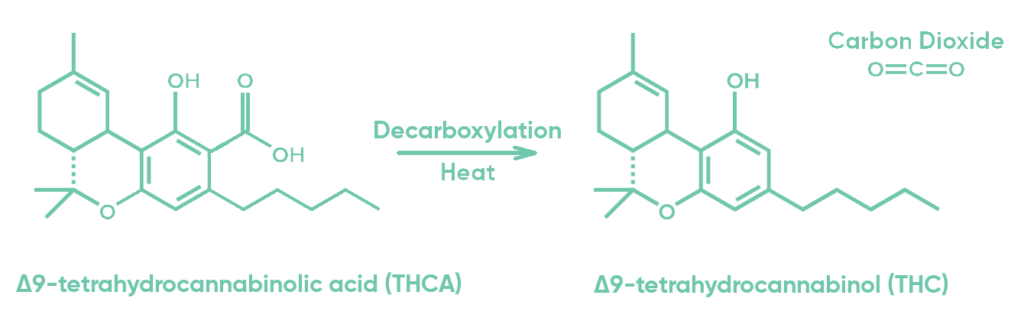
Tetrahydrocannabinol (THC) stands as the principal psychoactive component of the Cannabis sativa plant, fundamentally shaping the experiential effects of cannabis use. Its ability to profoundly influence human perception, emotion, and behavior is rooted in its unique chemical structure. This document aims to dissect the chemical makeup of THC, providing a comprehensive understanding of its interactions with the human body and the implications of these interactions for both scientific inquiry and regulatory measures.
Chemical Composition of THC
THC, or delta-9-tetrahydrocannabinol, possesses a complex molecular structure comprising carbon, hydrogen, and oxygen atoms, specifically arranged as C₂₁H₃₀O₂. This arrangement includes twenty-one carbon atoms, thirty hydrogen atoms, and two oxygen atoms. Notably, its structure is marked by a three-ring core, consisting of one cyclohexene and one benzene ring, which are pivotal for THC’s affinity towards CB1 cannabinoid receptors located primarily in the brain.
Pharmacological Dynamics of THC
THC’s interaction with the endocannabinoid system, primarily through CB1 and CB2 cannabinoid receptors, underpins its psychoactive properties. It acts as a partial agonist at these receptors, effectively mimicking naturally occurring neurotransmitters that engage these receptors, thereby modulating bodily functions and psychological states. The molecular fit between THC and these receptors facilitates its ability to influence neurotransmitter release, which results in the characteristic psychoactive effects such as euphoria, sensory alteration, temporal distortion, and motor coordination impairment.
Molecular Affinity and Activity
THC’s efficacy in producing psychoactive effects is significantly determined by its molecular affinity for the CB1 receptor. The specific molecular interactions between THC and the receptor’s amino acids are crucial, triggering a series of biochemical responses within neurons, distinguishing THC from other cannabinoids that may bind similarly but without producing comparable psychoactive outcomes.
Broader Implications of THC’s Chemical Structure
The detailed understanding of THC’s chemical structure is vital for both medicinal advancements and legislative frameworks. Medically, this knowledge aids in the synthesis of cannabinoid-based therapeutics that can either replicate or inhibit THC’s effects for targeted treatments. From a regulatory perspective, understanding THC’s chemical properties is crucial for developing policies that govern cannabis-related activities, ensuring that public safety and health standards are maintained.
Conclusion
The molecular structure of THC is integral to its role as the primary psychoactive substance in cannabis. Exploring its molecular configuration and how it interacts with cannabinoid receptors provides crucial insights into its powerful effects on the body and mind. As cannabis regulations and medicinal applications continue to evolve, ongoing research and education in understanding THC at a molecular level remain imperative.
Key Components of THC at the Molecular Level
Tetrahydrocannabinol (THC), the primary psychoactive compound in the Cannabis sativa plant, exerts significant effects on human behavior, cognition, and perception through its unique molecular structure. This document aims to dissect the molecular composition of THC, highlighting how its atomic configuration contributes to its interaction with the human endocannabinoid system and its resulting psychoactive properties.
Molecular Configuration of THC
THC is classified within the group of compounds known as cannabinoids and is characterized by its molecular formula, C21H30O2, comprising 21 carbon atoms, 30 hydrogen atoms, and 2 oxygen atoms. Its structure is organized into three connected rings: a cyclohexene ring, a pyran ring, and a benzene ring, each contributing to the compound’s biological activity and its efficacy in binding to cannabinoid receptors.
- Cyclohexene Ring: This six-membered ring includes one double bond, essential for THC’s ability to bind to the CB1 cannabinoid receptors located primarily in the brain, facilitating its psychoactive effects.
- Pyran Ring: This heterocyclic ring contains an oxygen atom and is connected to the cyclohexene ring. It plays a critical role in maintaining the three-dimensional shape of THC, which is necessary for optimal receptor interaction.
- Benzene Ring: This aromatic ring enhances THC’s ability to dissolve in lipids, which is crucial for its transport across lipid-rich membranes such as the blood-brain barrier, affecting its potency and the speed of onset.
Pharmacological Dynamics
THC functions as a partial agonist at both the CB1 receptors in the central nervous system and the CB2 receptors found in peripheral tissues. Its interaction with these receptors is complex, involving direct competition with endogenous cannabinoids at the binding site (orthosteric binding) and potential modifications to receptor behavior (allosteric modulation).
Significance of THC’s Molecular Structure
The molecular structure of THC has profound implications for pharmaceutical development and the study of cannabinoid receptors:
- Synthetic Cannabinoid Development: Understanding THC’s molecular structure assists in designing synthetic cannabinoids and receptor antagonists that can replicate or block its effects, potentially leading to new treatments with optimized profiles.
- Endocannabinoid System Research: Insights into THC’s interactions with cannabinoid receptors enrich our comprehension of the endocannabinoid system, which plays a crucial role in regulating a myriad of physiological functions.
Conclusion
The molecular components of THC, including its cyclohexene, pyran, and benzene rings, are integral to its psychoactive effects and its mechanism of action at cannabinoid receptors. These molecular insights are invaluable for advancing our understanding of THC’s pharmacological properties and for guiding the development of cannabinoid-based therapies. Ongoing research continues to illuminate the intricate interactions between cannabinoid structures and their effects on physiological processes.
How THC Interacts with the Human Brain
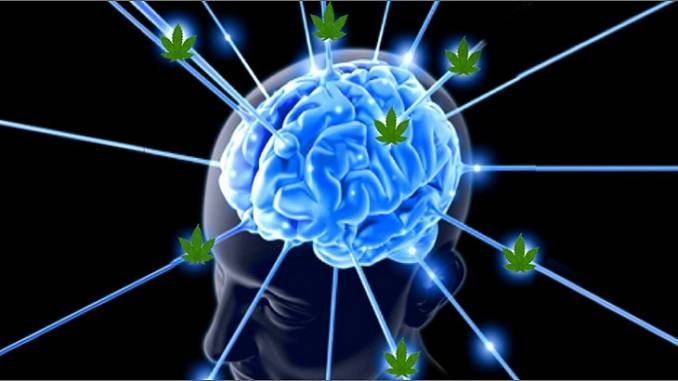
Tetrahydrocannabinol (THC) is the main psychoactive constituent of the cannabis plant, renowned for its significant impact on the human brain. This document explores the biochemical and neurobiological pathways through which THC interacts with neural systems, shedding light on its cognitive, emotional, and perceptual effects.
THC’s Role in the Endocannabinoid System
The effects of THC on the brain are primarily facilitated by its interaction with the endocannabinoid system (ECS), a vital network in the brain that regulates a variety of physiological processes, including mood, appetite, pain perception, and memory. The ECS helps maintain neural homeostasis, and THC influences this system as follows:
- Cannabinoid Receptors: THC exhibits a high affinity for the CB1 receptors in the central nervous system. These receptors are abundant in brain regions involved in memory, cognition, and motor activities. THC binds to these receptors, mimicking endogenous cannabinoids and altering neurotransmitter release and neuronal activity.
- Neurotransmitter Modulation: By activating CB1 receptors, THC influences the release of neurotransmitters such as dopamine, serotonin, and glutamate. This action can either inhibit or enhance neurotransmitter release, affecting various brain functions and leading to THC’s psychoactive properties.
Neurological Impact of THC
The engagement of THC with cannabinoid receptors and its modulation of neurotransmitters result in a range of effects on the brain:
- Cognitive Effects: THC impacts cognitive functions by affecting brain areas related to learning, memory, and attention. Acute use of THC can impair short-term memory and focus, while long-term usage is associated with potential cognitive impairments.
- Emotional Responses: THC significantly influences emotional processing by affecting the limbic system. This can result in mood elevation or euphoria, though higher doses may also provoke anxiety or paranoia.
- Sensory Perception Alterations: THC also modifies sensory perception by interacting with brain regions responsible for processing sensory information. Users may experience changes in vision and hearing, enhanced tastes and smells, and a distorted sense of time.
Conclusion
THC’s interaction with the human brain is facilitated through its sophisticated engagement with the endocannabinoid system, affecting neurotransmitter systems and altering various brain functions. The diverse effects of THC, ranging from cognitive and emotional alterations to changes in perception, highlight the complexity of its impact on the brain. An in-depth understanding of these interactions is vital for users and medical practitioners to navigate THC use responsibly. Ongoing research will continue to elucidate the detailed neurobiological mechanisms behind THC’s effects and help in managing its potential adverse impacts.
The Role of Terpenes in Enhancing THC’s Effects
Terpenes, the volatile aromatic molecules produced by the Cannabis sativa plant and various other flora, significantly influence the psychoactive and therapeutic effects of tetrahydrocannabinol (THC), the primary psychoactive component of cannabis. These compounds, which give cannabis strains their unique smells and flavors, contribute to the phenomenon known as the “entourage effect.” This theory suggests that the natural components of cannabis work together synergistically to enhance the plant’s overall effects. This document delves into how terpenes augment the impact of THC, emphasizing their potential benefits for both medical and recreational cannabis users.
Chemistry and Diversity of Terpenes
Terpenes are diverse organic hydrocarbons found abundantly in plant trichomes, where cannabinoids like THC are also synthesized. The cannabis plant alone can contain over 100 different terpenes, each adding to the complex aroma and flavor profile of individual strains. Key terpenes such as myrcene, limonene, pinene, linalool, and caryophyllene are noted for their unique scents and potential health benefits.
Interactions between Terpenes and THC
- Influence on Psychoactive Properties: Terpenes can modify how THC affects the brain, potentially changing its psychoactive outcomes. For example, myrcene is known to potentiate THC’s calming effects, enhancing the sedative quality of certain strains.
- Therapeutic Synergy: Terpenes may also extend or intensify THC’s therapeutic effects. For instance, limonene may boost mood and stress relief, while pinene helps alleviate memory impairments associated with THC.
- Bioavailability and Efficacy: Some terpenes impact the absorption and metabolic processes of cannabinoids, affecting how quickly and effectively they are delivered to the body. Terpenes like linalool and caryophyllene might also amplify THC’s anti-inflammatory and pain-relieving properties.
Implications for Cannabis Utilization
The interaction of terpenes with THC underscores the potential of whole-plant cannabis applications over isolated compounds, particularly in therapeutic contexts. This synergy suggests that comprehensive knowledge of terpene profiles is crucial for selecting cannabis strains tailored to specific therapeutic or recreational outcomes. For medical users, this could mean choosing strains that align more closely with their health needs, enhancing both efficacy and safety.
Conclusion
Terpenes significantly enrich the effects of THC, not only by modulating its psychoactive impact but also by enhancing its medicinal benefits. Their role in the entourage effect underlines the complex interplay of cannabis’s natural components, enhancing our understanding of its pharmacological properties. Continued research into terpene functions will further refine cannabis use, ensuring optimized therapeutic impacts and informed choices for users across both medicinal and recreational spectra.
Differences Between THC, CBD, and Other Cannabinoids
Cannabinoids, a class of compounds that engage cannabinoid receptors in the brain and influence neurotransmitter release, include Tetrahydrocannabinol (THC) and Cannabidiol (CBD) as their most notable and thoroughly investigated members. These substances are recognized for their unique effects on the human endocannabinoid system. Besides THC and CBD, the cannabis plant contains over a hundred other cannabinoids, each exhibiting unique properties and potential medical applications. This document explores the differences between THC, CBD, and other lesser-known cannabinoids, emphasizing their chemical characteristics and their implications for therapeutic use.
Primary Cannabinoids: THC and CBD
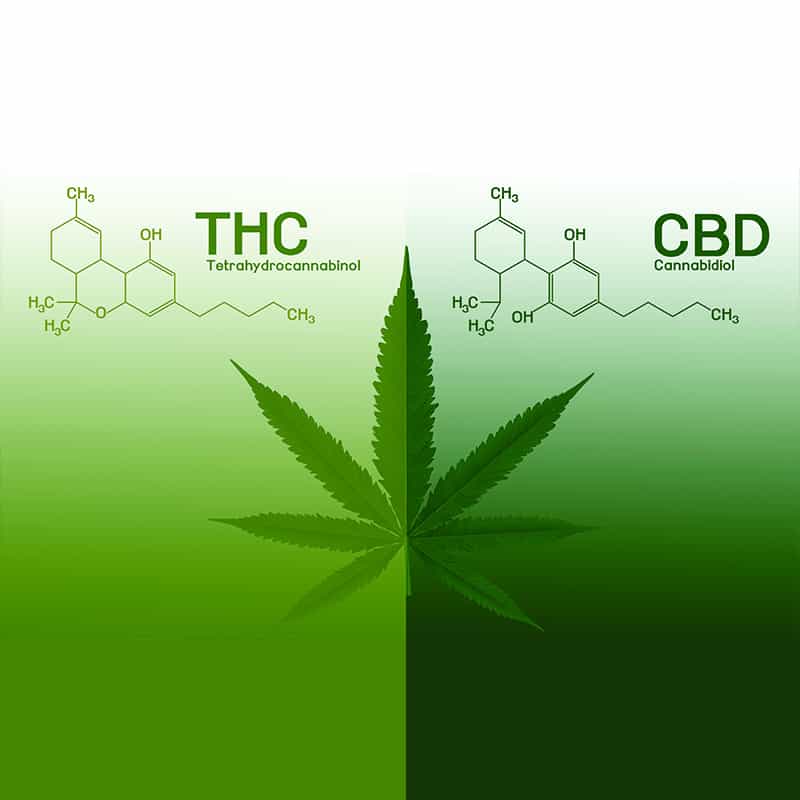
- Tetrahydrocannabinol (THC): THC, the primary psychoactive component of cannabis, induces the euphoric “high” commonly associated with its consumption. It primarily operates by binding to CB1 receptors located in the brain and central nervous system, affecting mood, perception, and cognitive functions. THC’s psychoactive potency and its interaction with CB1 receptors are central to its recreational appeal and medicinal applications.
- Cannabidiol (CBD): In contrast to THC, CBD is non-psychoactive and does not induce a high. CBD modulates the endocannabinoid system by influencing receptor activity indirectly and affecting other non-cannabinoid receptor systems, which accounts for its diverse therapeutic properties including anti-inflammatory, anxiolytic, and antipsychotic effects. The medical interest in CBD stems from its potential to provide various health benefits without intoxicating effects.
Additional Cannabinoids
Beyond THC and CBD, the cannabis plant produces numerous other cannabinoids, each with specific effects and medical potential:
- Cannabinol (CBN): CBN is mildly psychoactive and known primarily for its sedative qualities. It is a degradation product of THC and has a lower affinity for CB1 receptors compared to THC.
- Cannabigerol (CBG): Referred to as the “stem cell” cannabinoid, CBG is non-psychoactive and serves as a precursor to both THC and CBD.
It is studied for its potential therapeutic benefits, including the treatment of glaucoma, inflammatory bowel disease, and potentially some cancers, attributed to its anti-inflammatory and pain-relieving properties. - Cannabichromene (CBC): CBC, another non-psychoactive cannabinoid, has shown promise in pain and inflammation management and is also being investigated for its antidepressant capabilities.
Conclusion
The range of cannabinoids, including THC, CBD, CBN, CBG, and CBC, showcases the complex pharmacological diversity of the cannabis plant. Each cannabinoid’s unique molecular structure and specific interactions with the endocannabinoid system underpin its distinct effects and therapeutic potential. A deeper understanding of these differences is critical for leveraging their therapeutic properties and guiding the development of cannabinoid-based medicines. Ongoing research into these cannabinoids will likely expand treatment options across a variety of medical conditions, significantly advancing the pharmaceutical and medical fields.
The Impact of THC on Cognitive Functions
Tetrahydrocannabinol (THC) is the main psychoactive ingredient in cannabis, recognized both for its medical applications and its profound influence on psychological and cognitive processes. While beneficial for certain therapeutic uses such as pain management and alleviation of nausea, THC also poses concerns regarding its impact on cognitive functions. This document provides a detailed examination of THC’s effects on cognitive abilities, summarizing scientific research to delineate its influence on brain functionality.
Impact of THC on Cognitive Processes
THC interacts with the endocannabinoid system by activating CB1 receptors located throughout the brain, influencing various cognitive domains. The effect of THC on cognition varies according to dosage, frequency of use, and individual differences in biology and psychology.
- Memory Impairment: THC consumption is linked to deficits in short-term and working memory. Studies have demonstrated that THC interferes with the functioning of the hippocampus, a vital area of the brain responsible for memory formation. The degree of memory impairment is dependent on the dosage, with higher concentrations of THC causing more pronounced disruptions.
- Attention and Concentration: THC use can negatively affect the ability to concentrate and sustain attention. Users often experience a decline in performance on tasks that require continuous focus, impacting their capacity to learn and perform complex activities.
- Executive Functions: THC affects executive functions, which encompass problem-solving, decision-making, and control over impulses. Acute THC ingestion can diminish the efficiency of these cognitive functions, leading to poorer organizational skills, judgment, and delayed problem-solving capabilities.
- Motor Skills: THC impairs psychomotor abilities, affecting the cerebellum and basal ganglia—brain regions integral to movement control. This impairment is particularly concerning in activities that require precise motor coordination, such as driving.
Long-Term Effects and Reversibility
The chronic use of THC, particularly starting from adolescence a critical period for brain development can lead to long-term cognitive deficits. While some studies suggest that certain cognitive functions might recover after prolonged cessation, particularly if THC use starts later in life, early onset use may result in more lasting impairments.
Balancing Therapeutic and Adverse Effects
The same psychoactive properties of THC that impair cognitive functions also contribute to its therapeutic benefits. For example, THC’s ability to reduce anxiety and stress can indirectly enhance cognitive health under specific conditions. The key challenge is to balance these potential benefits with the risks of cognitive impairment.
Conclusion
The influence of THC on cognitive functions is a significant consideration in both medical and recreational use of cannabis. A thorough understanding of how THC affects the brain’s cognitive mechanisms is crucial for users and medical professionals to make informed decisions regarding its use. Ongoing research is essential to fully ascertain the long-term cognitive consequences of THC and to develop effective strategies to mitigate its adverse effects while leveraging its therapeutic potential.
Exploring the Therapeutic Uses of THC
Tetrahydrocannabinol (THC), the predominant psychoactive component of the Cannabis sativa plant, is increasingly recognized for its potential medicinal benefits. Known primarily for inducing psychoactive effects, THC also exhibits various pharmacological properties that may be harnessed for therapeutic purposes. This document outlines the current understanding of THC’s medical uses, drawing on clinical research to discuss its effectiveness in treating specific conditions.
Medical Benefits of THC
THC engages the endocannabinoid system, which influences several bodily functions including mood, pain sensation, and appetite. Its engagement with cannabinoid receptors in the brain and other bodily organs forms the basis for its potential therapeutic effects. Key areas where THC has demonstrated benefits include:
- Pain Relief: THC is particularly noted for its efficacy in alleviating chronic and neuropathic pain, which are often resistant to other treatments. It modulates pain perception via cannabinoid receptors located throughout the nervous system.
- Nausea and Vomiting: THC is effective in managing nausea and vomiting caused by chemotherapy. The FDA-approved synthetic derivatives of THC, such as dronabinol and nabilone, are used for this purpose.
- Appetite Enhancement: In conditions characterized by appetite loss, such as AIDS, THC has been used to stimulate appetite and prevent significant weight loss, improving quality of life for patients undergoing intensive treatments.
- Neurological and Psychological Conditions: THC shows potential in treating symptoms of multiple sclerosis (MS) by reducing muscle spasticity and associated pain. Preliminary research also suggests possible benefits for managing anxiety and depression, though more rigorous studies are needed.
- Anti-inflammatory Properties: THC’s anti-inflammatory capabilities are valuable in treating inflammatory diseases like rheumatoid arthritis, helping to reduce both inflammation and pain.

Challenges and Considerations in Therapeutic Use
Despite its promising therapeutic potential, the application of THC in medicine faces several challenges:
- Psychoactive Effects: The mind-altering effects of THC, which can include euphoria and cognitive impairment, may be undesirable or problematic for some patients, potentially restricting its clinical use.
- Dosage and Administration: Determining the optimal dosage of THC that maximizes therapeutic effects while minimizing adverse reactions is crucial and challenging, given the variability in individual responses.
- Legal and Regulatory Barriers: The legal status of THC complicates its adoption in medical practice in many jurisdictions, limiting research and clinical application despite acknowledged health benefits.
Conclusion
THC’s role in medicine is multifaceted, offering significant benefits across a spectrum of conditions from pain management to appetite stimulation and anti-inflammatory effects. However, its psychoactive properties and regulatory status necessitate careful consideration in clinical use. Ongoing research and a deeper understanding of THC’s pharmacodynamics are essential for integrating its use into medical practice more effectively and safely, ensuring that patients can access its benefits while minimizing potential risks.
Potential Risks and Side Effects of THC Consumption
Tetrahydrocannabinol (THC), the primary psychoactive compound in cannabis, is widely utilized for its significant therapeutic and psychoactive effects. However, the consumption of THC carries potential risks and side effects that are important to recognize for users, healthcare practitioners, and regulators. This document explores the diverse risks and adverse effects associated with THC use, supported by scientific studies and clinical evidence.
Psychological and Cognitive Effects
- Cognitive Dysfunction: THC use can impair cognitive functions, including memory loss, decreased motor skills, and reduced problem-solving capabilities. Such impairments are particularly problematic for tasks requiring high cognitive demand such as driving or operating machinery.
- Mental Health Complications: While some users experience relief from psychological distress, THC can exacerbate symptoms of anxiety and depression in others, particularly at higher doses. Long-term THC use is linked to a heightened risk of psychiatric disorders like schizophrenia, especially in individuals with pre-existing mental health vulnerabilities.
Physical Health Risks
- Cardiovascular Concerns: THC induces cardiovascular strain by increasing heart rate and altering blood pressure, which can be dangerous for those with cardiovascular diseases. The increased cardiac workload following THC consumption could heighten the risk of a heart attack, especially among older individuals or those with cardiovascular conditions.
- Respiratory Issues: Regular inhalation of cannabis smoke, a common method of THC consumption, introduces respiratory irritants and carcinogens to the lungs, leading to conditions akin to those found in tobacco smokers, such as chronic bronchitis and lung infections.
Dependency and Withdrawal
- Addiction and Dependence: THC can lead to physical dependence, with a potential for addiction. Regular users may face withdrawal symptoms if they stop consumption, which can include mood swings, sleep disturbances, reduced appetite, and irritability.
- Tolerance Development: Users often develop tolerance to THC, necessitating higher doses to achieve the same effects, which can amplify the risk of negative psychological and physical impacts.
Effects on Youth and Adolescents
Adolescents are particularly vulnerable to the effects of THC as it may disrupt neural and cognitive development during a critical growth period. Regular use in young individuals has been associated with decreased cognitive function, altered brain development, and poorer educational achievements.
Conclusion
Although THC is valued for its psychoactive and medicinal benefits, the potential risks and side effects warrant caution and moderation in use. It is essential for consumers, especially those with pre-existing conditions or mental health issues, to be well-informed about these risks. Healthcare providers must weigh the therapeutic advantages against potential risks when recommending THC. Continued research and prudent regulatory policies are essential to maximize benefits while minimizing risks, ensuring THC use is safe, informed, and aligned with public health goals.
Legal Status of THC Across Different Regions
Tetrahydrocannabinol (THC) is the main psychoactive component of the cannabis plant, renowned for its euphoric effects. The legal status of THC varies considerably worldwide, influenced by differing cultural, political, and historical contexts. This document provides a detailed examination of the legal frameworks that govern THC use across different regions, emphasizing the diversity in legal approaches and the implications for consumption, research, and policy
Legal Status of THC in Key Global Regions
- United States: In the U.S., THC remains a Schedule I controlled substance at the federal level, classified under the Controlled Substances Act as having a high potential for abuse with no accepted medical use. Conversely, many states have legalized cannabis for both medical and recreational purposes, resulting in a complex and varied legal landscape across different states.
- Canada: As a pioneer in cannabis legislation, Canada legalized cannabis for medical and recreational purposes in 2018 through the Cannabis Act. This law standardizes the control and regulation of cannabis production, distribution, and consumption across the country.
- European Union: The legality of THC in the EU differs by member state. While countries like Germany, Italy, and the Netherlands have legalized medical cannabis, recreational use generally remains illegal, with the exception of decriminalized possession in small amounts in places like the Netherlands.
- Australia: THC is regulated in Australia under the Narcotic Drugs Act. Medical cannabis, including products containing THC, has been legal since 2016, though recreational cannabis use continues to be prohibited.
- Asia: Across Asia, THC is predominantly illegal with stringent enforcement and severe penalties, exemplified by countries like Japan and China. Nonetheless, Thailand has recently initiated reforms by legalizing medical cannabis, marking a significant shift in regional attitudes towards cannabis.
Consequences of Legal Disparities
The varied legal status of THC globally leads to several important consequences:
- Medical Research: Legal restrictions significantly impact the ability to conduct research on THC. Regions with legalized medical cannabis have greater freedom to explore its potential benefits, while in other areas, research is heavily restricted.
- Public Health: Legalization typically includes public health measures such as age restrictions, product safety regulations, and quality control to mitigate the risks associated with cannabis use.
- International Commerce: The inconsistent legality of THC complicates the international trade of cannabis products, requiring businesses to navigate a complex array of regulations to operate legally across borders.
Conclusion
The legal landscape for THC is characterized by significant regional variability, reflecting diverse societal norms, economic interests, and public health considerations. As global perspectives on cannabis continue to evolve, further changes in legislation are anticipated. Understanding these legal variances is essential for stakeholders, including policymakers, businesses, healthcare professionals, and consumers, to effectively manage the complexities associated with THC use and distribution.
