What is Hemp and Its Uses: An In-Depth Exploration
Cannabis sativa, the formal name for hemp, is a multipurpose plant that has been grown for thousands of years for both medical and industrial uses. Hemp has very small concentrations of THC (tetrahydrocannabinol), the psychoactive ingredient that gives cannabis users their “high,” in contrast to its close sibling, marijuana. This fundamental difference allows hemp to be used in a multitude of ways without the psychoactive effects.
Historical Background of Hemp
Hemp has a rich history that dates back to ancient civilizations. Archaeological evidence suggests that hemp was one of the first plants to be spun into usable fiber more than 10,000 years ago. Early uses of hemp included the production of textiles, ropes, and paper. In ancient China, hemp was used for making clothes, shoes, and even early forms of paper. Similarly, in ancient India and Mesopotamia, hemp was used for textiles and ropes.
Throughout history, hemp has been a crucial crop in various cultures. In medieval Europe, hemp was widely cultivated for its strong fibers, which were used to make sails, ropes, and clothing. During the Age of Exploration, hemp was essential for the production of naval ropes and sails, which played a critical role in the expansion of maritime trade and exploration.
Botanical Characteristics of Hemp
Hemp is a fast-growing plant that thrives in a variety of climates and soil types. It is a hardy crop that requires minimal pesticides and herbicides, making it an environmentally friendly option for farmers. The plant can grow to heights of 15 feet or more, and its stalks are composed of two main parts: the outer bast fibers and the inner hurd fibers.
Bast Fibers
The outer bast fibers of the hemp stalk are long, strong, and flexible. These fibers are highly valued for their durability and are used in the production of textiles, ropes, and other materials that require strength and resilience.
Hurd Fibers
The inner hurd fibers are woody and short. They are typically used in applications where a coarse, fibrous material is needed, such as in animal bedding, construction materials, and paper production.
Uses of Hemp
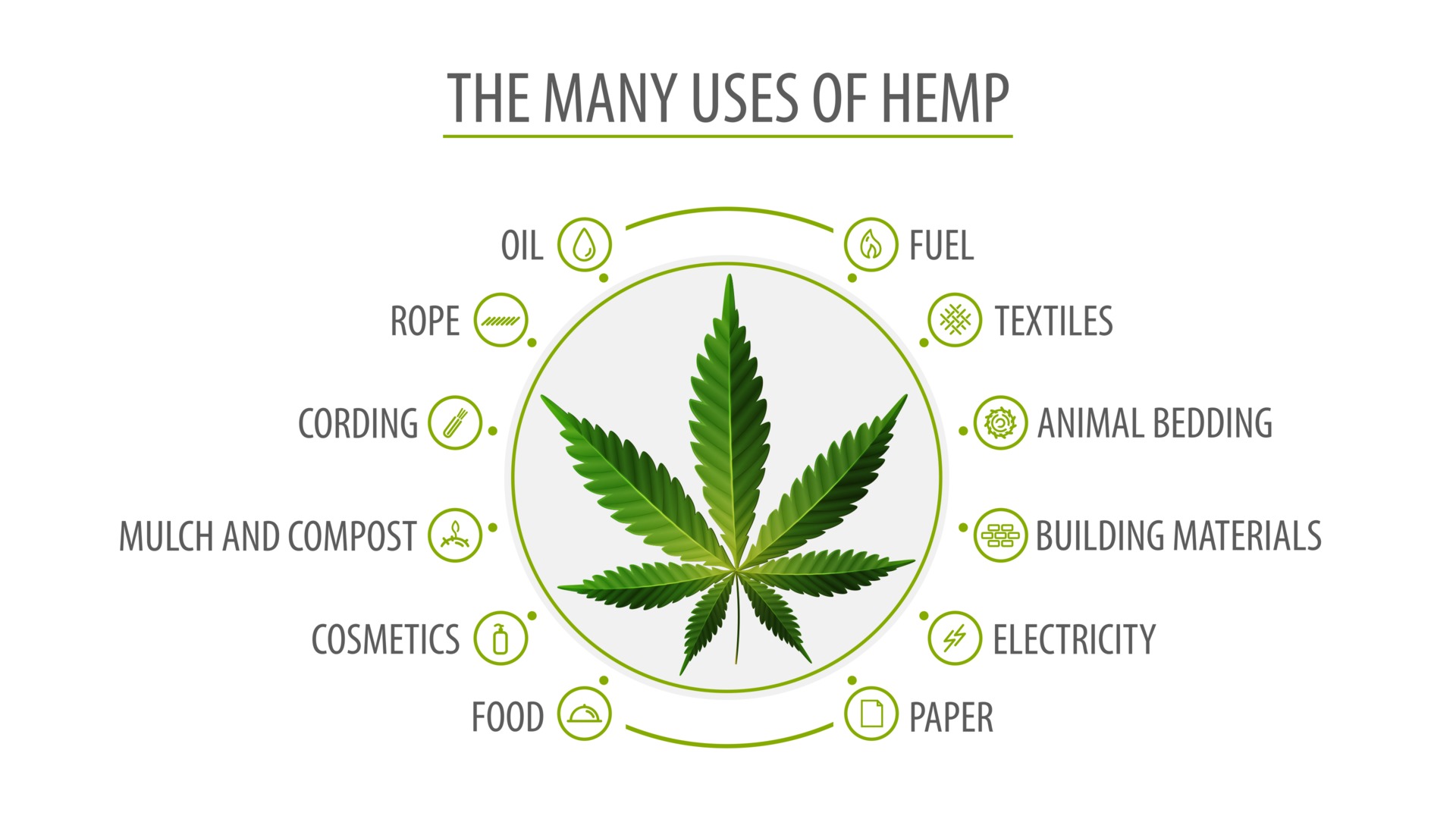
Hemp’s versatility makes it suitable for a wide range of applications across various industries. Here, we explore the many uses of hemp in detail:
1. Textiles and Clothing
One of the most traditional uses of hemp is in the production of textiles and clothing. Hemp fibers are exceptionally strong and durable, making them ideal for creating long-lasting fabrics. Hemp textiles are also naturally resistant to mold and UV rays, making them suitable for outdoor wear.
Advantages of Hemp Textiles:
- Durability: Hemp fibers are known for their strength and resistance to wear and tear.
- Breathability: Hemp fabrics are breathable and have excellent moisture-wicking properties.
- Eco-Friendly: Hemp cultivation requires fewer pesticides and herbicides compared to cotton, making it a more sustainable option.
2. Paper Production
Paper has been made from hemp for thousands of years. Indeed, hemp is used to make some of the oldest pieces of paper still in existence. Hemp paper is stronger and more durable than paper created from wood pulp, and it can be recycled more than once.
Advantages of Hemp Paper:
- Sustainability: Hemp grows much faster than trees, providing a renewable source of pulp for paper production.
- Durability: Hemp paper is resistant to tearing and yellowing, ensuring longer-lasting documents.
- Recyclability: Hemp paper can be recycled more times than wood-based paper, reducing the need for new raw materials.
3. Building Materials
Hemp is increasingly being used in the construction industry as a sustainable building material. Hempcrete, a mixture of hemp hurds, lime, and water, is a lightweight and insulating material that can be used for walls, floors, and roofs.
Advantages of Hempcrete:
- Insulation: Hempcrete provides excellent thermal and acoustic insulation.
- Sustainability: Hempcrete is a carbon-negative material, meaning it absorbs more CO2 than it emits during production.
- Durability: Hempcrete is resistant to mold, pests, and fire, making it a durable and long-lasting building material.
4. Nutrition and Food Products
Hemp seeds are highly nutritious and are considered a superfood. They are abundant in vitamins, minerals, vital fatty acids (omega-3 and omega-6), and protein. You can eat hemp seeds raw, roast them, or grind them into a powder to make hemp protein.
Nutritional Benefits of Hemp Seeds:
- High Protein Content: Hemp seeds contain all nine essential amino acids, making them a complete protein source.
- Healthy Fats: The seeds are rich in omega-3 and omega-6 fatty acids, which are beneficial for heart health.
- Vitamins and Minerals: Hemp seeds are a good source of vitamins E and B, magnesium, potassium, and iron.
5. Personal Care Products
Hemp oil, extracted from the seeds of the hemp plant, is used in a variety of personal care products due to its moisturizing and anti-inflammatory properties. Common hemp-based personal care products include lotions, shampoos, conditioners, and soaps.
Benefits of Hemp Oil in Personal Care:
- Moisturizing: Hemp oil is an excellent moisturizer that helps keep skin hydrated and soft.
- Anti-Inflammatory: The anti-inflammatory properties of hemp oil can help soothe irritated skin and reduce redness.
- Rich in Nutrients: Hemp oil is packed with essential fatty acids and vitamins that nourish the skin and hair.
6. Biofuels
Hemp can be used to produce biofuels such as biodiesel and ethanol. The oil extracted from hemp seeds can be converted into biodiesel, while the fibrous stalks can be fermented to produce ethanol.
Advantages of Hemp Biofuels:
- Renewable Energy Source: Hemp grows quickly and can be harvested multiple times a year, providing a sustainable source of biomass for fuel production.
- Reduced Carbon Emissions: Hemp biofuels produce fewer carbon emissions compared to fossil fuels, helping to mitigate climate change.
- Versatility: Hemp can be grown on marginal lands that are not suitable for food crops, reducing competition for agricultural land.
7. Plastics and Composites
Hemp fibers can be used to create bioplastics and composite materials. These materials are biodegradable and can be used in various applications, including packaging, automotive parts, and construction materials.
Advantages of Hemp Plastics and Composites:
- Biodegradability: Hemp-based plastics break down more easily than conventional plastics, reducing environmental pollution.
- Strength and Lightweight: Hemp composites are strong and lightweight, making them ideal for use in automotive and aerospace industries.
- Sustainability: Using hemp as a raw material for plastics and composites helps reduce dependence on petroleum-based products.
8. Medicinal and Therapeutic Uses
Hemp-derived CBD (cannabidiol) has gained popularity for its potential therapeutic benefits. Unlike THC, CBD is non-psychoactive and is used in various health and wellness products.
Potential Benefits of CBD:
- Pain Relief: CBD is known for its analgesic properties and can help alleviate chronic pain.
- Anti-Anxiety: CBD has been shown to reduce anxiety and promote relaxation without the psychoactive effects of THC.
- Anti-Inflammatory: CBD has anti-inflammatory properties that can help reduce inflammation and improve overall health.
- Epilepsy Treatment: CBD has been approved by the FDA for the treatment of certain types of epilepsy, providing relief for individuals with seizure disorders.
9. Animal Care
Hemp products are also used in animal care, particularly for pets. Hemp oil and CBD products for pets are used to improve their overall health and well-being.
Benefits of Hemp in Animal Care:
- Joint Health: Hemp oil can help improve joint health and mobility in pets, particularly older animals.
- Skin and Coat Health: The essential fatty acids in hemp oil can promote healthy skin and a shiny coat.
- Anxiety and Stress Relief: CBD products for pets can help reduce anxiety and stress, making them calmer and more relaxed.
10. Agriculture and Soil Health
Hemp is beneficial for agriculture and soil health. Its deep roots help prevent soil erosion, and its ability to absorb heavy metals from the soil makes it useful for phytoremediation.
Agricultural Benefits of Hemp:
- Soil Improvement: Hemp’s deep roots help break up compacted soil, improving soil structure and drainage.
- Phytoremediation: Hemp can absorb heavy metals and other contaminants from the soil, helping to clean polluted areas.
- Crop Rotation: Hemp can be used in crop rotation to improve soil fertility and reduce pest pressure on subsequent crops.
Legal Status of Hemp
Hemp’s legal status differs per jurisdiction. In the United States, the 2018 Farm Bill authorized hemp production and removed it off the list of controlled narcotics, as long as it contained no more than 0.3% THC. This legislation has led to a resurgence of hemp cultivation and the development of new hemp-based products.
In other parts of the world, hemp cultivation is also gaining acceptance. The European Union allows the cultivation of hemp with a THC content of up to 0.2%, and many countries have established regulations to promote the growth of the hemp industry.
Challenges and Future Prospects
Despite its many benefits, the hemp industry faces several challenges. Regulatory hurdles, lack of infrastructure, and limited consumer awareness are some of the obstacles that need to be addressed to fully realize the potential of hemp.
Regulatory Challenges
The legal status of hemp can vary widely between regions, creating a complex regulatory environment. In some areas, stringent regulations and bureaucratic hurdles can make it difficult for farmers to cultivate hemp and for businesses to develop and market hemp-based products.
Infrastructure and Supply Chain
The infrastructure for processing hemp is still developing in many regions. Efficient processing facilities are essential for converting raw hemp into usable materials and products. Developing a robust supply chain that includes processing, manufacturing, and distribution is crucial for the growth of the hemp industry.
Consumer Awareness and Education
Many customers are still unaware of the benefits and applications of hemp. Educating the public about the advantages of hemp-based products and dispelling misconceptions about the plant is important for increasing demand and acceptance.
Future Prospects
The future of hemp looks promising as more countries recognize its potential and develop supportive regulations. It is anticipated that ongoing research and innovation will provide new goods and applications, thus growing the hemp market.
Innovation and Research:
- New Applications: Ongoing research is exploring new uses for hemp, including its potential in nanotechnology, energy storage, and advanced materials.
- Genetic Improvements: Advances in genetics and breeding are expected to produce hemp varieties with improved traits, such as higher yields, better pest resistance, and optimized fiber quality.
- Sustainability Initiatives: Hemp’s environmental benefits make it a key player in sustainability initiatives. Its use in bioplastics, biofuels, and carbon-negative building materials aligns with global efforts to reduce carbon emissions and promote eco-friendly practices.
Conclusion
Hemp, a historically significant and incredibly versatile plant, stands poised at the crossroads of sustainability and innovation. Its myriad uses span from textiles to building materials, from nutritional supplements to biofuels, showcasing its potential to revolutionize multiple industries while promoting environmental health. This in-depth exploration of hemp highlights its botanical characteristics, diverse applications, and the numerous benefits it offers, underscoring why it is often hailed as a wonder plant.
Historical Significance and Botanical Strengths
The historical context of hemp reveals its longstanding importance to human civilization. From ancient China and India to medieval Europe, hemp has been a crucial resource for making textiles, paper, and ropes. Its robust botanical characteristics—rapid growth, minimal need for pesticides, and adaptability to various climates—make it an environmentally friendly crop that is easy to cultivate.
Versatility in Applications
Hemp’s versatility is evident in its wide range of applications:
- Textiles and Clothing: Hemp fibers produce durable, breathable, and eco-friendly fabrics, contributing to a sustainable fashion industry.
- Paper Production: Hemp paper is stronger and more recyclable than wood pulp paper, offering a sustainable alternative in the paper industry.
- Building Materials: Hempcrete provides excellent insulation and is a carbon-negative material, making it ideal for green construction.
- Nutrition and Food Products: Hemp seeds are a nutritional powerhouse, rich in protein, essential fatty acids, and minerals.
- Personal Care Products: Hemp oil’s moisturizing and anti-inflammatory properties make it valuable in skincare and haircare products.
- Biofuels: Hemp can be used to produce biodiesel and ethanol, contributing to renewable energy sources.
- Plastics and Composites: Hemp-based bioplastics and composites are biodegradable and offer a sustainable alternative to conventional plastics.
- Medicinal and Therapeutic Uses: Hemp-derived CBD is used for its potential health benefits, including pain relief, anti-anxiety effects, and anti-inflammatory properties.
- Animal Care: Hemp products improve the health and well-being of pets, enhancing joint health, skin, and coat condition.
- Agriculture and Soil Health: Hemp improves soil structure, prevents erosion, and aids in phytoremediation, contributing to sustainable farming practices.
Legal Status and Regulatory Challenges
The legal status of hemp varies globally, but recent developments, particularly the 2018 Farm Bill in the United States, have significantly advanced its cultivation and use. However, regulatory challenges remain, including complex legal frameworks and bureaucratic obstacles that can hinder the industry’s growth. Harmonizing regulations and creating supportive policies are crucial for the hemp industry’s future.
Infrastructure and Consumer Awareness
Building robust infrastructure for processing and manufacturing hemp products is essential. This includes developing efficient supply chains and processing facilities to convert raw hemp into various end products. Additionally, increasing consumer awareness and education about the benefits of hemp is vital for expanding its market. Misconceptions about hemp, often conflated with marijuana, need to be addressed through public education campaigns and transparent information.
Future Prospects and Innovation
The future of hemp is promising, driven by ongoing research and innovation. Advances in genetics and breeding are expected to yield hemp varieties with improved traits, enhancing productivity and quality. New applications in nanotechnology, energy storage, and advanced materials continue to emerge, expanding the horizons of what hemp can achieve.
Hemp’s environmental benefits align perfectly with global sustainability goals. Its role in producing bioplastics, biofuels, and carbon-negative building materials positions it as a key player in efforts to reduce carbon emissions and combat climate change. As the world increasingly prioritizes eco-friendly practices, hemp’s contributions to sustainability will only grow more significant.
Conclusion Summary
In conclusion, hemp is not just a plant; it is a catalyst for sustainable development and innovation across various sectors. Its historical roots, combined with its modern applications, paint a picture of a crop that is both timeless and forward-looking. By addressing regulatory challenges, improving infrastructure, and enhancing consumer awareness, the full potential of hemp can be unlocked. As we move towards a more sustainable future, hemp stands ready to play a pivotal role, offering eco-friendly solutions and contributing to a healthier planet.
The history of hemp bears witnesses to its adaptability and tenacity. From ancient civilizations to modern industries, hemp has proven its worth time and again. With continued support and innovation, hemp will undoubtedly remain a cornerstone of sustainable development, providing endless possibilities for a greener, healthier, and more sustainable world.
