Table of Contents
What is hashish?
Introduction to Hashish: Definition and Origins
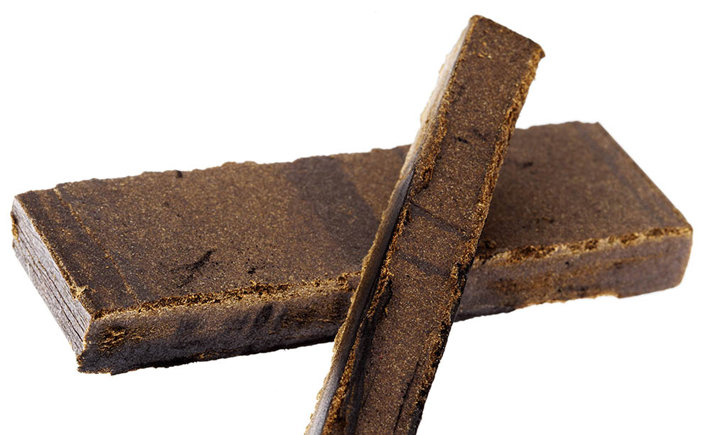
Hashish, often simply called hash, is a potent cannabis concentrate made from the compressed resin of the cannabis plant’s trichomes. This resin is rich in cannabinoids such as tetrahydrocannabinol (THC) and cannabidiol (CBD), which are responsible for its powerful effects. This document delves into the definition, production process, and historical significance of hashish, offering a detailed perspective on its enduring presence and usage across cultures.
Definition of Hashish
Hashish is derived from the fine, resinous trichomes collected from mature cannabis plants. These trichomes are the most cannabinoid-rich part of the plant, housing the active compounds that give cannabis its psychoactive and therapeutic properties. The collected resin is typically formed into small blocks or cakes, which can range in color from golden blond to deep brown depending on the extraction technique and the purity of the resin.
Production Process of Hashish
The creation of hashish involves several key steps:
- Collection: Resin is harvested by sifting cannabis flowers through fine mesh or by directly rubbing the flowers to detach the trichomes.
- Compression: The loose resin, commonly known as kief, is then compressed and heated into solid blocks or cakes, sometimes with the addition of tea or water to aid the process.
- Curing: Often, the hashish is cured over time to develop and intensify its flavors and textures, enhancing both its quality and potency.
Historical Origins and Spread
The origins of hashish can be traced back to the Middle East and Central Asia, with its use spreading across historical periods and regions due to its psychoactive and medicinal properties.
- Ancient Use: Historical texts and accounts indicate that hashish was used in ancient times for spiritual and ritualistic purposes, believed to offer mystical experiences that connected users with the divine.
- Cultural Integration: With the expansion of Islamic territories, the use of hashish spread to North Africa and the Iberian Peninsula, becoming a part of the social and cultural practices in these regions and often featured in poetry and music.
- Introduction to Europe: In the 19th century, hashish found its way to Europe, captivating the interest of artists and intellectuals and becoming a subject of intrigue and exploration in literary circles.
Conclusion
Hashish continues to be valued for its strong effects and rich historical heritage. Understanding its characteristics, method of production, and historical trajectory enriches our comprehension of its role in various cultural contexts throughout history. As perspectives on cannabis evolve globally, the historical insights into hashish provide a deeper appreciation of its complex cultural significance and its ongoing impact.
Historical Use of Hashish Across Cultures
Hashish, a resin derived from the cannabis plant, has historically been integral to various global cultures. Known for its potent effects, hashish has served multiple roles, from a medicinal remedy to a spiritual enhancer and a catalyst for social interaction. This document delves into the rich history of hashish use across different regions and time periods, highlighting its cultural importance and the multifaceted nature of its applications.
Early Uses and Spiritual Connections
Documented uses of hashish date back to ancient times in the Middle East and Central Asia. It was esteemed not solely for its medicinal attributes but also for its psychoactive effects, frequently employed within religious and spiritual settings.
- Religious Rituals: Particularly within certain Sufi traditions, hashish was consumed to deepen spiritual practices and promote mystical experiences, underscoring its role in facilitating religious devotion and introspection.
Widespread Cultural Adoption in the Middle East and North Africa
As hashish spread throughout the Middle East and North Africa, it became woven into the social and cultural tapestry of these regions. In places like medieval Egypt and Morocco, hashish was popular in social gatherings and widely referenced in the arts and literature of the time.
- Cultural Depictions: Renowned poets and scholars from the Middle East often lauded hashish in their writings, which played a significant role in its cultural normalization and endorsement within these societies.
Introduction to European Societies
In the 19th century, hashish sparked fascination among European intellectuals and artists, symbolizing exoticism and the promise of heightened artistic sensitivity. This period marked the incorporation of hashish into European Romanticism, where it was purported to unlock new realms of creativity.
- Artistic and Literary Influence: Figures such as Charles Baudelaire and Alexandre Dumas explored and documented the effects of hashish, contributing to its mystique. The Club des Hashischins in Paris epitomized this fascination, serving as a forum for discussing hashish’s impact on creativity and perception.
Resurgence and Medical Reevaluation
Throughout the 20th century, many nations criminalized hashish along with other cannabis products. However, the end of the century and the beginning of the 21st saw a renewed interest in its medicinal potential.
- Scientific Validation: Recent studies have begun to reassess and validate the medicinal benefits of hashish, investigating its efficacy in treating conditions like chronic pain and various neurological ailments.
Conclusion
The history of hashish is a testament to its significant influence across cultures. From its historical medicinal and spiritual applications to its embrace by European intellectuals and reassessment by contemporary science, hashish has traversed a spectrum of acclaim and condemnation. Understanding its historical trajectory enriches our perspective on its role in society and informs ongoing debates about cannabis regulation and its place in modern culture.
The Production Process: How Hashish is Made
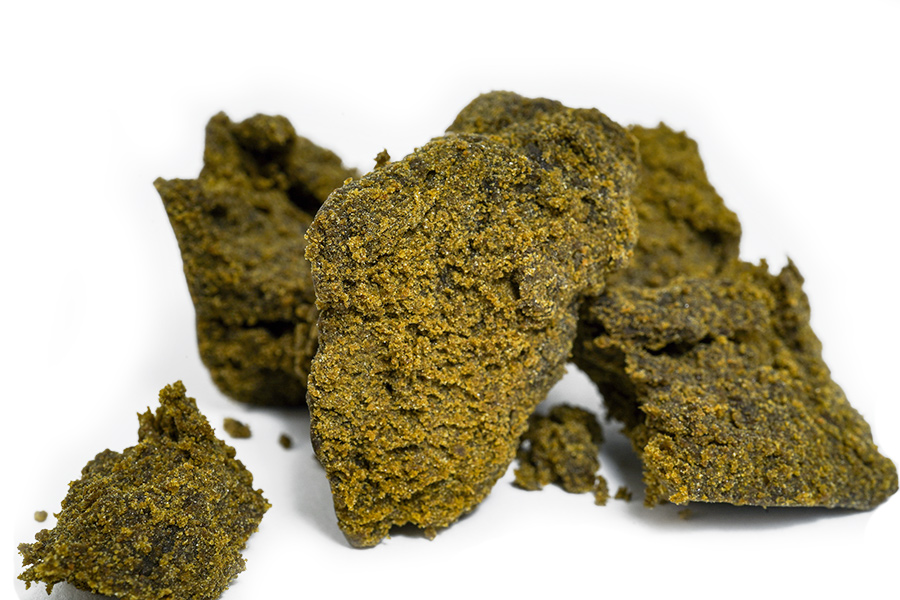
Hashish, commonly referred to as hash, is a condensed cannabis product created through the extraction and compression of the plant’s essential oils, abundant in cannabinoids such as tetrahydrocannabinol (THC) and cannabidiol (CBD).This document details the processes involved in producing hashish, highlighting both traditional and contemporary methods that convert cannabis into a potent and resinous product.
Traditional Hashish Production Methods
- Dry-Sift Technique: One of the most traditional methods, the dry-sift technique involves drying the cannabis plants and then agitating them over a series of fine screens. The agitation dislodges the trichomes—tiny crystalline structures that house the cannabinoids—from the plant material. The resultant powder, known as kief, is then pressed and heated to form solid blocks of hashish.
- Hand-Rubbing Technique: Predominantly practiced in regions like India and Nepal, this method extracts resin by manually rubbing cannabis flowers between the hands. As a result of the friction, the resin adheres to the hands, subsequently scraped off and compacted into hash cakes or balls. This technique frequently maintains an abundant terpene profile owing to the freshness of the plant material employed.
Contemporary Hashish Production Techniques
- Ice Water Extraction: A modern technique that utilizes ice and water to facilitate the separation of trichomes from the plant material. The cannabis is submerged in an ice-water mixture and agitated, which hardens the trichomes and makes them break off more easily. The solution is then filtered through specially designed mesh bags to collect the trichomes, which are dried and pressed into hashish.
- Mechanical Drum Method: Automating the dry-sift process, this method employs a mechanical drum lined with a fine screen. As the drum rotates, it tumbles the dry cannabis, causing the trichomes to fall through the screen. The resulting kief is processed further to produce hashish.
Factors Influencing Quality and Potency
The caliber and strength of hashish are significantly influenced by both the variety of cannabis employed and the extraction technique utilized. Hashish derived from high-quality cannabis or exclusively from flowers is typically more potent and aromatic. The color and texture of hashish are also indicators of quality; darker, softer hashish usually contains more oils, offering more intense effects and flavors.
Conclusion
The production of hashish incorporates a variety of methods, from age-old manual techniques to advanced mechanical processes. Each method contributes distinctively to the quality and properties of the final product. Gaining an understanding of these diverse production techniques sheds light on the artistry and cultural significance embedded in the creation of hashish, reflecting its status as a revered cannabis concentrate.
Types of Hashish and Their Characteristics
Hashish, a concentrated form of cannabis resin, has been utilized for centuries for its diverse effects and therapeutic properties. As the cultivation and processing techniques have evolved, various types of hashish with distinct characteristics have emerged, catering to different preferences and needs. This discourse aims to provide a comprehensive examination of these types, elucidating their individual attributes and nuances.
Types of Hashish:
- Moroccan Hashish:
- Originating from the Rif Mountains of Morocco, this type of hashish is renowned for its earthy flavor and smooth texture.
- Typically produced using traditional methods such as hand-rubbing or sieving, resulting in a high-quality product with a moderate to high potency.
- Moroccan hashish is often characterized by its dark brown or reddish color and malleable consistency, making it easy to handle and mold.
- Afghan Hashish:
- Hailing from the rugged terrain of Afghanistan, Afghan hashish is esteemed for its potent effects and rich aroma.
- Produced primarily from indica-dominant cannabis strains, it is known for its deep relaxation and sedative properties.
- Afghan hashish is commonly dark in color, ranging from brown to black, with a sticky and pliable texture that reflects its high resin content.
- Lebanese Hashish:
- Originating from the fertile valleys of Lebanon, this type of hashish is celebrated for its exquisite flavor profile and smooth smoke.
- Crafted using age-old techniques such as hand-pressing or screen sieving, Lebanese hashish is prized for its purity and clarity.
- Lebanese hashish is characterized by its golden-brown hue and crumbly texture, often emitting a sweet and spicy aroma reminiscent of the region’s terroir.
- Charas:
- Charas, a traditional form of hashish originating from the Indian subcontinent, is revered for its potent effects and spiritual significance.
- Crafted by hand-rubbing fresh cannabis flowers between the palms, charas is esteemed for its purity and intensity.
- Charas exhibits a dark and sticky appearance, with a distinctively aromatic profile that varies depending on the strains used and the region of cultivation.
Conclusion:
In conclusion, the myriad types of hashish offer enthusiasts a diverse range of experiences, each characterized by its unique flavor, potency, and cultural heritage. Whether sourced from the mountains of Morocco, the valleys of Lebanon, or the fields of Afghanistan, hashish continues to captivate aficionados worldwide with its unparalleled richness and complexity. Understanding the characteristics of different types of hashish enables enthusiasts to make informed choices and appreciate the intricacies of this ancient cannabis preparation.
Chemical Composition of Hashish
Hashish, a concentrated form of cannabis resin, has long been revered for its psychoactive and medicinal properties. Understanding its chemical composition is paramount to unraveling its pharmacological effects and therapeutic potential. This discourse endeavors to delve into the intricate molecular makeup of hashish, shedding light on its diverse array of constituents and their implications.
Chemical Constituents:
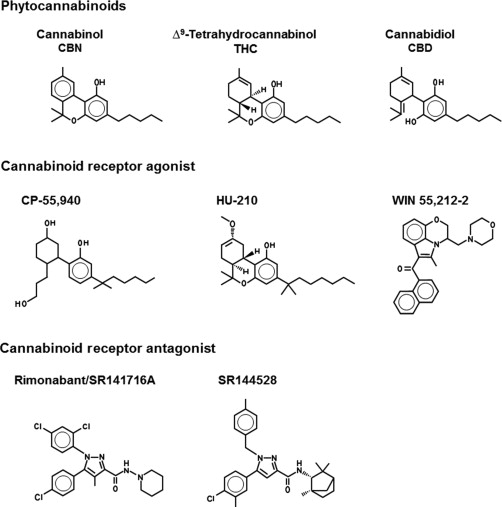
- Tetrahydrocannabinols (THC):
- THC, the principal psychoactive constituent in hashish, operates by engaging with cannabinoid receptors located in the brain and central nervous system, eliciting its effects.
- Hashish typically contains high concentrations of THC, contributing to its potent psychoactive effects and euphoric sensations.
- Variations in THC content can significantly influence the potency and perceived effects of hashish, with some preparations boasting exceptionally high levels of this cannabinoid.
- Cannabidiol (CBD):
- CBD, a non-intoxicating cannabinoid, plays a crucial role in modulating the effects of THC and conferring various therapeutic benefits.
- While hashish tends to be rich in THC, some varieties may also contain significant levels of CBD, imparting a more balanced and nuanced experience.
- The interplay between THC and CBD in hashish contributes to its complex pharmacological profile, influencing factors such as mood, cognition, and pain perception.
- Terpenes:
- Terpenes, aromatic compounds present in cannabis and various other plants, play a role in imparting the unique flavors and fragrances discernible in hashish.
- Hashish contains a diverse array of terpenes, including myrcene, limonene, and pinene, each with its own unique scent and potential therapeutic properties.
- The presence of terpenes in hashish not only enhances its sensory appeal but also modulates its pharmacological effects, influencing factors such as mood, relaxation, and stress relief.
Conclusion:
In conclusion, the chemical composition of hashish is characterized by a complex interplay of cannabinoids, terpenes, and other bioactive compounds. By elucidating the molecular structure of hashish, researchers and enthusiasts alike can gain deeper insights into its pharmacological effects and therapeutic potential. Further exploration of its chemical constituents holds promise for unlocking new avenues in cannabis science and medicine, paving the way for enhanced understanding and utilization of this ancient botanical remedy.
The Legal Status of Hashish Worldwide
Hashish, a concentrated form of cannabis resin, occupies a unique position within global drug policy frameworks. Its legal status varies significantly from one jurisdiction to another, reflecting diverse cultural, social, and political attitudes towards cannabis and its derivatives. This comprehensive discourse aims to provide a detailed examination of the legal landscape surrounding hashish across different countries and regions.
Legal Status by Region:
- North America:
- In Canada, the legal framework for cannabis includes provisions for the legal production and sale of hashish products.
- In the United States, the legal standing of hashish varies from state to state, with certain jurisdictions allowing for its medical and/or recreational utilization, while others uphold stringent prohibition measures.
- Europe:
- Several European countries have adopted progressive cannabis policies, allowing for the legal production, sale, and consumption of hashish under certain regulatory frameworks.
- However, other European nations maintain stringent prohibitionist approaches, criminalizing the possession and distribution of hashish.
- Middle East and North Africa:
- In countries such as Morocco and Lebanon, where cannabis cultivation has deep cultural roots, the legal status of hashish is often ambiguous, with informal or semi-legal markets coexisting alongside prohibitionist laws.
- Conversely, many Middle Eastern countries enforce strict anti-drug laws, imposing severe penalties for the possession and trafficking of hashish.
- Asia-Pacific:
- The legal status of hashish in the Asia-Pacific region varies widely, with some countries adopting strict prohibitionist policies, while others have implemented more lenient approaches, particularly towards medical cannabis.
International Treaties and Conventions:
- The United Nations Single Convention on Narcotic Drugs and subsequent international agreements serve as the foundation of worldwide endeavors to regulate drugs.
- While these conventions classify cannabis and its derivatives, including hashish, as Schedule I substances, some countries have challenged these classifications and advocated for reform within the international drug control regime.
Conclusion:
In conclusion, the legal status of hashish worldwide is characterized by a complex patchwork of laws and regulations, reflecting diverse cultural, social, and political considerations. While some countries have embraced more progressive approaches towards cannabis regulation, others maintain strict prohibitionist policies. As attitudes towards cannabis continue to evolve and shift, the legal landscape surrounding hashish remains subject to ongoing debate and reform efforts at both national and international levels.
Comparing Hashish with Other Cannabis Products
Cannabis, a versatile plant with a rich history of medicinal and recreational use, yields a variety of products, each with its unique characteristics and applications. Among these products, hashish occupies a distinct position as a concentrated form of cannabis resin. This discourse aims to provide a comprehensive comparative analysis of hashish with other cannabis products, elucidating their respective attributes, production methods, and effects.
Hashish:
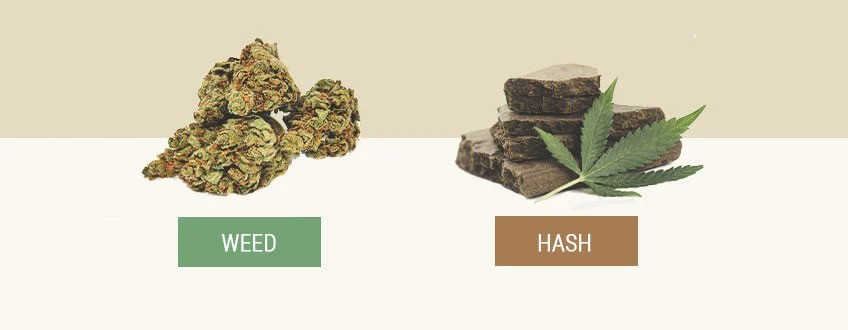
- Definition: Hashish, commonly referred to as hash, is a concentrated cannabis derivative crafted by extracting and compacting the resin glands (trichomes) of the cannabis plant.
- Production: Hashish is traditionally produced through methods such as hand-rubbing, sieving, or mechanical extraction, resulting in a resinous substance that can be further processed into various forms, including blocks, cakes, or balls.
- Potency: Hashish is renowned for its high potency, with THC concentrations typically ranging from moderate to very high levels, depending on factors such as strain, processing technique, and purity.
- Consumption: Hashish can be consumed through various methods, including smoking, vaporization, or ingestion, with effects characterized by a potent psychoactive high and a distinct flavor profile derived from its terpene content.
Other Cannabis Products:
- Marijuana:
- Marijuana denotes the dried flowers, leaves, and stems of the cannabis plant, often ingested for its psychoactive properties.
- Unlike hashish, marijuana contains a lower concentration of THC and a higher proportion of plant material, resulting in a less potent and more variable experience.
- Consumption methods for marijuana include smoking, vaporization, or ingestion, with effects ranging from mild euphoria to intense psychoactive experiences, depending on THC content and individual tolerance.
- Cannabis Concentrates:
- Cannabis concentrates encompass a diverse array of products, including oils, waxes, and shatters, produced through solvent-based extraction methods or mechanical processes.
- Compared to hashish, cannabis concentrates often boast higher THC concentrations and purity levels, offering a potent and efficient means of consumption.
- Consumption of cannabis concentrates typically involves dabbing, vaporization, or ingestion, with effects characterized by rapid onset and intense psychoactive effects.
Conclusion:
In conclusion, the comparison of hashish with other cannabis products highlights the diversity and versatility of cannabis as a botanical resource. While hashish stands out for its concentrated resin content and potent psychoactive effects, other products such as marijuana and cannabis concentrates offer alternative consumption options and effects profiles. Comprehending the differences among these products is crucial for both consumers and policymakers as they navigate the dynamic terrain of cannabis regulation and usage.
Effects of Hashish on the Body and Mind
Hashish, a concentrated form of cannabis resin, profoundly influences both the body and mind, eliciting a broad array of physiological and psychological effects. A thorough comprehension of these effects is vital for deciphering the pharmacological mechanisms of hashish and devising efficient public health strategies. This discussion aims to delve deeply into the physiological and psychological impacts of hashish, encompassing both immediate and enduring repercussions.
Physiological Effects:
- Central Nervous System (CNS) Effects:
- Hashish primarily targets the endocannabinoid system, regulating neurotransmitter release and synaptic communication in the brain.
- Immediate effects may include shifts in mood, perception, and cognitive function, manifesting as euphoria, relaxation, altered time perception, and impaired cognitive abilities.
- Cardiovascular Effects:
- Hashish consumption often leads to temporary increases in heart rate and blood pressure, posing potential risks for individuals with underlying cardiovascular conditions.
- Extended hashish consumption may lead to persistent cardiovascular problems, heightening the likelihood of cardiovascular disease and stroke.
- Respiratory Effects:
- Inhaling hashish smoke exposes the respiratory system to harmful substances like tar, carbon monoxide, and carcinogens.
- Chronic smoking of hashish may result in respiratory symptoms and lung damage akin to those observed in tobacco smokers.
Psychological Effects:
- Mood Alterations:
- Hashish use can induce shifts in mood, spanning from euphoria and relaxation to anxiety and paranoia.
- Individual susceptibility to mood effects may vary depending on factors such as dosage, potency of the strain, and prior experiences with cannabis.
- Cognitive Impairment:
- Acute intoxication with hashish may impair cognitive function, leading to deficits in memory, attention, and executive function.
- Long-term hashish use has been linked to cognitive decline and deficits in cognitive performance, particularly among heavy and habitual users.
Conclusion:
In conclusion, the physiological and psychological impacts of hashish are intricate and multifaceted, encompassing a spectrum of responses within the body and mind. While hashish can induce immediate euphoria and relaxation, it also carries potential risks for cardiovascular and respiratory health, as well as cognitive impairment, especially with prolonged use. A nuanced understanding of these effects is imperative for fostering informed decision-making and implementing targeted interventions to address cannabis-related health concerns. Further research is warranted to delineate the long-term consequences of hashish use and inform evidence-based approaches to mitigate associated risks.
Safety Considerations and Risks of Using Hashish
Hashish, esteemed for its concentrated cannabis resin, offers a potent and distinctive psychoactive experience. However, the consumption of hashish is not without its inherent risks and safety considerations. This discourse aims to meticulously elucidate the safety considerations and potential risks associated with the use of hashish, providing a comprehensive overview to inform individuals and policymakers alike.
Safety Considerations:
- Dosage and Potency:
- Hashish potency can vary significantly, depending on factors such as strain, processing method, and purity.
- Individuals are advised to exercise caution and start with low doses when consuming hashish to avoid overwhelming psychoactive effects and potential adverse reactions.
- Method of Administration:
- The manner in which hashish is consumed, whether through smoking, vaporization, or ingestion, can impact the onset, duration, and intensity of its effects.
- .Each administration method carries its own set of risks and considerations, including respiratory irritation from smoking and delayed onset of effects from ingestion.
- Environment and Setting:
- The setting in which hashish is consumed can profoundly impact the user’s experience and safety.
- Users are encouraged to consume hashish in a safe and familiar environment, free from potential hazards or stressors, to minimize the risk of adverse reactions or accidents.
Potential Risks:
- Acute Psychiatric Effects:
- Hashish consumption may precipitate acute psychiatric symptoms, including anxiety, paranoia, and psychosis, particularly in susceptible individuals.
- Individuals with a history of mental health disorders or substance abuse should exercise caution when using hashish to mitigate the risk of exacerbating underlying conditions.
- Cognitive Impairment:
- Acute intoxication with hashish can impair cognitive function, leading to deficits in memory, attention, and decision-making abilities.
- Persistent and substantial hashish consumption could potentially lead to enduring cognitive decline and impairments in cognitive function.
- Respiratory Health Risks:
- Smoking hashish exposes the respiratory system to harmful byproducts, including tar, carbon monoxide, and carcinogens.
- Chronic hashish smoking may increase the risk of respiratory symptoms, lung irritation, and respiratory diseases, similar to those associated with tobacco smoking.
Conclusion:
In conclusion, the utilization of hashish entails various safety considerations and potential risks that necessitate careful attention and informed decision-making. Individuals should be mindful of dosage, administration methods, and environmental factors to mitigate the likelihood of adverse reactions and safeguard their well-being. Moreover, policymakers and public health authorities are encouraged to implement evidence-based interventions to promote safe hashish use and mitigate associated risks within the broader community. Further research is warranted to elucidate the long-term consequences of hashish consumption and inform comprehensive harm reduction strategies.
