Table of Contents
What is greening out?
Definition of Greening Out: What Does It Mean?
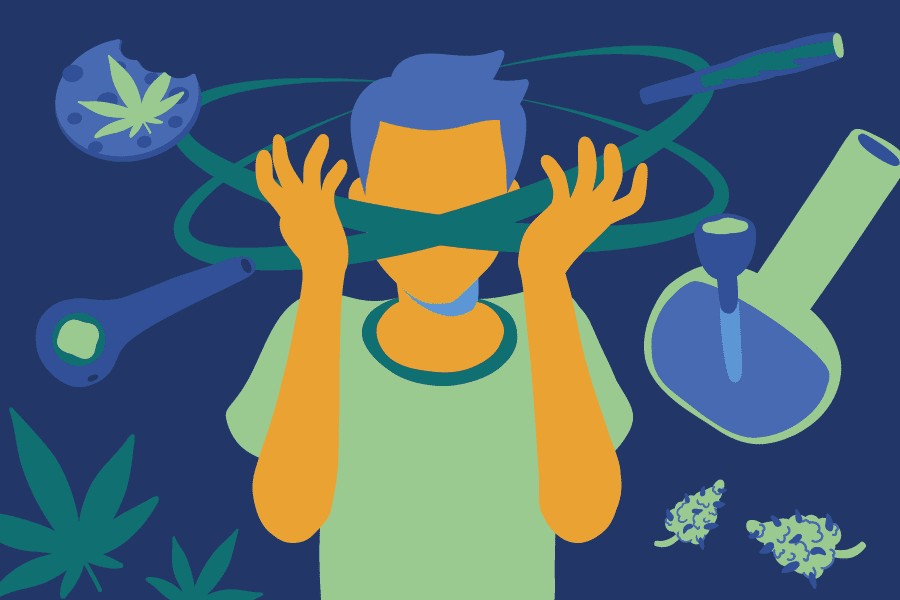
The term “greening out” refers to the adverse reaction experienced by some individuals after consuming a substantial amount of cannabis, particularly novices or those who partake in high doses. This document elaborates on the definition of greening out, discussing its symptoms, the physiological mechanisms at play, and the situations in which it typically occurs.
Definition of Greening Out
Greening out happens when a cannabis user consumes more THC than their body can comfortably manage, resulting in a variety of uncomfortable and occasionally distressing symptoms. This condition is a temporary and often non-serious response, but it can cause significant discomfort.
Symptoms Associated with Greening Out
Individuals who green out may experience a variety of symptoms, including:
- Nausea and Vomiting: These are common and can be quite distressing.
- Dizziness and Loss of Coordination: Affected individuals may feel lightheaded or have trouble walking.
- Pallor and Sweating: These symptoms reflect the body’s stress response.
- Anxiety and Paranoia: Psychological effects can include severe anxiety or feelings of paranoia.
- Cognitive Impairment: Users may face challenges with focusing, memory, and clear thinking.
Physiological Basis of Greening Out
The primary cause of greening out is attributed to excessive THC consumption, which overly stimulates the brain’s cannabinoid receptors, especially those involved in controlling emotions, sensory perception, and gastrointestinal functions. This excessive stimulation can manifest as the physical and psychological symptoms noted above.
Risk Factors and Contexts
Certain factors increase the likelihood of greening out:
- Potency of Cannabis: Consuming cannabis with high THC levels or potent forms like concentrates heightens the risk.
- Experience Level: Individuals new to cannabis or those who use it infrequently are especially susceptible because of their lower tolerance.
- Use of Other Substances: Mixing cannabis with alcohol or other drugs can intensify its effects and the chances of greening out.
Prevention and Coping Strategies
To prevent greening out, users are advised to consume cannabis responsibly, paying close attention to the strain’s potency and their own tolerance levels. Combining cannabis with other substances should be avoided. If greening out occurs, it is important to drink fluids, rest in a calm environment, and have supportive company until the symptoms pass.
Conclusion
Greening out is a temporary condition resulting from excessive cannabis consumption, characterized by a set of physical and psychological symptoms. By understanding these aspects and taking preventive measures, cannabis users can help mitigate the risk of greening out, ensuring a safer and more enjoyable experience. Awareness and responsible consumption are key to managing this condition effectively.
Understanding the Symptoms of Greening Out
Greening out refers to the adverse reaction some individuals experience after consuming excessive amounts of cannabis, especially when high in tetrahydrocannabinol (THC). This state can manifest through a series of physical and psychological symptoms that can be distressing for the user. This document aims to thoroughly outline the symptoms associated with greening out, providing crucial information for users, medical professionals, and educators on how to identify and understand these reactions.
Symptom Profile of Greening Out
The symptoms of greening out can vary widely but generally involve both physical and mental effects that can significantly discomfort the affected individual.
- Physical Symptoms:
- Nausea and Vomiting: These are primary symptoms, with individuals often experiencing intense nausea followed by vomiting.
- Dizziness and Weakness: Users may feel faint and unstable, which can hinder their ability to stand or move securely.
- Pallor: A noticeable paleness may appear, indicating a possible decrease in blood flow.
- Sweating: Profuse sweating can occur irrespective of ambient temperatures, as part of the body’s response to stress.
- Elevated Heart Rate: An increased heartbeat is common and can exacerbate feelings of anxiety and distress.
- Psychological Symptoms:
- Anxiety and Paranoia: Users may feel an acute increase in anxiety, which can escalate to feelings of paranoia and fear.
- Confusion and Disorientation: Cognitive functions may be impaired, leading to confusion and difficulty processing surroundings or situations.
- Panic Attacks: Severe anxiety combined with other symptoms can trigger panic attacks, necessitating immediate and supportive care.
Influencing Factors on Symptom Severity
Several factors can affect the intensity of greening out symptoms, such as the user’s tolerance, the THC potency of the consumed cannabis, how the cannabis is consumed, and whether other substances like alcohol are involved. Individuals new to cannabis or those with low tolerance are more likely to experience severe symptoms.
Symptom Management and Prevention Strategies
Effective management of greening out involves ensuring the individual’s comfort and safety, which includes moving to a calm environment, maintaining hydration, and providing reassurance. Preventative measures focus on moderation and awareness, particularly regarding the potency of the cannabis used and personal consumption limits.
Conclusion
Understanding the symptoms of greening out is essential for cannabis users and those around them to handle such situations appropriately. Knowledge about these potential adverse effects is vital for safe cannabis consumption, especially in areas where its use is becoming increasingly legalized and normalized. Ongoing education about responsible cannabis use is essential for reducing risks and enhancing safety.
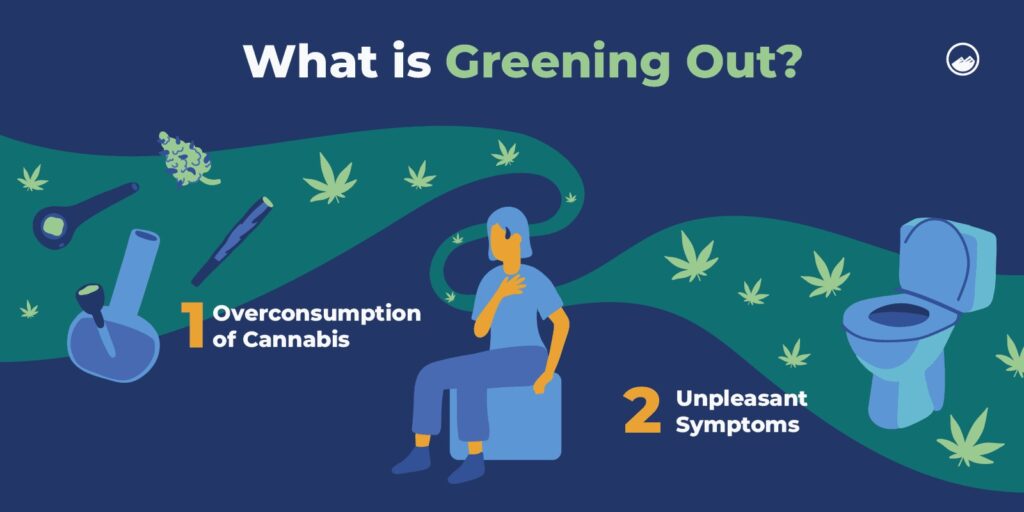
Causes of Greening Out: Why Does It Happen?
Greening out refers to the adverse reactions that occur when an individual consumes more cannabis than their body can handle, especially strains with high levels of tetrahydrocannabinol (THC), the primary psychoactive element in cannabis. This phenomenon is marked by symptoms such as nausea, heightened anxiety, and disorientation. It is crucial for both cannabis users and healthcare professionals to comprehend the factors that lead to greening out in order to effectively prevent and manage its occurrence. This document delves into the various contributors to greening out, explaining the underlying mechanisms.
Key Factors Influencing Greening Out
- Excessive THC Intake: Consuming THC in amounts that surpass the user’s tolerance threshold is the primary cause of greening out. THC interacts with the brain’s cannabinoid receptors, and overstimulation of these receptors can overwhelm the endocannabinoid system, triggering intense physiological and psychological reactions.
- Tolerance Levels: Individuals with lower tolerance, often those new to cannabis or infrequent users, are more prone to greening out. Tolerance develops as the body becomes accustomed to regular THC exposure, increasing the endocannabinoid system’s capacity to manage its effects.
- Cannabis Strain Potency: The strength of the cannabis strain, as measured by its THC concentration, plays a critical role in the likelihood of greening out. Strains with higher THC content can more readily induce excessive THC levels in the body, particularly if the user lacks experience with such potent strains.
- Consumption Method: How cannabis is consumed significantly affects how quickly and intensely its effects are felt. Inhalation (via smoking or vaping) causes a rapid increase in THC levels in the bloodstream, leading to swift and strong effects. Conversely, edibles introduce a delay in onset due to digestion, often leading users to consume more before feeling the initial effects, which can unexpectedly intensify the experience.
- Individual Physiological Differences: Factors such as metabolism rate, body mass, and general health can influence how an individual processes THC. These factors determine how quickly and effectively THC is metabolized, influencing susceptibility to greening out.
- Concurrent Substance Use: Consuming alcohol or other psychoactive substances in conjunction with cannabis can amplify the effects of THC.
- Alcohol, in particular, can increase the absorption of THC, enhancing both its effects and potential adverse reactions.
Conclusion
Greening out typically occurs from consuming an excessive amount of THC relative to one’s tolerance and can be influenced by several variables, including the THC content of the cannabis, the method by which it is consumed, individual physiological traits, and the use of other substances. By recognizing these factors, users can better control their cannabis intake to avoid the uncomfortable symptoms associated with greening out. Continued education on safe cannabis use, especially concerning high-potency products and responsible consumption practices, is essential to minimize the risk of greening out and ensure a safe, enjoyable experience for all users.
Differences Between Greening Out and Other Cannabis Effects
The consumption of cannabis can produce a spectrum of effects, from beneficial therapeutic and recreational experiences to less desirable adverse reactions. “Greening out” represents a specific adverse reaction that occurs when an individual consumes too much cannabis, particularly high-THC strains. This document seeks to clarify how greening out differs from other effects of cannabis, providing essential insights for consumers, medical practitioners, and educators.
Characterization and Symptoms of Greening Out
Greening out involves an intense, uncomfortable response to cannabis overconsumption. Key symptoms include:
- Nausea and Vomiting: Immediate and severe gastrointestinal distress.
- Dizziness and Disorientation: Significant impairment in balance and mental clarity, interfering with daily activities.
- Heightened Anxiety or Paranoia: Extreme feelings of unease or irrational fear, much more severe than typical anxiety effects induced by cannabis.
- Pallor and Sweating: Visible signs of physical distress, including paleness and excessive sweating.
- Cognitive Impairment: Significant reduction in mental sharpness, impacting the ability to think clearly, solve problems, and recall information.
These symptoms are generally short-lived but can be quite severe during their duration.
Contrasts with Other Cannabis Effects
- Euphoria and Relaxation: Commonly sought effects such as relaxation and a sense of well-being are mediated by THC’s influence on the brain’s reward pathways. These effects are enjoyable and much less intense than the overwhelming sensations associated with greening out.
- Dry Mouth and Red Eyes: These mild side effects, including reduced saliva production and dilated blood vessels in the eyes, are typically inconsequential and not distressing.
- Increased Appetite: Known as “the munchies,” this effect involves an enhanced feeling of hunger, which is useful for those needing to increase their food intake for health reasons, contrasting sharply with the nausea and loss of appetite in greening out.
- Long-term Cognitive Changes: For frequent users, cannabis may lead to persistent cognitive effects, impacting memory and learning over time, unlike the sudden and acute cognitive disruption seen in greening out.
- Therapeutic Benefits: Cannabis is valued for medical benefits such as pain relief, anti-inflammatory effects, and seizure control, which are distinctively positive compared to the negative experience of greening out, which offers no therapeutic advantage.
Conclusion
Distinguishing greening out from other cannabis effects is vital for responsible consumption. While cannabis can induce both positive and negative outcomes, greening out is particularly associated with excessive THC intake and manifests through severe and distressing symptoms. Educating users about the potential for greening out and the range of cannabis-induced effects is important for safer usage and better overall experiences with cannabis.
Immediate Steps to Take When Experiencing Greening Out
Greening out is a distressing reaction to excessive consumption of cannabis, typically marked by symptoms such as nausea, anxiety, dizziness, and disorientation. This document outlines essential steps for individuals who experience greening out, aiming to alleviate discomfort and address the condition effectively.
Essential Steps for Immediate Response
- Find a Quiet and Secure Environment: Find a quiet place where you can sit or lie down comfortably. Reducing noise and other distractions can help ease feelings of panic and confusion.
- Maintain Hydration: Drink plenty of water or non-caffeinated fluids to stay hydrated, especially if experiencing nausea and vomiting. It’s important to avoid substances like alcohol and caffeine that could worsen the symptoms.
- Practice Deep Breathing Techniques: Controlled breathing can help manage anxiety and stabilize heart rate. Focus on slow, deep breaths to help control panic.
- Apply Cold Compresses: If you’re feeling overheated or dizzy, applying a cold compress to your forehead or the back of your neck can alleviate discomfort.
- Refrain from More Cannabis: Do not consume additional cannabis as it can intensify symptoms and delay recovery.
- Seek Support from Someone Calm: The presence of a supportive and reassuring person can be crucial. They can also help by contacting medical professionals if symptoms escalate.
Indications for Medical Assistance
Seek medical help if experiencing any of the following:
- Continuous Vomiting: Persistent vomiting may lead to dehydration and requires medical attention.
- Intense Anxiety or Panic Attacks: If psychological symptoms become overwhelming and unmanageable.
- Unconsciousness or Unresponsiveness: Immediate medical intervention is necessary if the individual loses consciousness or becomes unresponsive.
Post-Incident Care
After addressing the immediate symptoms of greening out, consider the following for recovery and future prevention:
- Rest Adequately: Allow ample time for the body to recuperate with sufficient rest. Sleep aids in restoring normal bodily functions.
- Evaluate Cannabis Use: Reflect on your cannabis consumption patterns and consider adjustments to avoid future incidents. Awareness of the potency and amounts consumed can help manage future use.
- Educate on Responsible Consumption: Gain a better understanding of how to use cannabis safely, recognizing personal thresholds and the impacts of various cannabis types and products.
Conclusion
Effectively managing a greening out episode involves taking immediate, informed actions to mitigate symptoms and ensuring safety. Recognizing when to seek professional medical treatment is crucial. After the immediate crisis, it is wise to review and possibly modify cannabis usage habits to prevent similar episodes in the future. Following these guidelines helps users navigate the challenges of cannabis use with greater awareness and safety.
Long-Term Health Implications of Greening Out
Greening out occurs when an individual consumes an excessive amount of cannabis, specifically high-THC strains, leading to acute and uncomfortable symptoms such as nausea, dizziness, and heightened anxiety. While the immediate effects of greening out are widely recognized, the potential long-term health implications of these events require further exploration. This document investigates the long-term consequences that may arise from repeated greening out episodes, evaluating their impact on an individual’s health and quality of life.
Long-Term Mental Health Effects
- Heightened Anxiety and Depression Risks: Frequent greening out can lead to or exacerbate anxiety disorders. The severe anxiety triggered during such episodes can create a lasting association between cannabis use and psychological distress, potentially resulting in chronic anxiety. Moreover, disruptions in neurotransmitter balance may increase susceptibility to depression.
- Risk of Psychotic Symptoms: Excessive intake of THC, particularly through events like greening out, has been linked to an increased likelihood of experiencing psychotic symptoms, including paranoia and hallucinations. Those with a predisposition to psychotic disorders may find that frequent greening out accelerates or intensifies these conditions.
Cognitive and Memory Impairments
Consistent cannabis use involving frequent greening out may impair cognitive functions, particularly affecting memory and learning capabilities. THC’s impact on the hippocampus, a critical brain region for memory, can lead to persistent issues in memory retention, learning processes, and concentration, affecting academic and professional outcomes.
Physical Health Implications
- Cardiovascular Health: The significant rise in heart rate often experienced during greening out could pose long-term risks to cardiovascular health, especially for individuals with pre-existing conditions. Prolonged stress on the cardiovascular system can result in more severe conditions such as hypertension and heart disease.
- Respiratory Issues: Although not a direct consequence of greening out, the inhalation methods commonly used by those at risk (smoking) can deteriorate respiratory health over time, compounding the potential adverse effects of frequent cannabis use.
Preventive Strategies and Recommendations
To mitigate the potential long-term effects of greening out, several preventive strategies should be considered:
- Educational Initiatives: Users should be informed about the dangers of consuming high amounts of THC and how to recognize the early signs of greening out. Knowledge of product potency and personal consumption thresholds is key to safe usage.
- Usage Monitoring: Particularly for inexperienced users or those with mental health vulnerabilities, closely monitoring cannabis intake and preferring lower THC options is advisable.
- Professional Consultation: Individuals encountering recurrent greening out episodes or who are concerned about their cannabis use should consult healthcare professionals for advice and treatment options.
Conclusion
Although greening out typically results in temporary discomfort, the potential for enduring health effects cannot be overlooked. With the increasing legalization and use of cannabis, it is critical to understand and communicate the long-term risks associated with excessive THC consumption, especially through greening out episodes. Ongoing research and proactive health policies will be essential to guide safe cannabis use and safeguard public health.
Prevention Tips: How to Avoid Greening Out
Greening out occurs when an individual experiences negative symptoms such as nausea, anxiety, or dizziness due to consuming excessive amounts of cannabis, especially high-THC varieties. This document offers guidelines designed to assist cannabis consumers in preventing greening out by adopting responsible usage practices and comprehending the factors that lead to this uncomfortable condition.
Understanding Cannabis Potency and Personal Tolerance
- Learn About THC Levels: It is crucial to be aware of the THC content in cannabis products. Different strains and forms of cannabis have varying levels of potency. Choosing products with lower THC or balanced THC-CBD ratios can help mitigate the risk of greening out.
- Assess Your Tolerance: Individual tolerance to cannabis can differ based on factors such as metabolism, cannabis use frequency, and body composition. Beginners or occasional users should start with small doses to evaluate their body’s response to THC.
Adopting Safe Consumption Habits
- Adhere to the ‘Start Low and Go Slow’ Approach: This principle is vital for preventing greening out. Begin with a minimal dose and allow sufficient time to assess its effects, particularly with edibles, which have a delayed onset and can easily lead to overconsumption.
- Avoid Concurrent Substance Use: Combining cannabis with alcohol or other drugs can enhance its effects and raise the likelihood of greening out. For safer consumption, use cannabis separately from other substances.
- Ensure Proper Hydration and Nutrition: Using cannabis on an empty stomach can intensify its effects. Make sure to stay hydrated and eat adequately before consuming cannabis to help buffer its impact.
Environmental and Social Settings
- Consume in a Secure Environment: The setting in which you use cannabis can affect your experience. Opt for a safe, comfortable, and relaxed setting to decrease the possibility of adverse reactions.
- Surround Yourself with Supportive People: Consuming cannabis in the presence of trusted friends or acquaintances can offer emotional support and practical help should adverse effects arise.
Identifying Early Warning Signs of Greening Out
- Monitor Your Responses: Keep an eye on both your physical and mental reactions during and after cannabis use. Early indicators of greening out include excessive anxiety, rapid heartbeat, or nausea. Recognizing these signs promptly can enable you to take steps to alleviate them, such as ceasing consumption, engaging in relaxation techniques, or seeking a more soothing setting.

Conclusion
Preventing greening out involves informed and cautious management of cannabis consumption. By understanding THC content, recognizing personal tolerance, and practicing safe consumption strategies, users can significantly lower the risk of experiencing greening out. Creating a supportive environment and being attentive to one’s physical and mental responses are also key to ensuring a positive and safe cannabis experience. Continuous education and awareness about responsible cannabis use are paramount as usage becomes more prevalent, aiming to minimize negative outcomes and promote overall safety and well-being.
Legal and Safety Considerations for Cannabis Users
As cannabis legalization expands across various jurisdictions, it is imperative for users and prospective users to understand the legalities and safety protocols associated with its consumption. This document provides a detailed overview of critical legal and safety factors that individuals need to consider to comply with laws and ensure personal and public safety.
Legal Considerations
- Understanding Local Laws: The legal status of cannabis varies widely by country, state, and local municipality. Users must be well-informed about local laws concerning cannabis use, including possession limits, age requirements, permissible locations for consumption, and regulations surrounding purchase from authorized dispensaries.
- Medical vs. Recreational Regulations: There are distinct differences in regulations for medical and recreational cannabis. Medical users typically require authorization from a healthcare provider and may be allowed different privileges compared to recreational users, such as higher possession limits and access to different products.
- Impairment and Machinery Operation: Operating vehicles or heavy machinery while under the influence of cannabis is both illegal and hazardous due to THC’s impairment of cognitive and motor functions. Users must be cognizant of the significant safety risks and legal consequences tied to these activities.
- Travel Restrictions: Transporting cannabis across state lines or international borders remains illegal in most cases, even between locations where cannabis is legalized. Users planning to travel should verify the laws applicable at their destination and origin to avoid legal complications.
Safety Considerations
- Dosage and Method of Intake: Proper understanding of dosages and consumption methods is crucial for safe use. Different methods, such as inhalation, edibles, and topicals, have varying effects and onset times, particularly edibles, which may lead to overconsumption due to their delayed effects.
- Drug Interactions: Cannabis can interact with prescription medications, alcohol, and other controlled substances, potentially leading to adverse health effects. Users should consult with healthcare providers to discuss potential drug interactions.
- Secure Storage: To prevent accidental consumption, especially by children or pets, cannabis should be stored securely in child-proof containers and kept out of reach. This prevents accidental ingestion and maintains the integrity and potency of the product.
- Considerations for Mental Health: Cannabis consumption has been associated with worsening symptoms in individuals with existing mental health conditions. Those with mental health concerns should approach cannabis use with caution and ideally under medical advice.
Conclusion
Compliance with legal requirements and adherence to safety guidelines are paramount for responsible cannabis use. Users must remain informed of their local cannabis laws and continually educate themselves about the best practices for safe consumption. With the evolving landscape of cannabis legalization, ongoing education will play a crucial role in ensuring users are both legally protected and health-conscious.
