Table of Contents
What is dabbing weed?
Definition of Dabbing: An Introduction
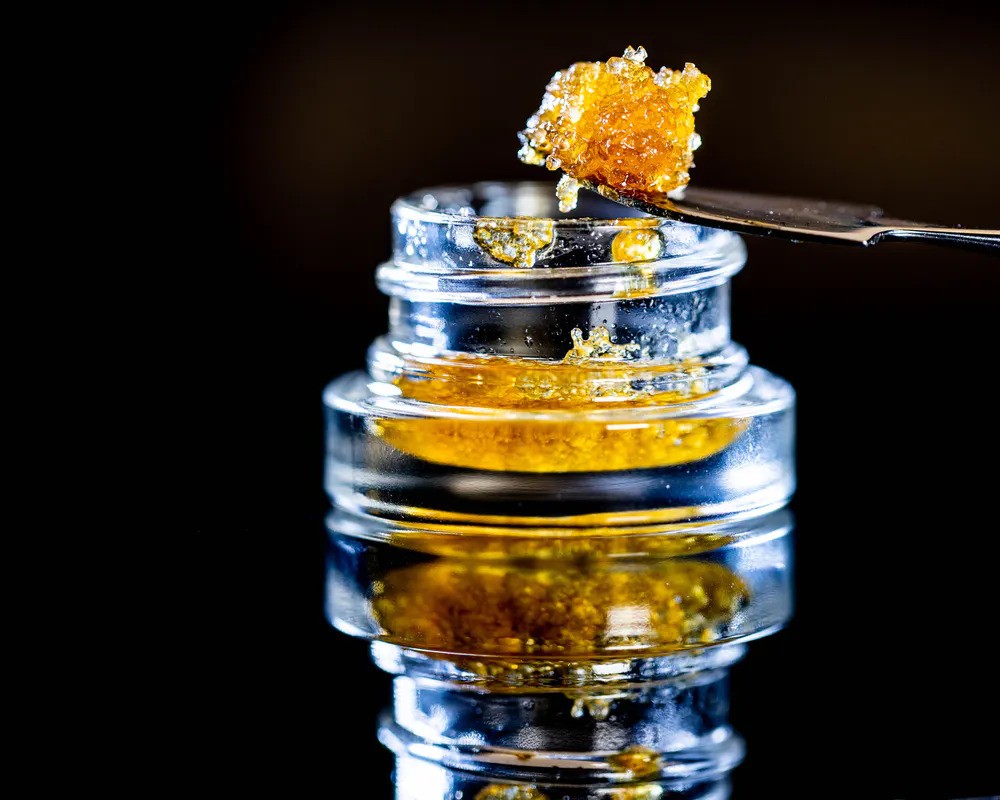
Dabbing is a contemporary technique for consuming highly concentrated forms of cannabis, known for delivering potent effects efficiently. This method involves vaporizing small quantities of cannabis concentrates often referred to as dabs which include varieties such as wax, shatter, and rosin. These concentrates are rich in cannabinoids like tetrahydrocannabinol (THC) and terpenes. This document aims to elucidate the dabbing process, detailing the equipment involved, and examining its increasing popularity within the broader cannabis culture.
Defining Dabbing and Its Features
Dabbing is a method that involves the vaporization of concentrated cannabis extracts. These extracts are applied to a heated surface and then inhaled, offering an intense and rapid delivery of cannabis’s active compounds. The term ‘dab’ stems from the dosage of concentrate used, typically a small, potent quantity.
Essential Equipment and Procedure
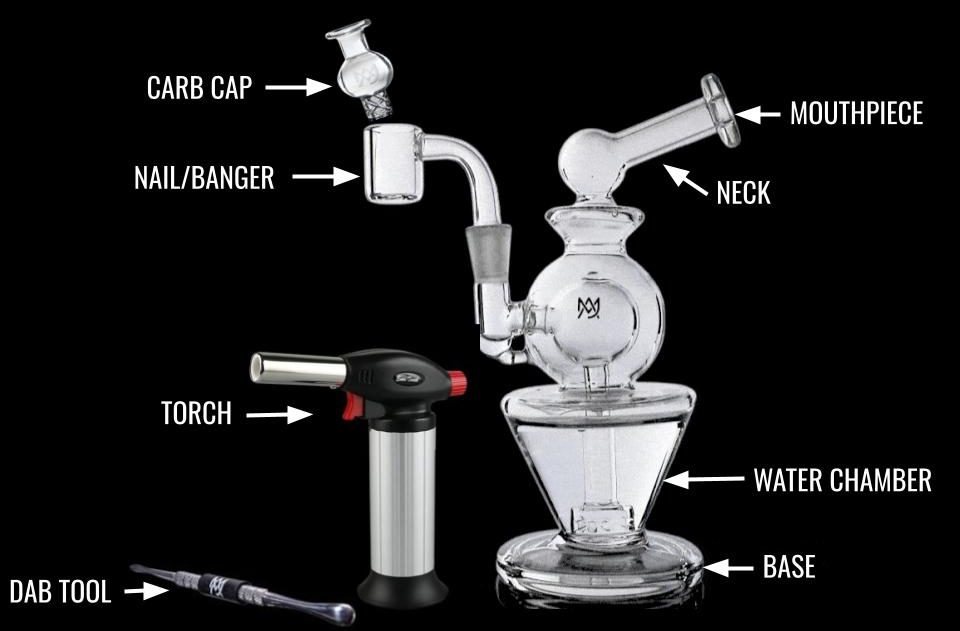
- Dab Rig: Central to the dabbing process, the dab rig resembles a traditional water pipe but is specifically designed for dabbing. It includes a water filtration system that cools the vapor, making the inhalation process smoother.
- Nail: A crucial component that is heated with a torch or electric heater to vaporize the concentrate. Nails can be made from materials such as titanium, quartz, or ceramic, each affecting the heating efficiency and user experience differently.
- Dabber: A tool used to apply the concentrate to the hot nail. Dabbers are made from materials that can withstand high temperatures, such as metal, glass, or ceramic.
- Torch: Typically butane-fueled, the torch is used to heat the nail to the requisite temperature for vaporizing the concentrate effectively.
- Carb Cap: This optional tool covers the nail after the dab is applied, helping to maintain an optimal temperature and airflow for efficient vaporization at lower temperatures.
Cultural Relevance and Popularity
The practice of dabbing has gained traction for its ability to deliver high concentrations of cannabinoids and terpenes quickly and effectively. This appeals to both medical users, who may seek immediate relief from symptoms like pain or nausea, and recreational users desiring a profound psychoactive experience. As cannabis legalization progresses, the dabbing subculture continues to flourish, with aficionados appreciating both the art of concentrate production and the innovation in dabbing technologies.
Conclusion
Dabbing showcases the evolution of cannabis consumption technologies and techniques, emphasizing efficiency and potency. It caters to a broad audience, offering significant benefits for those requiring strong, rapid effects and those exploring the depth of recreational cannabis use. Understanding the technical aspects of dabbing from the specialized equipment to precise consumption methods is crucial for anyone interested in engaging with this powerful and unique form of cannabis intake.
The Evolution of Dabbing in Cannabis Culture
Dabbing, which involves the vaporization of concentrated cannabis extracts, marks a profound advancement in the methods of cannabis consumption. From its humble beginnings to becoming a staple within the community, dabbing has reshaped how cannabis is perceived and used. This document delves into the historical evolution, key developments, and the modern-day significance of dabbing in cannabis culture, highlighting its transformative impact on both consumers and the industry.
Historical Beginnings
Initially surfacing in the 1970s, dabbing only began to capture significant attention in the early 2000s. The early techniques for producing cannabis concentrates were primitive and often hazardous. The advent of solvent-based extraction methods, like those using butane, significantly enhanced the quality and safety of concentrates, contributing to the broader adoption of dabbing.
Technological and Innovative Advancements
Advancements in extraction technology have been crucial to the progression of dabbing. The introduction of closed-loop extraction systems improved safety and efficiency, yielding purer, stronger concentrates. These technological advances not only made dabbing more accessible but also helped it gain mainstream acceptance.
The evolution of dabbing equipment has also played a role in its popularity. Modern dab rigs offer sophisticated features such as precise temperature controls, allowing for a more refined and enjoyable experience.
Cultural Transformation
Dabbing has deeply influenced cannabis culture, fostering a new level of expertise and interest in the scientific aspects of cannabis. This has cultivated a consumer base that prioritizes knowledge about the chemical makeup of cannabis and safe consumption practices.
Moreover, the rise of dabbing has spurred significant discussions around cannabis regulations. The potent nature of concentrates and the methods used in their production have led to calls for stringent safety and quality standards, positioning dabbing at the center of regulatory debates.
Current Cultural Significance
In contemporary times, dabbing transcends its role as merely a consumption method; it has sparked a cultural movement. This movement encompasses glass artists, cannabinoid researchers, and policy reform advocates, all contributing to a dynamic subculture. Dabbing intertwines with elements of art, science, and technology, reflecting its broad influence within the cannabis community.
Conclusion
The trajectory of dabbing in cannabis culture underscores a significant shift in cannabis consumption and public perception. From its obscure origins to becoming a sophisticated and celebrated practice, dabbing has not only influenced the commercial cannabis sector but also enriched the cultural fabric of the community. As technological innovations and societal attitudes continue to evolve, dabbing is poised to shape future trends in cannabis use and regulation, symbolizing its pivotal role in the ongoing dialogue around cannabis.
Different Types of Cannabis Concentrates Used for Dabbing
Cannabis concentrates, derived from extracting essential compounds from the cannabis plant, are highly potent and designed specifically for dabbing. These products are celebrated for their concentrated levels of cannabinoids and terpenes, delivering intense effects and distinct flavors. Concentrates vary based on their extraction methods, which influence their consistency, potency, and usability. This document examines the various types of cannabis concentrates used in dabbing, detailing their production processes, unique features, and typical uses.
Types of Cannabis Concentrates
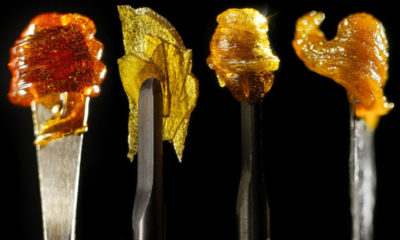
- Wax: This pliable concentrate can range from soft and malleable (often called budder) to hard and brittle (known as crumble). Wax is typically produced using solvent-based extraction methods such as butane or CO2. Its texture and consistency vary depending on extraction techniques and post-processing.
- Shatter: Recognizable by its transparent, glass-like appearance, shatter is a solid concentrate that snaps easily. It is made using a solvent extraction process, most commonly with butane, and requires careful purging to remove solvents while retaining its translucent form.
- Rosin: Gaining popularity for its solvent-free extraction process, rosin is produced by applying heat and pressure to either cannabis flowers or pre-processed hash, releasing a resin-rich in cannabinoids and terpenes. This method is valued for preserving the natural profile of the plant.
- Live Resin: This concentrate is made from cannabis plants that are flash-frozen immediately after harvest to preserve their terpenes. The extraction uses solvents like butane or propane to capture the plant’s aromatic and flavor profiles, which are often diminished during the drying and curing processes.
- Distillate: Known for its extreme purity and potency, distillate is produced through a distillation process that isolates cannabinoids and terpenes from impurities and plant matter. This results in a clear, potent oil that can reach up to 99% cannabinoid content and is devoid of taste and smell.
Characteristics and Uses
Each type of concentrate has specific attributes that make it suitable for various applications:
- Wax and Budder: These are favored for dabbing due to their manageability and robust potency, accommodating both novices and seasoned users.
- Shatter: Preferred for its potent effects and stability, shatter is ideal for those who appreciate longevity and ease of storage.
- Rosin: Chosen for its chemical-free extraction and rich terpene content, rosin is perfect for users who prioritize a natural extraction process and full-flavored dabs.
- Live Resin: Valued for its unmatched flavor and aroma, live resin appeals to enthusiasts who place a premium on the sensory experience of cannabis.
- Distillate: Due to its high potency and versatility, distillate is extensively used in dabbing as well as in edibles and topicals, suitable for those seeking powerful effects without additional flavors.
Conclusion
The array of cannabis concentrates available for dabbing offers a diverse selection, each with distinct methods of extraction and resultant properties. From the natural extraction of rosin to the high-tech purity of distillate, these concentrates meet a wide range of consumer preferences, enhancing the dabbing experience with varying textures, potencies, and flavors. Familiarity with the different types of concentrates enables consumers to make informed decisions, optimizing their usage to achieve desired effects and experiences.
Equipment Needed for Dabbing: Rigs, Torches, and Tools
Dabbing, a method used to consume concentrated cannabis, involves a specific set of tools designed to vaporize and inhale these potent substances efficiently. The equipment required for dabbing includes various components that together facilitate the effective delivery of the product. This document outlines the critical pieces of equipment needed for dabbing, including detailed descriptions of rigs, torches, and essential tools, each contributing to an optimal dabbing setup.
Dab Rigs: Central Equipment for Dabbing
A dab rig is the cornerstone of the dabbing process, analogous to a bong but specifically tailored for cannabis concentrates:
- Base: Functions as the water chamber, which cools the vapor for smoother inhalation.
- Dome: Serves as a shield around the nail, helping to maintain vapor density and quality.
- Nail: The critical component where concentrates are vaporized. It can be made from materials such as quartz, titanium, or ceramic, each offering unique benefits in terms of heat retention and resistance.
- Dabber: Used to apply the concentrate to the heated nail, made from heat-resistant materials like glass, metal, or ceramic.
Heating Devices: Torches and E-Nails
- Torch: Typically powered by butane, torches are used to heat the nail to the temperatures necessary for vaporizing concentrates.
- E-Nail (Electric Nail): Provides an alternative to manual torches by offering precise temperature control and consistent heat, ideal for regular users seeking ease and consistency in their dabbing experience.
Supportive Tools and Accessories
- Carb Cap: This tool is placed over the nail after the concentrate is added, helping to regulate airflow and pressure to maximize vaporization efficiency and flavor.
- Dab Mat: A heat-resistant mat that protects underlying surfaces from spills and heat, placed beneath the dab rig.
- Reclaim Catcher: An accessory that attaches to the rig, capturing excess concentrate that can be reused, enhancing efficiency and minimizing waste.
- Cleaning Supplies: To maintain the equipment’s effectiveness and cleanliness, items such as isopropyl alcohol, cotton swabs, and pipe cleaners are indispensable for regular maintenance.
Conclusion
Understanding and assembling the correct dabbing equipment is essential for effectively utilizing cannabis concentrates. Each element of the setup, from the rig itself to the tools that facilitate heating and vapor management, plays a critical role in achieving a satisfying dabbing experience. For enthusiasts, both novice and experienced, proper investment in and maintenance of dabbing equipment significantly enhances the quality and enjoyment of dabbing. Ensuring familiarity with each component’s role and upkeep will lead to a more efficient, enjoyable, and safe consumption experience.
The Process of Dabbing: Step-by-Step Guide
Dabbing is an advanced method of consuming cannabis that involves vaporizing cannabis concentrates like wax, shatter, or rosin on a heated surface commonly known as a nail and inhaling the resultant vapor. This technique is favored for its ability to deliver potent effects swiftly and is geared towards experienced cannabis users seeking a more intense experience. This document outlines a precise, step-by-step guide to the dabbing process, equipping both beginners and seasoned users with the knowledge to dab safely and effectively.
Required Equipment
To begin dabbing, ensure the availability of the following equipment:
- A dab rig (a specialized type of water pipe for dabbing)
- A nail (made from materials such as quartz, ceramic, or titanium)
- A torch (preferably butane)
- A dabber (a tool used for applying the concentrate)
- A carb cap (optional, for better airflow control)
- Cannabis concentrate (such as wax, shatter, or rosin)
Dabbing Procedure
- Setup:
- Clean the dab rig thoroughly and ensure it is stable on a flat surface.
- Securely attach the nail to the dab rig.
- Heating the Nail:
- Heat the nail uniformly using the torch until it glows red-hot. The duration of heating will depend on the material of the nail; quartz typically requires about 20-30 seconds, while titanium or ceramic may need slightly longer.
- Allow the nail to cool briefly to achieve the optimal temperature for vaporizing the concentrate. Cooling times can vary; quartz usually cools in about 10 seconds, whereas titanium might take about 45 seconds.
- Applying the Concentrate:
- Place a small dab of concentrate onto the nail using the dabber.
- It is recommended to begin with a small quantity to assess the potency and prevent excessive consumption.
- The concentrate will immediately start to vaporize upon contact with the hot nail.
- Inhaling the Vapor:
- Slowly inhale the vapor through the dab rig’s mouthpiece. The water in the rig will cool the vapor, making the inhalation process smoother.
- Utilizing the Carb Cap:
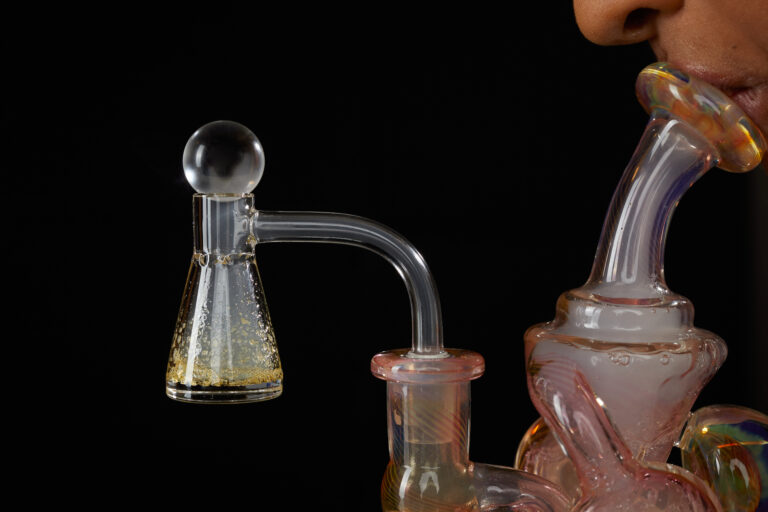
- If utilizing a carb cap, position it over the nail once the concentrate has been applied. This device helps manage airflow and maintains a lower temperature for vaporization, which can enhance flavor and efficiency.
- Finishing Up:
- Continue inhaling until all the concentrate has vaporized.
- Clean the rig after each use to prevent residue buildup and maintain hygiene and performance. Residual concentrate can be removed with isopropyl alcohol and cotton swabs.
Conclusion
Dabbing is a precise method for consuming cannabis concentrates that provides strong and immediate effects. By adhering to these detailed instructions, users can ensure a safe and enjoyable dabbing experience. As with any potent cannabis product, moderation is crucial, and users should be cautious of the high potency of concentrates to avoid adverse effects. Proper technique and responsible consumption are key to maximizing the benefits of dabbing while maintaining safety.
Safety Considerations and Best Practices in Dabbing
Dabbing, a method for consuming highly concentrated cannabis via a specialized apparatus known as a dab rig, entails specific safety concerns due to the intense potency of the concentrates and the complex nature of the equipment. This document outlines essential safety measures and best practices to mitigate risks, ensuring both a safe and enjoyable dabbing experience. Key focus areas include correct equipment handling, cautious use of highly potent concentrates, and maintaining a clean and orderly dabbing setup.
Critical Safety Considerations for Dabbing
- Handling of Concentrates: Cannabis concentrates used in dabbing often have elevated levels of THC, leading to potent psychoactive effects. Users should handle these concentrates cautiously, starting with smaller amounts to gauge their tolerance, especially if they are inexperienced with dabbing.
- Heat and Flame Safety: Dabbing requires the use of open flames and high temperatures. Users must exercise extreme caution to avoid burns or other fire-related hazards, ensuring that heating elements like torches are handled responsibly and never left unattended.
- Ensuring Proper Ventilation: Effective ventilation is crucial while dabbing to prevent the buildup of potent vapors, which could lead to respiratory discomfort or health issues. It is advisable to dab in well-ventilated areas to ensure that vapors dissipate effectively.
Best Practices for a Safe Dabbing Experience
- Invest in Quality Equipment: Opt for high-quality dabbing equipment, which not only performs better but also incorporates safety features that minimize the risk of accidents. Features such as stable bases and heat-resistant handles can enhance safety.
- Maintain Equipment Regularly: Keep all dabbing equipment clean and in good working condition. Regular maintenance helps avoid residue buildup, which can degrade the dabbing experience and pose safety risks. Consistently examine and replace any parts that are worn or damaged.
- Dab in Controlled Settings: Conduct dabbing activities in a controlled, uncluttered environment, free from flammable materials. This minimizes the risk of accidental fires.
- Educate Yourself and Peers: Being informed about the specifics of the concentrates, the dabbing process, and the equipment is crucial. Educating oneself and others about these aspects can prevent misuse and accidents, promoting a safer dabbing environment.
- Prevent Contamination: Always use clean, dedicated tools for handling concentrates to avoid contamination. Reusing disposable tools can introduce impurities and degrade the quality of the concentrates.
Conclusion
While dabbing offers a potent and effective method for consuming cannabis, it also introduces several safety challenges that must be carefully managed. Adhering to the provided safety considerations and best practices can significantly reduce these risks and enhance the dabbing experience. Proper handling of concentrates, meticulous management of equipment, and maintaining a clean and orderly environment are crucial for promoting safety and responsibility in cannabis concentrate use. Through diligent practice and education, both novice and experienced dabbers can ensure their safety while enjoying the benefits of cannabis concentrates.
The Effects of Dabbing: Potency and Experience
Dabbing, a method of consuming highly concentrated cannabis via vaporization, is renowned for its potent effects and rapid onset. This technique involves heating cannabis extracts such as wax, shatter, or rosin on a hot surface, typically called a nail, and inhaling the vapor produced. These concentrates are significantly richer in cannabinoids and terpenes compared to traditional cannabis flower, offering a more intense experience. This document delves into the potency and the experiential aspects of dabbing, outlining its physiological and psychoactive impacts.
Potency of Cannabis Concentrates Used in Dabbing
Dabbing is particularly noted for the high potency of its concentrates. With THC levels often ranging between 50% and over 90%, these concentrates deliver effects that are much more pronounced than those from dried cannabis flowers, which typically contain 10% to 25% THC. This high level of potency makes dabbing a preferred method for those seeking strong and immediate relief from various symptoms, including chronic pain, intense nausea, and severe anxiety.
Physiological Effects
The physiological effects of dabbing are significant, attributable to the high THC concentrations:
- Increased Heart Rate: Users may notice a rapid increase in heart rate shortly after dabbing, which can be concerning for those with heart conditions or who are new to this method.
- Intense Euphoria: The elevated levels of THC can cause profound feelings of euphoria, contributing to dabbing’s popularity for recreational purposes.
- Effective Pain Relief: Due to the concentrated cannabinoids, dabbing can offer substantial pain relief, beneficial for managing severe and persistent pain.
- Enhanced Sensory Awareness: Many users report an enhancement in their sensory perception, including more vivid visual, auditory, and gustatory experiences.
Psychoactive Effects
Dabbing induces significant psychoactive effects due to the swift absorption of high doses of THC:
- Cognitive Effects: Users might experience issues like short-term memory impairment and decreased attention span while under the influence.
- Altered Mental State: Higher doses or inexperienced users may face feelings of paranoia, anxiety, or disorientation.
- Mood Changes: The intense influx of THC can also lead to rapid changes in mood, affecting users’ emotional states unpredictably.
User Experience Considerations
The user experience with dabbing can vary greatly based on individual tolerance, the specific concentrate used, and the dabbing technique employed. Despite its medical and recreational efficacy, dabbing necessitates careful dose management and an acute awareness of one’s tolerance level. Novices, in particular, are encouraged to start with minimal amounts because of the method’s potency.
Conclusion
Dabbing stands out as an effective but potent method for consuming cannabis concentrates. Due to its high THC levels, it is essential for users to approach dabbing with caution and a well-informed perspective, especially those who are new or have a lower tolerance. Recognizing both the physiological and psychoactive effects is crucial for ensuring safe consumption and achieving desired outcomes, whether for pleasure or therapeutic purposes. As dabbing continues to gain in popularity, the importance of educated and responsible usage becomes increasingly critical.
Health Implications of Dabbing Compared to Other Methods
Dabbing, a technique for consuming highly concentrated cannabis via vaporization, is noted for its potency and the immediacy of its effects. This method involves vaporizing a small amount of cannabis concentrate at high temperatures and inhaling the vapor produced. Given dabbing’s increasing prevalence, it is crucial to assess its health implications relative to other cannabis consumption methods, such as smoking, edibles, and vaporizing flowers. This document reviews the specific health risks and benefits associated with dabbing and compares them with those of other methods.
Health Risk Comparisons
- Respiratory Health:
- Dabbing: Although dabbing produces vapor rather than smoke, the high temperatures required can potentially release harmful chemicals from the concentrate, depending on its purity and the construction materials of the dab rig. This includes the risk of inhaling toxic byproducts, some of which may be carcinogenic.
- Smoking: Smoking cannabis flower involves combustion, introducing tar and carcinogens to the lungs, akin to tobacco smoke exposure. This method significantly increases the risk of respiratory conditions such as chronic bronchitis.
- Vaporizing Flowers: Vaporizing cannabis flower is generally considered less harmful than smoking because it heats the cannabis to a point where cannabinoids are released without burning the plant material, thereby reducing the intake of harmful combustion byproducts.
- Potency and Dosing Accuracy:
- Dabbing: Dabbing uses cannabis concentrates known for high THC content, which can lead to more pronounced and immediate psychoactive effects. This increases the likelihood of overconsumption, potentially leading to acute psychological effects like anxiety or paranoia.
- Edibles: The challenge with edibles lies in their delayed onset of effects, which can lead to overconsumption. However, because THC from edibles is metabolized through the digestive system, it bypasses the lungs, mitigating respiratory risks.
- Smoking and Vaporizing: Both methods offer more controlled dosing than dabbing, with effects that are less immediate than concentrates but more consistent than those of edibles.
- Dependency and Chronic Usage:
- Dabbing: The accessibility of high levels of THC in dabbing may heighten the risk for cannabis use disorders and tolerance, necessitating larger doses for the same effects.
- All Methods: Regular use of any cannabis product with high THC levels can lead to dependency and increased tolerance, with the risk level influenced by the usage pattern, product potency, and individual factors.
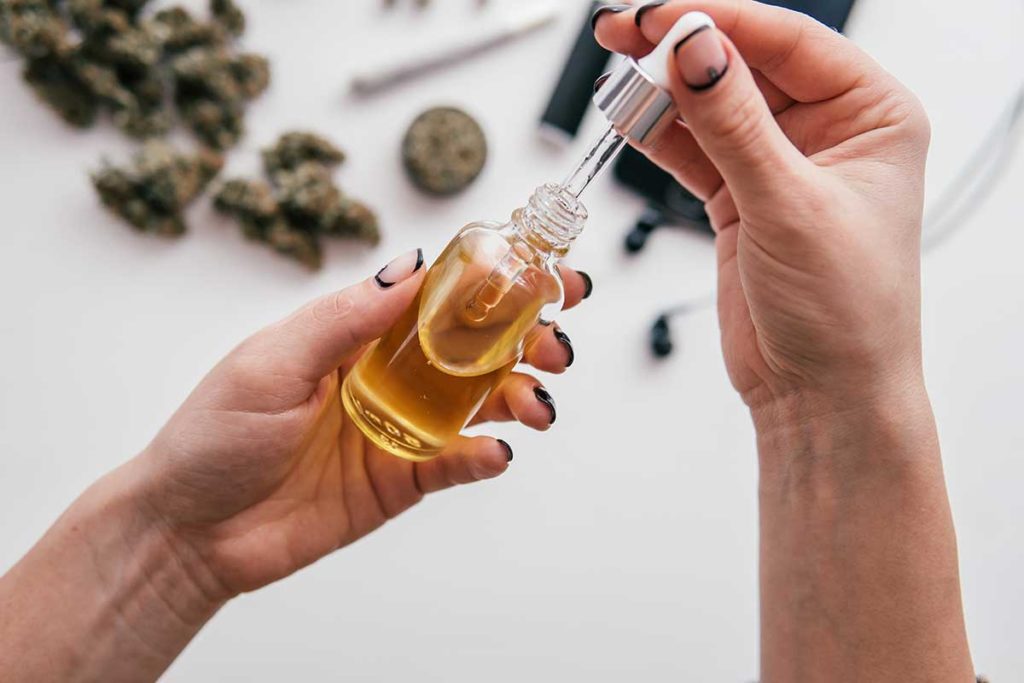
Advantages of Dabbing
Despite its potential risks, dabbing provides certain advantages over other methods:
- Efficiency: For medicinal users needing large doses of THC or CBD, dabbing can efficiently deliver these cannabinoids in a potent form.
- Reduced Smoke Exposure: Properly conducted, dabbing generates vapor rather than smoke, potentially containing fewer carcinogens than smoke from burning plant material.
Conclusion
Dabbing offers a potent and effective method for cannabis consumption but comes with notable risks primarily due to the high temperatures and concentration levels involved. Consumers should carefully consider their health, tolerance, and objectives when choosing their preferred method of cannabis consumption. Knowledge of these factors is essential to minimize potential health risks while optimizing the therapeutic benefits of cannabis.
Legal Status of Dabbing Across Various Regions
Dabbing, which involves vaporizing cannabis concentrates using specialized equipment known as dab rigs, has gained popularity due to its effectiveness in delivering potent and immediate effects. However, the legal status of dabbing is subject to the diverse cannabis laws that vary significantly across different regions. This document provides a detailed analysis of how dabbing is regulated around the world, exploring the legal nuances in various jurisdictions and the factors influencing these laws.
Regional Legal Perspectives on Dabbing
The legality of dabbing largely depends on overarching cannabis laws within each region, which address issues such as possession, use, and distribution of cannabis and its derivatives, including concentrates.
- United States:
- Cannabis legality in the U.S. is determined by individual states. States like Colorado and California have legalized cannabis for both medical and recreational uses, which includes dabbing. However, in states where cannabis remains illegal, so too does dabbing. At the federal level, cannabis, including concentrates, remains classified as a Schedule I controlled substance, though enforcement is often dependent on state policies.
- Canada:
- With the nationwide legalization of recreational cannabis in 2018 via the Cannabis Act, Canada allows the use, production, and distribution of cannabis concentrates. This law makes dabbing legal across all provinces and territories, with specific regulations regarding concentration levels and packaging standards.
- European Union:
- The legal status of dabbing varies dramatically across the EU, reflecting the diverse approaches of member states to cannabis regulation. For example, the Netherlands permits the sale and use of cannabis, including concentrates, in regulated coffee shops, whereas countries like France and Sweden enforce strict prohibitions on all forms of cannabis use.
- Australia:
- While medical cannabis is legal federally in Australia, including approved concentrates, recreational use remains prohibited. While some states have decriminalized the possession of small quantities of cannabis, recreational dabbing is typically prohibited.
- Asia:
- In many Asian countries, strict laws against cannabis persist. Nations like Japan and South Korea impose severe penalties for any form of cannabis possession or use, including dabbing.
Influencing Factors on Legal Status
Several key factors influence the legal status of dabbing worldwide:
- Cultural Attitudes: In regions with a historical acceptance of cannabis, laws tend to be more lenient.
- Medical vs. Recreational Distinction: Jurisdictions often differentiate between medical and recreational cannabis uses. Areas recognizing the medicinal benefits of cannabis are more likely to legalize concentrates for medical purposes.
- International Agreements: Participation in international drug control treaties can restrict countries from legalizing cannabis, affecting local laws related to dabbing.
Conclusion
The legality of dabbing differs widely, shaped by each region’s specific cannabis regulations and influenced by cultural attitudes, medical recognitions, and international treaties. As global views on cannabis evolve, changes in the legal status of dabbing may occur. Those interested in dabbing should stay informed of the laws specific to their locality to ensure they comply with regional regulations and avoid legal issues.
