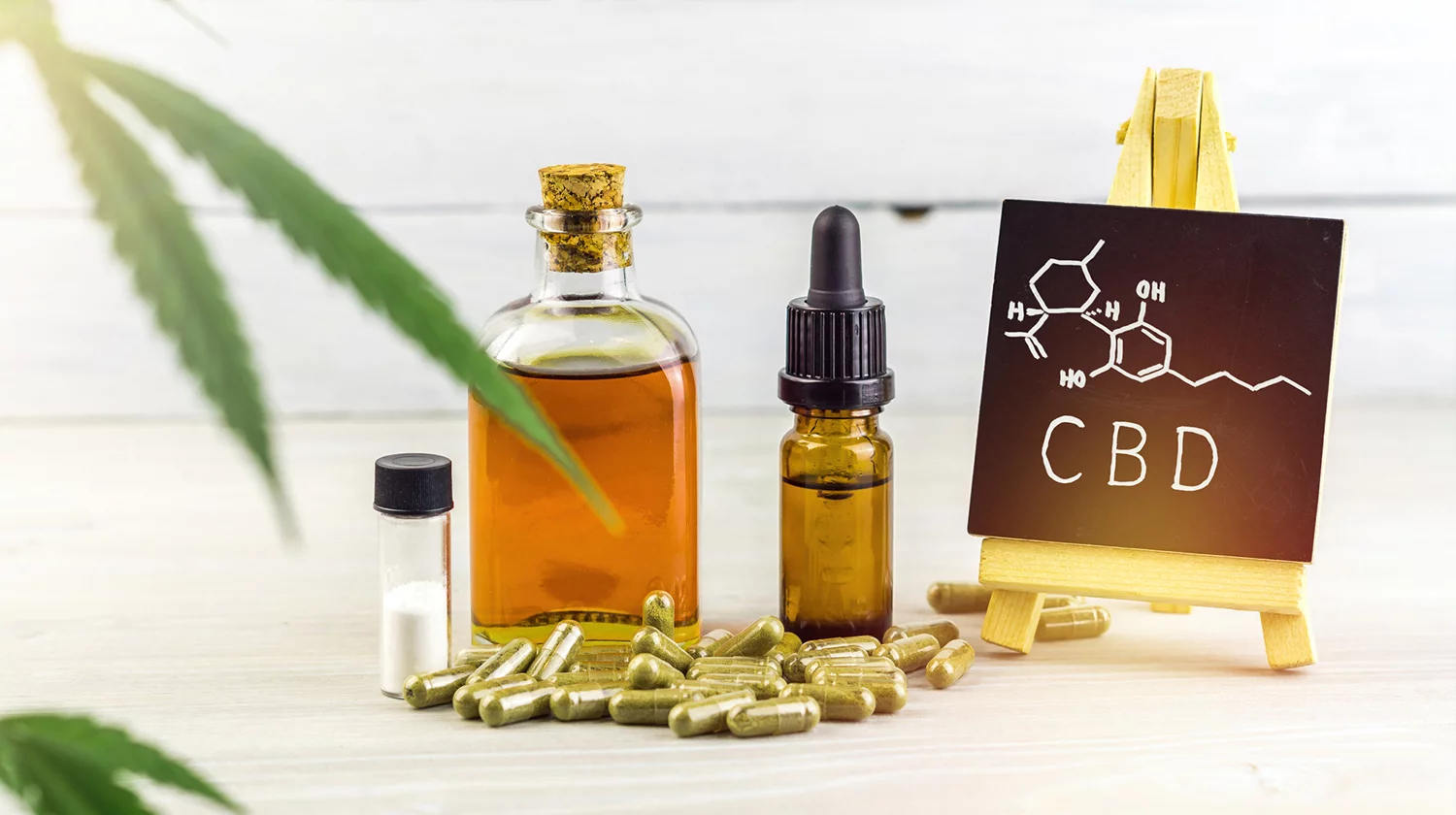
What is CBD and Its Benefits
Cannabidiol, also known as CBD, is one of the cannabinoids found in the cannabis plant. CBD does not produce the psychoactive effects that are associated with marijuana use, unlike its well-known cousin, tetrahydrocannabinol (THC) CBD is a popular choice for people seeking relief from various ailments without the mind-altering effects of THC or certain pharmaceutical drugs.
Understanding CBD
CBD is one of more than 100 chemical components called cannabinoids discovered in the Cannabis sativa plant. The cannabis plant is divided into two primary species: hemp and marijuana. While marijuana is high in THC, hemp contains higher levels of CBD and minimal THC (less than 0.3%). CBD is usually extracted from hemp, making it legal in many parts of the world where marijuana is not.
The Endocannabinoid System
Understanding the endocannabinoidECS system, a complex cell signaling system that was discovered in the early 1990s is essential for understanding how CBDECS works. A wide range of functions and processes are regulated by the ECS, including:
- Sleep
- Mood
- Appetite
- Memory
- Reproduction and fertility
The ECS consists of three main components: endocannabinoids, receptors, and enzymes. Endocannabinoids are chemicals identical to cannabinoids that your body produces internally. The two main endocannabinoids are anandamide (AEA) and 2-arachidonoylglycerol (2-AG).
Endocannabinoid receptors are found throughout the body. The two main receptors are CB1, which is mostly located in the central nervous system, and CB2, which is largely found in the peripheral nervous system, particularly immune cells. Enzymes degrade endocannabinoids once they have completed their job.
CBD does not directly bind to CB1 or CB2 receptors but influences them in some way. It is thought to prevent endocannabinoids from being broken down, allowing them to have a more significant effect on the body.
Benefits of CBD
Pain Relief
CBD is widely known for its pain-relieving effects. CBD has been found in studies to help alleviate chronic pain by influencing endocannabinoid receptor function, decreasing inflammation, and interacting with neurotransmitters. For example, a research published in the European Journal of Pain found that applying CBD to the skin might help reduce pain and inflammation caused by arthritis.
Anti-Inflammatory Properties
CBD has been shown to reduce inflammation significantly. This is particularly beneficial for conditions such as rheumatoid arthritis, where inflammation causes severe pain and discomfort. Research indicates that CBD interacts with the immune system to reduce inflammation and thereby ease symptoms of inflammatory diseases.
Anxiety and Depression
Anxiety and depression are prevalent mental health illnesses that can have serious consequences for health and well-being. Traditional therapies frequently use medicines, which can have a variety of negative effects. CBD has shown potential as a treatment for depression and anxiety, which has piqued the interest of many people suffering from these conditions.
In a study, participants with social anxiety disorder were given CBD before a public-speaking event, and they experienced significantly less anxiety, cognitive impairment, and discomfort in their speech performance compared to the placebo group.
Neuroprotective Properties
Researchers believe that CBD’s capacity to work on the endocannabinoid and other brain signaling systems may aid those suffering from neurological illnesses. CBD’s potential in the treatment of neurological illnesses such as epilepsy and multiple sclerosis has been extensively researched. Despite the fact that research in this area is still in its early stages, numerous studies have shown encouraging findings.
For example, the FDA has approved Epidiolex, a CBD-based drug, to treat two rare forms of epilepsy. In clinical trials, Epidiolex reduced the frequency of seizures in patients.
Heart Health
Recent study has connected CBD to a variety of cardiovascular and circulatory system advantages, including the capacity to decrease high blood pressure. High blood pressure has been related to an increased risk of several health disorders, including stroke, heart attack, and metabolic syndrome.
A study found that CBD treatment reduced resting blood pressure and the blood pressure response to stress in humans. Researchers have indicated that the stress- and anxiety-reducing effects of CBD are responsible for its capacity to help reduce blood pressure.
Acne Treatment
Acne is a widespread skin disorder affecting more than 9% of the population. It is thought to be caused by a variety of reasons, including heredity, microorganisms, underlying inflammation, and excess sebum, an oily fluid produced by sebaceous glands in the skin.
According to recent scientific research, CBD oil may help treat acne because of its anti-inflammatory characteristics and capacity to lower sebum production. In one study, CBD oil stopped sebaceous gland cells from secreting too much sebum, had anti-inflammatory properties, and inhibited the activation of “pro-acne” chemicals such as inflammatory cytokines.
Addiction Treatment
CBD has shown promise in treating certain types of addiction. For instance, studies suggest that CBD may help people with opioid addiction by reducing the anxiety and cravings associated with withdrawal. It is also being studied for its potential to help those with other addictions, such as to alcohol and tobacco.
A pilot study indicated that smokers who used inhalers containing CBD smoked fewer cigarettes and did not have any additional cravings for nicotine.
Antipsychotic Effects
Studies have shown that CBD may help people with schizophrenia and other mental disorders by reducing psychotic symptoms. The antipsychotic effects of CBD have been demonstrated in both animal studies and in humans.
How to Use CBD
CBD is available in several forms, including oils, capsules, edibles, and topical creams. The method of use depends on the condition being treated and personal preference.
- Oils and Tinctures: These are typically taken sublingually (under the tongue). They are absorbed directly into the bloodstream, providing fast relief.
- Capsules and Edibles: These forms need to pass through the digestive system, so they take longer to work but provide longer-lasting effects.
- Topicals: These are applied directly to the skin. They are often used for localized pain or skin conditions like eczema and psoriasis.
- Vaping: This method allows CBD to be absorbed directly into the bloodstream through the lungs. It provides quick relief but may not be suitable for everyone, especially those with respiratory issues.
Potential Side Effects
While CBD is generally well-tolerated, it can cause side effects in some people. These can include:
- Dry mouth
- Diarrhea
- Reduced appetite
- Drowsiness and fatigue
CBD can also interact with other medications, so it’s essential to discuss it with a healthcare provider before starting to use it, especially if you are taking other prescribed medications.
Legal Status
The legal standing of CBD differs between nations. Although some states have their own laws, CBD made from hemp (containing less than 0.3% THC) is allowed on the federal level in the United States. The legal status might vary from completely legal to totally restricted in different parts of the world.
Conclusion
CBD is a versatile chemical with a wide range of possible health advantages, including pain alleviation, anti-inflammatory properties, anxiety reduction, and heart health enhancement. As research continues, we expect to learn more about how CBD can promote health and well-being. When contemplating CBD as a therapy option, it is critical to approach it with knowledge and speak with healthcare professionals.
In summary, while CBD is not a cure-all, it offers a promising alternative or complement to conventional treatments for a wide range of conditions, making it a valuable addition to the modern therapeutic arsenal.
