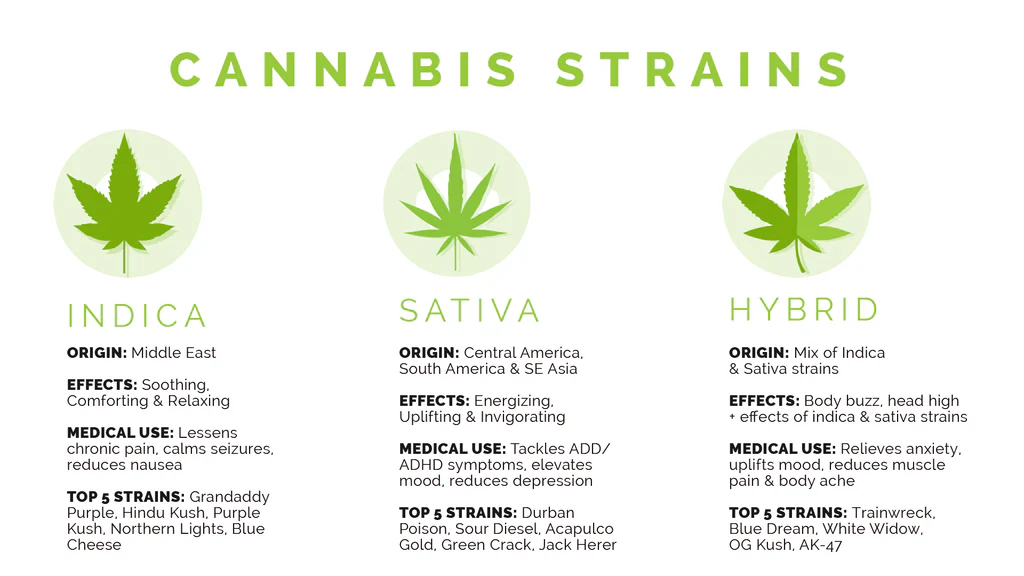
A cannabis strain refers to a specific variety or genetic makeup of the Cannabis plant, characterized by particular traits, such as appearance, chemical profile, aroma, and effects. Cannabis strains are typically classified into three main types: Sativa, Indica, and hybrid, though these classifications are somewhat simplistic and often overlap in real-world cultivation. Here’s a detailed breakdown of what constitutes a cannabis strain:
1. Genetics and Breeding
- Origins: The specific genetic lineage of a cannabis plant, which determines its inherent characteristics. Strains can be pure (landrace strains) or hybrids of various landraces.
- Breeding: Cultivators crossbreed plants to create new strains with desirable traits, such as improved yield, disease resistance, or specific cannabinoid profiles.
2. Cannabinoid Profile
- THC (Tetrahydrocannabinol): The main psychoactive ingredient in cannabis that gives users a “high
- CBD (Cannabidiol): A non-psychoactive compound known for its potential therapeutic benefits, such as pain relief and anti-inflammatory properties.
- Other Cannabinoids: Includes CBG (Cannabigerol), CBN (Cannabinol), and CBC (Cannabichromene), each contributing to the plant’s effects and benefits.
3. Terpene Profile
- Terpenes: Cannabis contains aromatic chemicals that add to the plant’s perfume and flavor.
- Common Terpenes: Myrcene (musky, earthy), Limonene (citrusy), Pinene (pine), and Linalool (floral), among others.
4. Plant Morphology
- Appearance: Characteristics such as leaf shape, plant height, and bud structure.
- Growth Patterns: Differentiates between Indica (shorter, bushier plants) and Sativa (taller, slender plants).
5. Effects and Uses
- Psychoactive Effects: Sativas are often associated with uplifting, energetic effects, while Indicas are known for their relaxing, sedative qualities. Hybrids can provide a mix of both.
- Medicinal Uses: Different strains are used to treat various conditions, such as chronic pain, anxiety, depression, insomnia, and more.
6. Cultivation Characteristics
- Growing Conditions: Preferred climates, resistance to pests and diseases, and flowering time.
- Yield: The amount of cannabis produced per plant, which can vary significantly between strains.
7. Naming Conventions
- Strain Names: Often reflect their genetic lineage, effects, aroma, or place of origin (e.g., Blue Dream, OG Kush, Durban Poison).
8. Chemical and Genetic Testing
- Lab Testing: Modern cultivation involves lab testing to precisely determine the cannabinoid and terpene profiles, ensuring consistency and quality.
- Genetic Mapping: Advances in genetics allow for the mapping of cannabis strains to better understand their lineage and traits.
Examples of Popular Cannabis Strains
- Sativa: Sour Diesel, Jack Herer, Green Crack.
- Indica: Granddaddy Purple, Northern Lights, Hindu Kush.
- Hybrid: Girl Scout Cookies, Blue Dream, OG Kush.
Genetics and breeding in cannabis refer to the processes and principals involved in the creation, selection, and propagation of specific cannabis varieties or strains. This involves understanding the genetic makeup of the cannabis plant, how traits are inherited, and how breeders can manipulate these traits to produce desired outcomes. Here’s an in-depth look into the genetics and breeding of cannabis:
1. Genetic Makeup of Cannabis
Chromosomes and Genes
- Chromosomes: Cannabis plants have 10 pairs of chromosomes, totaling 20 chromosomes in diploid cells. These chromosomes carry the genetic information in the form of DNA.
- Genes: Specific segments of DNA that encode for various traits, such as plant height, flower color, cannabinoid content, and resistance to diseases.
Phenotype vs. Genotype
- Genotype: The genetic makeup of a cannabis plant, comprising all the inherited genetic information.
- Phenotype: The observable characteristics of the plant, resulting from the interaction of the genotype with the environment. This includes traits like growth pattern, leaf shape, and resin production.
2. Inheritance of Traits
Mendelian Genetics
- Dominant and Recessive Traits: Traits can be dominant (expressed when at least one allele is present) or recessive (expressed only when two recessive alleles are present). Understanding these principles helps breeders predict how traits will pass from one generation to the next.
- Homozygous and Heterozygous: Plants can be homozygous (having two identical alleles for a trait) or heterozygous (having two different alleles for a trait).
Polygenic Traits
- Many traits in cannabis, such as cannabinoid content and terpene profiles, are polygenic, meaning they are controlled by multiple genes. This makes breeding for these traits more complex.
3. Breeding Techniques
Selective Breeding
- Selection: Choosing parent plants with desirable traits to breed together. Over successive generations, this can enhance the desired traits in the offspring.
- Backcrossing: Breeding a hybrid offspring back to one of its parent strains to stabilize desired traits.
Hybridization
- Creating Hybrids: Crossbreeding two different strains to combine desirable traits from both parents. Hybrids can exhibit a wide range of phenotypes, depending on the genetic diversity of the parent strains.
Inbreeding and Line Breeding
- Inbreeding: Breeding closely related plants to stabilize specific traits. This can also increase the risk of undesirable recessive traits.
- Line Breeding: A form of inbreeding that involves breeding within a specific family line to maintain and refine particular characteristics.
Outbreeding
- Introducing New Genetics: Crossing plants from different genetic backgrounds to increase genetic diversity and introduce new traits.
4. Modern Breeding Technologies
Genetic Mapping
- Identifying Markers: Using techniques like quantitative trait locus (QTL) mapping to identify specific regions of the genome associated with desirable traits.
Molecular Breeding
- Marker-Assisted Selection (MAS): Using genetic markers linked to specific traits to assist in the selection process, speeding up the breeding cycle.
Genetic Engineering
- CRISPR and Other Tools: Advanced techniques like CRISPR can be used to edit specific genes in the cannabis genome, though this is still largely experimental and faces regulatory hurdles.
5. Stabilizing Strains
True-Breeding Strains
- Achieving Consistency: True-breeding strains reliably produce offspring with the same phenotype when self-pollinated or bred with another plant of the same strain.
- F1, F2, and Beyond: F1 hybrids are the first generation of a cross between two different strains. Breeding F1 plants together can produce F2 generation plants, which exhibit more genetic variation. Further breeding can stabilize traits over successive generations.
6. Challenges in Breeding
Genetic Drift
- Unpredictable Changes: Over generations, random changes in the gene pool can lead to shifts in traits, making it challenging to maintain consistency.
Environmental Influence
- Epigenetics: Environmental factors can influence gene expression, meaning the same genetic strain can exhibit different traits under different growing conditions.
7. Goals of Cannabis Breeding
Commercial Goals
- Yield and Potency: Breeding for high yield and high THC or CBD content.
- Disease Resistance: Developing strains that are resistant to common pests and diseases.
Medical Goals
- Specific Cannabinoid Profiles: Breeding for strains with particular ratios of THC to CBD or other cannabinoids for targeted therapeutic effects.
Consumer Preferences
- Flavor and Aroma: Enhancing terpene profiles to appeal to consumer tastes.
- Aesthetic Qualities: Breeding for attractive plant appearance and bud structure.
The cannabinoid profile of a cannabis strain refers to the unique composition and concentration of cannabinoids, the active chemical compounds found in the cannabis plant. Cannabinoids interact with the body’s endocannabinoid system, producing a wide range of effects, from psychoactive experiences to therapeutic benefits. Here’s an in-depth exploration of the cannabinoid profile:
1. Primary Cannabinoids
THC (Tetrahydrocannabinol)
- Psychoactive Properties: THC is the primary psychoactive component of cannabis, responsible for the “high” sensation.
- Medical Benefits: Pain relief, anti-nausea, appetite stimulation, muscle relaxation.
- Potential Side Effects: Anxiety, paranoia, dry mouth, impaired memory.
CBD (Cannabidiol)
- Non-Psychoactive: CBD does not produce a high and can counteract the psychoactive effects of THC.
- Medical Benefits: Anti-inflammatory, anti-anxiety, anti-seizure, pain relief, neuroprotective properties.
- Side Effects: Generally well-tolerated, but can include dry mouth, reduced appetite, and fatigue.
2. Secondary Cannabinoids
CBG (Cannabigerol)
- Precursor Compound: CBG is a precursor to other cannabinoids like THC and CBD.
- Medical Benefits: Anti-inflammatory, antibacterial, neuroprotective, appetite stimulant.
CBC (Cannabichromene)
- Non-Psychoactive: Does not produce a high.
- Medical Benefits: Anti-inflammatory, analgesic, anti-depressant, potential anti-cancer properties.
CBN (Cannabinol)
- Degradation Product: CBN forms as THC degrades over time.
- Medical Benefits: Sedative properties, pain relief, potential antibacterial effects.
3. Lesser-Known Cannabinoids
THCV (Tetrahydrocannabivarin)
- Psychoactive at High Doses: Similar to THC but can act as an antagonist at lower doses.
- Medical Benefits: Appetite suppressant, potential anti-diabetic properties, anti-anxiety.
CBDV (Cannabidivarin)
- Non-Psychoactive: Similar to CBD.
- Medical Benefits: Anti-convulsant, potential benefits for autism spectrum disorders.
CBGA (Cannabigerolic Acid)
- Mother Cannabinoid: Precursor to CBG, THCA, CBDA, and CBCA.
- Medical Benefits: Potential anti-inflammatory and antibacterial properties.
4. Biosynthesis of Cannabinoids
Biosynthetic Pathway
- Cannabigerolic Acid (CBGA): The first cannabinoid acid produced by the cannabis plant, serving as the precursor for other cannabinoids.
- Enzymatic Conversion: Enzymes in the plant convert CBGA into THCA (tetrahydrocannabinolic acid), CBDA (cannabidiolic acid), and CBCA (cannabichromenic acid).
- Decarboxylation: Upon heating, these acidic cannabinoids lose a carboxyl group, converting into their active forms: THC, CBD, and CBC.
5. Endocannabinoid System Interaction
CB1 Receptors
- Location: Primarily found in the brain and central nervous system.
- Interaction: THC binds to CB1 receptors, producing psychoactive effects.
CB2 Receptors
- Location: Mainly in the peripheral organs, especially cells associated with the immune system.
- Interaction: CBD interacts with CB2 receptors, contributing to its anti-inflammatory and immune-modulating effects.
6. Therapeutic Applications
Pain Management
- THC and CBD: Both cannabinoids are effective in pain relief, often used together to maximize benefits.
Epilepsy
- CBD: Approved for treating certain types of epilepsy, such as Dravet syndrome and Lennox-Gastaut syndrome.
Anxiety and Depression
- CBD: Widely used for its anxiolytic and anti-depressant properties without the psychoactive effects of THC.
Neuroprotection
- CBD and CBG: Investigated for their neuroprotective properties, potentially beneficial in neurodegenerative diseases.
7. Cannabinoid Ratios and Effects
THC
Ratio
- High THC, Low CBD: More psychoactive effects, used recreationally or for conditions requiring potent THC effects.
- High CBD, Low THC: Minimal psychoactive effects, used medically for conditions like epilepsy, anxiety, and chronic pain.
- Balanced Ratio: Strains with balanced THC and CBD are used to provide therapeutic benefits with moderate psychoactivity.
Entourage Effect
- Synergy: The combined effect of cannabinoids, terpenes, and other compounds in the cannabis plant is believed to be greater than the sum of their individual effects.
- Full-Spectrum Extracts: Products containing the full range of cannabinoids and terpenes are thought to harness the entourage effect for enhanced therapeutic benefits.
8. Analysis and Testing
Laboratory Testing
- Cannabinoid Profiling: Using techniques like high-performance liquid chromatography (HPLC) to determine the precise levels of cannabinoids in a sample.
- Purity and Potency: Ensuring the product is free from contaminants and accurately labeled for cannabinoid content.
The terpene profile of a cannabis strain refers to the specific composition and concentration of terpenes, the aromatic compounds that give cannabis its distinct smell and flavor. In addition to enhancing the sensory experience of cannabis, terpenes also work with cannabinoids to modify their effects through a process called the “entourage effect.” Here’s an in-depth look into the terpene profile:
1. What are Terpenes?
Definition and Function
- Terpenes: A large and diverse class of organic compounds produced by various plants, including cannabis. They are in charge of giving plants their flavor, scent, and even color.
- Role in Plants: Terpenes play a crucial role in plant defense mechanisms by deterring herbivores and attracting pollinators. They also protect plants from environmental stressors.
2. Major Terpenes in Cannabis
Myrcene
- Aroma: Musky, earthy, and herbal, similar to cloves or hops.
- Effects: Known for its sedative and muscle-relaxing properties. Often found in indica strains that promote relaxation.
- Medical Benefits: Anti-inflammatory, analgesic, sedative.
Limonene
- Aroma: Citrusy, reminiscent of lemons and oranges.
- Effects: Elevates mood and has energizing effects. Commonly found in sativa strains.
- Medical Benefits: Anti-anxiety, anti-depressant, antifungal, antibacterial.
Pinene
- Aroma: Pine, fresh, and woody.
- Effects: Promotes alertness and memory retention. Often found in strains that enhance focus.
- Medical Benefits: Anti-inflammatory, bronchodilator, antimicrobial.
Linalool
- Aroma: Floral, similar to lavender.
- Effects: Provides calming and relaxing effects. Frequently found in strains used for stress relief and anxiety.
- Medical Benefits: Anti-anxiety, anti-depressant, analgesic, anticonvulsant.
Caryophyllene
- Aroma: Spicy, peppery, and woody.
- Effects: Unique as it can interact with cannabinoid receptors (CB2), providing anti-inflammatory benefits.
- Medical Benefits: Anti-inflammatory, analgesic, antibacterial.
Humulene
- Aroma: Earthy, woody, and herbal, similar to hops.
- Effects: Known for its appetite-suppressing properties.
- Medical Benefits: Anti-inflammatory, antibacterial, appetite suppressant.
Terpinolene
- Aroma: Floral, herbal, and citrusy.
- Effects: Often has uplifting and energizing effects.
- Medical Benefits: Antioxidant, sedative, antimicrobial.
Ocimene
- Aroma: Sweet, herbal, and woody.
- Effects: Often used for its uplifting effects.
- Medical Benefits: Antiviral, antifungal, antibacterial.
3. Biosynthesis of Terpenes
Terpene Production
- Biosynthetic Pathway: Terpenes are synthesized through the mevalonate pathway in plants, starting from simple molecules like isopentenyl pyrophosphate (IPP).
- Enzymes: Specific enzymes facilitate the formation of various terpenes from basic precursor molecules.
4. Interaction with Cannabinoids
Entourage Effect
- Synergy: Terpenes work synergistically with cannabinoids to enhance or modulate the overall effects of the cannabis strain.
- Modulation of Effects: For example, myrcene can enhance the sedative effects of THC, while pinene may counteract the memory-impairing effects of THC.
5. Therapeutic Applications of Terpenes
Pain Management
- Myrcene and Caryophyllene: Both have strong analgesic properties and can enhance the pain-relieving effects of cannabinoids.
Anxiety and Depression
- Limonene and Linalool: Known for their anxiolytic and antidepressant properties, these terpenes can enhance the mood-lifting effects of CBD and THC.
Anti-inflammatory
- Caryophyllene and Humulene: These terpenes can reduce inflammation, making them beneficial for conditions like arthritis and inflammatory bowel disease.
6. Aroma and Flavor Profiles
Consumer Preferences
- Terpene Combinations: Different combinations of terpenes create unique aroma and flavor profiles, influencing consumer preferences and market trends.
- Flavor Experience: Terpenes contribute to the complex flavor profile of cannabis, ranging from fruity and sweet to earthy and spicy.
7. Extraction and Analysis
Extraction Techniques
- Steam Distillation: Common method for extracting essential oils, including terpenes.
- Solvent Extraction: Using solvents like ethanol or CO2 to extract terpenes, preserving their integrity.
Analytical Methods
- Gas Chromatography (GC): Used to separate and identify different terpenes in a sample.
- Mass Spectrometry (MS): Often coupled with GC to provide detailed information on the molecular composition of terpenes.
8. Applications Beyond Cannabis
Aromatherapy
- Essential Oils: Many terpenes found in cannabis are also present in essential oils used in aromatherapy for their therapeutic properties.
- Relaxation and Stress Relief: Linalool and limonene are commonly used in aromatherapy products for their calming and mood-enhancing effects.
Food and Beverage Industry
- Flavoring Agents: Terpenes are used as natural flavoring agents in food and beverages, contributing to the sensory experience.
- Natural Preservatives: Some terpenes, like caryophyllene, have antimicrobial properties and can be used as natural preservatives.
Plant morphology refers to the study of the physical form and structure of plants. In the context of cannabis, plant morphology includes aspects such as plant height, leaf shape, flower structure, and overall growth patterns. Understanding cannabis plant morphology is crucial for breeders, cultivators, and researchers to optimize growth conditions, improve yields, and produce desired traits. Here’s a detailed look into the morphology of the cannabis plant:
1. Cannabis Plant Types
Cannabis Sativa
- Height: Typically taller, ranging from 5 to 18 feet.
- Leaf Structure: Long, narrow leaves with thin, serrated edges.
- Growth Pattern: More extended vegetative phase, longer flowering period.
- Effects: Generally associated with uplifting, energetic effects.
Cannabis Indica
- Height: Shorter and bushier, ranging from 2 to 6 feet.
- Leaf Structure: Broad, wide leaves with thick, serrated edges.
- Growth Pattern: Shorter vegetative phase, quicker flowering period.
- Effects: Often linked to relaxing, sedative effects.
Cannabis Ruderalis
- Height: Small, typically 1 to 3 feet.
- Leaf Structure: Smaller leaves with fewer leaflets.
- Growth Pattern: Autoflowering (flowers based on age, not light cycle).
- Effects: Lower THC content, often used in hybrid breeding.
2. Anatomy of the Cannabis Plant
Roots
- Function: Anchors the plant, absorbs water and nutrients from the soil.
- Structure: Consists of a primary taproot with smaller lateral roots branching out.
Stem
- Function: Supports the plant, transports nutrients and water between roots and leaves.
- Structure: Composed of nodes (where branches and leaves attach) and internodes (the stem segments between nodes).
Leaves
- Function: Primary site of photosynthesis, gas exchange, and transpiration.
- Structure: Composed of a petiole (leaf stalk) and a blade with distinct serrations. Leaves typically exhibit a palmate pattern with multiple leaflets.
Branches
- Function: Support the leaves and flowers, increase the surface area for light absorption.
- Structure: Grow from nodes, may produce secondary branches for additional growth.
3. Flowering Structures
Colas
- Definition: The main flower cluster at the top of the cannabis plant. Also found on branches.
- Structure: Dense clusters of female flowers (buds), rich in cannabinoids and terpenes.
Buds
- Function: Contain the reproductive organs and trichomes where cannabinoids and terpenes are produced.
- Structure: Comprised of calyxes, pistils, and sugar leaves.
Calyx
- Function: Protects the reproductive organs and seeds.
- Structure: Small, teardrop-shaped structures covered in resin glands (trichomes).
Pistils
- Function: Female reproductive part, responsible for catching pollen.
- Structure: Hair-like structures (stigmas) that change color as the plant matures.
Trichomes
- Function: Produce and store cannabinoids and terpenes.
- Structure: Tiny, glandular structures that appear as a frosty coating on buds and leaves.
4. Reproductive Structures
Female Plants
- Function: Produce flowers (buds) that can be pollinated to produce seeds.
- Structure: Contain pistils and are typically rich in cannabinoids.
Male Plants
- Function: Produce pollen to fertilize female flowers.
- Structure: Contain pollen sacs that release pollen.
Hermaphrodite Plants
- Definition: Plants that exhibit both male and female reproductive organs.
- Causes: Stress or genetic factors can induce hermaphroditism.
- Impact: Can self-pollinate, potentially reducing bud quality and yield.
5. Growth Stages
Germination
- Process: The seed absorbs water, swells, and the radicle (root) emerges.
- Duration: Typically 3 to 10 days.
Seedling Stage
- Characteristics: Development of the first set of true leaves, rapid root growth.
- Duration: 2 to 3 weeks.
Vegetative Stage
- Characteristics: Rapid growth of leaves, stems, and roots. Increase in size and height.
- Light Cycle: Typically 18-24 hours of light per day.
- Duration: Varies based on strain and cultivation practices.
Flowering Stage
- Characteristics: Development of flowers, increased resin production.
- Light Cycle: Typically 12 hours of light and 12 hours of darkness per day.
- Duration: 6 to 12 weeks, depending on the strain.
Harvest
- Timing: Determined by the maturity of the trichomes and the desired cannabinoid profile.
- Process: Cutting down the plant, trimming leaves, and drying the buds.
6. Environmental Influences on Morphology
Light
- Intensity and Spectrum: Affects plant growth, morphology, and cannabinoid production.
- Photoperiod: Determines the transition from vegetative growth to flowering.
Temperature
- Optimal Range: Generally between 70-85°F (21-29°C) during the day, slightly cooler at night.
- Impact: Extreme temperatures can stress plants, affecting growth and yield.
Humidity
- Optimal Range: Varies with growth stages. Higher during vegetative stage, lower during flowering.
- Impact: High humidity can lead to mold and mildew; low humidity can stress plants and reduce growth.
Nutrients
- Macronutrients: Nitrogen (N), phosphorus (P), and potassium (K) are essential for growth.
- Micronutrients: Includes calcium, magnesium, and iron, among others.
- Deficiencies and Toxicities: Imbalances can lead to visible changes in plant morphology, such as leaf discoloration and stunted growth.
The effects and uses of cannabis are diverse, stemming from its complex chemical profile, which includes cannabinoids, terpenes, and other compounds. These effects can vary widely based on the strain, consumption method, and individual physiology. Here’s a detailed look into the effects and uses of cannabis:
1. Psychoactive Effects
Euphoric and Uplifting
- Sativa Dominant Strains: Typically associated with cerebral, uplifting effects that can enhance creativity, energy, and sociability.
- Example Strains: Sour Diesel, Jack Herer, Green Crack.
- Uses: Often used during the day for activities that require focus and creativity, such as artistic endeavors or social gatherings.
Relaxing and Sedative
- Indica Dominant Strains: Known for their body-centric, relaxing effects that can induce calm and sedation.
- Example Strains: Granddaddy Purple, Northern Lights, Hindu Kush.
- Uses: Commonly used in the evening or at night to unwind, relax, and promote restful sleep.
Balanced Effects
- Hybrid Strains: Provide a mix of sativa and indica effects, which can vary depending on the dominant characteristics.
- Example Strains: Blue Dream, OG Kush, Girl Scout Cookies.
- Uses: Suitable for both day and night use, depending on the balance of effects. Often chosen for their versatility.
2. Medical Uses
Pain Relief
- THC and CBD: Both cannabinoids are effective in managing various types of pain, including chronic pain, neuropathic pain, and inflammatory pain.
- Mechanism: THC interacts with CB1 receptors in the brain and central nervous system to modulate pain perception, while CBD reduces inflammation and modulates pain signaling.
Anti-Inflammatory
- CBD: Exhibits strong anti-inflammatory properties, making it useful for conditions like arthritis, inflammatory bowel disease, and multiple sclerosis.
- Terpenes: Caryophyllene and myrcene also contribute to the anti-inflammatory effects.
Anxiety and Depression
- CBD: Known for its anxiolytic and anti-depressant properties, CBD can help alleviate symptoms of anxiety and depression without the psychoactive effects of THC.
- Limonene and Linalool: These terpenes also have mood-enhancing and anti-anxiety effects.
Epilepsy and Seizures
- CBD: Approved for treating certain types of epilepsy, such as Dravet syndrome and Lennox-Gastaut syndrome, due to its anticonvulsant properties.
Neuroprotective
- CBD and CBG: Investigated for their potential to protect neurons and support brain health, potentially beneficial in conditions like Alzheimer’s disease and Parkinson’s disease.
Appetite Stimulation
- THC: Known for its ability to stimulate appetite, often referred to as the “munchies.” Useful for patients with conditions like cancer or HIV/AIDS, where appetite loss is a concern.
Nausea and Vomiting
- THC: Effective in reducing nausea and vomiting, particularly in chemotherapy patients.
3. Recreational Uses
Social Interaction
- Sativa and Hybrid Strains: Enhance sociability, laughter, and enjoyment in social settings.
- Effects: Increased talkativeness, euphoria, and a sense of well-being.
Creativity and Focus
- Sativa Dominant Strains: Often used to boost creativity and focus, making them popular among artists, writers, and musicians.
- Effects: Enhanced mental clarity, idea generation, and inspiration.
Relaxation and Stress Relief
- Indica Dominant Strains: Help users unwind and de-stress, providing a sense of calm and relaxation.
- Effects: Reduced tension, mental relaxation, and a peaceful state of mind.
4. Consumption Methods
Smoking
- Method: Inhaling combusted cannabis flower.
- Onset and Duration: Fast onset (within minutes), lasting 1-3 hours.
- Effects: Immediate, with a rapid peak.
Vaporizing
- Method: Inhaling vaporized cannabis flower or concentrates.
- Onset and Duration: Fast onset, similar to smoking, but potentially less harmful to the lungs.
- Effects: Similar to smoking, with a cleaner taste and experience.
Edibles
- Method: Consuming cannabis-infused foods or drinks.
- Onset and Duration: Slower onset (30 minutes to 2 hours), lasting 4-8 hours.
- Effects: Longer-lasting and often more intense body effects due to liver metabolism of THC into 11-hydroxy-THC.
Tinctures
- Method: Consuming cannabis-infused liquid sublingually (under the tongue).
- Onset and Duration: Intermediate onset (15-45 minutes), lasting 2-4 hours.
- Effects: Provides precise dosing and is discreet.
Topicals
- Method: Applying cannabis-infused creams, balms, or lotions to the skin.
- Onset and Duration: Localized relief without psychoactive effects, lasting several hours.
- Uses: Effective for localized pain, inflammation, and skin conditions.
Capsules
- Method: Swallowing cannabis-infused capsules or pills.
- Onset and Duration: Similar to edibles, with a slower onset and longer duration.
- Effects: Provides a discreet and consistent dose.
5. Side Effects
Common Side Effects
- Dry Mouth and Eyes: Often reported by users of both THC and CBD.
- Dizziness and Lightheadedness: Especially in novice users or at high doses.
- Paranoia and Anxiety: Can occur with high THC strains, particularly in sensitive individuals.
- Impaired Memory and Concentration: THC can affect short-term memory and cognitive function.
Long-Term Effects
- Tolerance and Dependence: Regular use can lead to tolerance (needing more to achieve the same effects) and psychological dependence.
- Respiratory Issues: Smoking cannabis can lead to respiratory problems, similar to tobacco smoking.
Cultivation characteristics of cannabis refer to the various factors and practices involved in growing cannabis plants successfully. These characteristics include the environmental conditions, plant care techniques, and specific needs of different cannabis strains. Understanding these factors is crucial for achieving optimal growth, yield, and quality. Here’s a detailed overview of the key cultivation characteristics of cannabis:
1. Environmental Conditions
Light
- Light Cycle
- Vegetative Stage: Cannabis plants typically require 18-24 hours of light per day.
- Flowering Stage: Switching to a 12/12 light cycle (12 hours of light and 12 hours of darkness) induces flowering.
- Light Intensity and Spectrum
- Intensity: Sufficient light intensity is critical for healthy growth. High-Intensity Discharge (HID) lights, LEDs, and fluorescent lights are commonly used.
- Spectrum: Blue light (400-500 nm) promotes vegetative growth, while red light (620-780 nm) promotes flowering.
Temperature
- Optimal Range
- Vegetative Stage: 70-85°F (21-29°C) during the day, slightly cooler at night.
- Flowering Stage: 65-80°F (18-26°C) to reduce the risk of heat stress.
- Impact of Temperature
- High Temperatures: Can cause heat stress, leading to reduced growth and lower yields.
- Low Temperatures: Can slow down growth and affect the plant’s metabolism.
Humidity
- Optimal Range
- Seedling Stage: 65-70% relative humidity (RH) to support young plants.
- Vegetative Stage: 40-70% RH to encourage healthy growth.
- Flowering Stage: 40-50% RH to prevent mold and mildew.
- Humidity Control
- Dehumidifiers: Used to lower humidity levels during the flowering stage.
- Humidifiers: Used to increase humidity during the seedling and vegetative stages.
Air Circulation and Ventilation
- Importance: Ensures a constant supply of CO2, prevents mold and pests, and helps regulate temperature and humidity.
- Equipment: Fans and exhaust systems are used to maintain proper airflow and remove excess heat and humidity.
2. Growing Mediums
Soil
- Characteristics: Rich in organic matter, supports microbial life, and retains moisture well.
- Amendments: Compost, perlite, vermiculite, and other organic materials can be added to improve soil structure and nutrient content.
Soilless Mixes
- Components: Often include peat moss, coco coir, perlite, and vermiculite.
- Benefits: Better control over nutrient levels and pH, reduced risk of soil-borne diseases.
Hydroponics
- Method: Growing plants in a nutrient-rich water solution without soil.
- Systems: Various systems include Deep Water Culture (DWC), Nutrient Film Technique (NFT), and Ebb and Flow.
- Benefits: Faster growth rates, precise control over nutrients, and reduced water usage.
Aeroponics
- Method: Growing plants with roots suspended in the air and misted with a nutrient solution.
- Benefits: Maximizes oxygen exposure to roots, leading to faster growth and higher yields.
3. Nutrient Requirements
Macronutrients
- Nitrogen (N): Essential for vegetative growth, promoting leaf and stem development.
- Phosphorus (P): Important for root development and flowering.
- Potassium (K): Supports overall plant health, improves disease resistance, and enhances flower production.
Micronutrients
- Calcium (Ca): Important for cell wall structure and stability.
- Magnesium (Mg): Central component of chlorophyll, crucial for photosynthesis.
- Iron (Fe): Essential for chlorophyll production and overall plant metabolism.
- Other Micronutrients: Includes boron, manganese, zinc, copper, molybdenum, and chlorine.
Nutrient Solutions
- Commercial Fertilizers: Available in liquid or powder form, designed specifically for cannabis.
- Organic Nutrients: Derived from natural sources, such as compost, worm castings, and bat guano.
4. Watering Practices
Water Quality
- pH Level: Ideal pH range is 6.0-7.0 for soil and 5.5-6.5 for hydroponics.
- EC (Electrical Conductivity): Measures the concentration of dissolved salts in the water. The optimal range varies depending on the growth stage.
Watering Frequency
- Soil: Water when the top inch of soil feels dry. Overwatering can lead to root rot, while underwatering can stress the plant.
- Hydroponics: Maintain constant moisture levels with regular nutrient solution changes.
5. Plant Training Techniques
Topping
- Method: Cutting off the main stem to promote the growth of multiple colas.
- Benefits: Increases yield by encouraging bushier growth and more bud sites.
LST (Low-Stress Training)
- Method: Bending and tying down branches to create an even canopy.
- Benefits: Maximizes light exposure, promotes uniform growth, and increases yield.
SCROG (Screen of Green)
- Method: Using a screen to train plants to grow horizontally.
- Benefits: Enhances light penetration and air circulation, increases yield.
Super Cropping
- Method: Gently crushing the stems to create bends without breaking them.
- Benefits: Encourages more robust growth and higher yields.
6. Pest and Disease Management
Common Pests
- Spider Mites: Tiny pests that suck plant sap, causing leaf damage.
- Aphids: Small insects that feed on plant sap, excreting honeydew that attracts mold.
- Fungus Gnats: Small flies whose larvae feed on plant roots.
- Thrips: Small insects that scrape plant tissues, causing damage.
Disease Management
- Powdery Mildew: Fungal disease that appears as white powder on leaves.
- Root Rot: Caused by overwatering and poor drainage, leading to root decay.
- Botrytis (Gray Mold): Fungal infection that causes bud rot.
Preventive Measures
- Integrated Pest Management (IPM): Combines cultural, biological, and chemical methods to manage pests and diseases.
- Beneficial Insects: Introducing predators like ladybugs and predatory mites to control pest populations.
- Organic Treatments: Using neem oil, insecticidal soap, and other organic sprays to manage pests and diseases.
7. Harvesting and Post-Harvest
Harvest Timing
- Trichome Color: Milky white trichomes indicate peak potency, while amber trichomes suggest a more sedative effect.
- Pistil Color: Harvest when most pistils have turned from white to brown or red.
Drying and Curing
- Drying: Hanging harvested plants or branches upside down in a dark, well-ventilated space for 7-14 days.
- Curing: Placing dried buds in airtight containers and burping (opening) them daily for 2-4 weeks to enhance flavor and potency.
Naming conventions for cannabis strains play a significant role in the identification, marketing, and consumer perception of different varieties. These names often reflect the strain’s genetic lineage, flavor profile, effects, or place of origin. Here’s a detailed overview of the naming conventions for cannabis strains:
1. Genetic Lineage and Breeding History
Parent Strains
- Naming After Parents: Strains are often named to indicate their genetic heritage. For example, if a strain is a cross between “Blueberry” and “Haze,” it might be named “Blue Haze” to reflect both parent strains.
- Popular Hybrids: Names like “OG Kush” or “Sour Diesel” often serve as part of the name for their descendants, e.g., “Sour OG” or “Lemon Diesel.”
Stabilized Hybrids
- F1, F2 Generations: These designations can be part of the name to indicate the generation of the hybrid. F1 hybrids are the first generation cross, while F2 indicates the second generation.
2. Flavor and Aroma Profile
Descriptive Names
- Fruity and Sweet: Strains with distinct fruit flavors might be named accordingly, such as “Strawberry Cough” or “Pineapple Express.”
- Earthy and Spicy: Names like “OG Kush” or “Chemdawg” might reflect more earthy or chemical-like aromas.
- Citrusy and Floral: Strains with a lemony or floral scent might have names like “Lemon Skunk” or “Lavender.”
3. Effects and User Experience
Indica, Sativa, and Hybrid
- Indica: Often named to reflect their relaxing effects, such as “Northern Lights” or “Purple Kush.”
- Sativa: Names that suggest uplifting effects, like “Jack Herer” or “Green Crack.”
- Hybrid: Names can reflect the balanced effects, like “Blue Dream” or “Girl Scout Cookies.”
Creative and Recreational
- Euphoric and Energetic: Strains like “Laughing Buddha” or “AK-47” suggest a lively and enjoyable experience.
- Relaxing and Sedative: Names like “Granddaddy Purple” or “Bubba Kush” indicate strong sedative effects.
4. Geographic Origin
Landrace Strains
- Named After Origin: Strains that originate from specific regions often carry the name of that place, such as “Afghan,” “Thai,” or “Panama Red.”
- Regional Influence: These names help preserve the heritage and unique characteristics of strains from different parts of the world.
Cultivation Regions
- Local Naming: Strains cultivated in specific regions might be named after those places, e.g., “Humboldt” from California’s Humboldt County or “Durban Poison” from Durban, South Africa.
5. Cultural References
Pop Culture
- Movies and Music: Strains might be named after popular movies, songs, or celebrities, like “Pineapple Express” or “Willie Nelson.”
- Mythical and Fictional: Names like “White Widow” or “Purple Haze” often draw from mythical, fictional, or legendary references.
Historical and Famous Figures
- Homage Names: Strains might honor famous personalities, such as “Jack Herer” named after the cannabis activist and author.
6. Appearance and Plant Characteristics
Color
- Color-Based Names: Strains might be named for their distinctive colors, such as “Blue Dream,” “White Widow,” or “Purple Urkle.”
- Visual Appeal: These names often reflect the visual appeal of the buds or the plant itself.
Structure
- Bud Structure: Names might reference the physical characteristics of the buds, like “Gorilla Glue” (sticky resin) or “Hash Plant” (high resin production).
- Growth Pattern: Strains with distinctive growth patterns might have names like “Skunk” (for their bushy growth and strong smell).
7. Marketing and Branding
Trademark and Branding
- Brand-Specific Names: Some strains are named to align with a particular brand’s identity, helping with marketing and consumer recognition.
- Unique Names: Creating unique names that stand out in the market can help differentiate a brand’s products from competitors.
Consumer Appeal
- Appealing Names: Names are often chosen to appeal to the target consumer base, reflecting desirable traits or effects.
- Memorability: Catchy and memorable names help with brand recall and customer loyalty.
Chemical and genetic testing of cannabis are essential practices that ensure the quality, safety, and efficacy of cannabis products. These tests analyze the chemical composition, including cannabinoid and terpene profiles, as well as the genetic characteristics of the plant. Here’s an in-depth look at chemical and genetic testing in the cannabis industry:
1. Chemical Testing
Cannabinoid Profiling
Purpose
- To determine the concentration of various cannabinoids, such as THC, CBD, CBG, CBN, and others, in a cannabis sample.
- To ensure accurate labeling of cannabinoid content for medical and recreational use.
Methods
- High-Performance Liquid Chromatography (HPLC): The most common method for cannabinoid analysis. It allows for the separation and quantification of cannabinoids without decarboxylation (conversion from acidic to neutral form).
- Procedure: The sample is dissolved in a solvent, injected into the HPLC system, and passed through a column where cannabinoids are separated. Detectors measure the concentration of each cannabinoid.
- Advantages: Accurate and precise, can detect both acidic (THCA, CBDA) and neutral (THC, CBD) cannabinoids.
- Gas Chromatography (GC): Another method used for cannabinoid analysis, often coupled with mass spectrometry (GC-MS) for increased specificity.
- Procedure: The sample is vaporized and passed through a column where it is separated into its components. Detectors or mass spectrometers then analyze these components.
- Advantages: Highly sensitive and can provide detailed information on the cannabinoid profile.
Terpene Profiling
Purpose
- To determine the concentration and composition of terpenes in a cannabis sample.
- To understand the flavor, aroma, and potential synergistic effects (entourage effect) of the strain.
Methods
- Gas Chromatography-Mass Spectrometry (GC-MS): The most common method for terpene analysis.
- Procedure: Similar to cannabinoid analysis with GC-MS, the sample is vaporized, passed through a column, and analyzed by a mass spectrometer.
- Advantages: Provides detailed information on the terpene profile, including the identification and quantification of individual terpenes.
Contaminant Testing
Pesticides
- Purpose: To ensure cannabis products are free from harmful pesticide residues.
- Methods: Liquid chromatography-tandem mass spectrometry (LC-MS/MS) or GC-MS/MS.
- Procedure: The sample is prepared and analyzed to detect and quantify pesticide residues.
- Regulation: Stringent limits are set by regulatory bodies to ensure consumer safety.
Microbial Contaminants
- Purpose: To detect harmful bacteria, fungi, and other microorganisms that could pose health risks.
- Methods: Polymerase chain reaction (PCR) testing, culture methods, or next-generation sequencing (NGS).
- Procedure: Samples are either cultured on selective media or analyzed using molecular techniques to detect microbial DNA.
- Common Contaminants: E. coli, Salmonella, Aspergillus, and mold.
Heavy Metals
- Purpose: To ensure cannabis products do not contain toxic levels of heavy metals like lead, cadmium, arsenic, and mercury.
- Methods: Inductively coupled plasma mass spectrometry (ICP-MS).
- Procedure: The sample is digested in acid and analyzed to quantify metal concentrations.
- Regulation: Limits are established by regulatory bodies to protect consumer health.
Residual Solvents
- Purpose: To detect and quantify any residual solvents used in the extraction process that could be harmful if ingested or inhaled.
- Methods: GC with a headspace sampler.
- Procedure: The sample is heated to release volatile solvents, which are then analyzed by GC.
- Common Solvents: Butane, propane, ethanol, and others.
2. Genetic Testing
Genetic Fingerprinting
Purpose
- To identify and authenticate cannabis strains by their genetic makeup.
- To ensure consistency and reliability in strain identification and breeding.
Methods
- Polymerase Chain Reaction (PCR)
- Procedure: DNA is extracted from the cannabis plant, and specific genetic markers are amplified using PCR. These markers can then be analyzed to create a genetic profile.
- Applications: Identifying genetic relationships between strains, detecting genetic mutations, and verifying strain identity.
- Short Tandem Repeat (STR) Analysis
- Procedure: Similar to forensic DNA profiling, STR analysis examines specific regions of the cannabis genome that are highly variable between strains.
- Applications: Creating a genetic fingerprint for strain identification and breeding purposes.
Genetic Mapping
Purpose
- To identify specific genes and genetic markers associated with desirable traits, such as high THC or CBD content, disease resistance, and growth characteristics.
- To assist in the development of new strains with targeted characteristics.
Methods
- Whole Genome Sequencing (WGS)
- Procedure: The entire genome of the cannabis plant is sequenced, providing comprehensive information about its genetic makeup.
- Applications: Identifying genes associated with specific traits, understanding genetic diversity, and guiding breeding programs.
- Quantitative Trait Locus (QTL) Mapping
- Procedure: Identifies regions of the genome associated with quantitative traits by analyzing the genetic makeup of different cannabis strains and their corresponding traits.
- Applications: Breeding for specific traits, such as yield, potency, and resistance to environmental stressors.
3. Applications of Testing
Quality Control
- Consistency: Ensuring that cannabis products are consistent in terms of cannabinoid and terpene profiles, providing reliable effects for consumers.
- Safety: Ensuring that products are free from harmful contaminants, protecting consumer health.
Strain Authentication
- Preventing Fraud: Genetic testing can authenticate strain identities, preventing mislabeling and fraud in the cannabis market.
- Brand Integrity: Ensures that branded strains remain true to their genetic profile and marketed characteristics.
Breeding and Research
- Improving Strains: Genetic testing helps breeders develop new strains with desired traits, improving potency, yield, and resistance to diseases.
- Scientific Research: Provides valuable data for studying the genetic basis of cannabis traits and understanding the plant’s biology.
Here are some examples of popular cannabis strains, categorized by their primary type (Sativa, Indica, or Hybrid) and including details about their effects, uses, and distinctive characteristics.
1. Sativa Strains
Sour Diesel
- Effects: Energizing, cerebral high with a quick onset.
- Uses: Often used for stress, depression, and pain relief.
- Characteristics: Pungent diesel-like aroma with hints of citrus and earth.
-
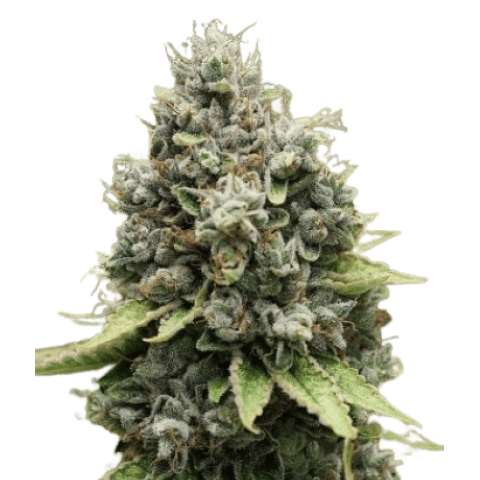 Sour Diesel Cannabis SeedsFrom: $24.99
Jack Herer
- Effects: Clear-headed, creative, and euphoric.
- Uses: Ideal for daytime use, helps with focus, stress relief, and mood enhancement.
- Characteristics: Spicy, piney flavor with earthy undertones.
-
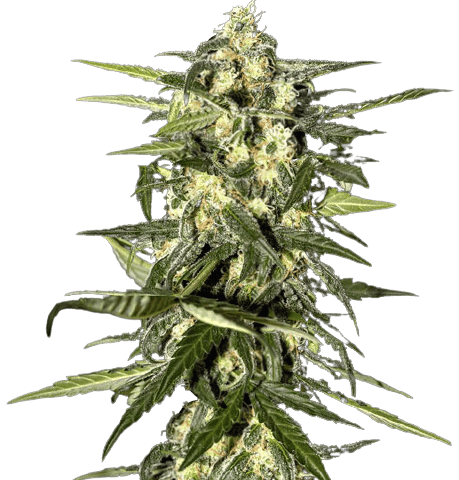 Jack Herer Cannabis SeedsFrom: $24.99
Green Crack
- Effects: Invigorating, sharp focus, and a burst of energy.
- Uses: Great for fighting fatigue, stress, and depression.
- Characteristics: Sweet, fruity flavor with a tropical mango-like aroma.
2. Indica Strains
Granddaddy Purple (GDP)
- Effects: Deep relaxation, sedative, and euphoric.
- Uses: Effective for pain relief, insomnia, and stress.
- Characteristics: Sweet, grape, and berry flavors with a pungent aroma.
-
 Granddaddy Purple Cannabis SeedsFrom: $24.99
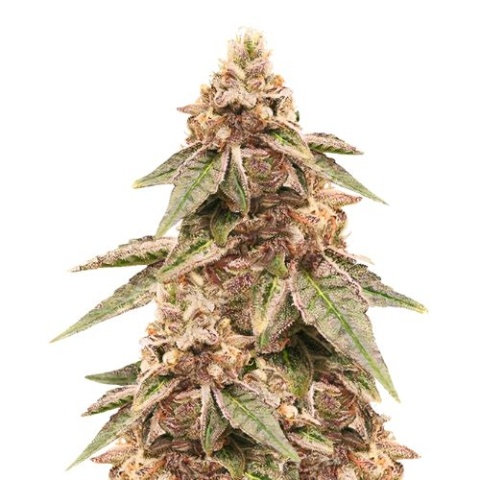
Northern Lights
- Effects: Calm, relaxed, and happy with a body high.
- Uses: Commonly used for pain relief, anxiety, and sleep disorders.
- Characteristics: Earthy, piney aroma with sweet undertones.
-
 Northern Lights Cannabis SeedsFrom: $24.99
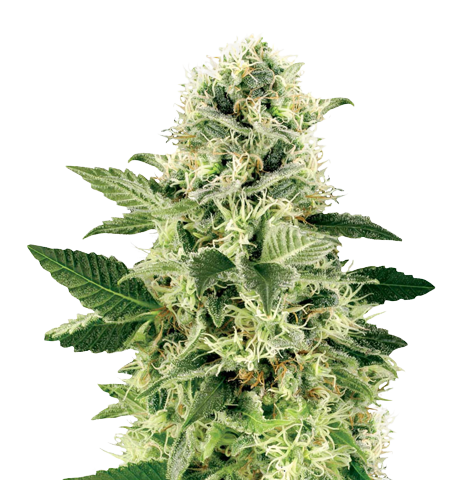
Hindu Kush
- Effects: Heavy relaxation and a strong body high.
- Uses: Suitable for pain relief, stress reduction, and promoting sleep.
- Characteristics: Woody, piney flavor with a subtle sweetness.
-
Hindu Kush Cannabis SeedsFrom: $24.99
3. Hybrid Strains
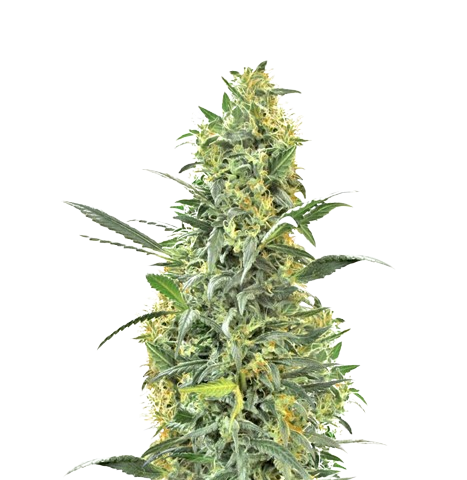
Blue Dream
- Effects: Balanced, gentle body relaxation with cerebral stimulation.
- Uses: Ideal for pain relief, depression, and nausea without heavy sedation.
- Characteristics: Sweet, berry flavor with hints of blueberry.
-
Blue Dream Cannabis SeedsFrom: $24.99
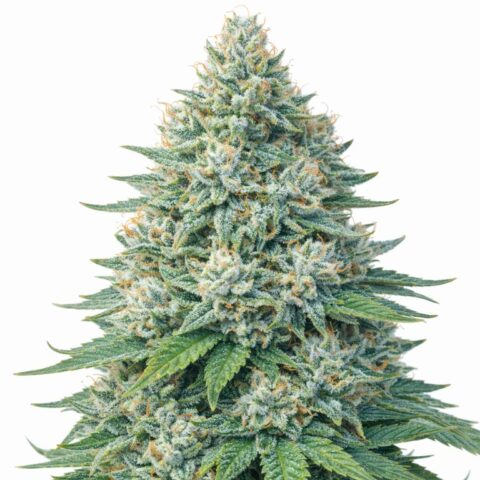
OG Kush
- Effects: Uplifting, yet relaxing with a balanced high.
- Uses: Effective for stress, anxiety, and pain relief.
- Characteristics: Earthy, pine aroma with woody undertones.
-
OG Kush Cannabis SeedsFrom: $24.99
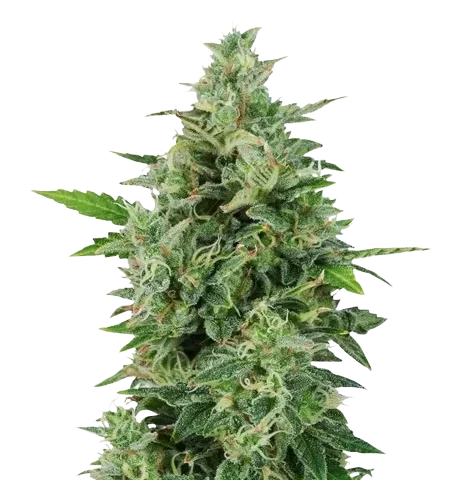
Girl Scout Cookies (GSC)
- Effects: Euphoric, relaxing, and full-body high.
- Uses: Used for chronic pain, nausea, and appetite loss.
- Characteristics: Sweet, earthy aroma with a hint of mint and chocolate.
-
Girl Scout Cookies Cannabis SeedsFrom: $24.99
4. CBD-Dominant Strains
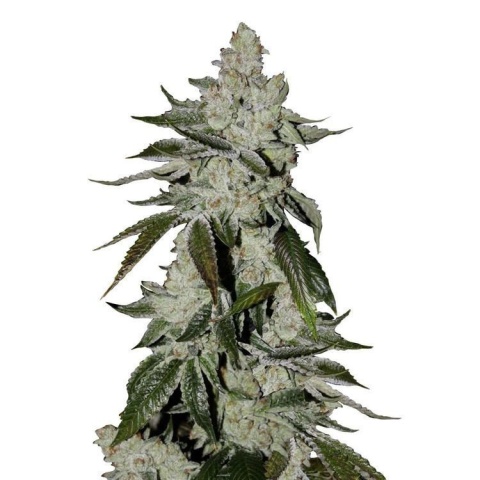
Charlotte’s Web
- Effects: Minimal psychoactive effects, primarily therapeutic.
- Uses: Effective for seizure disorders, anxiety, and inflammation.
- Characteristics: Earthy, citrusy flavor with a subtle sweetness.
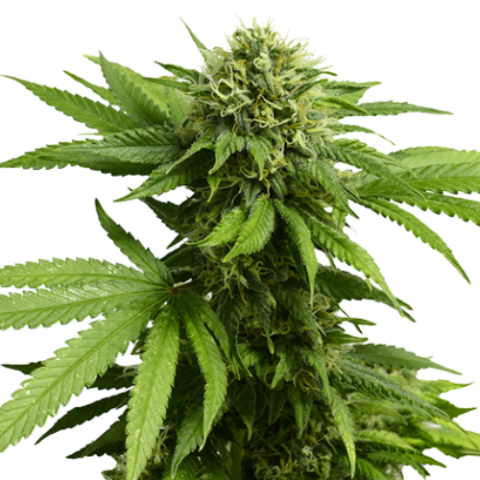
ACDC
- Effects: Non-intoxicating, focused on therapeutic benefits.
- Uses: Used for pain relief, anxiety, and epilepsy.
- Characteristics: Earthy, woody aroma with a hint of sweetness.
-
CBD ACDC Cannabis SeedsFrom: $24.99
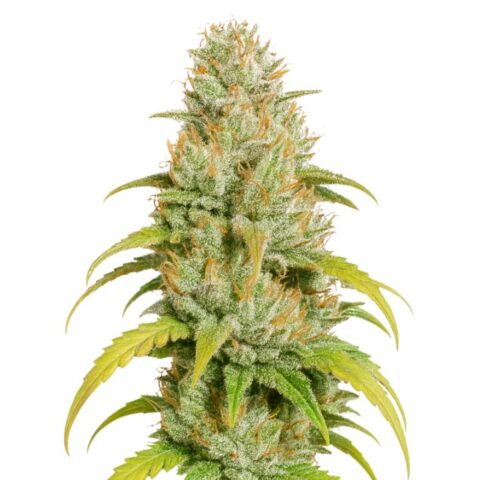
Harlequin
- Effects: Clear-headed, alert, and relaxed without heavy sedation.
- Uses: Helps with pain relief, anxiety, and stress.
- Characteristics: Earthy, sweet flavor with a hint of mango and citrus.
-
Harlequin CBD Cannabis SeedsFrom: $24.99
5. Unique and Rare Strains
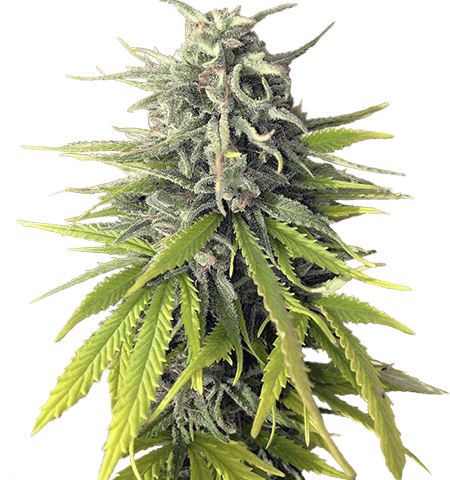
Durban Poison
- Type: Pure Sativa
- Effects: Energetic, uplifting, and creative.
- Uses: Great for daytime activities, focus, and combating fatigue.
- Characteristics: Sweet, earthy flavor with hints of pine and anise.
-
 Durban Poison Cannabis SeedsFrom: $24.99
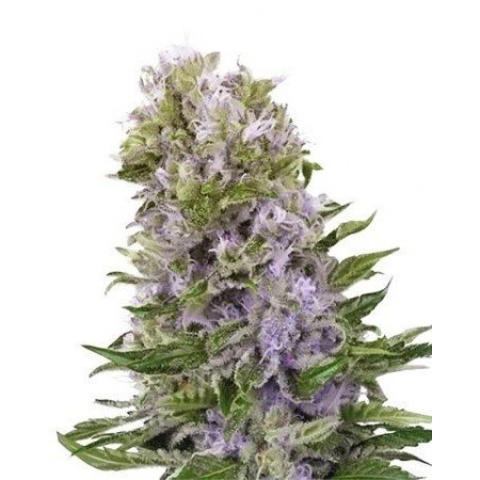
Purple Haze
- Type: Sativa-Dominant Hybrid
- Effects: Euphoric, uplifting, and creative.
- Uses: Ideal for stress relief, mood enhancement, and creative activities.
- Characteristics: Sweet, earthy flavor with a hint of berry and spice.
-
Purple Haze Cannabis SeedsFrom: $24.99
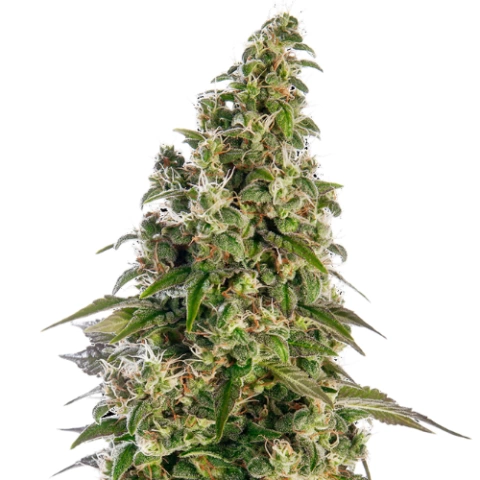
Maui Wowie
- Type: Sativa
- Effects: Energetic, euphoric, and uplifting.
- Uses: Effective for stress relief, depression, and enhancing creativity.
- Characteristics: Sweet, tropical pineapple flavor with a hint of citrus.
-
Maui Wowie Cannabis SeedsFrom: $24.99
Conclusion
These popular cannabis strains showcase the diversity in effects, flavors, and therapeutic uses within the cannabis world. Whether for recreational enjoyment or medical application, each strain offers a unique combination of characteristics that cater to different preferences and needs. Understanding the specific traits of these strains helps consumers make informed choices based on their desired effects and benefits.
For a complete directory of cultivars, visit our Cannabis Strain Reviews.
