Table of Contents
What is a Cannabis Phenotype ?
A cannabis phenotype is the observable expression of a plant’s genetic makeup (genotype) as influenced by environmental factors. In other words, the phenotype encompasses all visible characteristics of a cannabis plant such as its aroma, flavor, color, leaf shape, bud structure, cannabinoid profile (THC, CBD, etc.), and terpene content resulting from the interaction of its genetic potential with the environment in which it grows. This complex interplay shapes the unique identity of each individual plant, even among seeds of the same strain.
1. Understanding Genotype vs. Phenotype in Cannabis
To grasp the concept of phenotype, it’s crucial to distinguish it from genotype:
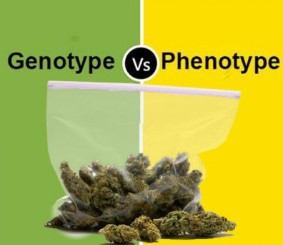
- Genotype is the plant’s inherited genetic blueprint. It represents the total range of potential traits that can be expressed.
- Phenotype is the actual set of characteristics that appear in a given plant, determined by which genes are activated in response to environmental conditions.
For example, two cannabis seeds from the same genetic lineage (genotype) can produce phenotypically distinct plants if grown under different conditions. One may produce larger buds and more THC if it receives more light and nutrients, while another grown under stress may produce more CBD or different terpene profiles.
2. Key Factors Influencing Cannabis Phenotypes
Phenotypic expression is highly sensitive to environmental variables. Important influences include:
A. Light
- The intensity, duration, and spectrum of light affect growth patterns, flowering times, resin production, and terpene development.
- Blue spectrum promotes vegetative growth; red spectrum enhances flowering.
B. Temperature and Humidity
- Cooler night temperatures can bring out purple or blue pigmentation in strains predisposed to anthocyanin production.
- High humidity may suppress resin production and increase mold risk, while low humidity might stimulate the production of additional trichomes by plants as a protective strategy.
C. Soil or Medium Composition
- Nutrient availability affects leaf size, bud density, and overall vigor.
- Organic soils may enhance terpene expression compared to hydroponic setups, depending on microbial life and mineral content.
D. Watering Schedule and Stress
- Drought stress can trigger defensive adaptations, including elevated cannabinoid synthesis.
- Overwatering often stunts growth and increases disease susceptibility, suppressing optimal phenotype expression.
E. Training Techniques
- Low-stress training (LST), topping, and pruning can significantly influence plant structure and bud development.
- These manipulations can activate certain gene expressions more prominently than others.
3. Phenotype Hunting (Pheno-Hunting)
Pheno-hunting is the process of growing multiple seeds from a single strain to identify and select the most desirable phenotype. It’s a cornerstone of cannabis breeding and cultivation, especially for growers looking to stabilize specific traits.
How it works:
- Grow seeds from the same genetic cross under controlled, identical conditions.
- Observe and document traits like:
- Bud size and density
- Flowering time
- THC/CBD content
- Flavor and aroma profiles
- Pest resistance and vigor
- Clone the best specimens to preserve and propagate the preferred phenotype.
This selective breeding leads to stabilized strains, where desirable traits are consistently passed on through future generations. Some popular strains like Blue Dream or Girl Scout Cookies were originally selected phenotypes that became stabilized lines.
4. Why Phenotypes Matter to Consumers
To cannabis users, phenotypes are far more than botanical curiosities—they directly impact the user experience. Even within the same strain, different phenotypes can produce remarkably different effects and sensory profiles.
Examples:
- A “sativa-dominant” strain like Sour Diesel may exhibit both uplifting and sedating phenotypes depending on terpene ratios and minor cannabinoid presence.
- OG Kush has dozens of distinct phenotypes across different breeders, varying from pine-heavy and energetic to earthy and narcotic.
This variation explains why users sometimes report different effects from the “same strain.” Unless the grower stabilizes the genetics and controls environmental variables, each batch may carry a slightly different phenotype.
5. Phenotype vs. Chemotype
While phenotype describes physical and sensory traits, chemotype refers specifically to the plant’s chemical composition, primarily its cannabinoid and terpene profile.

Major Cannabis Chemotypes:
- Type I – High THC, low CBD (psychoactive dominant)
- Type II – Balanced THC:CBD
- Type III – High CBD, low THC (non-intoxicating)
- Type IV – High CBG (rare)
- Type V – No detectable cannabinoids (hemp-like)
These chemotypes are partially linked to phenotypes but not exclusively. Two plants may look identical but produce different effects due to chemotypic differences. Advanced testing is necessary to determine chemotype.
6. Terpenes: The Scented Signature of Phenotypes
Terpenes are aromatic compounds found in cannabis that play a crucial role in defining phenotypes. They contribute to:
- Aroma and flavor (e.g., citrusy, earthy, diesel)
- Modulation of effects through the entourage effect, where terpenes interact synergistically with cannabinoids
Common terpenes include:
- Myrcene – Sedating, musky
- Limonene – Uplifting, citrus
- Caryophyllene – Spicy, anti-inflammatory
- Linalool – Floral, calming
Environmental factors can greatly influence terpene production, altering phenotypic scent and taste.
7. Cannabis Breeding and Phenotypic Stabilization
Breeders aim to lock in specific phenotypes through successive generations of controlled pollination and selection. This involves:

A. F1 Hybrids
- First-generation crosses of two genetically distinct parents.
- Often exhibit hybrid vigor and wide phenotypic variation.
B. Backcrossing (BX)
- Crossing a hybrid with one of its parents to reinforce a particular trait.
- Helps stabilize a preferred phenotype over generations.
C. Inbreeding (IBL – Inbred Line)
- Repeated self-pollination or sibling crosses to create uniformity.
- Reduces variation but may increase risk of undesirable recessive traits.
A strain is considered stable when at least 90–95% of plants grown from seed exhibit uniform traits.
8. Cloning and Phenotype Preservation
To maintain a specific phenotype, growers often clone the original plant. Cloning is the process of taking cuttings from a mature “mother plant” and rooting them to produce genetically identical offspring.
Advantages of cloning for phenotype preservation:
- Ensures consistency in flavor, potency, and growth pattern
- Allows mass production of a prized phenotype without genetic drift
However, clones can still vary slightly based on environmental conditions, which is why the phenotype remains a combination of genetics + environment.
9. Phenotypes in Legal and Medical Cannabis
As cannabis becomes mainstream in medical and adult-use markets, the demand for chemotypically and phenotypically consistent products has increased. Medical patients especially require predictability for symptom relief.
Cultivators address this by:
- Standardizing grow environments (light, humidity, CO₂, nutrients)
- Selecting and cloning stable phenotypes
- Third-party lab testing for cannabinoid/terpene profiles
- Labeling products with detailed cannabinoid and terpene data
This ensures patients can reliably choose a phenotype that, for example, relieves pain without excessive sedation or one that supports appetite stimulation.
10. Conclusion
A cannabis phenotype is the physical and chemical expression of a plant’s genetic code as shaped by its environment. From the perspective of growers, breeders, and consumers alike, phenotypes matter profoundly. They influence everything from bud structure and yield to taste, aroma, and psychoactive effect. Understanding and selecting the right phenotype is critical for tailoring cannabis to specific needs whether for medicinal use, recreational enjoyment, or breeding stable, high-quality strains.
